Fact #1 – The Arctic Ocean is the Smallest and Shallowest Ocean

Comparatively speaking in terms of total geographic area, the arctic ocean is quite tiny, smaller than each of the world’s other four ocean divisions. It clocks in at just 5.4 million square miles compared to the Atlantic at 41 million square miles or the Pacific at 63 million square miles. In terms of depth, the arctic ocean also ranks as the shallowest with an average depth of just 1,038 meters and maximum depth of around 4,200 meters in the Eurasian Basin. This contrasts dramatically from the Pacific’s average depth of 4,280 meters and the Atlantic’s of 3,646 meters at minimum. The arctic ocean’s shallow waters are thought to result largely from the process of underwater ridge formation that occurs between tectonic plates over geological history and the subsequent build up of sediments discharged from rivers like the Mackenzie and Yenisei.
Fact #2 – The Arctic Ocean is Covered in Ice Most of the Year
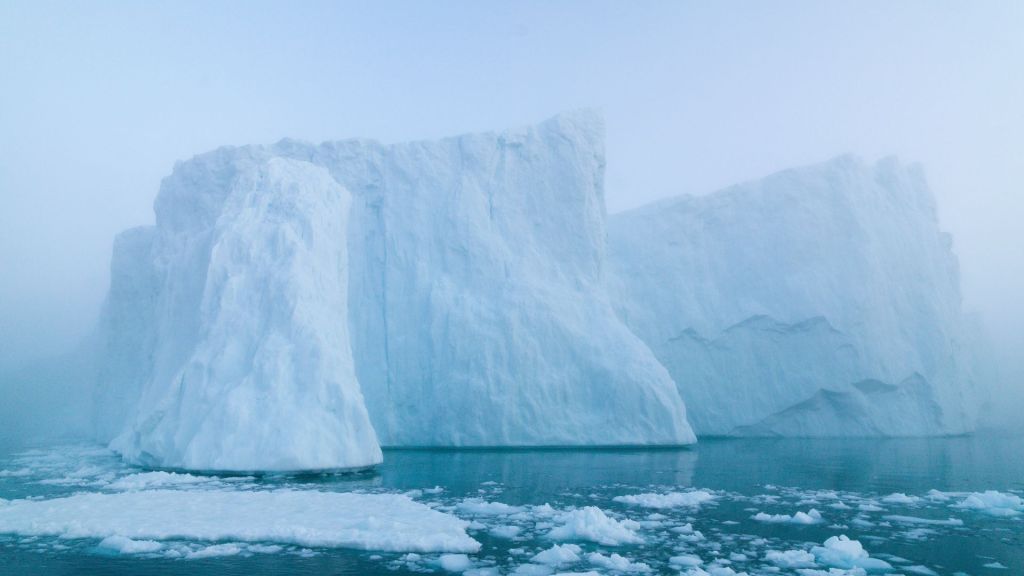
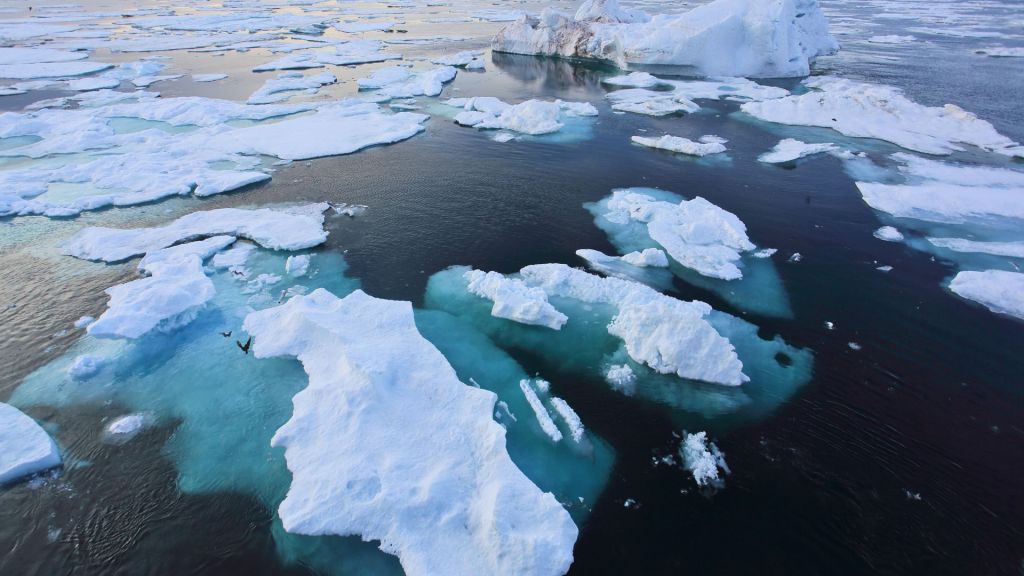
Given its extreme northern latitude location and cold climate, it comes as no surprise that a majority of the arctic ocean stays capped in sea ice for the duration of a typical year. At its maximum annual extent around March, arctic sea ice may span over six million square miles on average, thanks to the 24 hour darkness of polar night and frigid winter temperatures dipping below minus 22 degrees Fahrenheit. This icy coverage shrinks down through spring and summer months to roughly half that area by September, creating greater expanses of open ocean water. Even at its summer minimum though, the total sea ice extent is still larger than the entire land area of the United States.
Fact #3 – The Arctic Ocean Has Distinct and Diverse Marine Life
Despite punishingly icy conditions covering the ocean across so much of the year, the arctic ocean gives rise to surprisingly diverse and unique marine life specially adapted to handle the extreme cold habitat. Iconic mammals like polar bears and walruses dominate the sea ice landscape alongside Arctic foxes and seals, while whales of multiple species migrate north to take advantage of summer krill blooms. These animals store thick blubber reserves and utilize superior insulation from fur or feathers to retain heat even when outside temperatures hover below minus 60 degrees. Meanwhile cold water fish species have specially adapted blood and enzymes to enable basic biological functions even as waters dip near freezing, an almost unfathomable concept for more temperate aquatic life. The specific evolutionary adaptations that enable organisms to carve out a niche in this extreme ecosystem provide continued fascination.
Fact #4 – Parts of the Arctic Ocean are Disputed Territory
Unlike the more clearly delineated borders of other global bodies of water, ownership over sections of the arctic ocean remains disputed between bordering nations and is tied up in broader political conflicts. For example, Canada and Russia maintain competing claims over parts of the Lomonosov Ridge, an underwater mountain range spanning the pole. Meanwhile the Northwest Passage linking Atlantic and Pacific is also claimed fully by Canada while the U.S. and European Union treat it as international waters for shipping rights. These disputes mainly hinge on access to potential enormous oil and gas resources lying under the seafloor as well as control over new polar shipping channels being opened up by climate change impacts on sea ice. Resolution remains elusive and the unsettled future status continues hampering comprehensive environmental agreements.
Fact #5 – The Arctic Ocean Seafloor Remains Largely Unmapped
Considering so much of it stays frozen over for extended periods and its remote polar location, major parts the arctic ocean seafloor geography stay fully unmapped to modern standards. Satellite imaging struggles with sea ice blockage while sonar surveys are limited by rougher weather conditions and navigational hazards from floating ice bergs. What mapping data researchers have been able to stitch together reveals a kind of underwater world almost alien in appearance next to other oceans. Enormous canyons plunge more than 2,950 meters while extended continental shelf zones and strange pseudopodia structures likely developed from the processes of plate tectonics. Future seafloor mapping remains a priority however in order to study climate change effects and prepare for receding sea ice and related Arctic ocean shipping activity.
Fact #6 – Humans Have Been Sailing the Arctic for Centuries
Far from being impenetrable barriers, the sea ice lands of the arctic ocean have attracted adventurous polar explorers for centuries seeking possible trade routes or the glory of geographic discoveries. One early but failed expedition in 1619 first charted the main route of the Northern Sea Route coastline above Russia from the Atlantic to Pacific. Centuries later famous British Royal Navy expeditions like John Ross, William Parry and James Clark Ross repeatedly tried penetrating deep into the Northwest Passage connecting the Atlantic and Pacific. The doomed Franklin expedition of 1845 attempted to chart this elusive passage but ultimately foundered with all crew perishing from ship abandonment and exposure, their fate remaining a mystery for over 150 years. Finally in 1906 Roald Amundsen completed the first undisputed full sea voyage transiting Canadian arctic waters between Europe and Asia. This legacy of arctic exploration, both triumphant and tragic, clearly illustrates the long siren call of the north pole waters.
Fact #7 – Climate Change Greatly Impacts the Arctic Ocean
Global warming trends deeply affect the sensitive polar ecosystem in numerous concerning ways scientists continue working to fully grasp. Rising arctic temperatures increase melting of sea ice historically covering so much ocean surface area and also thin remaining ice packs dramatically. This means ice that previously lasted for years now gets displaced each summer in huge swirling eddies out through Fram Strait into the Atlantic. Warmer ocean currents also flow further north disrupting usual habitat regimes. Additionally, altered ocean acidification and dissolved oxygen contribute to ecosystem effects on microbial communities up through fish, seabirds and marine mammals. Already walrus habitat loss compels them to crowd onto Siberian shores while polar bears spend more time swimming between distant ice packs hunting seals as efforts continue monitoring population impacts.
Fact #8 – The Arctic Ocean Has Underwater Mountain Ranges
As previously mentioned, the famous Lomonosov ridge constitutes a massive 1,100 mile underwater mountain chain snaking just underneath the North Pole at an average height of around 10,000 feet but reaching up to about a mile from the seabed. Actually classified as a system of continental crust fragments broken off Eurasia, the ridge ranges between 50 to 70 miles wide splitting the Arctic basin into two major components with further evidence emerging of a hidden micro-continent entombed below the pole itself. Additional analysis details other elevated underwater terrain features like the Alpha ridge spanning to Ellesmere Island of northern Canada and the peculiar isolated Mendeleev Rise plateau that currently resists easy categorization by geologists without more data. Future seafloor surveys will doubtless uncover more such curiosities formed through the geological churn of plate tectonics.
Fact #9 – The Arctic Ocean Experiences Polar Night and Midnight Sun
The most northerly latitudes of the arctic ocean undergo an astounding transformation depending on the time of year where the sun fully disappears for months followed by a period of continuous daylight. Owing to the tilt of Earth’s axis, for up to six months zones just south of the North Pole descend into 24 hours of darkness known as a polar night starting around October and the fall equinox. Then by March the return of sunlight builds until summer solstice in June brings constant daylight or “midnight sun” for about the same extended interval before the cycles reverse again come September. These dramatic seasonal differences in photo cycles impact everything from sea ice freezing/melting to species migration and local Arctic cultures. For example, bowhead whales arriving in April take advantage of high zooplankton production fed by continuous sunlight. The interplay of light creates a remarkable biome.
Fact #10 – The Arctic Ocean Contains Abundant Natural Resources
Interest in the commercial viability of the arctic ocean stems from copious evident natural resources locked away by its formerly more remote and ice-bound nature. This includes prodigious deposits of oil and natural gas estimated at 412 billion barrels of oil equivalent lying under the Arctic continental shelves by the United States Geological Survey. Extracting these lucrative deposits centers on controversies around ecology, property rights and feasability. Elsewhere sea life prolific in seasonal edge ice like Pacific cod or snow crabs may support more northern latitude commercial fisheries as warming progresses. Even freshwater run off from dissolving land ice entering into the Arctic ocean potentially holds value as drinking water to southern regions facing shortages. While any exploitation of polar resources raises environmental stewardship dilemmas, the assets beckoning remain abundant.
The arctic ocean stands out as an extreme marine environment full of wonder, mystery and importance facing profound transformation. Reviewing just a small sampling of singular facts around the arctic ocean’s tiny scale yet crucial regulating role on global climate systems demonstrates why its future warrants intensive focus as an indispensible part of monitoring climate change in the Anthropocene age. Whether dealing with issues like sea level rise, altered ocean circulation patterns or displaced polar species, outcomes unfolding in the Arctic ocean disturbingly presage impacts destined to cascade worldwide as scientists race to understand and prepare models still filled with uncertainty without more comprehensive data. But possibilities even exist that heating trends and technology might also unlock economic opportunities in yet pristine northern waters to the benefit of local populations if sustainable development frameworks prevail. Though often distant in public imagination, happenings playing out in arctic ocean theaters could ripple global consequences for all systems interconnected across every latitude and deserves visionary consideration at the very top of policy agendas.