Mariana Trench: Descending into the Abyss
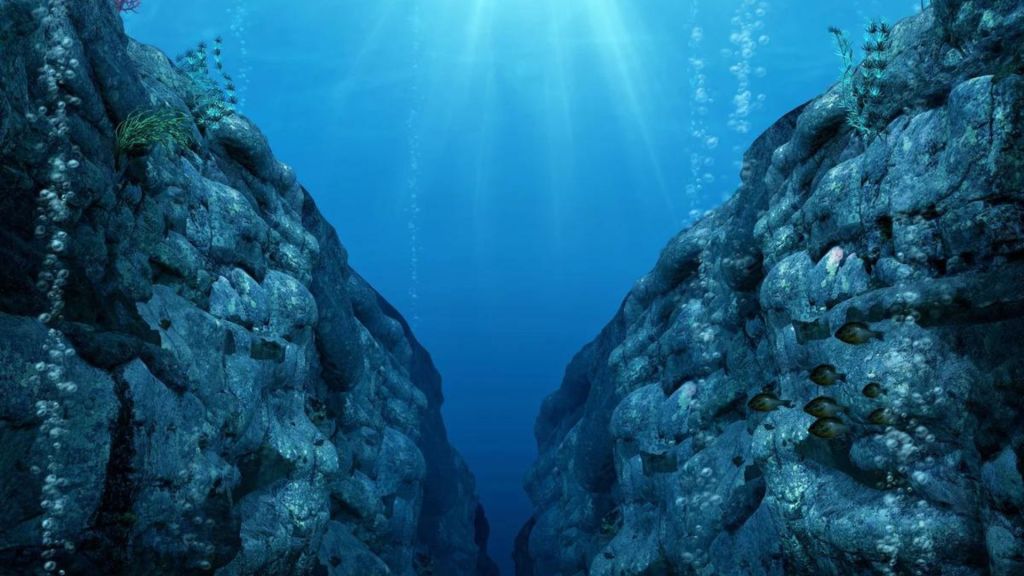
Depth: 36,037 feet (10,984 meters)
Deepest point in the waters is the Mariana Trench in the western Pacific. This immense trench stretches over 1,580 miles and reaches a maximum depth of 36,037 feet. The Challenger Deep, situated within the Mariana Trench, is the lowest point on Earth.
Subterranean pressure in the Mariana Trench is more than a thousand times higher than atmospheric pressure. Despite these harsh conditions, this mysterious abyss is home to a variety of unique creatures, including deep-sea amphipods, snailfish, and other yet-to-be-discovered species.
Tonga Trench: The Second Deep Point on Earth
Depth: 35,702 feet (10,882 meters)
The Tonga Trench, located in the southwestern Pacific Ocean, is the second deepest point on Earth. Stretching over 2,500 kilometers, this trench is characterized by its extreme depth and high tectonic activity. The Horizon Deep, the deep point in the Tonga Trench, reaches a depth of 35,702 feet.
The Tonga Trench is known for its rapid plate tectonic movement, making it one of the most seismically active regions in the world. This constant subduction of the Pacific plate beneath the Australian plate creates a dynamic and ever-changing environment.
Philippine Trench: A Submarine Abyss
Depth: 34,580 feet (10,540 meters)
The Philippine Trench, located in the Philippine Sea, is an incredibly deep part of the ocean. Stretching over 820 miles, this submarine trench reaches a maximum depth of 34,580 feet. For many years, scientists believed it to be the deepest point on Earth.
Formed by the collision of the Eurasian and the smaller Philippine plate, the Philippine Trench is a prime location for studying plate tectonics and seismic activity. Its unique geological features and extreme depths make it an area of great scientific interest.
Kuril-Kamchatka Trench: A Volcanic Abyss
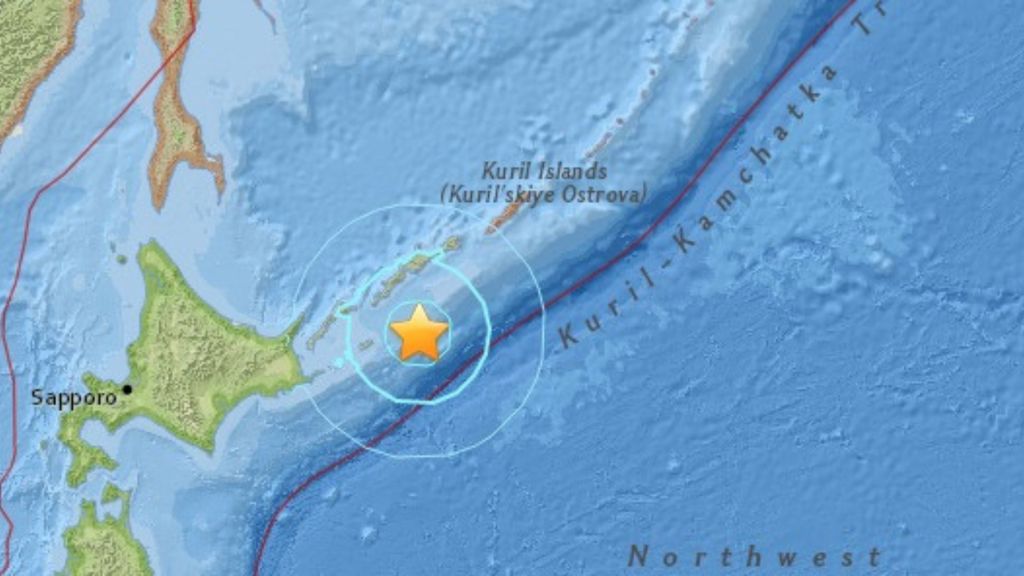
Depth: 34,587 feet (10,542 meters)
The Kuril-Kamchatka Trench, located off the coast of Kamchatka in the northwest Pacific Ocean, is a trench known for its volcanic activity. This deep chasm reaches a maximum depth of 34,587 feet and is responsible for the creation of the Kuril Islands and the Kamchatka volcanic arcs.
The Kuril-Kamchatka Trench is a region of very active geology that was created when the Pacific plate was subducted beneath the Okhotsk plate. Volcanic eruptions and seismic events are common, shaping the unique landscape of this underwater abyss.
Kermadec Trench: A Biodiverse Abyss
Depth: 32,963 feet (10,047 meters)
The Kermadec Trench, located in the South Pacific, is one of the most biodiverse trenches in the world. Stretching from 26 degrees south to 37 degrees south, this trench reaches a maximum depth of 32,963 feet. It is characterized by its proximity to the Kermadec Islands and the Hikurangi Plateau.
The Kermadec Trench is home to a wide array of marine life, including deep-sea snailfish, amphipods, and other unique species. Its rich biodiversity and complex ecosystem make it an important area for scientific research and conservation efforts.
Izu-Ogasawara Trench: The Pacific Abyss
Depth: 32,087 feet (9,780 meters)
In the western Pacific Ocean is the Izu-Ogasawara Trench, which is also called the Izu-Bonin Trench. Stretching from Japan to the northern sections of the Mariana Trench, this trench reaches a maximum depth of 32,087 feet.
Geologists have identified the Izu-Ogasawara Trench as a result of the Pacific plate subducting beneath the Philippine Sea plate. It is home to numerous volcanic arcs, creating a dynamic and ever-changing environment.
Japan Trench: The Ring of Fire
Depth: 26,398 feet (8,046 meters)
The Japan Trench, situated in the northern Pacific Ocean, is part of the infamous “Ring of Fire.” This trench reaches a maximum depth of 26,398 feet and is formed by the subduction of the Pacific plate beneath the Okhotsk plate.
The Japan Trench is known for its high seismic activity, including devastating earthquakes and tsunamis. It is an area of great scientific interest, as researchers study the dynamics of plate tectonics and the impact of subduction on the surrounding region.
Puerto Rico Trench: The Deep Spot in the Atlantic Ocean
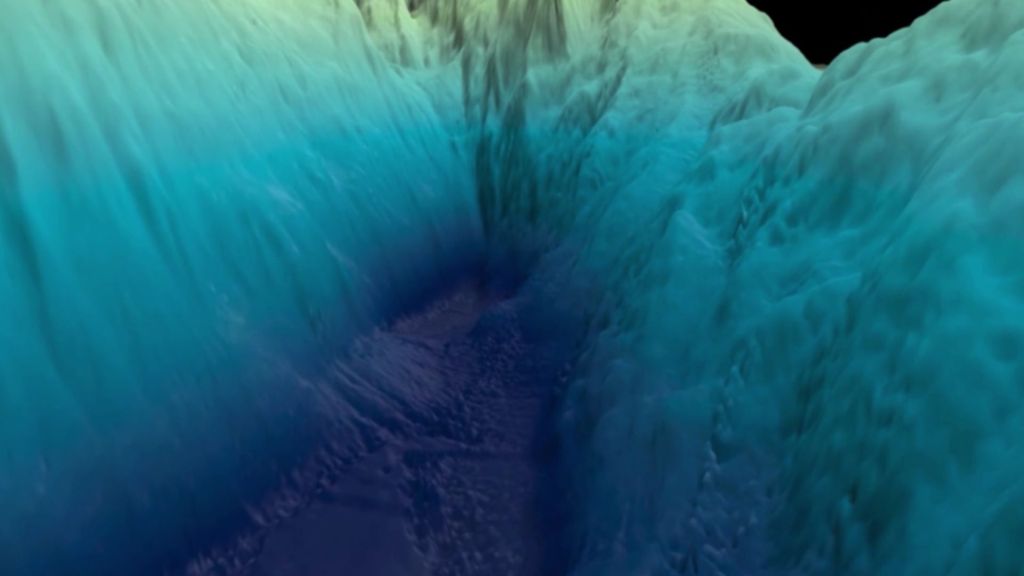
Depth: 26,398 feet (8,046 meters)
The deepest point in the Atlantic Ocean is the Puerto Rico Trench, which is situated between the Caribbean Sea and the Atlantic Ocean. Stretching nearly 500 miles, this trench reaches a maximum depth of 26,398 feet. The Milwaukee Deep, situated within the Puerto Rico Trench, is the lowest point in this abyss.
The Puerto Rico Trench is a geologically active area, prone to earthquakes and tectonic movements. The surrounding islands, particularly Puerto Rico, are at risk of seismic events, highlighting the importance of studying and understanding this unique underwater environment.
South Sandwich Trench: Exploring the Southern Atlantic Abyss
Depth: 26,909 feet (8,202 meters)
The South Sandwich Trench, located in the South Atlantic Ocean, is the deepest trench in the Southern Atlantic. Stretching over 600 miles, this trench reaches a maximum depth of 26,909 feet. The Meteor Deep, situated within the South Sandwich Trench, is the lowest point in this abyss.
The South Sandwich Trench is a relatively unexplored area, with limited scientific research conducted in this remote and extreme environment. Additional investigation into this trench has the potential to provide important details about the Earth’s geological history.
Peru-Chile Trench: The Atacama Abyss
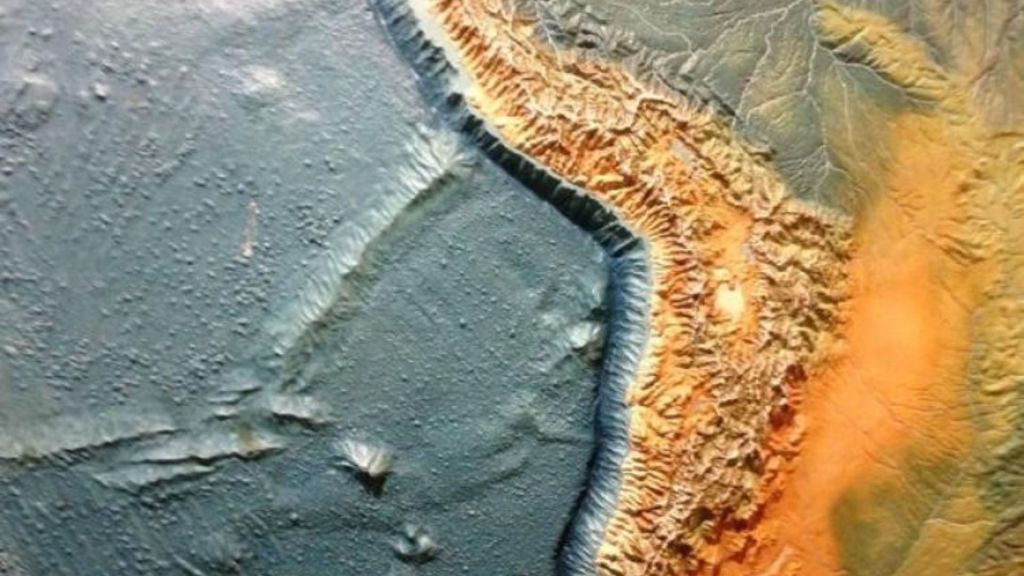
Depth: 26,460 feet (8,065 meters)
Off the coasts of Chile and Peru in the Eastern Pacific Ocean is the Peru-Chile Trench, sometimes called the Atacama Trench. This chasm is around 40 miles wide and 3,666 miles long. Its formation is a result of the South American plate subducting beneath the Nazca plate.
The Peru-Chile Trench is home to a diverse array of marine life, including three species of snailfish discovered in 2018. This unique ecosystem thrives in the extreme depths of the trench, adapting to the high pressures and cold temperatures of the abyss.
Exploring the Abyss: Unveiling the Secrets of the Deep
The oceans hold within them a vast and mysterious realm, with the deepest parts of the ocean serving as windows into the unknown. From the Mariana Trench to the Peru-Chile Trench, these abyssal depths offer a glimpse into the forces that shape our planet and the remarkable life that exists in the most extreme environments.
As scientists continue to explore these deep-sea trenches, uncovering new species and unraveling the mysteries of the deep, we gain a greater understanding of the interconnectedness of our planet and the fragility of its ecosystems. The search for the ocean’s ten deepest regions is an epic adventure that will go on forever, captivating and informing people of all ages.