

From Egypt to Jordan, these sea gateways serve key economic functions for the countries of the Middle East and the Horn of Africa. Their docks provide access to global shipping lines and development projects continue to expand their capacities.
Port of Jeddah, Saudi Arabia
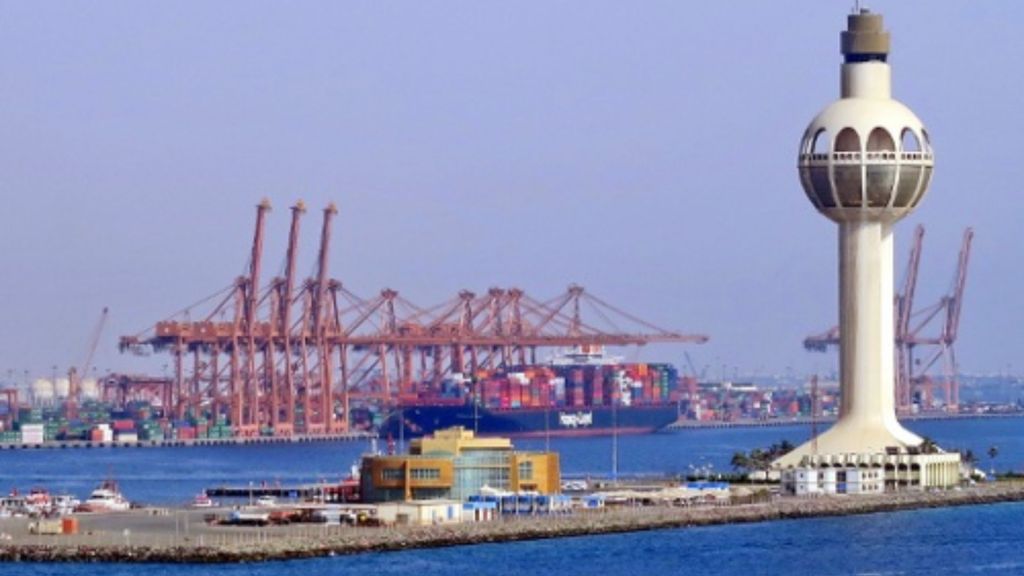
The Port of Jeddah has emerged as the principal hub for Saudi Arabia’s commercial and passenger transport fleets. With 90 berths spanning nearly 20 kilometers of coastline on the eastern side of the Red Sea, it is the largest seaport in the Kingdom and serves as the main gateway for seaborne trade into the country.
Jeddah Islamic Port’s history stretches back centuries, and in modern times, it has become an ultramodern, technologically sophisticated harbor. Its extensive infrastructure includes specialized container, livestock, and passenger terminals. It has cool storage for perishable foods, vast tank farms, and customs clearance zones.
In 2021, the port handled over 153 million tons of cargo. It serves the important role of importing goods into Saudi Arabia as well as exporting the country’s petroleum resources. Future expansion plans aim to increase capacity toTION325 million TEUs annually by 2040.
History: Port of Jeddah
The Port of Jeddah, on Saudi Arabia’s Red Sea coast, evolved from an ancient trade hub into the country’s largest modern port. Officially established in 1976, it handles 60% of Saudi sea imports. Known for efficient container terminals and advanced logistics, it’s crucial to Saudi Arabia’s economy and industrialization efforts. The port’s strategic location makes it a vital East-West trade route transshipment hub. Continuously modernizing, it aligns with Saudi Vision 2030, enhancing the kingdom’s global trade position.
Infrastructure
The largest port in Saudi Arabia is the Port of Jeddah, which is also called the Jeddah Islamic Port. It is a major hub for the Red Sea area. Located in the city of Jeddah on the western coast of Saudi Arabia, it plays a crucial role in the country’s economy and trade. Key infrastructure elements include:
- Container terminals: Features multiple advanced container terminals with state-of-the-art equipment, including ship-to-shore gantry cranes and automated systems.
- Bulk and general cargo facilities: Offers extensive facilities for handling various types of bulk and general cargo.
- Channel depth: Maintains a deep channel capable of accommodating large container ships and bulk carriers.
- Ro-Ro terminals: Includes dedicated terminals for Roll-on/Roll-off vessels.
- Pilgrim terminal: Houses a special terminal for handling Hajj and Umrah pilgrims traveling to nearby Mecca.
- Free zones: Encompasses free zones to facilitate international trade and value-added services.
- Intermodal connections: Provides excellent road connections and is linked to the Saudi railway network.
- Cold storage: Features significant cold storage facilities for perishable goods.
- Ship repair: Includes ship repair and maintenance facilities.
- Oil terminal: Houses an oil terminal for handling petroleum products.
Key Features and Statistics
- Annual Cargo Tonnage: 130 million tons (2023)
- Container Throughput (TEUs): 4.9 million (2022)
- Vessels Handled Annually: Over 13,200 (total for all Saudi Ports in 2021, with Jeddah having the largest share)
- Economic Impact: Crucial for Saudi Arabia’s economy, handling 65% of the country’s imports by sea.
- Cargo Diversity: Containerized cargo, bulk cargo, general cargo, livestock, and vehicles.
- Infrastructure: 62 berths, 11.2 kilometers of berthing length, and modern container terminals.
- Location: It is in a good spot on the Red Sea and is a major trade hub between Europe, Asia, and Africa.
- Religious Significance: Gateway to the holy cities of Mecca and Medina, handling millions of pilgrims annually.
- Governance: Saudi Ports Authority (Mawani)
Port of Al Hudaydah, Yemen
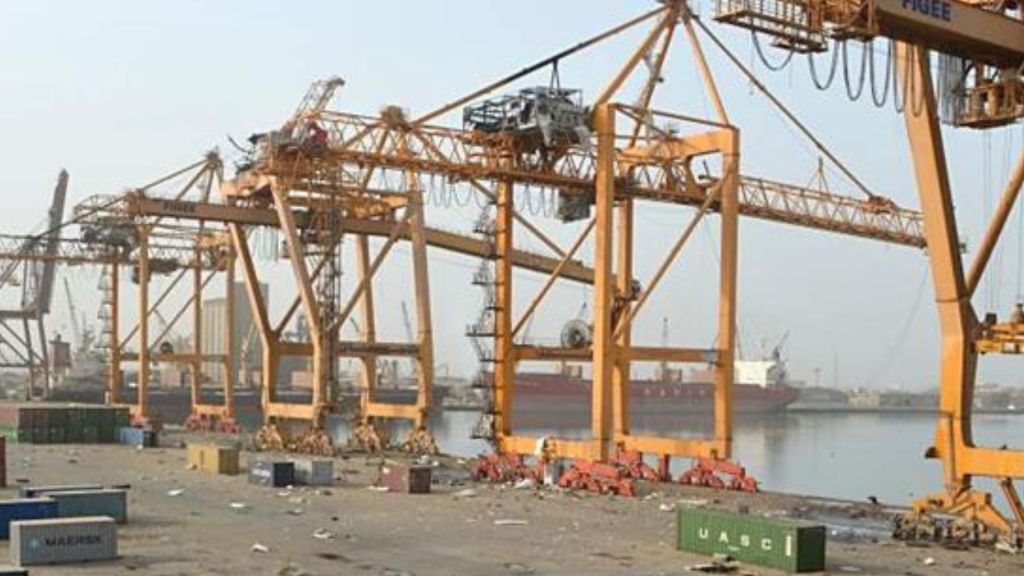
Strategically situated on Yemen’s west coast along the southern end of the Red Sea, Al Hudaydah port plays a pivotal role for the nation’s imports and humanitarian aid deliveries. Its docks directly serve the Yemeni capital Sana’a situated inland to the east.
Years of conflict have heavily damaged infrastructure, and threats from continued violence menace ships accessing its facilities. Yet Al Hudaydah remains a vital conduit, handling the majority of the country’s critical food, fuel, and aid shipments.
Before unrest erupted, plans envisioned Yemen’s main port to handle significantly more traffic and become a regional shipping hub. But today, the focus has shifted to reconstruction efforts centered on restoring basic operations and maintaining flows of essential humanitarian supplies to Yemen’s vulnerable population.
History: Port of Al Hudaydah
The Port of Al Hudaydah, located on Yemen’s Red Sea coast, is the country’s principal seaport. Established in the mid-20th century, it quickly became vital to Yemen’s economy as the main gateway for imports. The port handles a significant portion of Yemen’s food imports, making it crucial for the nation’s food security.
Infrastructure
It’s a crucial entry point for goods and humanitarian aid into Yemen. However, it’s important to note that the port’s infrastructure and operations have been significantly impacted by the ongoing conflict in Yemen. Key infrastructure elements include:
- Cargo berths: Features multiple berths for handling various types of cargo, though capacity has been affected by conflict.
- Container facilities: Includes container handling capabilities, although operations may be limited due to current circumstances.
- Channel depth: Maintains a channel depth suitable for medium-sized vessels, though regular maintenance may have been disrupted.
- Grain silos: Houses grain storage facilities, crucial for food imports.
- Oil terminal: Includes facilities for handling petroleum products, vital for Yemen’s energy needs.
- Fishing port: Features a separate area for the local fishing industry.
- Limited intermodal connections: Provides road connections to other parts of Yemen, though infrastructure has been impacted by conflict.
- Warehousing: Offers storage facilities for various types of cargo, particularly important for aid distribution.
Key Features and Statistics
- Annual Cargo Tonnage: Data not readily available due to ongoing conflict and instability.
- Humanitarian Aid: Handles up to 80% of Yemen’s humanitarian supplies, including food, medicine, and fuel.
- Economic Role: Vital lifeline for Yemen’s economy, despite the war’s impact.
- Infrastructure: Damaged due to conflict, but still operational for essential goods.
- Location: Strategically located on the Red Sea, serving as Yemen’s main port.
- Conflict Zone: The port has been a focal point of the Yemeni Civil War, with access and control heavily contested.
- Humanitarian Crisis: The port’s continued operation is critical for addressing Yemen’s severe humanitarian crisis, including famine and disease outbreaks.
Port Sudan, Sudan
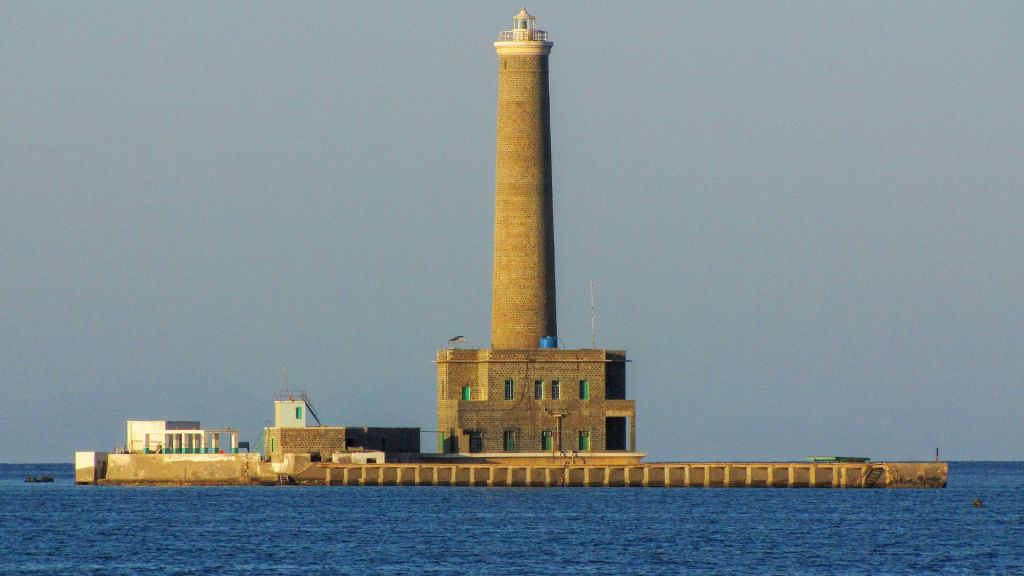
As the only major deep-water seaport in Sudan, Port Sudan plays an oversized role in the country’s international trade and transportation sectors. Situated on the Red Sea coast over 400 miles north of the Port of Jeddah, it serves as the main outlet for Sudan’s exports.
Its facilities export most of the nation’s petroleum resources extracted from oil fields inland. It also ships livestock and agricultural commodities like cotton, sesame seeds, and gum Arabic. Port Sudan’s vast port infrastructure, located in several areas surrounding the harbor, will allow it to handle more than 17 million tons of cargo in 2020.
Sudan continues undertaking initiatives to expand and upgrade its sole major ocean port as well as connectivity corridors linking it to inland transport networks. Several major development projects aim to augment its cargo capacities to over 30 million tons by 2033.
History: Port Sudan
Port Sudan, established in 1909 on Sudan’s Red Sea coast, is the country’s primary seaport. It replaced Suakin as Sudan’s main port due to its deeper waters and modern facilities. The port plays a crucial role in Sudan’s economy, handling most of the country’s international trade, including oil exports and vital food imports. It features container terminals, bulk cargo facilities, and an oil terminal.
Infrastructure
Port Sudan is the principal seaport of Sudan, located on the Red Sea coast. It plays a crucial role in Sudan’s economy and international trade. Key infrastructure elements include:
- Container terminal: Features a container terminal with gantry cranes and container handling equipment.
- Bulk cargo facilities: Offers facilities for handling various types of bulk cargo, including grains and minerals.
- Oil terminal: Includes an oil terminal for handling petroleum products, crucial for Sudan’s energy sector.
- Channel depth: Maintains a channel depth suitable for accommodating medium to large-sized vessels.
- Berths: Houses multiple berths for different types of cargo ships and tankers.
- Storage facilities: Provides extensive storage areas, including warehouses and open yards for various types of cargo.
- Intermodal connections: Connected to Sudan’s rail network and road system, facilitating inland transportation.
- Passenger terminal: Includes facilities for passenger ships and ferries.
- Ship repair: Features some ship repair and maintenance facilities.
- Free trade zone: Encompasses a free trade zone to promote international trade and investment.
Key Features and Statistics
- Annual Cargo Tonnage: Approximately 8.6 million tons (2023 estimates)
- Container Throughput (TEUs): 320,274 (2021) – Note: Decreased from previous years
- Vessels Handled Annually: Approximately 400-500
- Economic Impact: Crucial for Sudan’s economy, handling the majority of the country’s international trade.
- Cargo Diversity: Containerized cargo, dry bulk (wheat, sugar, fertilizers), liquid bulk (petroleum), and breakbulk cargo.
- Infrastructure: Several terminals, including container terminals, bulk terminals, and general cargo berths.
- Location: Strategically located on the Red Sea, serving as Sudan’s main gateway to international markets.
- Challenges: Faces challenges due to outdated infrastructure, limited capacity, and political instability.
- Modernization Efforts: Ongoing efforts to modernize and expand the port to increase capacity and efficiency.
Port of Suez, Egypt
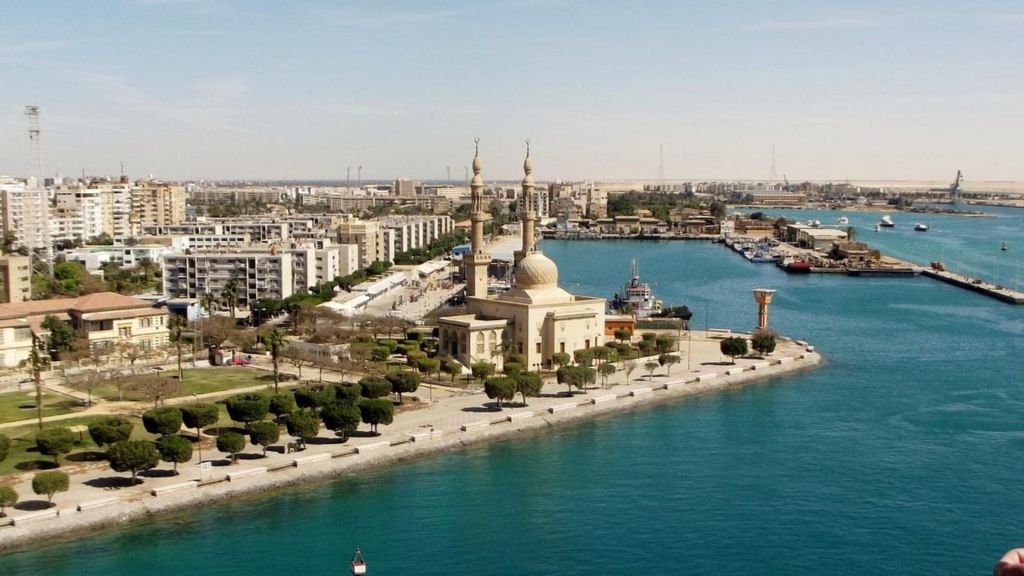
Standing watch at the northern gateway of the Suez Canal, the Port of Suez plays several strategic roles for Egypt and international shipping lines. As the canal’s entrance from the Red Sea, it serves as a transshipment hub for major maritime transport routes between Europe and Asia.
The Port of Suez has extensive facilities handling containerized cargo, bulk grain, petroleum, and general goods. It has specialty terminals dedicated for handling phosphate rock exports as well. Its administration also oversees aspects of Egypt’s Suez Canal Economic Zone focused on shipping, logistics, and trade-oriented industries.
Ongoing development initiatives aim to expand its cargo handling capacities via new quays, storage yards, and a admiration370-acre specialized facility for agribulk commodities. Connections to rail transport and roads also continue upgrading to augment trade flows.
History: Port of Suez
The Port of Suez, located at the southern entrance of the Suez Canal in Egypt, has a history intertwined with the canal’s development since 1869. It serves as a vital link between the Mediterranean Sea and the Red Sea, facilitating global maritime trade. The port has grown significantly, especially after the canal’s expansion in 2015. It can move different kinds of cargo, like crates, bulk goods, and oil products. The Port of Suez is a key component of Egypt’s maritime strategy, supporting the country’s economy through trade facilitation and industrial development.
Infrastructure
It plays a crucial role in Egypt’s maritime trade and the global shipping industry. Key infrastructure elements include:
- Container terminal: Features container handling facilities with gantry cranes and yard equipment.
- Bulk and general cargo facilities: Offers terminals for handling various types of bulk and general cargo.
- Oil terminal: Includes facilities for handling crude oil and petroleum products, leveraging its proximity to the SUMED pipeline.
- Channel depth: Maintains a deep channel suitable for large vessels, including those transiting the Suez Canal.
- Berths: Houses multiple berths capable of accommodating various types and sizes of vessels.
- Shipyard: Features ship repair and maintenance facilities, including dry docks.
- Intermodal connections: Connected to Egypt’s road network and has rail links for inland transportation.
- Free zone: Encompasses a free zone to promote trade and industrial activities.
- Transit area: Provides facilities for vessels waiting to transit the Suez Canal.
- Bunkering services: Offers fueling services for ships passing through the Suez Canal.
Key Features and Statistics: Port of Suez, Egypt
- Annual Cargo Tonnage: 6.6 million tons (General cargo capacity)
- Passengers Handled Annually: 1.5 million (Capacity)
- Vessels Handled Annually: Information not readily available
- Economic Impact: Significant for Egypt’s economy, serving as a major industrial and commercial hub.
- Cargo Diversity: General cargo, petroleum products, construction materials, and chemicals.
- Infrastructure: Multiple terminals for general cargo, liquid bulk, and containers, as well as ship repair facilities.
- Location: Strategically located at the southern entrance of the Suez Canal, a crucial waterway connecting the Red Sea to the Mediterranean Sea.
- Industrial Zone: Adjacent to the Suez Canal Economic Zone (SCZone), attracting investment and promoting industrial development.
- Governance: Suez Canal Authority (SCA)
Port of Hurghada, Egypt
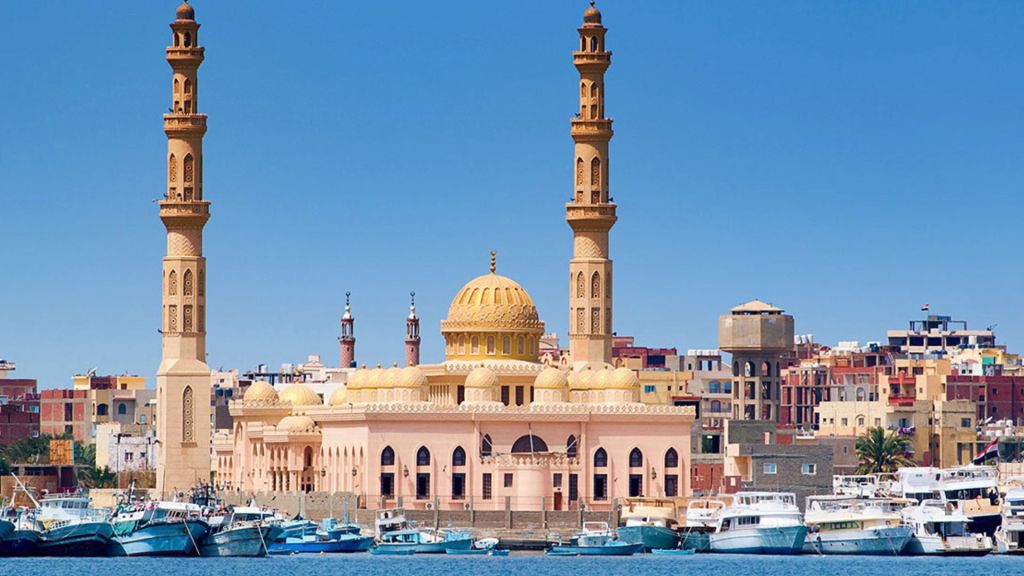
Unlike many of its peer ports focused on commercial transport, the Port of Hurghada has evolved primarily as a touristic gateway centered on the thriving Red Sea coastal resort towns. As part of Egypt’s sprawling marine leisure industry, it serves as crucial infrastructure for cruise vessels and a wide array of recreational crafts.
The port has extensive marina facilities tailored for yachts, diving boats, sport fishing crafts, and other vessels that provide access sites along the Red Sea’s famed coral reef diving locations and islands. Millions visit the region annually generating billions in economic impacts.
As part of Egypt’s vision to develop its Red Sea coast while still conserving fragile marine ecosystems, Hurghada Port plays a major role in environmentally sustainable policies regarding waste management, fueling regulations, and protected biodiversity zones.
History: Port of Hurghada
The Port of Hurghada, situated on Egypt’s Red Sea coast, is primarily known for its tourism and recreational functions. Established in the mid-20th century, it has evolved alongside Hurghada’s growth as a popular resort destination. The port serves as a key hub for cruise ships, private yachts, and diving boats, supporting the region’s thriving tourism industry. It also handles some commercial cargo, mainly related to local needs. The port features modern marina facilities and provides services for both leisure and small-scale commercial vessels.
Infrastructure
It’s primarily known for its role in supporting tourism and the local fishing industry. Key infrastructure elements include:
- Passenger terminal: Features facilities for handling tourist boats and cruise ships, catering to the area’s thriving tourism industry.
- Marina: Includes a marina for private yachts and pleasure craft, supporting nautical tourism.
- Fishing harbor: Houses facilities for the local fishing fleet, including docking areas and basic processing facilities.
- Small cargo facilities: Offers limited cargo handling capabilities, mainly for goods needed in the local tourism industry and community.
- Channel depth: Maintains a channel depth suitable for cruise ships and smaller commercial vessels.
- Berths: Provides multiple berths for various types of vessels, including tourism boats and small cargo ships.
- Coastguard facilities: Includes infrastructure for Egyptian coastguard operations in the Red Sea.
- Intermodal connections: Connected to Hurghada’s road network, linking the port to the city and nearby resorts.
- Diving and water sports facilities: Supports infrastructure for the area’s popular diving and water sports activities.
Key Features and Statistics: Port of Hurghada, Egypt
- Annual Cargo Tonnage: Data not readily available as the port focuses primarily on passenger and tourist traffic.
- Passengers Handled Annually: Estimates vary, but the port has a capacity of 500,000 passengers per year.
- Vessels Handled Annually: 675 cruise vessels, 210 tourism yachts, and 600 passenger vessels (average numbers).
- Economic Impact: Crucial for the tourism industry in Hurghada and the Red Sea region, generating significant revenue.
- Tourism Role: Major hub for cruise ships, yachts, and ferries, serving as a gateway to popular tourist destinations like Sharm El Sheikh.
- Infrastructure: Two piers, passenger lounges, and plans for further expansion to accommodate growing traffic.
- Location: Strategically located on the western coast of the Red Sea, near the Gulf of Suez entrance.
- Governance: Egyptian Ministry of Transport
Port of Adabiya, Egypt

The Petroleum Dock in the Port of Adabiya may play a less conspicuous role than Egypt’s main container hubs, but it serves a strategically vital purpose – exporting the country’s offshore crude oil extracted from the Gulf of Suez. This port directly handles large petroleum tankers loading crude exports destined for refineries globally.
Linked to inland pipelines from coastal oil fields, the expanding westward capabilities continue increasing export capacities in alignment with Egypt’s intensified drive towards optimizing its petroleum production. Further proposed expansions at the port eye boosting its maximum exports, which currently hover around admiation490,000 barrels daily.
History: Port of Adabiya
The Port of Adabiya, located on the western coast of the Gulf of Suez in Egypt, is a significant commercial port established in the late 20th century. It serves as a key gateway for bulk and general cargo, complementing the larger Port of Suez. Adabiya specializes in handling dry bulk commodities, including grain, coal, and minerals, as well as general cargo and some container traffic. The port’s strategic location near the southern entrance of the Suez Canal enhances its importance in regional trade. It features modern cargo handling equipment and storage facilities, catering to both imports and exports.
Infrastructure
It’s an important commercial port that complements the larger Port of Suez. Key infrastructure elements include:
- Bulk cargo facilities: Specializes in handling various types of bulk cargo, particularly dry bulk such as grains, coal, and minerals.
- General cargo berths: Offers berths and facilities for handling general cargo.
- Container handling: While not its primary focus, it has some capacity for container handling.
- Channel depth: Maintains a channel depth suitable for medium to large cargo vessels.
- Storage areas: Features extensive open storage areas for bulk commodities and general cargo.
- Silos: Houses grain silos for storing and handling agricultural products.
- Conveyor systems: Equipped with conveyor systems for efficient handling of bulk materials.
- Intermodal connections: Connected to Egypt’s road network, facilitating inland transportation of goods.
- Quarantine area: Includes facilities for agricultural quarantine, important for food imports.
- Environmental controls: Implements dust control measures for handling bulk commodities.
Key Features and Statistics: Port of Adabiya, Egypt
- Annual Cargo Tonnage: Approximately 1 million tons (primarily liquid bulk)
- Vessels Handled Annually: Information not readily available, but primarily tankers and bulk carriers
- Economic Impact: Important for Egypt’s industrial sector, especially for moving chemicals and oil goods in and out of the country.
- Cargo Diversity: Primarily handles liquid bulk cargo (petroleum, chemicals, edible oils), but also some dry bulk and general cargo.
- Infrastructure: 9 berths, including specialized berths for liquid bulk and dry bulk cargo, and storage facilities for over 300,000 tons of liquid cargo.
- Location: Strategically located on the western coast of the Gulf of Suez, part of the Suez Canal Economic Zone (SCZone).
- Industrial Hub: This city is a major hub for petroleum and other industrial activities in the area.
- Expansion: Ongoing development projects to enhance capacity and accommodate larger vessels.
Port of Djibouti, Djibouti
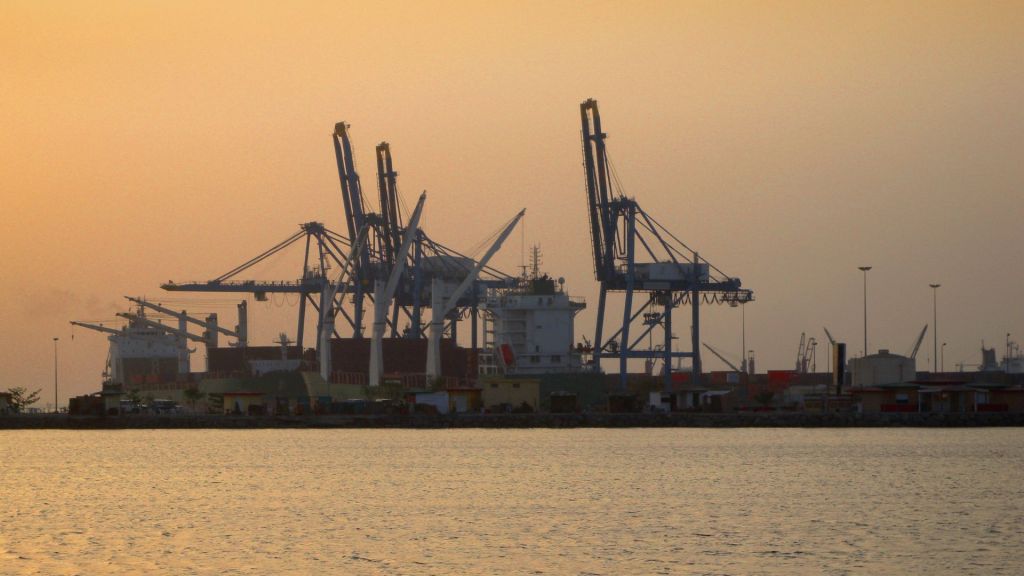
The Port of Djibouti has emerged as one of the most crucial trade nodes linking African economies with major markets abroad. Its advantageous position at the southern entrance to the Red Sea makes it an important gateway for neighboring countries, such as landlocked Ethiopia.
With extensive modern container terminal infrastructure, it directly rivals established major transshipment hubs elsewhere in East Africa and on the Arabian Peninsula. It has six specialized terminals with rail links to Addis Ababa, Ethiopia’s booming capital.
Chinese firms have massively invested in Djibouti’s port, viewing its location as a vital strategic asset for securing trade routes. Ongoing expansion plans aim to cement Djibouti as indispensable infrastructure serving as the logistics portal for East African trade flows.
History: Port of Djibouti
The Port of Djibouti is a vital hub that serves both Djibouti and Ethiopia, which is landlocked. It is located at the southern entrance to the Red Sea. Established in the late 19th century, it gained significance due to its deep-water harbor and strategic location. The port has undergone major expansions and modernizations, particularly since the 2000s. It now comprises multiple specialized terminals, including container, bulk, and oil facilities. The Doraleh Container Terminal, opened in 2009, significantly boosted capacity.
Infrastructure
It’s a strategically important port serving not only Djibouti but also as a major transshipment hub for the region, including landlocked Ethiopia. Key infrastructure elements include:
- Container terminal: Features modern container handling facilities with gantry cranes and extensive yard space.
- Bulk cargo facilities: Offers terminals for handling various types of bulk cargo, including grains and minerals.
- Oil terminal: Includes facilities for handling petroleum products and bunkering services.
- Multipurpose terminal: Houses berths and equipment for handling general and project cargo.
- Channel depth: Maintains a deep channel suitable for large container ships and bulk carriers.
- Free trade zone: Encompasses a large free trade zone to promote international trade and investment.
- Intermodal connections: Connected to the Addis Ababa-Djibouti Railway, providing crucial access to Ethiopia.
- Livestock terminal: Features specialized facilities for handling livestock exports, a significant regional trade.
- Naval facilities: Houses facilities for international naval forces, given Djibouti’s strategic location.
- Cruise terminal: Includes a passenger terminal to accommodate cruise ships.
Key Features and Statistics: Port of Djibouti, Djibouti
- Annual Cargo Tonnage: Approximately 29 million tons (combined capacity of multiple terminals)
- Container Throughput (TEUs): 900,000+ (estimated)
- Vessels Handled Annually: Approximately 3,500
- Economic Impact: Crucial to Djibouti’s economy, serving as a major transshipment hub and gateway for trade in the Horn of Africa.
- Cargo Diversity: Containerized cargo, breakbulk, bulk, liquid bulk, and livestock.
- Infrastructure: Multiple terminals, including the Doraleh Container Terminal, Doraleh Multipurpose Port, and specialized terminals for oil, livestock, and bulk cargo.
- Location: Strategically located at the intersection of major shipping routes, connecting Asia, Europe, and Africa.
- Military Base: Hosts several international military bases, including the United States and China.
- Governance: Djibouti Ports and Free Zones Authority (DPFZA)
Port of Berbera, Somaliland
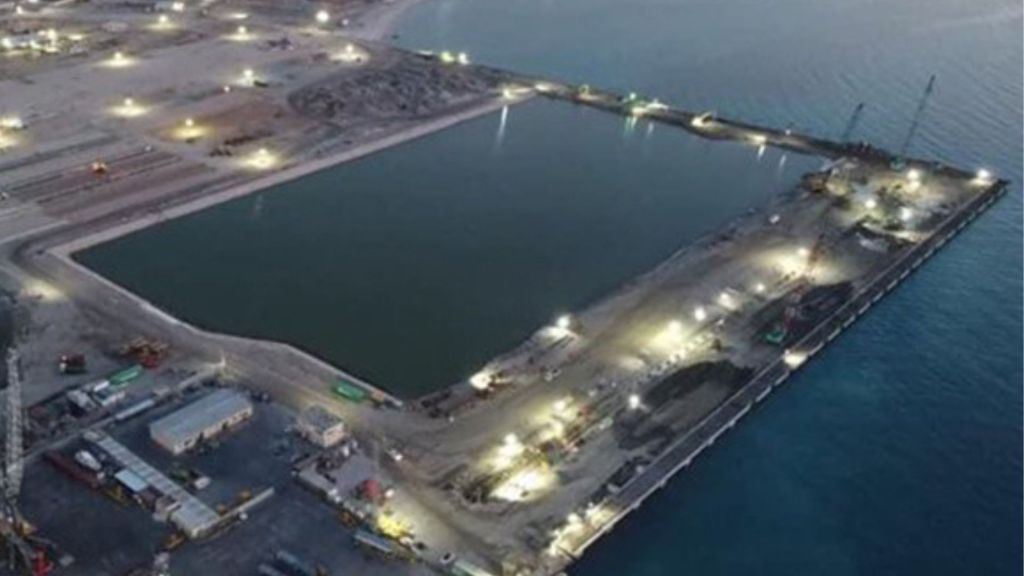
The Port of Berbera occupies a storied site along the northern Somali coastline’s Gulf of Aden – positioning it near critical global shipping lanes. Historically, it held prominence as a trading center during medieval regional kingdoms and the colonial era when it exported salt, hides, and frankincense.
Today, the Port of Berbera maintains its traditional livestock exports but now has its sights set on modernization led by Dubai-based DP World. The semi-autonomous Somaliland region aims to leverage the port as catalyst for wider economic growth.
Its strategic value has garnered investments in upgraded multipurpose facilities, economic zones, and corridor links to Ethiopia’s fast-growing export markets. When the current expansion reaches fruition, port capacities are slated to handle admiation750,000 TEUs worth of container cargo annually.
History: Port of Berbera
The Port of Berbera, located on the Gulf of Aden in the self-declared state of Somaliland, has a history dating back centuries as a natural harbor. It gained modern significance in the mid-20th century and has recently undergone major development. DP World agreed to run and expand the port in 2016, which brought it up to date in a big way. The expansion includes a new container terminal, increasing capacity significantly. Berbera serves as a key alternative port for landlocked Ethiopia, reducing dependence on Djibouti. It’s strategically positioned on the maritime route between Europe, the Middle East, and Asia. The port’s development is central to Somaliland’s economic aspirations and regional trade dynamics.
Infrastructure
International recognition of Somaliland as an independent nation is lacking despite the fact that it is an autonomous province that has proclaimed independence from Somalia. The port has been undergoing significant development and is becoming increasingly important for regional trade. Key infrastructure elements include:
- Container terminal: Features a newly developed container terminal with modern handling equipment, including ship-to-shore gantry cranes.
- Bulk cargo facilities: Offers facilities for handling various types of bulk and break-bulk cargo.
- Channel depth: Recent dredging has improved the channel depth to accommodate larger vessels.
- Berths: Includes multiple berths for different types of cargo ships.
- Storage areas: Provides extensive storage areas, including container yards and warehouses.
- Livestock terminal: Features specialized facilities for handling livestock exports, a significant part of the local economy.
- Oil terminal: Includes basic facilities for handling petroleum products.
- Intermodal connections: Connected to the Berbera Corridor, a road project linking the port to Ethiopia.
- Free zone: Plans for a adjacent free zone to promote trade and investment.
- Expanded quay: Recent expansions have significantly increased the port’s quay length.
Key Features and Statistics
- Annual Cargo Tonnage: Over 1 million tons (2022)
- Container Throughput (TEUs): Data not readily available, but growing rapidly
- Vessels Handled Annually: Approximately 1,000
- Economic Impact: Crucial for Somaliland’s economy, handling the majority of its trade.
- Cargo Diversity: Containerized cargo, general cargo, livestock, and bulk cargo.
- Infrastructure: Newly expanded container terminal with 400m of quay, a free zone, and ongoing infrastructure development.
- Location: Strategically located on the Gulf of Aden, a major shipping route connecting Asia, Africa, and Europe.
- Investment: Significant investment from DP World, a global port operator, to modernize and expand the port.
- Governance: Somaliland Port Authority and DP World Berbera (joint venture)
Port of Massawa, Eritrea
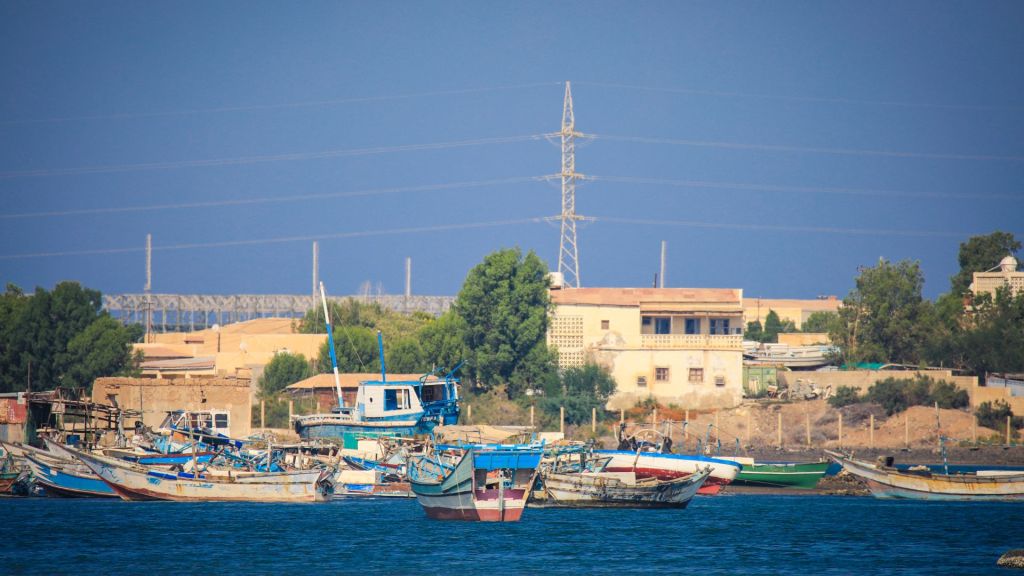
The Port of Massawa has been an important Red Sea harbor for millennia. Eritrea’s largest port occupies islands off the country’s northern coastline near highlands and the inland capital of Asmara.
Introduced in the 8th century BCE as a trading post, it figured prominently during antiquity and the Middle Ages. Today, new investments aim to rehabilitate and expand its capacities after decades of war and neglect left behind damage.
As Eritrea emerges from a turbulent period, revival of the Port of Massawa plays a vital role in its renewed economic development and integration into regional trade networks. Planned upgrades intend to position it as both a viable commercial gateway and a jumping-off point for coastal tourism.
History: Port of Massawa
The Port of Massawa, located on Eritrea’s Red Sea coast, is the country’s primary seaport with a history dating back to ancient times. It gained modern significance during Italian colonial rule in the late 19th century. The port suffered extensive damage during Eritrea’s war for independence but has since been rebuilt and expanded. Massawa serves as Eritrea’s main gateway for international trade, handling both general cargo and containers. Its deep-water harbor can accommodate large vessels, making it strategically important. The port has undergone recent modernization efforts to improve efficiency and capacity.
Infrastructure
It has a long history dating back to ancient times and plays a crucial role in Eritrea’s economy. Key infrastructure elements include:
- General cargo facilities: Offers berths and equipment for handling various types of general cargo.
- Container terminal: Features a small container handling facility, though not as advanced as some regional ports.
- Bulk cargo handling: Provides facilities for handling dry bulk cargo, including minerals and agricultural products.
- Oil terminal: Includes basic facilities for handling petroleum products.
- Channel depth: Maintains a channel depth suitable for medium-sized vessels, though limitations exist for larger ships.
- Fishing port: Houses facilities to support the local fishing industry.
- Shipyard: Features small-scale ship repair and maintenance facilities.
- Storage areas: Offers warehouses and open storage areas for various types of cargo.
- Intermodal connections: Connected to Eritrea’s road network, though rail connections are limited.
- Naval base: Includes facilities used by the Eritrean Navy.
Key Features and Statistics
- Annual Cargo Tonnage: Data not readily available, but primarily handles general cargo, bulk, and containerized cargo.
- Vessels Handled Annually: Information not readily available, but serves various types of vessels.
- Economic Impact: Crucial for Eritrea’s economy, serving as a major gateway for trade and imports.
- Cargo Diversity: General cargo, bulk cargo (cement, grains, construction materials), and containerized cargo.
- Infrastructure: Multiple berths, including container terminals, bulk terminals, and general cargo berths. Also features a shipyard for vessel repairs.
- Location: Strategically located on the Red Sea, providing access to major shipping routes connecting Asia, Europe, and Africa.
- Historical Significance: One of the oldest ports in the region, with a rich history dating back to ancient times.
- Challenges: Faces challenges due to limited infrastructure and investment.
- Governance: Eritrean Sea Ports Authority
Port of Aqaba, Jordan

The Port of Aqaba stands as Jordan’s only seaport – serving as the small inland nation’s sole maritime access out to the Red Sea and beyond. Due to its exclusive status, the port takes on heightened importance regarding exports, imports, and economic strategy. Strategically situated at the northernmost point of the Red Sea near Israel and Egypt, over admiation590% of Jordan’s trade volume flows through Aqaba. Its facilities ship key exports like potash and phosphate northward while serving as the gateway for the country’s imports.
History: Port of Aqaba
Aqaba is the only port in Jordan. It is at the northeastern tip of the Red Sea. Established in 1952, it has become crucial to Jordan’s economy as the country’s gateway to global maritime trade. The port underwent significant expansion in the 1980s and has continued to modernize. It features multiple terminals handling containers, general cargo, phosphates, and other bulk materials. Aqaba’s strategic location makes it important not only for Jordan but also as a transit point for neighboring countries like Iraq. The port is part of the Aqaba Special Economic Zone, aimed at attracting investment and promoting economic growth.
Infrastructure
It plays a crucial role in Jordan’s economy and serves as a gateway for trade in the region. Key infrastructure elements include:
- Container terminal: Features a modern container terminal with gantry cranes and extensive storage areas.
- General cargo facilities: Offers multiple berths for handling various types of general cargo.
- Bulk cargo terminals: Includes specialized terminals for handling dry bulk (such as potash and phosphates) and liquid bulk.
- Oil terminal: Houses facilities for handling crude oil and petroleum products.
- Passenger terminal: Includes a terminal for cruise ships and ferries.
- Ro-Ro facilities: Provides Roll-on/Roll-off capabilities for vehicle transport.
- Channel depth: Maintains a deep channel suitable for large vessels, including container ships and bulk carriers.
- Special Economic Zone: Part of the Aqaba Special Economic Zone, offering various incentives for trade and investment.
- Intermodal connections: Connected to Jordan’s road and rail networks, facilitating inland transportation.
- Grain silos: Features storage facilities for grain imports, crucial for food security.
- LNG terminal: Includes a floating storage and regasification unit (FSRU) for liquefied natural gas imports.
Key Features and Statistics: Port of Aqaba, Jordan
- Annual Cargo Tonnage: Over 26 million tons (2023)
- Container Throughput (TEUs): Decreased by 20% in Q1 2024 compared to Q1 2023 due to Red Sea crisis.
- Vessels Handled Annually: Information not readily available
- Economic Impact: Crucial to Jordan’s economy, handling 80% of the country’s seaborne trade.
- Cargo Diversity: Containerized cargo, dry bulk (phosphate, potash), general cargo, liquid bulk (oil, liquefied gas), and roll-on/roll-off (vehicles).
- Infrastructure: Multiple terminals, including a container terminal, bulk terminal, and general cargo berths. New Aqaba Container Terminal (ACT) opened in 2013.
- Location: Strategically located at the northern tip of the Red Sea, providing access to major shipping routes connecting Asia, Europe, and Africa.
- Tourism: Gateway to popular tourist destinations like Petra and Wadi Rum.
- Governance: Aqaba Development Corporation (ADC)
Operated under larger plans encompassing the entire Aqaba Special Economic Zone, the port aims to capitalize on Jordan’s stability and geographic location to become a regional logistics hub. Officials also intend to further develop marine leisure tourism to complement its economic activities.

Comment(01)
GOOD JOB.