Duluth, Minnesota
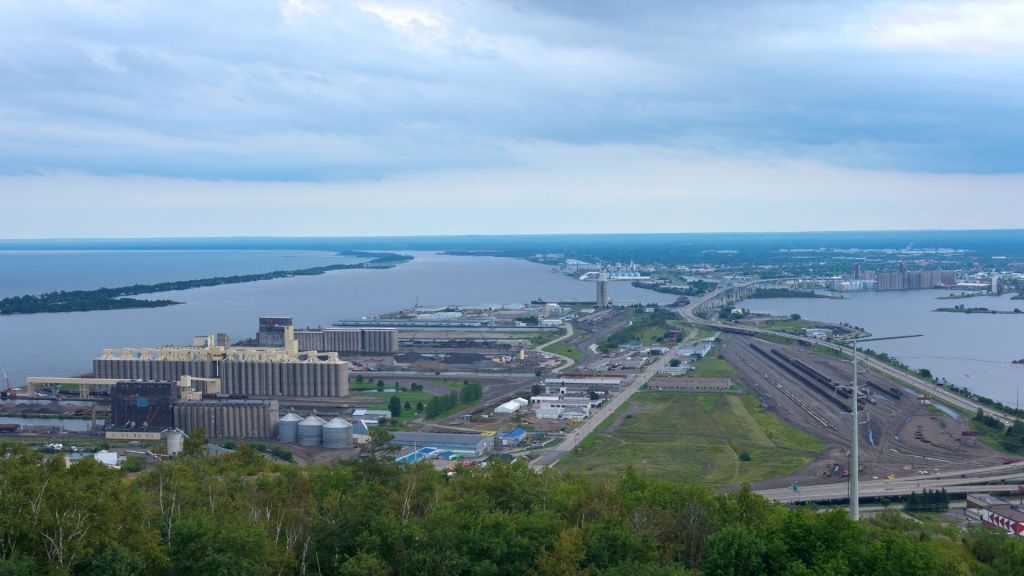
The ports of Duluth are located on the western shore of Lake Superior and linked to the Atlantic by the Great Lakes and St. Lawrence Seaway, which is 2,300 miles distant. As the largest port on the Great Lakes by physical size and tonnage shipped, facilities include over 30 major private docks, huge storage spaces, and approximately 5,000 acres dedicated to port operations. Main commodities passing through Duluth include iron ore, coal, limestone, cement, salt, wood products, steel, and agricultural goods. Millions of metric tons are transported annually, with international exports valued over $1.5 billion per year. Recently announced infrastructure renewal projects aim to support larger ships and increased cargo volumes well into the future.
Superior, Wisconsin
Directly across the harbor from Duluth lies the Port of Superior, representing a shared port complex. Superior handles primarily liquid and dry bulk products, specializing in petroleum, asphalt, and cement cargoes. It houses an array of large storage tanks and the Hallett Dock designed for cement products. As the most inland point in North America that oceangoing ships can reach, the port has strategic advantages in efficiently moving imports from coastal ports inland and sending exports abroad. With additional warehouse capacity and further upgrades planned, Superior will remain an integral part of Great Lakes shipping and commerce.
Two Harbors, Minnesota
Situated just 25 miles northeast up the shore from Duluth, Two Harbors port handles incoming iron ore received by rail from northern Minnesota mines. Its most visible feature is a nearly 2-mile long ore dock with parallel rail lines feeding into huge ore piles. Operated by Canadian National Railway, the dock’s shiploaders can fill a 10,000-ton Great Lakes freighter in under five hours via a fully automated conveyor system. On the backend, miles of additional rail infrastructure connects the port to mining regions. Positioning itself as flexible for changing market demands in the future, Two Harbors continues increasing operational capacities today.
Silver Bay, Minnesota
Roughly one hour further northeast along Lake Superior’s North Shore sits the port of Silver Bay. Owned by Cleveland-Cliffs Inc, this port specializes in exporting iron ore pellets produced from a nearby processing plant. An 85-acre storage yard and 650-foot iron ore dock with two berths give Silver Bay substantial cargo handling abilities. Its dock features adjustable chutes and shiploaders to pour directly into a waiting ship’s hold, capable of loading at 16,000 tons per hour. While fluxuating with economic conditions over time, Silver Bay maintains essential Great Lakes shipping lanes for raw materials suppliers.
Marquette, Michigan
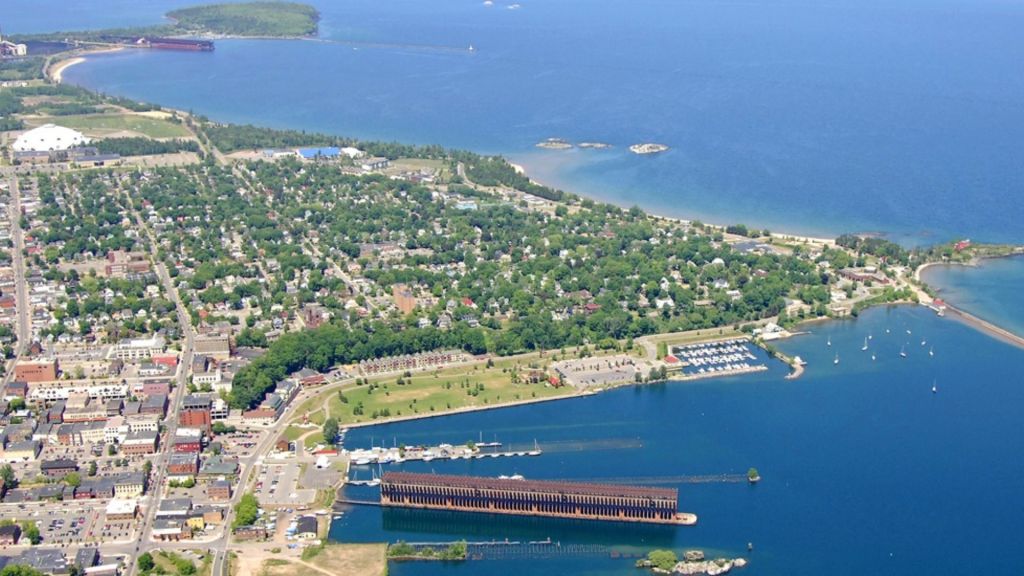
On the Upper Peninsula side of Lake Superior lies Marquette port, exporting iron ore and related products for over 150 years. Itsstrategicposition near inland iron ranges made it a natural early Great Lakes shipping hub. The Upper Harbor ore dock located northwest of downtown Marquette provides storage and loading facilities for transporting iron ore destined for steel production markets. Meanwhile, the Lower Harbor contains another dock handling incoming coal and limestone, materials used in steelmaking. As home to Northern Michigan University’s respected maritime academy training ship captains and crews, Marquette will likely remain an iron shipping stronghold into the future.
Escanaba, Michigan
Tucked away on Little Bay de Noc in Michigan’s Upper Peninsula, the Port of Escanaba ships iron ore, limestone, and other bulk products to Great Lakes steel facilities and construction enterprises. The CN Dock has an impressive conveyor system with storage piles, railcar unloaders, and shiploading apparatus to handle cargoes. Nearby, the Sand Products Corporation and US Oil also maintain waterfront facilities. In addition to outbound mining materials, Escanaba also receives coal and liquid asphalt shipments. With the Domtar paper mill situated only seven miles away in Escanaba, forest products represent important outbound cargoes as well. Thus Escanaba sustains diverse shipping lanes despite its relatively remote locale.
Green Bay, Wisconsin
Located close to the point where the Fox River empties into Lake Michigan, the Port of Green Bay has been a stop for commercial ships since the 1800s. Historically focused on lumber and local manufactured goods, today’s activity includes both domestic and international inbound and outbound cargoes. On the inbound side, oceangoing ships deliver Australian and Canadian limestone, Colombian coal, German potash, and Canadian salt to Green Bay’s terminals. Outbound ships transport Wisconsin-produced commodities like paper, potatoes, peas, turbines, and manufactured cement to national and global markets. With extensive water, rail, and interstate access, Green Bay provides a strategic interchange linking waterborne, overland, and international trade flows.
Milwaukee, Wisconsin
As the largest port on Wisconsin’s Lake Michigan coastline, the Port of Milwaukee handles a highly diverse range of cargoes. Its facilities include specialized grain loading equipment, liquid storage tanks, ro-ro ramps, and heavy lift pads for project cargoes. Grain exports make up a substantial portion of outbound shipments, including corn, soybeans, and wheat destined to feed global populations. On the inbound side, steamship lines connect Milwaukee with ports worldwide resulting in steel, machinery, oils, fertilizers, and various imported products arriving on its docks. As home to iconic breweries like Miller and Pabst, barley malt and hops also pass through for the making of beer. With strategic access to regional markets, Milwaukee moves goods integral to both commercial trade and community needs.
Burns Harbor, Indiana
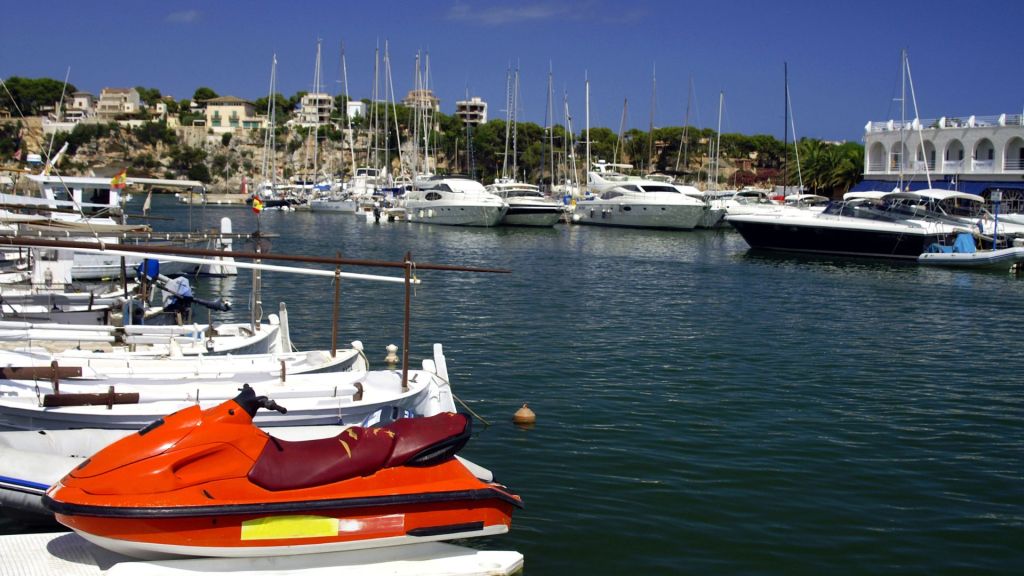
Operated by Ports of Indiana, Burns Harbor constitutes a major Great Lakes and international shipping hub. With three harbors covering over 1,700 acres, facilities include steel handling equipment, warehouses, tanks, and intermodal access. Situated only 7 miles from Gary Works Steel Mill, Burns Harbor imports steel slabs while exporting finished products abroad, representing a circular supply chain. As the second busiest port on the Great Lakes by tonnage, it also serves Midwest power plants, chemical plants, refineries, and construction industries with raw materials. Through advantageous proximity to inland supply chains and positioning only 34 miles from downtown Chicago, Burns Harbor drives immense economic activity.
Efficient waterborne transportation has long served community needs and fueled economic growth across North America’s heartland, with the Great Lakes marking a natural shipping corridor. Looking ahead, while addressing environmental impacts, these ports outlined will likely continue developing improved technologies and infrastructure to ship raw commodities, finished products, and consumer goods well into the future. From traditional bulk ores and grains to wind turbine parts and specialty equipment, Great Lakes ports form crucial intersections between water and land-based supply chains.