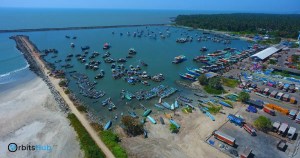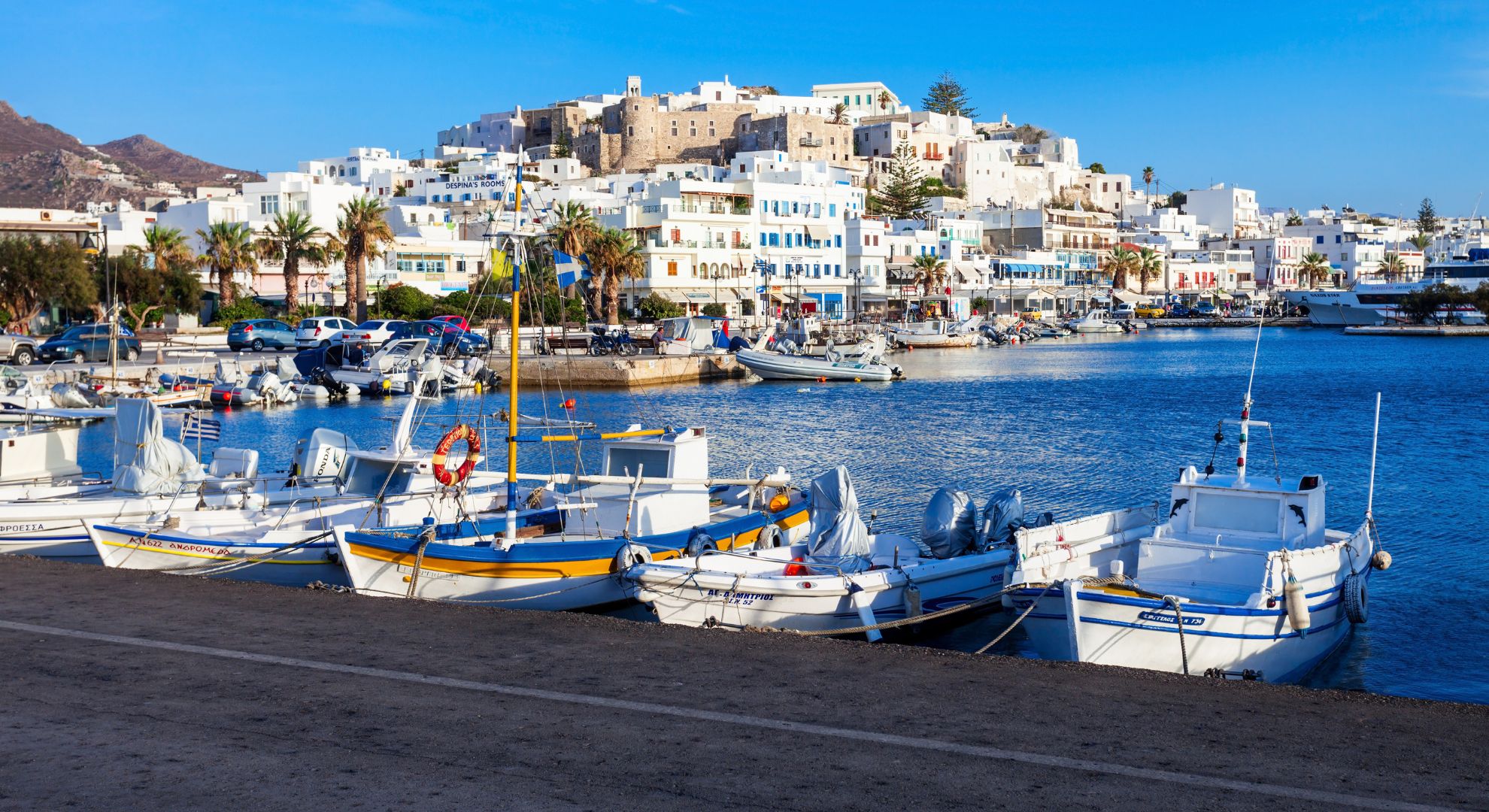
Port of Mombasa, Kenya
The Port of Mombasa is a significant deepwater port located along Kenya’s southeastern Indian Ocean coastline. Historically, it has been a bustling trading hub, flourishing in the 18th century with the arrival of Portuguese sailors and Arab traders.
Today, Mombasa’s port has evolved into a modern facility, processing a wide range of cargo types, including dry cargo, liquid bulk, and containerized cargo. It also serves as a tourism hotspot, accommodating cruise ships at its dedicated passenger berths. Notably, this port also caters to the maritime trade of inland African countries such as Uganda, Burundi, Rwanda, eastern Congo, Ethiopia, and Sudan.
Port of Suez, Egypt

Situated on Egypt’s northern coast, the Port of Suez is a significant maritime gateway. It boasts three harbors – the Abadiya, Ain Sokhna Port, and Tawfiq Port – and is connected to major cities like Cairo and Port Said through extensive transportation networks.
Historically, Port Suez has been a significant trading post, with an ancient canal system linking the Nile Delta to the Suez Gulf. Today, it is a thriving port with extensive facilities for accommodating a variety of cargo ships and passenger vessels. In addition, Port Suez is a popular tourist destination recognized for its calm waters and sand beaches.
Port of Durban, South Africa
The Port of Durban is the largest and busiest commercial facility on South Africa’s eastern coastline. It manages approximately 60% of South Africa’s trade revenue and is visited by over 5000 ships every year.
Durban’s port infrastructure includes a sizeable container terminal, a multipurpose terminal, a car terminal, and a dedicated wharf for handling various commodities. It’s a crucial transshipment hub serving the eastern African region and the Indian Ocean Islands and is equipped with state-of-the-art facilities for efficient cargo handling.
Port of Lagos, Nigeria
The Port of Lagos, located in Lagos State, Nigeria, is the country’s most prominent port and the earliest port settlement. It is a crucial maritime gateway that manages more than 40% of Nigeria’s seaborne trade.
The port has undergone significant transformations over the years, evolving from a basic port establishment in 1921 to a modern facility equipped with the latest equipment and semi-mechanized terminals. Their intermodal facility, which can accommodate oversized and heavy cargo, gives the Port of Lagos a competitive edge over other African ports.
Dar-es-Salaam Port, Tanzania

Tanzania’s most important port is Dar es Salaam, in East Africa. It is capable of managing an impressive volume of cargo, including dry bulk and liquid cargo.
Convenient freight connections to and from Eastern and Central Africa are offered by the port of Dar es Salaam. Major ports in Australia, Europe, America, and the Middle East are also connected to it. It has emerged as a vital transshipment hub, serving the landlocked nations of Zambia, Congo, Malawi, Burundi, and Uganda.
Port of Abidjan, Ivory Coast
Abidjan, the principal seaport of Cote d’Ivoire, is one of the most prominent African ports. It serves as a strategic hub for the export of a range of agricultural produce, including cocoa, cotton, coffee, and timber.
Abidjan’s port infrastructure includes a container terminal, an oil terminal, and a fishing terminal. It also boasts a grain terminal that processes a significant volume of wheat annually. The port’s impressive facilities and strategic location make it a crucial player in the region’s maritime trade.
Port of Beira, Mozambique
Located at the confluence of the Punge and Buzi rivers, Beira Port is a vital transshipment hub serving Zimbabwe, Botswana, Zambia, and Congo. It features a modern container terminal and a general cargo terminal known for handling a diverse range of dry cargo and breakbulk.
Beira port’s strategic location and well-equipped facilities have made it a crucial player in the region’s maritime trade. It is directly connected to major global trade routes, offering convenient freight linkages to and from Eastern and Central Africa.
Port of Tanger Med, Morocco
Tanger Med port, located on the Gibraltar Strait near Tangier, Morocco, is the largest port in the North African region. It boasts two container terminals, a RORO terminal, grain handling facilities, and a passenger port.
Tanger Med port handles more than half of Morocco’s international maritime trade and is the busiest port in the country. It ranks as the 24th largest container facility globally and is linked to over 180 ports across 70 countries.
Port of Walvis Bay, Namibia

Walvis Bay, located near the coast of Namibia, is a natural harbor and the biggest cargo port in the country. It oversees a variety of cargo kinds, including containers, breakbulk, liquid bulk, and general cargo, thanks to its renovated infrastructure and cutting-edge port machinery.
This port services various industries, including salt, petroleum, seafood, and mining activities, by exporting the finished products produced in these regions. It contributes significantly to the development of local fisheries and is a crucial player in the country’s economic development.
Port of Djibouti, Republic of Djibouti
The Port of Djibouti, which is situated on the southern edge of the Gulf of Tadjoura, is a significant hub for regional transshipment as well as the main port for the country. Situated near strategic shipping routes that cross Europe, Asia, and Africa, it caters to a market of more than 350 million people and 19 countries.
The Doraleh multipurpose port, the Port of Tadjourah, and the Damerjog Livestock Port comprise the three subsidiary facilities that make up the port. These facilities play a major role in the maritime trade of the region by handling a wide variety of cargo types.