

Port of Vancouver
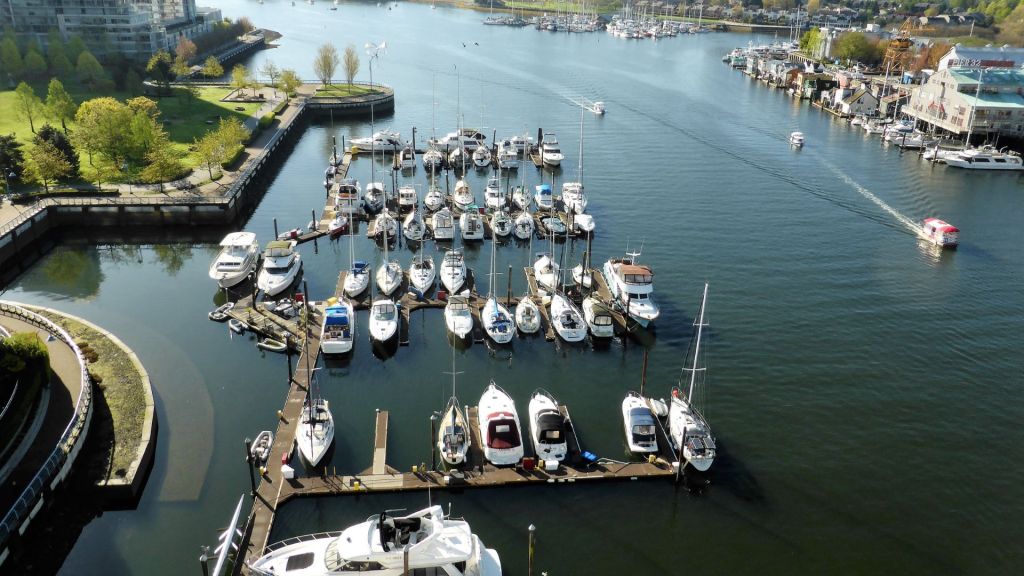
Situated in British Columbia along the nation’s west coast, the Port of Vancouver inhabits a prime locale to undertake extensive exchanges with prominent Asia-Pacific economies. This bustling harbor serves as Canada’s predominant port, having dispensed 147 million metric tons of bulk and containerized merchandise in 2021 alone. Major commodities exported include grain, potash, sulfur, coal and lumber, while key imports encompass finished goods, machinery, construction supplies and consumer products. With record-breaking container traffic of over 5 million TEUs (twenty-foot equivalent units) handled at its state-of-the-art intermodal facilities in 2022, the Port of Vancouver solidified its position as Canada’s leading gateway for Asian trade.The ongoing prosperity and advancement of British Columbia relies heavily on this principal portal linking vital domestic supply chains with vital global consumers.
Port of Montreal
Stationed on the Saint Lawrence River in Quebec province, the Port of Montreal has stood as an integral hub of maritime activity for over five centuries. Its advantageous inland location enables vessels to navigate directly to industrial regions throughout the Great Lakes and Canada’s interior. As Canada’s second largest port, Montreal moves vast amounts of cargo annually, including chemicals, vehicles, machinery, metals, oil, produce and forest products. In 2021 it processed over 41 million metric tons of freight and 1.8 TEU million containers, retaining 2nd place among the nation’s container ports. The Port of Montreal serves as the preeminent logistical platform for Quebec, facilitating valuable trade connections that bolster provincial economic progress.
Port of Prince Rupert
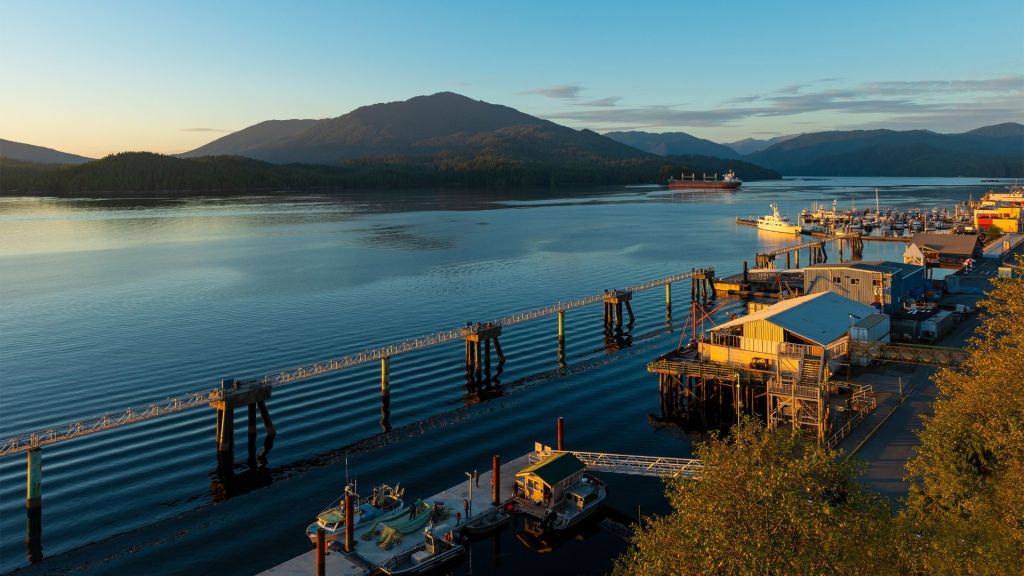
The Port of Prince Rupert, occupying a site in northern British Columbia, has rapidly ascended in rank among Canada’s major ports. Its deep natural harbor and position along vital Asia-Pacific shipping corridors have fueled massive expansions in capacity over recent years. Established terminals efficiently load imports like machinery, minerals, chemicals and forestry items, and export abundant regional resources such as grain, potash, pellets and lumber abroad to lucrative markets. Further intensified operations following the addition of a second container berth have also earned Prince Rupert recognition as the third largest container port in Canada when gauging TEU throughput. By delivering a vital gateway for cargo distribution throughout central and western provinces, the Port of Prince Rupert promises to substantially benefit domestic supply chains and stimulate localized economic prosperity.
Port of Halifax
The Port of Halifax constitutes a prominent maritime hub on Canada’s east coast due to its deep, ice-free approaches and vast network of on-dock rail links. Serving as the principal winter gateway to the nation, Halifax retains exceptional connectivity to all locales throughout eastern Canada and the central United States via partnerships with CN and CSX railways. The Port of Halifax accommodates numerous vessels transporting commodities that include energy products, autos, perishable items, project cargo and containerized freight. Moreover, its exceptional geographic position marks Halifax as the first inbound port of call in Canada when approaching from the North Atlantic, enabling profound economic impacts through countless cargo operations annually. By fostering vital trade routes between Canada and global markets, the Port of Halifax delivers lasting advantages for local industries and the overall national economy.
Port of Toronto

Toronto’s unique Port operations, centralized along Lake Ontario, play an integral role in regional commerce through varied facilities spread across Toronto Harbour and the mouth of the Don River. This complex seaport contains multiple public and privately operated terminals meeting the extensive cargo handling requirements of Canada’s most populous city. Key imports that pass through Port of Toronto infrastructure include aggregates, sugar, cement, salt and fertilizers, while exports encompass grain and wind energy components. Recent modernization projects exceeding $1.8 billion have effectively reinforced critical transportation networks benefitting commercial interests throughout the Greater Toronto Area. By actively investing in essential infrastructure upgrades, the Port of Toronto aims to maintain premier status as an economic powerhouse driving prosperity throughout the province of Ontario.
Port Alberni
Sheltered deep within Barkley Sound on Vancouver Island’s rugged west coast, Port Alberni offers a safe haven for vessels traversing intricate North Pacific waters. The port’s main Alberni Inlet provides easy connectivity to protected harbors at Coal Creek and China Creek, ideal locales equipped for loading lumber and pulp freight produced by British Columbia’s forestry sector. After undergoing significant berth improvements and channel deepening to bolster capabilities, the Port of Alberni now accommodates deeper draft Panamax ships and enhanced processing of forest products, steel and project cargoes. By delivering robust maritime infrastructure supporting regional exporters, Port Alberni generates profound economic benefits across multiple industries, in addition to sustaining high-paying employment opportunities. Environmental stewardship constitutes a priority as well, with sustainability initiatives having curtailed emissions by over 25 percent.
Port of Thunder Bay
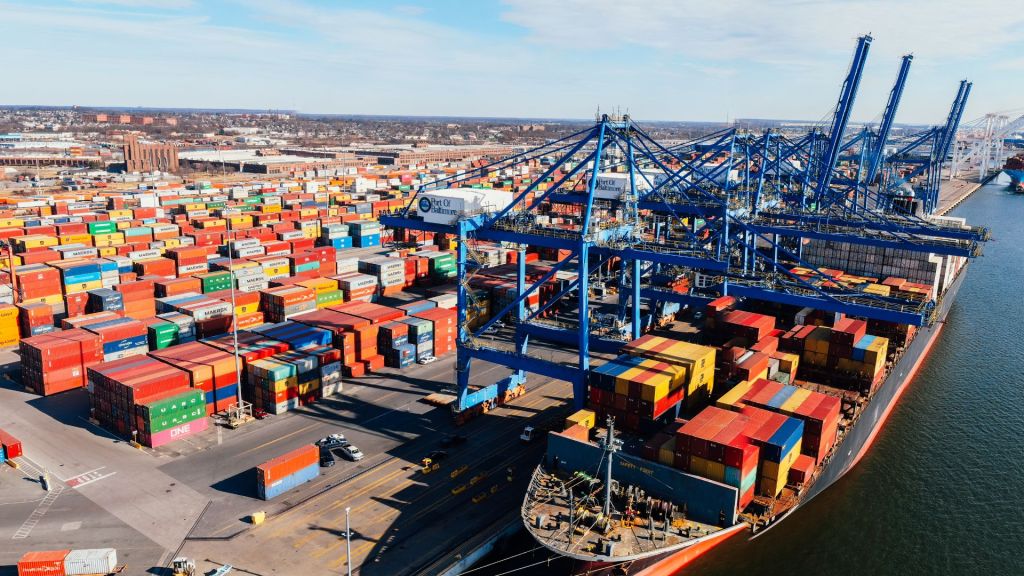
Positioned along the northwestern shore of Lake Superior, Thunder Bay’s port has played an historically vital role in Ontario shipping since the late 19th century. As the largest Canadian port situated on the Great Lakes-St. Lawrence Seaway, it offers extensive docks, terminals and storage facilities tailored to handle flows of cargo to and from North American heartlands. Grain shipments occupy the main volume passing through Thunder Bay, with the port serving as Canada’s leading export hub for wheat and other agricultural products. Port infrastructure also handles a diversity of cargo such as potash, coal, salt, wind turbine components and general freight. By harnessing beneficial geographic location and modernizing its operational capacity over decades, the Port of Thunder Bay remains essential for Ontarian international trade and upholds indispensable connections to national rail and highway networks.
Port of St. John’s
As Newfoundland and Labrador’s key maritime gateway to the world, the Port of St. John’s has capably served Atlantic Canada through centuries of social and economic upheaval. Strategically positioned on the Avalon Peninsula with proximity to major shipping lanes, the port readily accepts vessels carrying vital energy commodities, general freight and consumer goods required by the province. Millions of barrels of crude oil and related petroleum products arrive at St. John’s annually to supply refineries and distribution networks across Newfoundland and Labrador. The port also exports abundant provincial resources like concentrates from rich iron ore deposits and vast seafood harvests from regional fisheries. By leveraging geographic advantage and modern port infrastructure to keep local industry humming, the Port of St. John’s significantly bolsters employment and prosperity across Newfoundland.
Port of Trois-Rivières
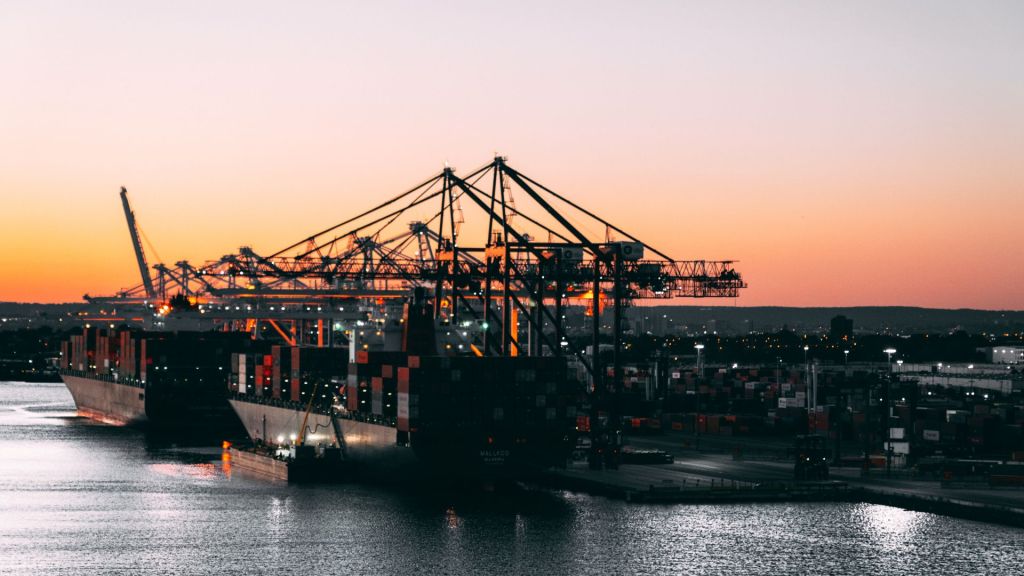
The thriving industrial port operations based in Trois-Rivières, Quebec support regional aluminum smelters and forestry product manufacturers that produce substantial export volumes each year. Established along the scenic Saint Lawrence River’s north shore, Port of Trois-Rivières offers strategically located terminals granting easy transport access to industrial sectors across Quebec and central Canada. Major port facilities currently handle over 2.5 million metric tons of cargo annually, consisting chiefly of aluminum ingots and lumber. With wharf expansions and warehouse construction projects underway, the Port of Trois-Rivières aims to considerably augment capacity for further growth over forthcoming years. By modernizing infrastructure and accommodating escalating freight volumes from local enterprises, this emerging port looks to significantly bolster economic productivity and job creation throughout the Mauricie region.
Port of Belledune
Located northeast of Bathurst in northern New Brunswick, operations at the Port of Belledune play a key role in exporting valuable regional resources to international markets. Its extensive bulk cargo terminals handle sizable volumes of coal, lead and zinc concentrates extracted from nearby mining complexes and quarries. As Atlantic Canada’s northernmost ice-free port with deep-water berths, Belledune offers vital transportation connections that benefit the prosperity of inland industrial sectors. With an array of infrastructure projects slated to expand export capabilities in coming years, the Port of Belledune intends to stimulate increased commercial activity supporting northern New Brunswick’s vital mining, smelting, agriculture and forestry enterprises. By actively investing in essential port infrastructure and accommodating soaring export demand worldwide, Belledune promotes lasting regional economic progress.
Canada relies profoundly on efficiently functioning port infrastructure to sustain engagement in global trade and commerce. The nation boasts an exceptional network of diverse maritime terminals well equipped to exchange imported essentials and exported resources that keep supply chains humming. With remarkable capacity expansions underway at numerous facilities, Canadian ports are gearing up to welcome escalating freight volumes and serve emerging business opportunities into the foreseeable future. By continually preparing premier transportation hubs like Vancouver, Montreal and Prince Rupert to accept ever-larger vessels, while concurrently modernizing smaller regional ports to bolster local prosperity, Canada’s ports are sure to maintain repute as foundational pillars upholding national and international economic advancement.


Comments(03)