Geographic Location and Existence

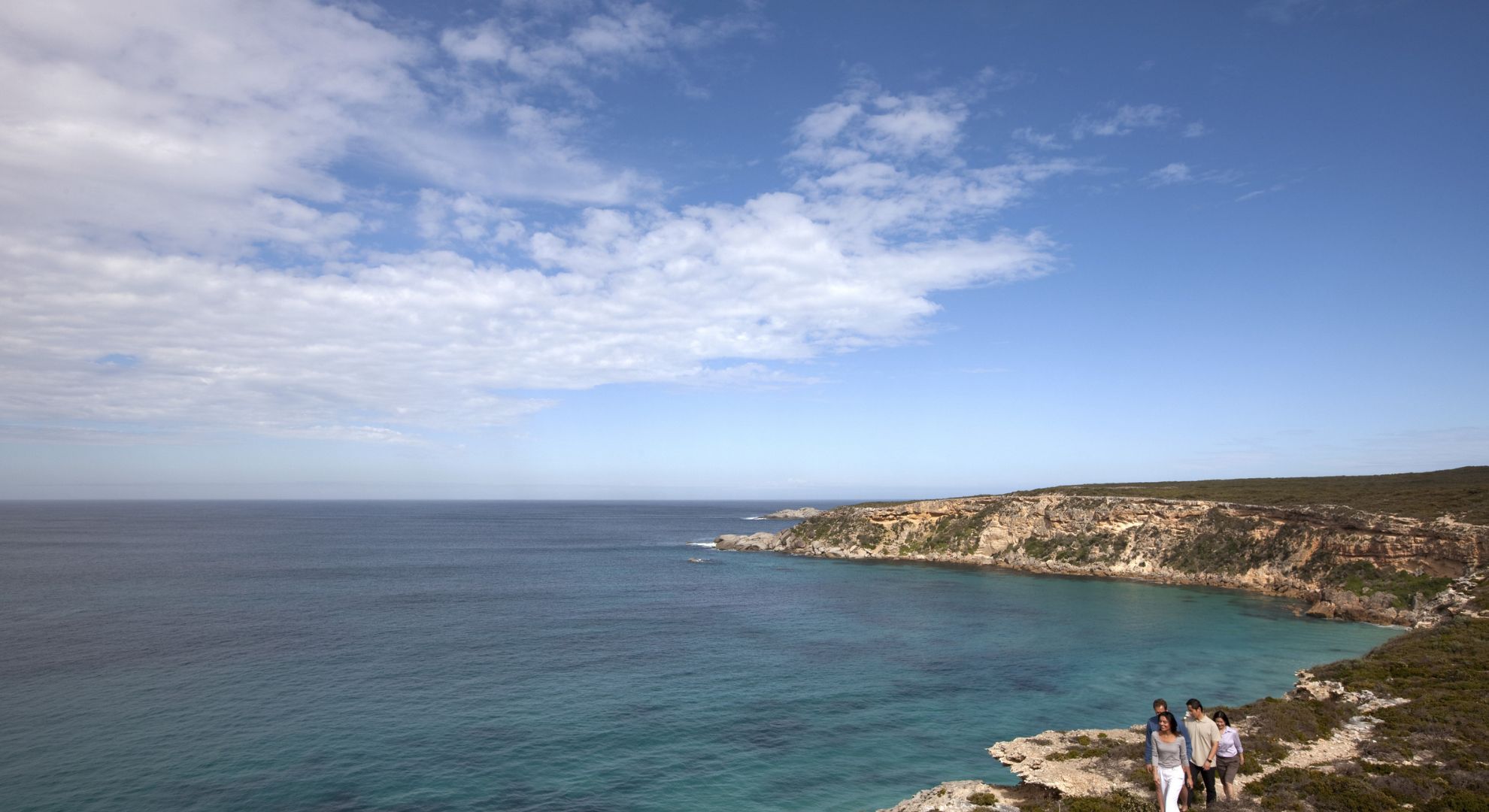
Positioned at the planet’s southernmost point is the Southern Ocean, sometimes called the Antarctic Ocean. Its waters are found south of the 60-degrees-south latitude. However, its existence has been a contentious issue since the late 18th century. Some cartographers believe the Southern Ocean is merely an extension of the Pacific, Atlantic, and Indian Oceans. Accordingly, the Southern Ocean’s boundaries are not clearly defined despite efforts from the international community to establish them.
Size and Drifting Nature
The Southern Ocean, with an area of about 7.8 million square miles, is the world’s fourth-largest ocean. Intriguingly, the size of the Southern Ocean is not fixed, as it is believed to be drifting a few inches each year. This drifting is thought to be caused by the spreading of the seafloor, but this theory has not been conclusively proven.
Unique Geology and Hydrology
About 30 million years ago, the Southern Ocean was formed when the Drake Passage was created due to the separation of South America and Antarctica. According to geological standards, this means that the Southern Ocean is the most youthful ocean in the world. In addition, the Antarctic Circumpolar Current makes the Southern Ocean’s water move quickly around Antarctica, giving it a unique characteristic compared to other oceans.
Extreme Weather Conditions
Given its proximity to the South Pole, the Southern Ocean experiences extremely harsh weather conditions. Extremely low sea temperatures—anything from -2 degrees Celsius to 10 degrees Celsius—rarely go above freezing.
Depth and Natural Resources
At depths of 13,000 to 16,000 feet, the vast bulk of the Southern Ocean lies. The deepest point in the Southern Ocean, at 23,740 feet, is the South Sandwich Trench. Scientists think there are huge mineral deposits (including gold and manganese nodules) and petroleum and natural gas beneath its waters.
Gigantic Icebergs
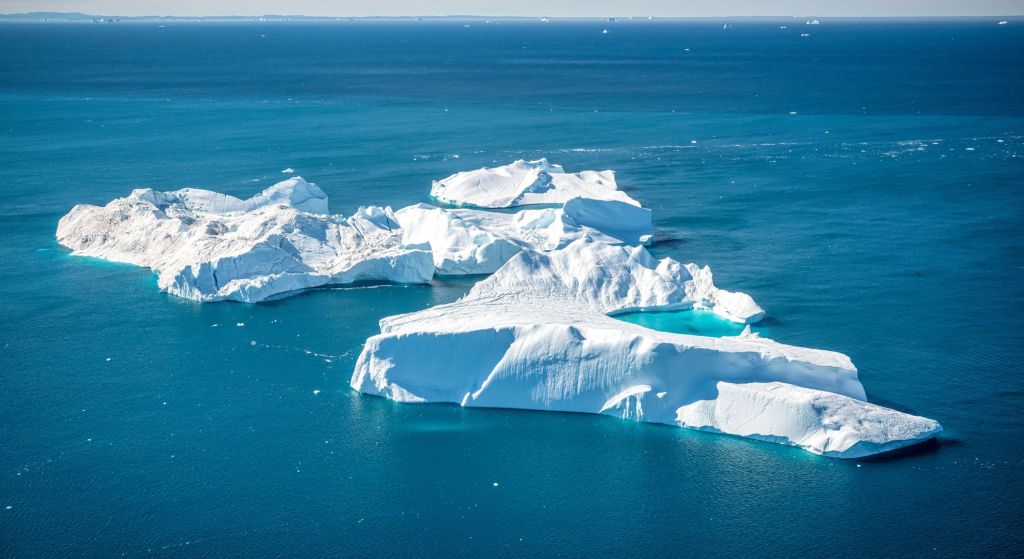
The Southern Ocean is known for its gigantic icebergs due to its proximity to the South Pole. These icebergs contain significant amounts of freshwater, which could provide enough water for the world’s population for several months. However, these icebergs pose a considerable risk to ships navigating the Southern Ocean.
Subdivisions
According to the International Hydrographic Organization, the Southern Ocean is made up of 17 subdivisions. These include the Bransfield Strait, the Drake Passage, the Bellingshausen Sea, and the Weddell Sea, among others.
Rich Biodiversity
Despite the cold, the Southern Ocean is a haven for many marine species. Marine mammals such as orcas, leopard seals, Antarctic fur seals, and the largest animal in history—the blue whale—call this area home. The Southern Ocean also hosts a variety of bird species, including several species of penguins, albatrosses, terns, and gulls.
Ports and Harbors

Although located in one of the most remote regions of the earth, the Southern Ocean has several ports and harbors. Some of the major ports include the Mawson Station, the Palmer Station, and the Rothera Station.
Environmental Concerns
The Southern Ocean faces several environmental challenges. The primary productivity of phytoplankton has declined by around 15%, which is alarming as phytoplankton is the main food source for krill, a keystone species of the Southern Ocean ecosystem. Moreover, increased solar radiation due to an ozone hole in Antarctica has led to alterations in the DNA of some fish species.