Diverse Marine Life

A. Coral reefs
The Gulf of Mannar contains Southeast Asia’s richest coral reef formations. Reef building corals from the families Acroporidae and Poritidae are widely distributed across the Gulf. These heat-sensitive corals provide crucial habitat to countless marine species. However, coral bleaching events have been caused by increasing ocean temperatures, endangering these delicate ecosystems.
B. Fish
A colorful variety of angelfish, butterflyfish, groupers, snappers, and barracudas inhabit the Gulf’s coral gardens. Commercial species like tuna, mackerel, sea bass, and shrimp are caught by local fishing fleets. Overfishing remains an ongoing challenge to the sustainability of fish stocks.
C. Crustaceans
Giant tiger prawns thrive in these productive seas, supporting an active shrimp fishery. Land crabs and hermit crabs crawl along sandy shores, while edible marine crabs like mud crabs and spider crabs are harvested for food.
D. Mollusks
From pearl oysters to edible mussels, clams, and rock oysters, mollusks comprise a vital component of the Gulf of Mannar’s marine biodiversity. Their durable shells also wash up commonly along beaches.
E. Sea snakes
Venomous sea snakes like the yellow-lipped sea krait frequent the Gulf’s coral beds, surfacing occasionally to breathe air. They play an important role controlling fish populations.
F. Sea turtles
Endangered green sea turtles feed on the Gulf’s seagrass beds and olive ridley turtles occasional swim these waters. Both species nest along the mainland coasts.
G. Aquatic plants like seagrass
Thick seagrass meadows form critical feeding and breeding habitat for many species. But trawler fishing, pollution, and climate impacts threaten their survival.
Grouper of Islands
A. 21 islands in total
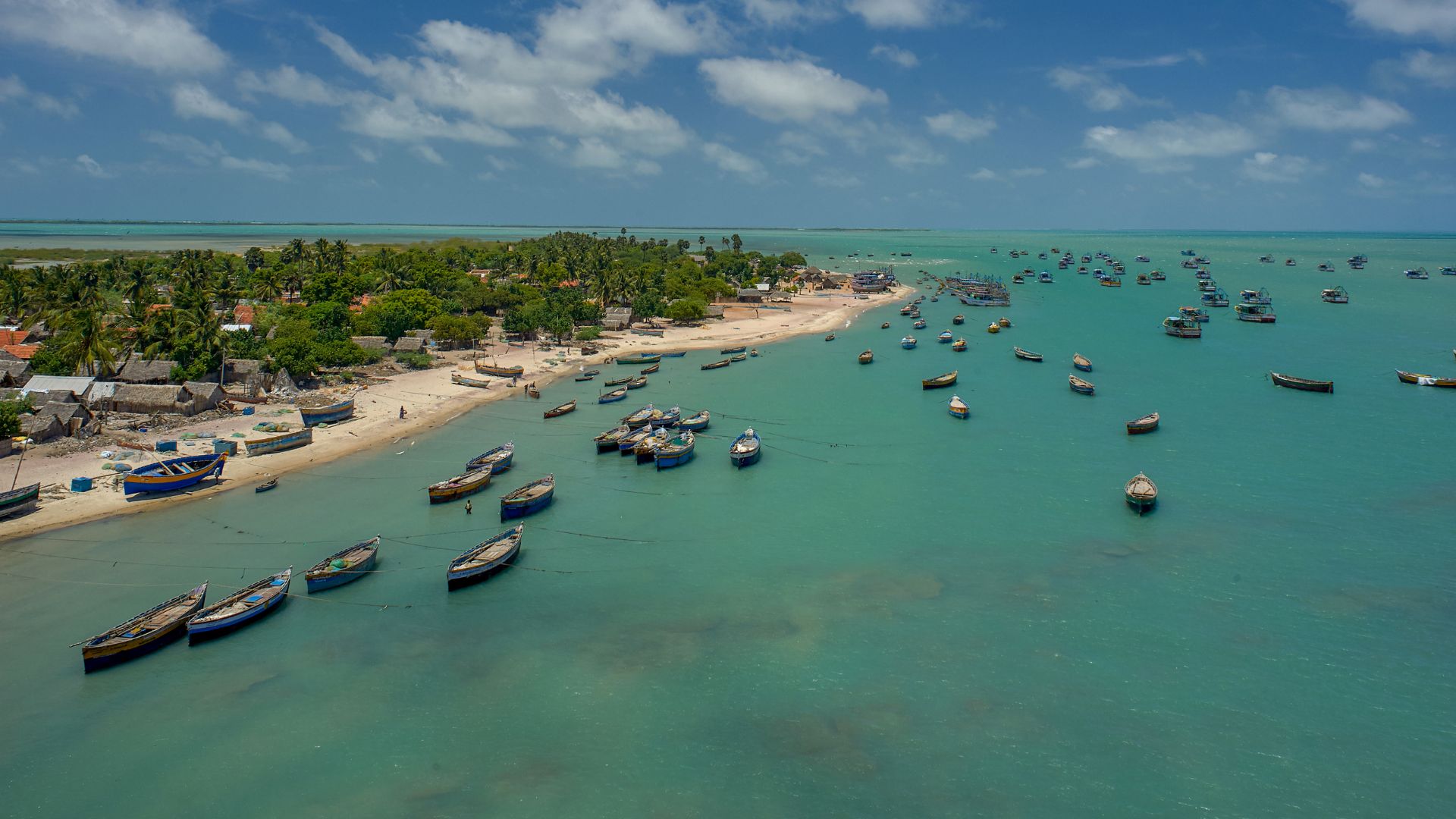
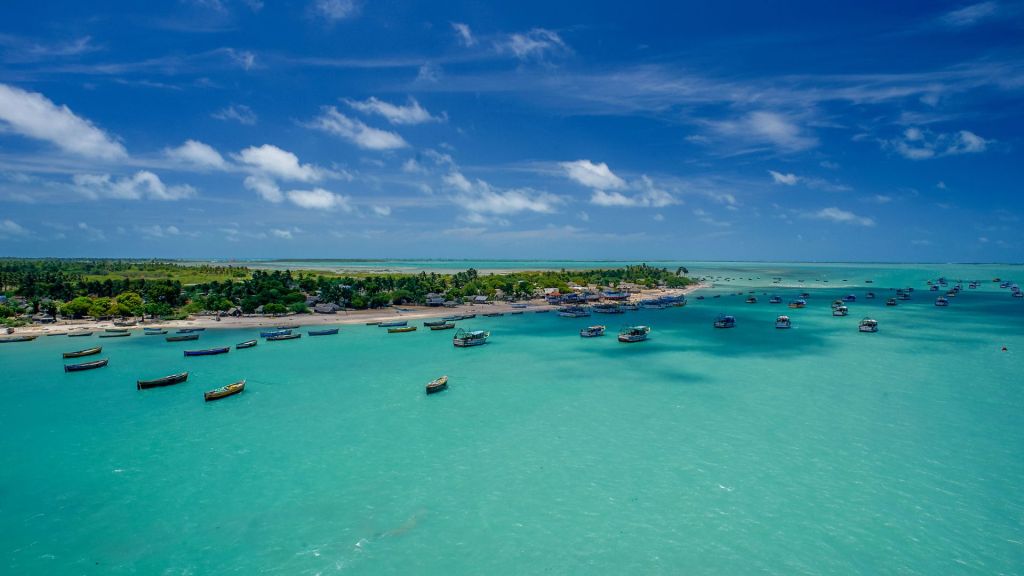
The Gulf contains 21 small islands, each less than one square kilometer surrounded by fringing coral reefs. This tropical archipelago cluster presents a visually stunning seascape.
B. Uninhabited islands
Humans do not reside on the islands, offering an undisturbed sanctuary for nesting seabirds. Only visiting fishermen occasionally camp on their sandy beaches.
C. Surrounding the mainland
The islands parallel the south Indian coastline, enclosing an area of about 10,000 square kilometers featuring shallow seas.
Impact of Climate Change
A. Rising water temperatures
As climate change accelerates, average and extreme ocean temperatures increase. This heat stress causes coral bleaching events, reducing reef health.
B. Coral bleaching
When corals become heat stressed, they expel their algal symbionts and turn ghostly white. Prolonged warming events can lead to widespread coral death.
C. Loss of marine habitats
The Gulf’s seagrass meadows and coral reefs risk collapse from frequent and extreme marine heat waves fueled by climate change. Their loss threatens countless species with extinction.
Conservation Efforts
A. Gulf of Mannar Biosphere Reserve
To protect biodiversity, the region became an internationally recognized UNESCO biosphere reserve in 2002. This highlights the area as an ecological treasure requiring safeguarding.
B. Restoration initiatives
Efforts are underway to restore degraded coral reefs and seagrass meadows. This includes growing and transplanting cultivated coral fragments and seagrass plugs to rehabilitate damaged areas.
C. Sustainable fishing practices
Stricter fishing regulations now seek to control overexploitation by mandating minimum catch sizes and banning destructive practices like bottom trawling. These promote recovery of depleted fish stocks.
D. Community engagement
Coastal villages play a vital role as stewards, with growing participation in conservation activities. Their livelihoods depend directly on the Gulf’s ecological health.
Eco-Tourism Potential
A. Scuba diving
The Gulf’s clear waters offer outstanding visibility to scuba dive among coral bommies and encounter moray eels, reef sharks, and schools of snappers. Strict dive operator regulations prevent further habitat damage.
B. Snorkeling
Donning mask and fins to snorkel across coral shallows grants access to a menagerie of butterflyfish, angelfish, anemones, and parrotfish. Care must be taken not to contact the fragile reef.
C. Wildlife photography
Photographing the Gulf’s diversity of marine creatures and seascapes provides income to local boat operators. This promotes conservation, since intact ecosystems have greater tourism value.
Historical Significance

A. Maritime trade route
Ancient maritime powers like the Cholas establishes trade routes through the Gulf of Mannar linking India with Southeast Asia and the Middle East. Pearl fisheries thrived and spices were shipped overseas.
B. Ancient seaports
Flourishing sea trade led to the establishment of busy ports like Korkai where exotic goods flooded in and temple architecture bears testament to the prosperity this commerce generated.
C. Temples and architecture
Imposing temples were constructed along the coast in centers like Thiruchendur. Stone carvings depict ships, indicating the importance seafaring held in the culture.
Unique Geological Formations
A. Limestone shoals
The Gulf’s seafloor morphology includes extensive limestone shoals or rocky shallows dropping off into deeper basins, creating ideal habitat for rich reef growth.
B. Patch reefs
These isolated coral reef bommies arise like oases across the Gulf’s landscape where rock outcrops offer foundations for coral growth. Fish swarm about these lagoons.
C. Sandy beaches
Sandy beaches fringe many mainland shores and islands, characterized by palm groves and migrating land crabs. Nesting turtles frequent these quiet shores.
Economical Importance
A. Fishing industry
The Gulf’s fisheries provide livelihoods for over 200 surrounding villages and seafood to global markets. But sustainability requires ending overexploitation.
B. Salt production
Traditional salt pans continue producing salt through evaporation along coastal stretches like Marakkanam, Vedaranyam, and Thoothukudi. This ages-old cottage industry persists today.
C. Seashell trade
The Gulf’s abundance of colorful seashells, especially cowries, supplies the shell craft industry. Their harvesting must be managed to prevent overcollection.
Cultural Significance
A. Hindu mythology about creation
Hindu scriptures detail legends about the Gulf’s origins in a great flood and how Lord Rama built Rameswaram’s temple to worship Lord Shiva. These beliefs infuse the waters with cultural meaning.
B. Religious rituals
Temple festivals occur annually while pilgrims sponsor ceremonial offerings like rafts bearing oil lamps and milk pots to honor the sea gods and temple deities.
Ongoing Scientific Research
A. Species documentation
Surveying and cataloguing the Gulf’s biodiversity remains an ongoing mission for researchers as new species records continue being documented in these complex ecosystems.
B. Ecosystem monitoring
Scientists track coral bleaching episodes, changing marine heat waves, fish catches, and seabird populations to monitor ecosystem health and establish baselines.
C. Sustainable development
Interdisciplinary teams investigate how communities can adaptively address challenges like climate change, overfishing, and pollution to transition towards sustainability.
Conservation Challenges
A. Overfishing
Rampant overexploitation driven by expanding markets threatens marine food chains and the livelihoods dependent fishing communities. Strict catch limits must align with scientific recommendations.
B. Invasive species
Non-native fish and invertebrates introduced through ship ballast water could spread aggressively, converting diverse reefs into homogeneous algal plains unsuitable for commercial fisheries.
C. Marine pollution
Runoff of sewage, agricultural fertilizers and solid waste into coastal waters degrades habitats and introduces pathogens. This menaces tourism potential and poses human health risks that require urgent infrastructure improvements.