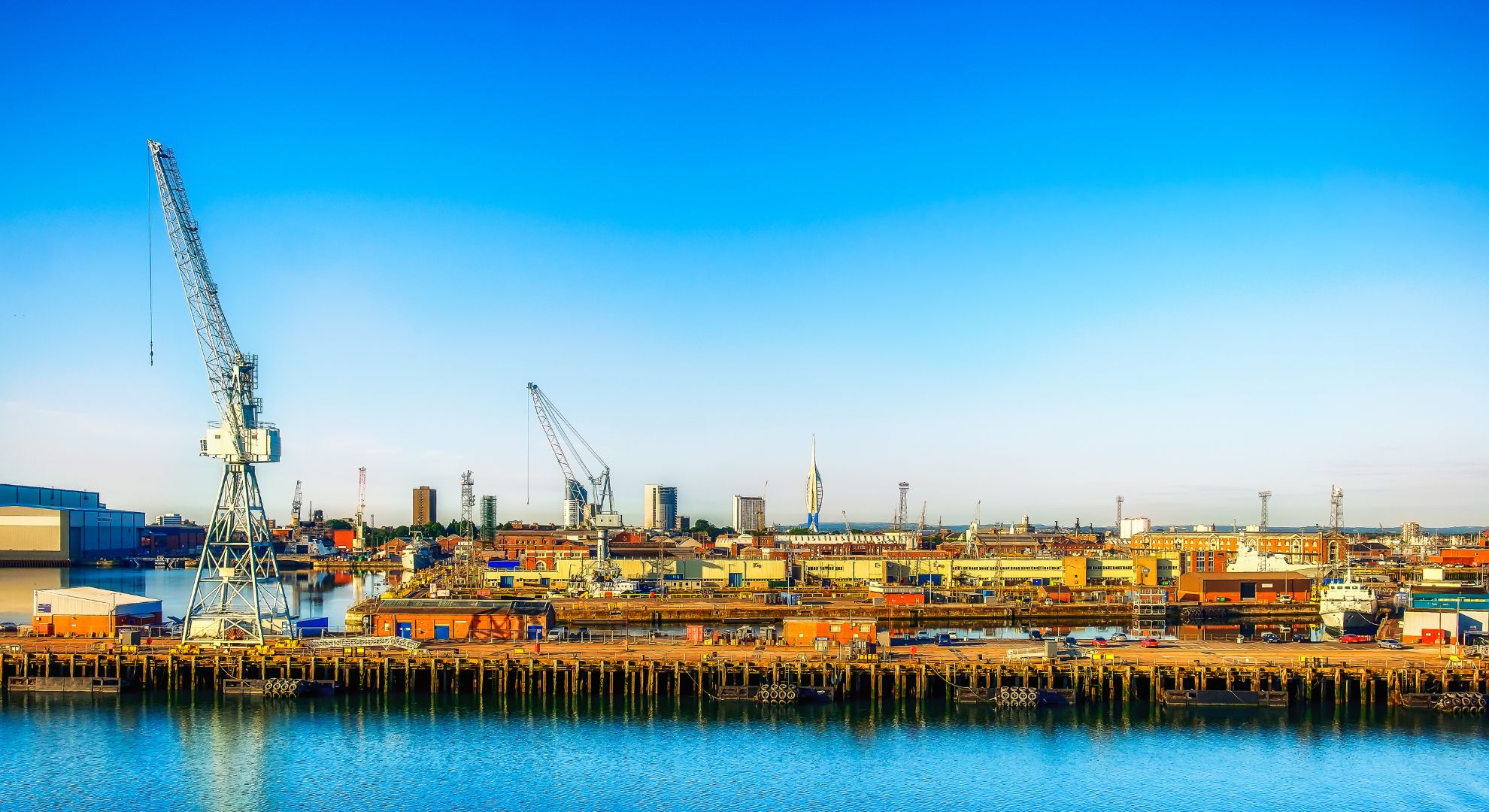
Ireland, an island nation steeped in maritime history, boasts an impressive array of ports that serve as vital gateways for trade, tourism, and cultural exchange. This comprehensive guide delves into the 12 most significant ports of Ireland, showcasing their unique features, historical importance, and economic impact. From bustling commercial hubs to picturesque harbors, these ports paint a vivid picture of Ireland’s rich maritime heritage and its promising future on the global stage.
Dublin Port: Gateway to the Emerald Isle

Location: Capital city, Dublin.
Dublin Port stands as Ireland’s premier maritime entrance, welcoming visitors and facilitating trade with unparalleled efficiency. This bustling harbor, nestled at the mouth of the River Liffey, has evolved from its Viking roots into a state-of-the-art facility handling over two-thirds of Ireland’s port volume.
The port’s strategic location in the heart of Dublin allows for seamless integration with the city’s transportation network. Cruise ships dock mere minutes away from the vibrant city center, offering passengers immediate access to Dublin’s cultural treasures. For businesses, the port’s proximity to major highways and railways translates into swift distribution channels across the island.
Dublin Port’s commitment to innovation shines through its ambitious masterplan, which aims to increase capacity and enhance sustainability. The introduction of next-generation cargo handling equipment and the development of greenfield sites demonstrate the port’s vision for the future.
Cork Harbour: Second Largest Natural Harbor in the World

Location: County Cork.
Cork Harbour, a natural wonder second only to Sydney Harbour in size, serves as a testament to Ireland’s maritime prowess. This vast expanse of sheltered water hosts multiple port facilities, each contributing to the region’s economic vitality.
The Port of Cork, situated within this magnificent harbor, handles all shipping modes, from lift-on/lift-off vessels to roll-on/roll-off ferries. Its deep-water quays accommodate the largest ships, positioning Cork as a crucial hub for international trade.
Beyond commerce, Cork Harbour embraces its rich history. The town of Cobh, formerly known as Queenstown, marked the last port of call for the ill-fated Titanic. Today, it stands as a poignant reminder of Ireland’s connection to maritime lore and serves as a popular destination for cruise ships.
Shannon Foynes: Deep-Water Marvel on the West Coast
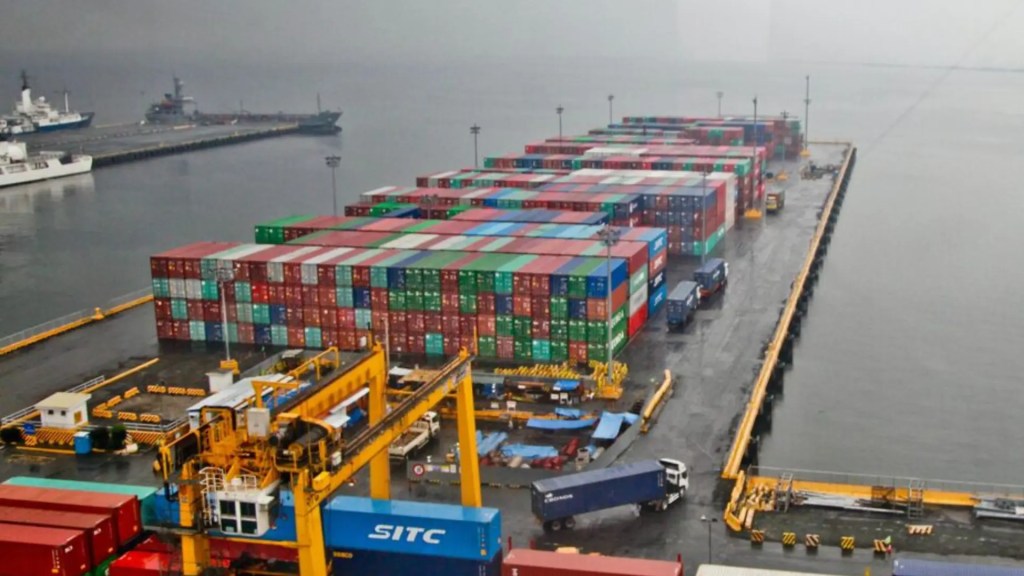
Location: Shannon Estuary, midwest region.
Shannon Foynes Port Company oversees Ireland’s deepest water port, capable of handling vessels up to 200,000 deadweight tonnes. This exceptional capacity positions Shannon Foynes as a key player in Ireland’s maritime strategy, particularly for bulk cargo operations.
The port’s location on the Shannon Estuary provides sheltered, deep waters ideal for large vessels. Its strategic position on Ireland’s west coast offers direct access to transatlantic shipping routes, making it an attractive option for companies engaged in intercontinental trade.
Shannon Foynes’ commitment to renewable energy shines through its support for offshore wind projects. The port’s facilities and expertise position it as a crucial component in Ireland’s green energy future, highlighting the evolving role of ports in sustainable development.
Rosslare Europort: Ireland’s European Link

Location: County Wexford.
Rosslare Europort, situated in County Wexford, serves as Ireland’s closest port to continental Europe. This strategic location has cemented its position as a vital link in the Irish-European transport chain, particularly in the post-Brexit landscape.
The port’s ro-ro (roll-on/roll-off) facilities excel in handling freight and passenger traffic to and from France and Wales. Its efficient operations and frequent sailings make it a preferred choice for exporters and importers alike, facilitating seamless trade despite changing political climates.
Rosslare Europort’s ongoing development plans focus on enhancing infrastructure and expanding services. These improvements aim to solidify its status as a key player in Ireland’s transportation network and strengthen the country’s connections with European markets.
Waterford Port: Viking Heritage Meets Modern Commerce
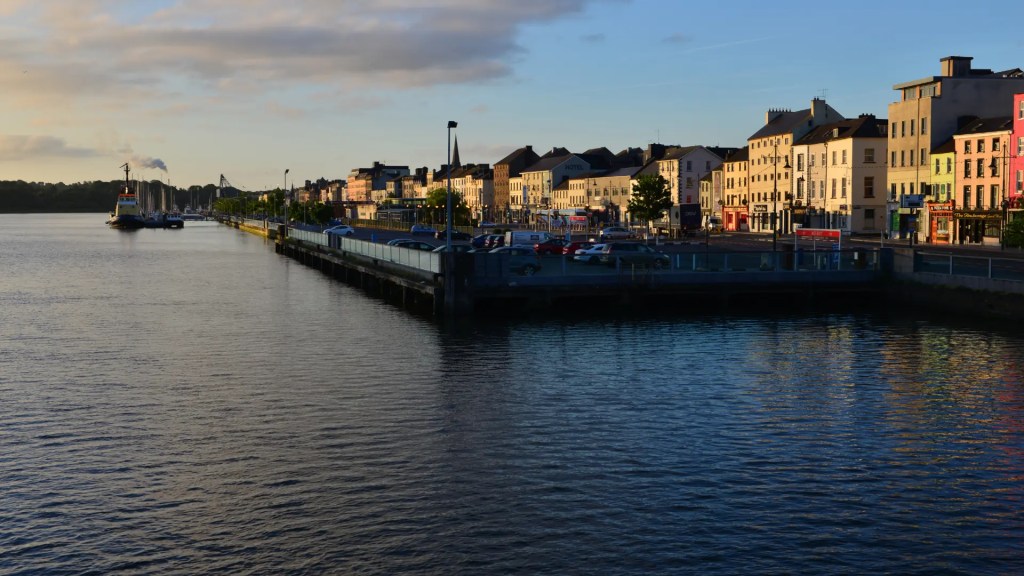
Location: Southeast Ireland.
Waterford Port, Ireland’s closest multi-modal port to continental Europe, blends historical significance with contemporary relevance. Founded by Vikings in the 9th century, the port has evolved into a vital component of Ireland’s maritime infrastructure.
The port’s deep-water quays can accommodate vessels up to 35,000 deadweight tonnes, facilitating the import and export of a diverse range of goods. Its strategic location on Ireland’s south coast provides excellent access to both European and transatlantic shipping routes.
Waterford Port’s commitment to sustainable development manifests in its green initiatives, including efforts to reduce carbon emissions and promote biodiversity within the port area. This forward-thinking approach ensures the port’s continued relevance in an increasingly environmentally conscious world.
Drogheda Port: Ancient History, Contemporary Trade

Location: Northeast Ireland, River Boyne.
Drogheda Port, with its roots tracing back to the 12th century, exemplifies the seamless blend of Ireland’s rich history and modern commercial prowess. Located on the River Boyne, this port has witnessed centuries of trade and now stands as a key player in Ireland’s maritime sector.
The port’s facilities cater to a wide range of cargoes, from bulk commodities to project cargoes. Its proximity to Dublin offers an attractive alternative for businesses seeking efficient import and export solutions without the congestion of larger ports.
Drogheda Port’s ongoing expansion plans reflect its ambition to meet the evolving needs of Ireland’s economy. By investing in new infrastructure and technologies, the port positions itself as a forward-thinking entity ready to tackle the challenges of 21st-century maritime trade.
Galway Harbour: Atlantic Gateway to the West
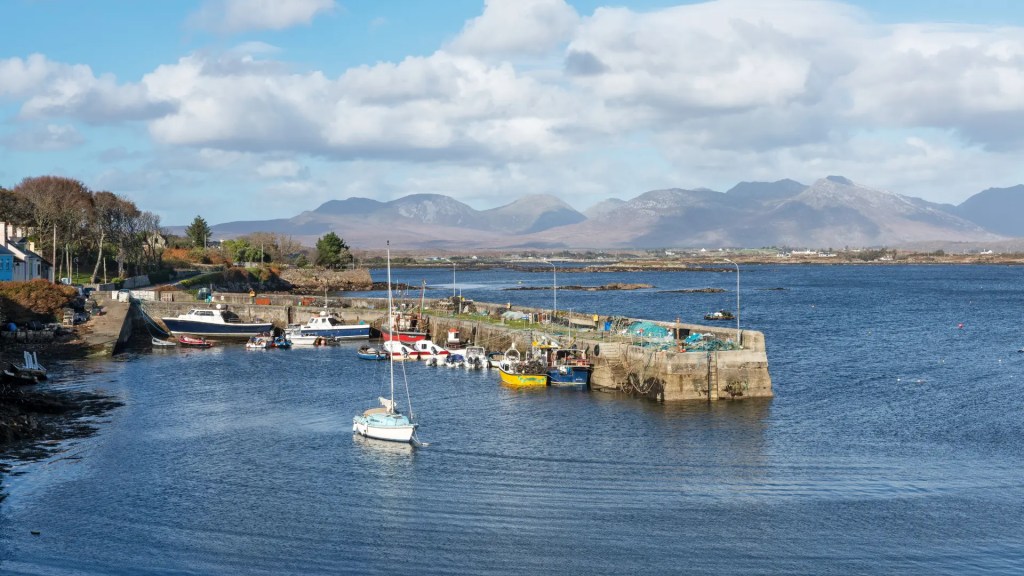
Location: City of Galway, west coast.
Galway Harbour, nestled in the heart of Ireland’s western seaboard, serves as a vital link between the rugged beauty of the West and the wider world. This port, with its rich history dating back to the 13th century, continues to play a crucial role in the region’s economic and cultural life.
The harbor’s current redevelopment project aims to transform it into a modern, deep-water port capable of handling larger vessels. This ambitious plan seeks to boost Galway’s potential as a hub for cruise tourism and offshore renewable energy projects, aligning with Ireland’s green energy goals.
Galway Harbour’s unique position allows it to serve as a gateway to the Wild Atlantic Way, Ireland’s stunning coastal route. This dual role as both a commercial port and a tourism facilitator underscores the diverse functions modern Irish ports must fulfill.
Dún Laoghaire Harbour: Scenic Marine Leisure Hub
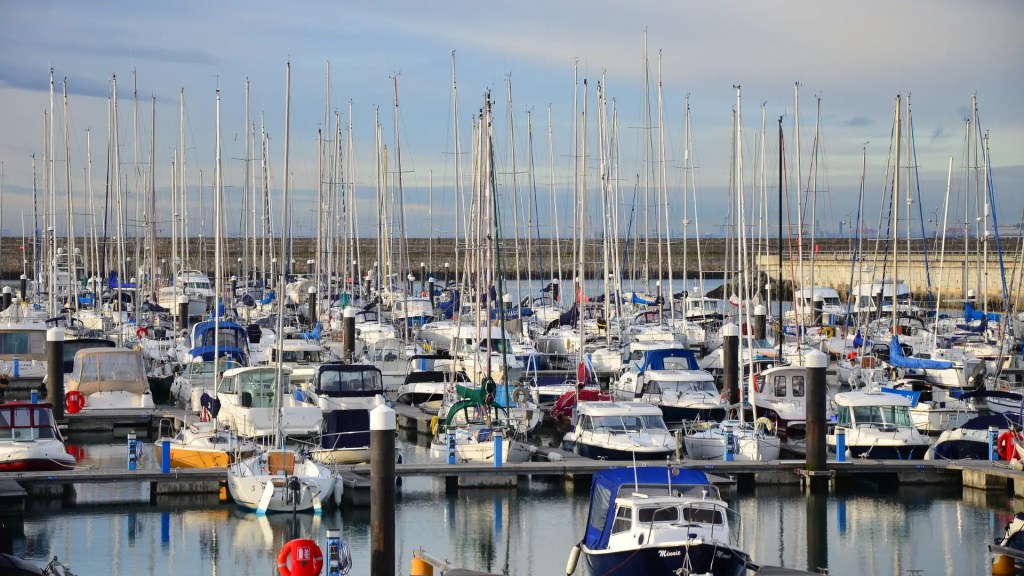
Location: South of Dublin.
Dún Laoghaire Harbour, with its iconic East Pier, stands as a testament to 19th-century engineering and modern recreational boating. Originally built as a refuge harbor, it has transformed into a premier marine leisure destination while maintaining its maritime heritage.
The harbor’s expansive marina, one of the largest in Ireland, caters to sailing enthusiasts and hosts international regattas. Its proximity to Dublin makes it a popular choice for day-trippers and tourists seeking a seaside escape.
While no longer serving as a ferry port, Dún Laoghaire Harbour continues to evolve. Plans for urban regeneration and the development of cruise facilities aim to enhance its role as a vibrant coastal community and tourist destination, showcasing the adaptability of Ireland’s ports.
Belfast Harbour: Northern Ireland’s Maritime Powerhouse
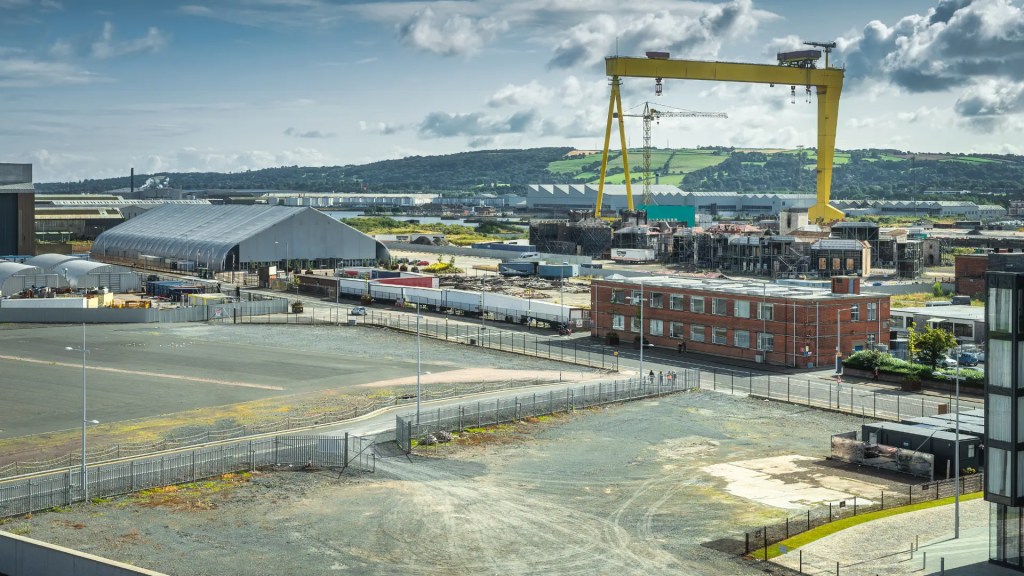
Location: Northern Ireland.
Belfast Harbour, Northern Ireland’s principal maritime gateway, stands as a cornerstone of the region’s economy. This sprawling port complex handles over two-thirds of Northern Ireland’s seaborne trade and serves as a vital link to markets worldwide.
The harbor’s diverse facilities cater to a wide range of maritime activities. From container terminals to cruise ship berths, Belfast Harbour demonstrates versatility in meeting the needs of modern shipping. The port’s role in supporting the offshore renewable energy sector further underscores its importance in shaping Northern Ireland’s economic future.
Belfast Harbour’s commitment to innovation manifests in its smart port initiatives. By leveraging cutting-edge technologies, the port aims to enhance efficiency, improve safety, and reduce its environmental footprint, setting a benchmark for sustainable port operations.
Killybegs: Fishing Port Extraordinaire

Location: County Donegal.
Killybegs, nestled in County Donegal, reigns as Ireland’s premier fishing port. This bustling harbor, with its state-of-the-art facilities, plays a crucial role in Ireland’s fishing industry and serves as a vital economic engine for the northwest region.
The port’s deep-water quays can accommodate large pelagic trawlers, positioning Killybegs as a key player in the European fishing sector. Beyond fishing, the harbor has diversified its operations to include offshore support services, demonstrating the adaptability of Ireland’s maritime infrastructure.
Killybegs’ commitment to sustainability shines through its involvement in various marine research projects. By balancing commercial fishing with environmental stewardship, the port sets an example for responsible resource management in the maritime sector.
Port of New Ross: River Port with a Rich History

Location: River Barrow, southeast region.
The Port of New Ross, nestled along the River Barrow in County Wexford, stands as a testament to Ireland’s enduring maritime legacy. This inland port, with its rich history dating back to the 13th century, continues to play a vital role in the region’s economy and cultural identity.
Strategically located 32 kilometers upstream from the sea, the Port of New Ross offers unique advantages for certain types of shipping. Its inland position provides sheltered berthing and cost-effective handling for smaller vessels, making it an attractive option for specific cargoes and trades.
The port’s facilities cater to a diverse range of vessels and cargoes. Its quays can accommodate ships up to 130 meters in length, with a maximum draft of 5.5 meters. This capacity allows the port to handle various bulk and break-bulk cargoes, supporting local industries and facilitating trade.
New Ross’s historical significance adds an extra layer of interest to this working port. The town and port boast strong connections to the Kennedy family, with the ancestral home of President John F. Kennedy located nearby. This heritage attracts tourists and history enthusiasts, blending maritime commerce with cultural tourism.
Port of Limerick: Shannon Estuary’s Commercial Hub
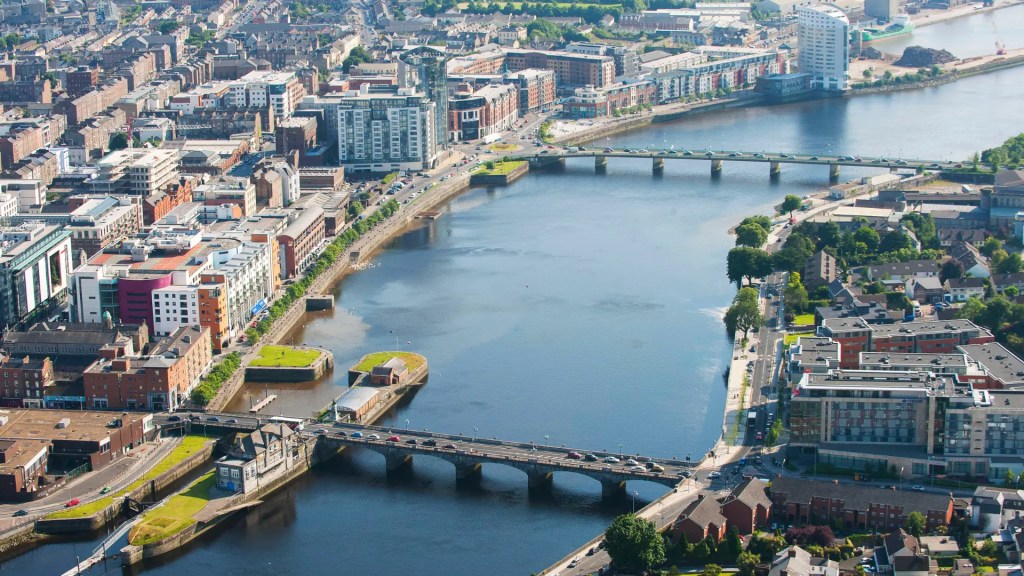
Location: River Shannon, city of Limerick.
The Port of Limerick, situated on the Shannon Estuary, stands as a crucial component of Ireland’s maritime infrastructure. This port, with its strategic location and modern facilities, plays a vital role in supporting the economy of the mid-west region and beyond.
Operated by the Shannon Foynes Port Company, the Port of Limerick comprises several key areas, including the Limerick Docks and the deepwater terminals at Foynes. This diverse portfolio allows the port to cater to a wide range of vessels and cargoes, from small coastal ships to large ocean-going vessels.
The Limerick Docks, located in the heart of the city, serve as a testament to the port’s long-standing importance. These historic docks continue to handle various cargoes, particularly those suited to smaller vessels. The urban location of these facilities provides unique opportunities for waterfront development and the integration of port activities with city life.
Foynes, the deepwater segment of the Port of Limerick, handles the majority of the Shannon Estuary’s shipping traffic. Its modern facilities and deep waters allow it to accommodate large vessels, positioning the port as a key player in Ireland’s maritime trade. The port’s capacity to handle bulk, break-bulk, and liquid cargoes makes it an essential link in supply chains for various industries.
Ireland’s Maritime Mosaic
The 12 ports of Ireland form a diverse and dynamic network, each contributing uniquely to the nation’s maritime prowess. From the bustling commercial hubs of Dublin and Belfast to the specialized facilities of Killybegs and Greenore, these ports collectively showcase Ireland’s rich maritime heritage and its promising future on the global stage.
As Ireland continues to navigate the challenges and opportunities of the 21st century, its ports stand ready to adapt and evolve. Whether facilitating international trade, supporting renewable energy initiatives, or welcoming cruise ships, these maritime gateways play an indispensable role in shaping Ireland’s economic and cultural landscape.
The story of Ireland’s ports is one of resilience, innovation, and unwavering commitment to excellence. As the nation looks to the horizon, its ports will undoubtedly continue to serve as beacons of progress, connecting the Emerald Isle to the world and anchoring its position in the global maritime community.