Geography
Location
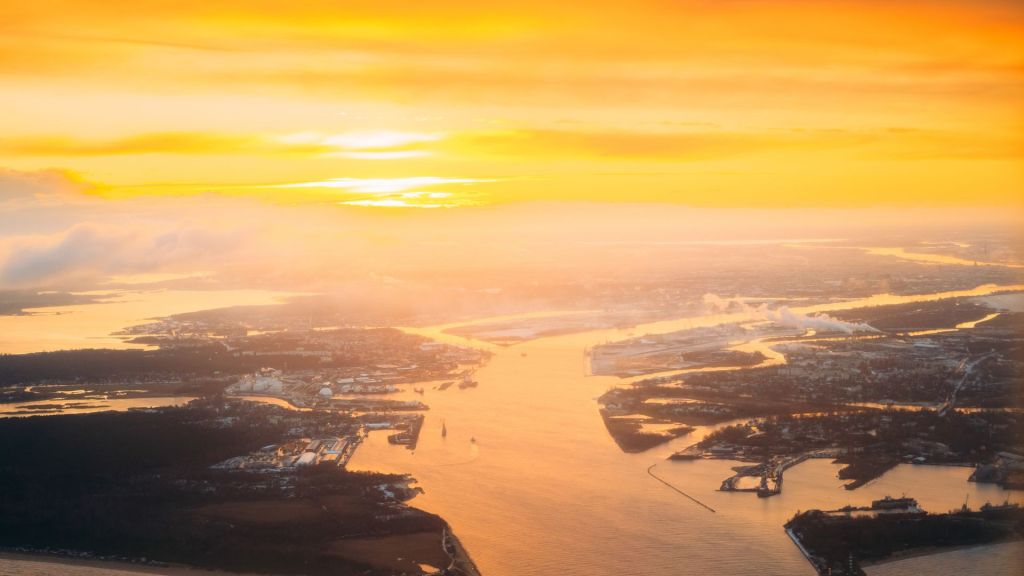
The Gulf of Riga is situated in northeastern Europe, forming the southwestern extension of the Gulf of Finland. It is nestled between the Baltic countries of Latvia to the south and Estonia to the north. The Gulf opens westward into the Baltic Sea, connecting it to the larger maritime expanse of the region. This strategic position makes the Gulf of Riga a critical geographical feature for both Latvia and Estonia, as well as for maritime traffic in the Baltic Sea.
Size and Shape
The Gulf of Riga covers an area of approximately 16,000 square kilometers. Its shape resembles an elongated funnel, stretching about 95 miles (150 kilometers) from north to south. In contrast, its width varies, reaching up to 37 miles (60 kilometers) at its widest point from west to east. This funnel-like shape influences the tidal and current patterns within the Gulf, contributing to its unique maritime environment.
Coastline
The Gulf of Riga boasts over 700 miles (1,100 kilometers) of diverse coastline. This varied coastline includes:
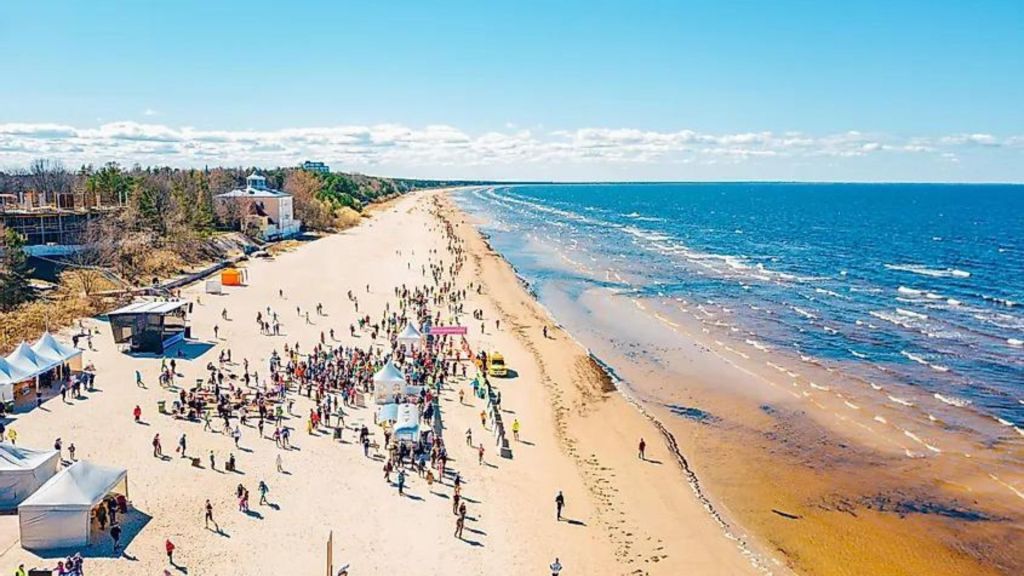
- Sandy Beaches: Particularly prominent along the southern coast of Latvia, these beaches are popular destinations for tourists and locals.
- Rocky Cliffs: These are more common along the northern Estonian side, providing dramatic and scenic landscapes.
- Wetlands: Coastal wetlands are present, supporting a range of wildlife and contributing to the ecological diversity of the region.
- Ports: Both Latvia and Estonia have developed significant port facilities along their coastlines, enhancing the economic importance of the Gulf.
The southern Latvian coast is characterized by its sandy expanses, which contrast with the northern Estonian coast’s bluffs and lush vegetation. This diversity creates a range of ecological niches and landscapes that support various flora and fauna.
Depth
The Gulf of Riga exhibits considerable variation in depth:
- Shallow Areas: The western opening and the Irbe Strait, particularly east of the island of Saaremaa, are quite shallow, with depths less than 20 meters. This shallowness can impact maritime navigation and influences local marine life.
- Deeper Sections: Towards the southeast, the Gulf plunges to depths of nearly 180 meters. This variation in depth affects water temperature, salinity, and the distribution of marine species.
Major Ports
Several key ports are located along the Gulf of Riga, serving as crucial commercial and economic hubs:
- Riga (Latvia): As the capital city of Latvia, Riga is a major port with significant commercial activity and international connections.
- Ventspils (Latvia): Ventspils is known for its deep-water port, which handles a lot of cargo and is an important part of Latvia’s export and import operations.
- Liepāja (Latvia): Another important port city in Latvia, Liepāja is noted for its maritime industry and strategic location.
- Pärnu (Estonia): Pärnu is a significant port in Estonia, contributing to the region’s maritime commerce and economic development.
Climate
Temperatures
The Gulf of Riga region experiences a climate with distinct seasonal variations:
- Winter: Winters are long and moderately cold. Average high temperatures are around 34°F (1°C), while lows typically drop to about 23°F (-5°C). The cold season often brings a layer of snow, contributing to the region’s winter landscape.
- Summer: Summers are relatively short and mild. Average high temperatures reach around 72°F (22°C), with nighttime lows averaging 55°F (13°C). This season provides a brief respite from the cooler temperatures and is often marked by pleasant weather conditions.
Overall, the Gulf of Riga’s climate features cold winters and mild summers, reflecting its northerly latitude and maritime influence.
Precipitation
Precipitation in the Gulf of Riga region averages between 19 to 21 inches (480 to 530 millimeters) annually. It is distributed relatively evenly throughout the year, although there are seasonal variations:
The moderate precipitation levels support a variety of ecosystems along the Gulf’s coastline, including wetlands and forests.
Wind
The Gulf of Riga experiences several wind patterns:
- Easterlies and Westerlies: These are the predominant winds, coming from the east and west, respectively. They play a role in shaping the local weather and maritime conditions.
- Shifty, Variable Winds: Transitions between different air masses can lead to variable wind conditions. These shifts often result in unpredictable wind patterns, which can impact maritime navigation and weather forecasts.
Islands
Largest Islands
The Gulf of Riga is home to several significant islands, with the largest serving as geographical markers between Latvia and Estonia:
- Saaremaa: Located to the north of the Gulf, Saaremaa is the largest island in the Gulf of Riga. It spans approximately 2,673 square kilometers (1,032 square miles). Saaremaa is known for its diverse landscapes, including forests, lakes, and coastal cliffs. It is a key cultural and historical center in Estonia.
- Ruhnu: Situated near the central part of the Gulf, Ruhnu is considerably smaller, covering around 11.9 square kilometers (4.6 square miles). Despite its size, Ruhnu has a rich cultural heritage and is known for its picturesque scenery and historical sites.
Smaller Islands
In addition to the largest islands, the Gulf of Riga features several smaller islands and islets, which include:
- Osmussaar: An island in the Gulf of Riga belonging to Estonia, Osmussaar is known for its rugged terrain and lighthouse. It plays a role in local maritime navigation and has a unique ecosystem.
- Abruka: Also part of Estonia, Abruka is characterized by its small size and natural beauty. It features a variety of wildlife and is a popular spot for nature enthusiasts.
- Kihnu: Kihnu, another Estonian island, is known for its cultural traditions and maritime history. It is home to a small community and has a unique cultural identity within Estonia.
- Kolka: Located on the Latvian coast, Kolka is a small island known for its natural surroundings and proximity to the Latvian coastline.
- Engure’s Seashore: This is a Latvian island notable for its natural landscape and role in local fisheries. It is part of the broader coastal region near Engure.
Most of these smaller islands contain small fishing villages, which contribute to the local maritime culture and economy.
Uninhabited Islands
The northern portion of the Gulf of Riga features several uninhabited islands, which provide critical habitats for wildlife:
- Manilaid: An uninhabited island that serves as a sanctuary for coastal waterbirds. Its remote location makes it an ideal breeding ground for various bird species.
- Aksi: Another uninhabited island in the northern Gulf, Aksi is known for its natural environment and role in supporting local wildlife.
- Krassi: This uninhabited island is characterized by its isolation and serves as a refuge for marine mammals such as gray seals. The lack of human disturbance makes it a crucial area for the breeding and conservation of these species.
Economic Importance of the Gulf of Riga
Fishing Industry
The Gulf of Riga supports a robust fishing industry, which is crucial to the local economies of Latvia and Estonia. Key aspects include:
- Commercial Species: The Gulf’s waters are rich in various commercial fish species. Common catches include:
- Herring: A staple in the region’s fishing industry, herring is valued for both local consumption and export.
- Sprat: Often used in preserves and as bait, sprat is another important catch from the Gulf.
- Flounder: Known for its delicate flavor, flounder is a sought-after fish in local markets.
- Smelt: Popular for its distinctive taste, smelt is a common target for both commercial and recreational fishers.
- Cod: A significant species in the fishing industry, cod is prized for its versatility and is a major export product.
- Recreational Fishing: The Gulf of Riga also attracts recreational anglers who seek a variety of fish species, including:
- Salmon: Known for its size and challenging catch, salmon is a prized target for sport fishing.
- Pike: This predatory fish is popular among local and visiting anglers.
- Perch: A common catch that is valued for its taste and sport fishing appeal.
- Trout: Sought after for its flavor and challenging fishing experience.
The fishing business is very important to the health of local communities because it creates jobs and keeps local markets going.
Shipping and Ports
The Gulf of Riga is a crucial hub for maritime trade and passenger transport, facilitated by its major ports:
- Riga: As the largest city in Latvia and a key port, Riga handles the majority of cargo passing through the Gulf. It serves as a major gateway for goods and materials, connecting the Baltic region with international trade routes.
- Liepāja: Focused primarily on passenger traffic, Liepāja is a significant port city that supports regional and international travel. It’s a very important part of the tourism business and connects the area to other parts of Europe.
- Ventspils: Known for its specialization in oil product shipping, Ventspils is a critical port for handling and exporting petroleum products. Its facilities are designed to manage large volumes of cargo, contributing to Latvia’s energy sector and international trade.
These ports not only drive economic activity within the Gulf region but also connect Latvia and Estonia to broader trade networks across the Baltic Sea and beyond.
Tourism
Tourism is a key industry in the Gulf of Riga region, attracting visitors with a range of attractions:
- Sandy Beaches: The Gulf’s coastline features beautiful sandy beaches, which are popular for relaxation and recreational activities.
- Historic Port Cities: Cities such as Pärnu in Estonia and Riga in Latvia are rich in history and culture. Pärnu is known for its spa resorts and seaside charm, while Riga offers a vibrant cultural scene with historic architecture, museums, and vibrant nightlife.
- Scenic Nature Preserves: The Gulf region includes several nature preserves and parks, which attract nature lovers and outdoor enthusiasts. People can go hiking, watch birds, and enjoy the natural beauty of the area in these places.
- Cultural Attractions: Riga, Latvia’s capital, is a major cultural destination with a diverse array of attractions, including historic sites, art galleries, theaters, and festivals. Its rich cultural heritage and lively atmosphere make it a key attraction for tourists.
Environmental Issues of the Gulf of Riga
Pollution
Pollution is a significant environmental concern in the Gulf of Riga:
- Agricultural Runoff: Runoff from agricultural activities, including livestock and chemical fertilizers, flows into rivers that empty into the Gulf. This runoff carries high levels of nitrates and phosphates, which can lead to eutrophication—a process that depletes oxygen in the water and harms aquatic life.
- Industrial Contaminants: Industrial activities around the Gulf, particularly near ports and bays, have contributed to pollution through the release of contaminants such as mercury and oil products. These pollutants can affect marine ecosystems and pose risks to human health.
Invasive Species
Invasive species pose a threat to the Gulf’s ecological balance:
- Red King Crab: This non-native species has established itself in the Gulf, potentially disrupting local marine ecosystems and outcompeting native species.
- Round Goby Fish: Another invasive species, the round goby fish can alter food chains and outcompete native fish for resources.
- Golden Mussels: The introduction of golden mussels can damage infrastructure, such as water pipes, by clogging them and affecting water quality.
These invasive species can crowd out native species, alter food webs, and create ecological imbalances.
Oil Spills
Oil spills are a recurring problem, despite preventive measures:
- Accidents: Oil spills have occurred during the loading and unloading of petroleum products, particularly around Ventspils port. Notable spills occurred in 1997 and 2001, causing significant environmental damage.
- Containment and Cleanup: Efforts to contain and clean up oil spills have improved over time, but the risk of future spills remains a concern. Effective response strategies are crucial to minimize environmental damage.
Ecosystems and Wildlife
Fish Species
The Gulf of Riga supports a diverse range of fish species:
- Atlantic Herring: A key species in the region’s fisheries, valued for its commercial and ecological significance.
- Sprat: Important for local fisheries and as a food source for other marine animals.
- Salmon: A migratory species that is vital for both recreational and commercial fishing.
- Cod: A commercially significant species, essential for local and international markets.
- Flounder and Smelt: Both are important to local fisheries and ecosystems.
Bird Migration Routes
The Gulf of Riga is a crucial stopover for migratory birds:
- Resting and Nesting Habitat: Coastal wetlands and islands provide essential resting and nesting sites for migratory waterbirds. Species such as ducks, swans, sandpipers, and loons use these areas during their migrations across Northern Europe.
- Songbirds: Millions of songbirds also pass through the Gulf region, making it a vital area for bird conservation.
Mammals
Several mammal species inhabit or visit the Gulf of Riga:
- Gray Seals and Ringed Seals: Commonly found in the Gulf, these seals use the area for breeding and resting.
- Porpoises and Dolphins: Occasionally spotted in the Gulf, these marine mammals are less common but add to the region’s biodiversity.
- Otters and American Mink: Otters and introduced American mink are found along the shoreline, while deer and boars inhabit island forests.
Underwater Plants
Underwater vegetation plays a critical role in the Gulf’s ecosystems:
- Pondweeds, Eelgrass, and Stoneworts: These vascular plants form dense beds in shallow areas of the Gulf. They provide essential breeding and nursery habitats for juvenile fish and invertebrates, contributing to the overall health of the marine environment.
History and Culture
Livonian Tribes
- Indigenous Livonians: The Livonian people were the original inhabitants of the Gulf of Riga region, engaging in fishing and hunting. They were eventually conquered during the Livonian Crusade in the 13th century, and their descendants largely assimilated into Latvian culture.
Medieval Ports
- Strategic Importance: From the 12th century onward, strategic ports such as Riga, Pärnu, Ventspils, and Lübeck emerged around the Gulf. These cities facilitated trade across Northern Europe, contributing to their historical and economic significance.
Shipwrecks
- Historical Discoveries: Numerous ancient shipwrecks have been discovered on the Gulf’s sea floor. These shipwrecks, often caught in storms, provide valuable insights into historical Baltic maritime trade and naval warfare.
Lighthouses
- Navigation Aids: To support maritime navigation, several lighthouses were built around the Gulf in the 19th century. Many classical lighthouses remain operational, now using modern electric lights instead of traditional wood fires.
Major Cities
Riga
- Capital City: Riga, the capital of Latvia and the largest city in the Baltic region, is located about 10 miles up the Daugava River. Its strategic port has historically contributed to its development as a wealthy mercantile hub. Today, Riga is known for its vibrant culture, nightlife, and urban amenities.
Ventspils
- Industrial and Transit Port: Ventspils is situated at the mouth of the Venta River and is a key industrial and transit port. It specializes in shipping fertilizers, oil products, and other cargo, and also attracts tourists to its beaches, spas, and medieval castle ruins.
Liepāja
- Port and Energy Hub: Located on Latvia’s west coast, Liepāja is known for its major international passenger ferry terminal and extensive wind energy infrastructure. The city features quirky neighborhoods and notable Art Nouveau architecture.
Bridges
Bridge Types
- Architectural Designs: The Gulf of Riga features several impressive bridges, including the Vanšu Bridge, an extradosed design, and various stay cable bridges connecting islands off Saaremaa. Modern concrete bridges also cross shipping channels and port entries.
Longest Bridge
Saaremaa Bridge: The 4.2-mile (6.7-kilometer) Saaremaa Bridge is the longest bridge crossing into the Gulf of Riga. Opened in 2012, it connects the Estonian mainland to Saaremaa and other large islands, facilitating transport and economic connections.
Future Bridges
- Potential Projects: Plans exist for a massive tunnel and bridge crossing directly over the Gulf’s main waters, providing a direct connection between the capitals of Riga and Tallinn. This project aims to enhance economic links and regional connectivity.
Recreation
Boating
- Recreational Opportunities: The Gulf of Riga’s extensive coastline, sheltered bays, and numerous islands make it ideal for recreational boating. Marinas accommodate private and charter sailboats, yachts, fishing boats, and traditional wooden vessels.
Windsurfing Spots
- Popular Locations: Consistent winds make the Gulf a premier location for kite and windsurfing. Pärnu hosts an annual windsurfing world championship, and many coastal parks have designated launch points for wind sports.
Cycling Routes
- Designated Trails: The Baltic Coastal Hiking Route and other cycling routes offer access to coastal villages, points of interest, and campsites. These routes provide opportunities for both road and mountain biking, with cultural sites like museums detailing Livonian tribal history.
Conservation Efforts

Protected Areas
- Nature Preserves: Several nature reserves protect critical habitats in the Gulf of Riga, including:
- Kõiguste Nature Reserve: Safeguards bird nesting islands.
- Pape Wetland Complex: Protects coastal lagoons.
- Lotte Nature Trail: Showcases wooded bluffs along Latvia’s northern coast.
Habitat Restoration
- Ongoing Projects: Efforts focus on restoring eelgrass beds, reintroducing native oyster beds, and reconstructing eroded shorelines and spawning creeks to support migratory fish species like vimba bream.
Sustainability Initiatives
Renewable Energy and Regulations: Regional plans emphasize renewable energy systems, public transportation, and stricter regulations on industrial emissions, agricultural runoff, and shipping discharge to promote long-term environmental sustainability.