1. How many shipwrecks are in Scapa Flow?
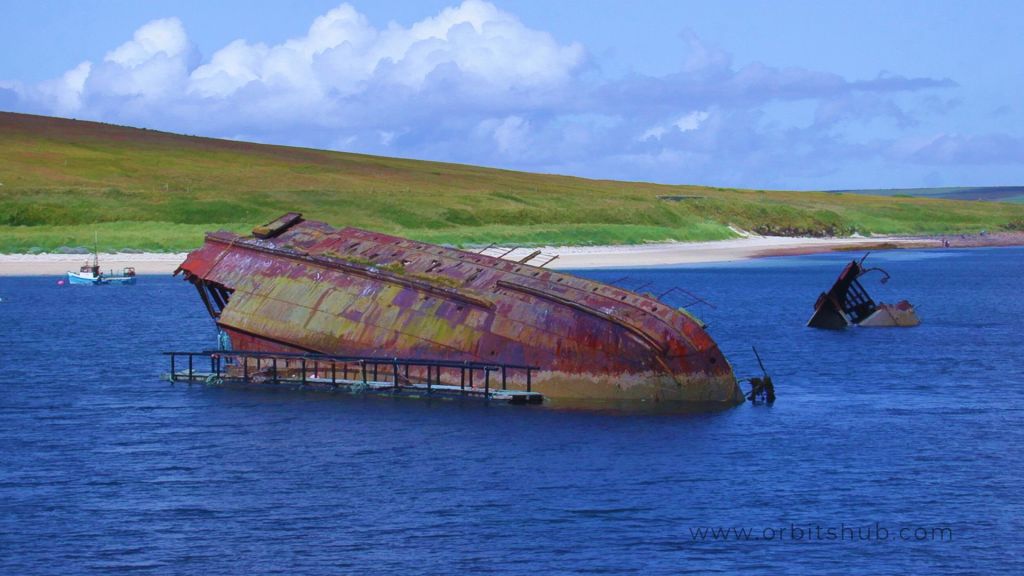
The aquatic graveyard of Scapa Flow harbors a staggering number of shipwrecks, with over 50 vessels slumbering beneath its surface. This maritime necropolis, nestled in the heart of Orkney, Scotland, bears witness to centuries of naval history. The majority of these submerged relics hail from the infamous scuttling of the German High Seas Fleet in 1919. A veritable underwater museum, Scapa Flow’s seabed is adorned with the remnants of warships, merchant vessels, and even the occasional fishing trawler.
2. How many German sailors died at Scapa Flow?
The tragic events that unfolded at Scapa Flow claimed the lives of nine German sailors during the mass scuttling of 1919. This seemingly small number belies the magnitude of the event. As the German fleet deliberately sank itself to prevent seizure by the British, chaos ensued. The loss of life, though limited, serves as a poignant reminder of the human cost of war and the desperate measures taken in its aftermath.
3. What was the most violent shipwreck?
Among the myriad wrecks in Scapa Flow, the sinking of HMS Royal Oak stands out as particularly violent and tragic. On October 14, 1939, the battleship fell victim to a daring attack by the German submarine U-47. In the dead of night, torpedoes ripped through the vessel’s hull, sending it to the bottom in a matter of minutes. The conflagration claimed 833 lives, making it one of the deadliest maritime disasters in British naval history.
4. How deep is the water at Scapa Flow?

Scapa Flow’s depths vary considerably, ranging from a mere 30 meters to a more substantial 60 meters in its deepest regions. This variability in depth contributes to the area’s unique ecosystem and has played a crucial role in its maritime history. The relatively shallow waters have made it an ideal natural harbor, while also presenting challenges for larger vessels navigating its channels.
5. Why is Scapa Flow famous?
The renown of Scapa Flow stems from its pivotal role in both World Wars and its unparalleled concentration of historical shipwrecks. It served as the main base for the British Grand Fleet during World War I and continued to be a crucial naval stronghold in World War II. The deliberate scuttling of the German High Seas Fleet in 1919 further cemented its place in maritime lore. Today, it stands as a mecca for wreck divers and history enthusiasts alike.
6. Why was Scapa Flow closed?
The closure of Scapa Flow as a naval base was a gradual process, culminating in the aftermath of World War II. The advent of long-range aircraft and missiles rendered traditional naval bases less strategic. Additionally, the Cold War shifted focus to other regions, diminishing Scapa Flow’s importance. Environmental concerns and the changing nature of naval warfare contributed to its eventual decommissioning as an active military installation.
7. Is Scapa Flow a war grave?
Indeed, portions of Scapa Flow are designated as war graves, most notably the wreck of HMS Royal Oak. This classification affords these sites special protection under the Protection of Military Remains Act 1986. Diving on these wrecks is strictly regulated to preserve the sanctity of the final resting place of those who perished. The presence of these war graves adds a somber note to the area’s rich maritime heritage.
8. How many German sailors died with these boats being sunk?
During the scuttling of the German High Seas Fleet in 1919, nine German sailors lost their lives. This relatively low number is attributed to the controlled nature of the scuttling and the presence of British forces who assisted in rescue efforts. However, the loss of life, though limited, remains a poignant aspect of this historical event.
9. What is the most forgotten shipwreck?

Among the lesser-known wrecks in Scapa Flow lies the HMS Vanguard, a dreadnought battleship that met a tragic end in 1917. An internal explosion, likely caused by unstable cordite, tore the ship apart, claiming the lives of 843 crew members. Despite its significant loss of life, the Vanguard’s story is often overshadowed by later events, making it one of Scapa Flow’s most overlooked maritime tragedies.
10. What legendary shipwreck was found?
The discovery of HMS Hampshire off the coast of Orkney in 2016 sent ripples through the maritime archaeology community. This cruiser, which sank in 1916 while carrying Lord Kitchener on a diplomatic mission to Russia, had long been the subject of speculation and mystery. Its final resting place, identified through advanced sonar technology, provided closure to a century-old naval enigma.
11. How many shipwrecks have never been found?
While the exact number remains elusive, maritime historians estimate that dozens of shipwrecks in and around Scapa Flow have yet to be discovered. These phantom vessels, victims of storms, warfare, or simple misfortune, continue to elude detection. The challenging conditions of the North Sea and the passage of time conspire to keep these maritime mysteries hidden from view.
12. What is the oldest recorded shipwreck?
The distinction of the oldest recorded shipwreck in Scapa Flow belongs to a Norse vessel dating back to the 12th century. Discovered during an archaeological survey, this ancient craft offers a glimpse into the area’s rich Viking heritage. Its presence underscores Scapa Flow’s importance as a maritime crossroads long before it became a naval base.
13. What happened to German ships after WWII?
In the wake of World War II, the fate of German naval vessels was varied. Many were divided among the Allied powers as war reparations, while others were scuttled or scrapped. Some found new lives in foreign navies, their German origins obscured by new paint and flags. The disposal of these ships marked the final chapter in the story of Nazi Germany’s once-formidable naval might.
14. Does the Royal Navy still use Scapa Flow?
While no longer an active naval base, Scapa Flow retains a connection to the Royal Navy. Occasional visits by naval vessels and submarine activity in the area maintain a tenuous link to its martial past. The surrounding waters are still used for training exercises, ensuring that Scapa Flow’s strategic importance is not entirely forgotten.
15. What battleship was sunk at Scapa Flow?
The most infamous sinking at Scapa Flow was undoubtedly that of HMS Royal Oak. This Revenge-class battleship, a veteran of the Battle of Jutland, met its end at the hands of a German U-boat in 1939. Its loss, early in World War II, sent shockwaves through the British Admiralty and highlighted the vulnerability of even the most formidable warships to submarine attack.
16. Which was the last battleship to serve with the Royal Navy?
HMS Vanguard holds the distinction of being the last battleship to serve in the Royal Navy. Commissioned in 1946, this leviathan of the seas represented the pinnacle of battleship design. However, it was already an anachronism in the age of aircraft carriers and guided missiles. Decommissioned in 1960, Vanguard’s retirement marked the end of the battleship era for the Royal Navy.
17. Is the oldest British warship still afloat?
While not directly related to Scapa Flow, the HMS Victory stands as the oldest commissioned warship in the Royal Navy. Launched in 1765, this venerable vessel now rests in dry dock at Portsmouth Historic Dockyard. Its preservation serves as a tangible link to Britain’s storied naval heritage, a far cry from the sunken relics of Scapa Flow.
18. When did the Royal Navy stop using sails?
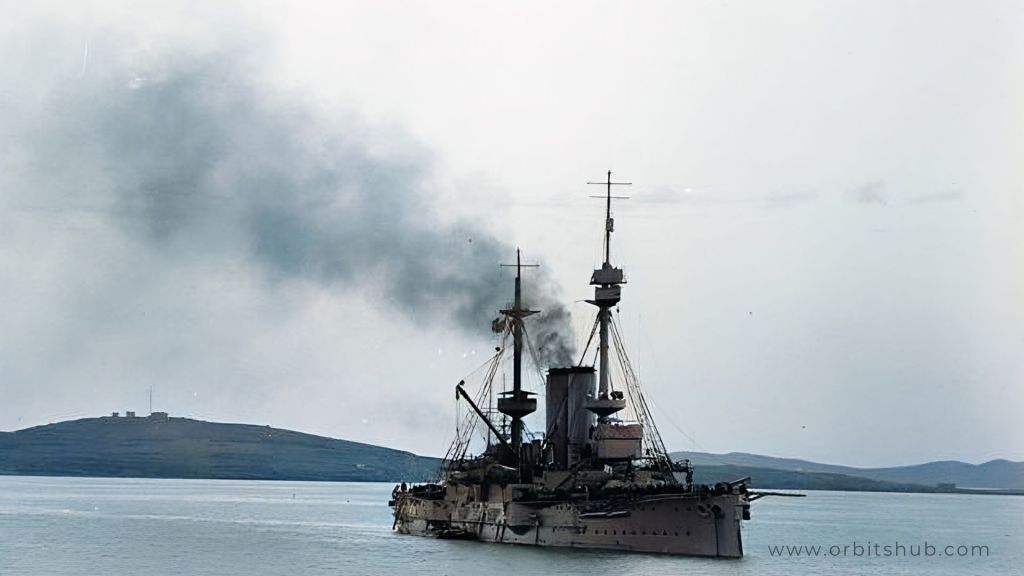
The transition from sail to steam in the Royal Navy was a gradual process that spanned much of the 19th century. The last sailing ships were phased out by the 1870s, with HMS Gannet, decommissioned in 1923, representing one of the final vestiges of the age of sail. This technological shift revolutionized naval warfare and strategy, setting the stage for the modern naval conflicts that would unfold in Scapa Flow.
19. Can you see sunken ships in Scapa Flow?
The clarity of Scapa Flow’s waters allows for remarkable visibility of its sunken treasures. On calm days, the outlines of some shallower wrecks can be discerned from the surface. For a more intimate view, diving expeditions offer unparalleled access to these subaqueous time capsules. The preservation of many wrecks, aided by the cold waters, provides divers with an extraordinary glimpse into naval history.
20. Who won the battle of Scapa Flow?
The phrase “Battle of Scapa Flow” is somewhat of a misnomer, as no single definitive battle took place there. However, the area witnessed numerous engagements and events throughout its history. The German U-boat attack that sank HMS Royal Oak in 1939 could be considered a tactical victory for the Germans. Conversely, the British Navy’s successful defense of the base throughout World War II, despite repeated attempts by German forces to neutralize it, might be seen as a strategic victory for the Allies. Ultimately, Scapa Flow’s legacy is one of endurance and historical significance rather than a clear-cut military triumph.