Understanding Straits: Nature’s Navigational Pathways
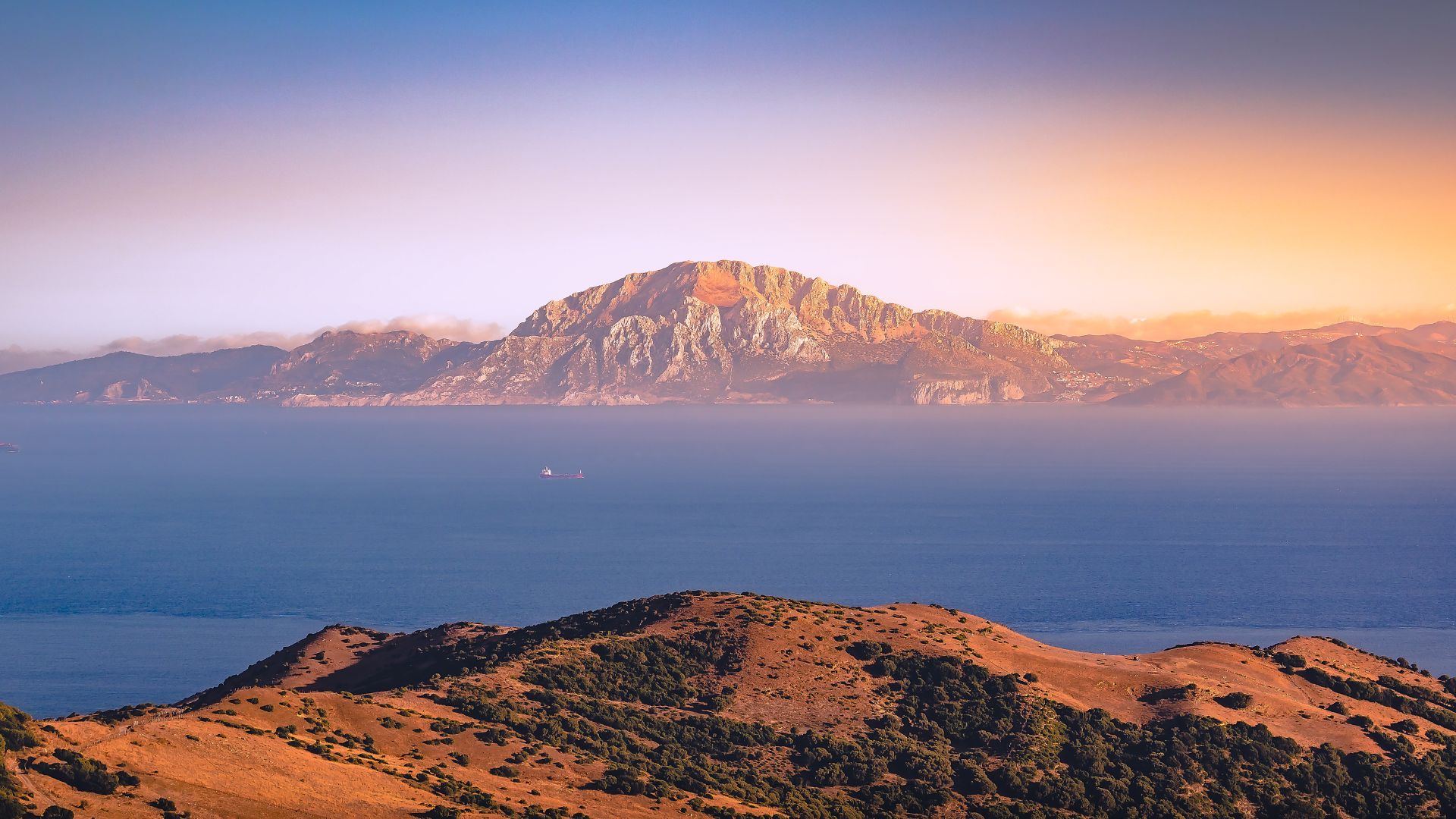
Before we dive into the specifics of each strait, let’s take a moment to understand what a strait truly is. A strait is a small stretch of water that links two bigger bodies of water, like oceans or seas. These natural formations can be found across the globe, serving as vital links between different regions and facilitating trade, transportation, and cultural exchange.
Formation of Straits: Nature’s Artistry
Straits are formed through various geological processes, each leaving its unique imprint on the landscape. One common method of strait formation is through the movement of tectonic plates. As these plates shift and collide, they can create fractures in the Earth’s crust, resulting in narrow channels of water.
Another way straits are formed is through the erosion caused by the relentless force of water. Over time, rivers and streams carve their way through land, gradually widening and deepening their channels. In some cases, this erosion can create a path that connects two larger bodies of water, giving birth to a strait.
The Significance of Straits: Gateways to the World
Straits hold immense significance on both practical and symbolic levels. From a practical standpoint, these waterways serve as essential trade routes, allowing ships to navigate more efficiently between different regions. By providing shorter and more direct paths, straits reduce travel times and fuel consumption, making them crucial for global commerce.
On a symbolic level, straits represent the interconnectedness of the world. They act as bridges between different cultures, enabling the exchange of ideas, goods, and traditions. Straits have seen the rise and fall of nations, the clash of civilizations, and the coming together of different cultures throughout history. They are more than just pools of water; they carry stories from the past.
Exploring the Longest Straits in the World
Now that we have a deeper understanding of what straits are and their significance, let’s embark on our journey to explore the longest straits on our planet. From the icy waters of the Arctic to the tropical seas of the Pacific, each strait has its own unique features and stories to tell. Join us as we navigate through these awe-inspiring waterways.
Danish Strait: The Gateway to Greenland and Iceland
Length: 530 km
Location: Greenland – Iceland
Our journey begins with the Danish Strait, also known as the Greenland Strait. Stretching over 530 kilometers, this strait separates the vast landmasses of Greenland and Iceland. Its origins can be traced back to the Viking era when these intrepid explorers first discovered its treacherous waters.
The Danish Strait holds a significant place in history, having witnessed intense battles during World War II. The waters were once a battlefield for military fleets, and remnants of this turbulent past can still be found beneath its surface. Today, the strait is known for its abundance of icebergs, making navigation challenging for seafarers.
One of the most remarkable features of the Danish Strait is the presence of an underwater waterfall, the largest in the world. With a depth of approximately 4 kilometers, this mesmerizing natural wonder captivates all who witness its grandeur. The strait’s unique combination of icy landscapes and powerful currents make it a sight to behold.
Strait of Magellan: A Passage Through the Southern Seas
Length: 575 km
Location: Africa – Tierra del Fuego islands
Next on our journey is the Strait of Magellan, a legendary waterway that separates the African continent from the Tierra del Fuego islands. Named after the renowned explorer Ferdinand Magellan, this strait holds a special place in maritime history.
This was before the Panama Canal was built. The Strait of Magellan was a key part of trade all over the world. To travelers going from the Atlantic Ocean to the Pacific Ocean, this was a very important short cut. The strait was an important strategic location that drew travelers and adventurers looking for new ways to get to the mythical lands of the East.
Today, the Strait of Magellan continues to captivate travelers with its rugged beauty and rich history. Its waters are home to diverse marine life, from majestic whales to playful dolphins. Exploring this strait is like stepping into a world where the past and present intertwine, offering a glimpse into the challenges and triumphs of seafaring explorers.
English Channel: A Gateway Between Two Nations

Length: 578 km
Location: England – France
The English Channel, also known as the English Strait, holds a unique place in the hearts of Europeans. This famous waterway runs between the beaches of England and France and is an important link between the Atlantic Ocean and the North Sea.
Unlike some of the other straits on our journey, the English Channel is relatively young, with an estimated age of around 400,000 years. Its formation can be attributed to major floods that occurred in the past, reshaping the landscape and creating the channel that we know today.
The English Channel is known for its unpredictable weather, characterized by fogs and storms. These natural phenomena have often played into the hands of the British Navy throughout history, giving them an advantage in naval battles. In 1994, a groundbreaking achievement transformed the channel even further—a tunnel was opened beneath its waters, connecting England and France and fostering closer ties between the two nations.
Tatar Strait: Where Land Meets Sea in the Far East
Length: 663 km
Location: Russia (Far East)
As we venture into the Far East of Russia, we encounter the Tatar Strait, a waterway that separates the mainland from the picturesque Sakhalin Island. This unique strait holds a special place in the hearts of those who call this rugged region home.
The Tatar Strait is renowned for its extreme climate and pristine natural beauty. It is a place where the Sea of Japan exhibits its full force, resulting in the maximum formation of ice in the entire water area. This icy landscape creates ideal conditions for various species of marine life, making the strait a haven for commercial fishing.
People come from all over the world to see the Tatar Strait, even though the weather can be rough there. Its rugged coastline, surrounded by majestic mountains, offers breathtaking views and unforgettable experiences. Whether you’re exploring its icy waters or marveling at the diverse wildlife, the Tatar Strait promises an adventure like no other.
Florida Strait: Where Caribbean Waters Meet the Atlantic
Length: 650 km
Location: Cuba – United States
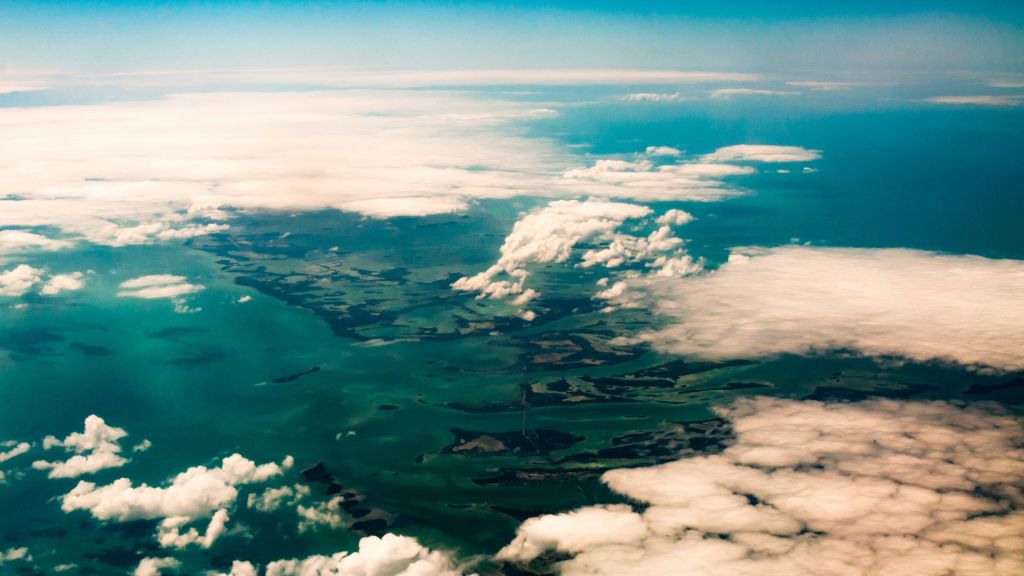
Our journey now takes us to the warm waters of the Caribbean, where the Florida Strait connects the island of Cuba with the American state of Florida. This busy waterway connects the Atlantic Ocean to the Gulf of Mexico and is an important route for trade and movement by sea.
Despite the frequent storms and strong winds that characterize the Florida Strait, navigation remains active in this area. The strait is known for its strong current, which requires specialized knowledge and skills to navigate safely. It is also home to a diverse range of marine life, including the infamous sharks that inhabit its warm waters.
The Florida Strait has played a significant role in shaping the history and culture of both Cuba and the United States. Its waters have witnessed the ebb and flow of people, ideas, and goods, fostering connections and influencing the development of these nations. Today, the strait continues to be a vital waterway for trade and tourism, linking the vibrant cultures of the Caribbean with the bustling cities of Florida.
Our trip through the world’s longest straits is almost over. We hope you have a better understanding of how amazing these waters are. From the icy depths of the Danish Strait to the tropical allure of the Florida Strait, each strait holds its own unique beauty and significance.
These natural marvels have shaped the course of history, facilitating trade, exploration, and cultural exchange. They have witnessed the rise and fall of empires, the clash of civilizations, and the blending of diverse cultures. Straits are not merely bodies of water; they are gateways to new worlds, connecting us to the vastness of our planet.
As you reflect on the splendor of these straits, remember the intricate web of connections that they represent. They are reminders of our shared humanity and the interconnectedness of our world. So, when you gaze upon a strait, let it inspire you to explore, to connect, and to appreciate the wonders that our planet has to offer.