
Port of Casablanca
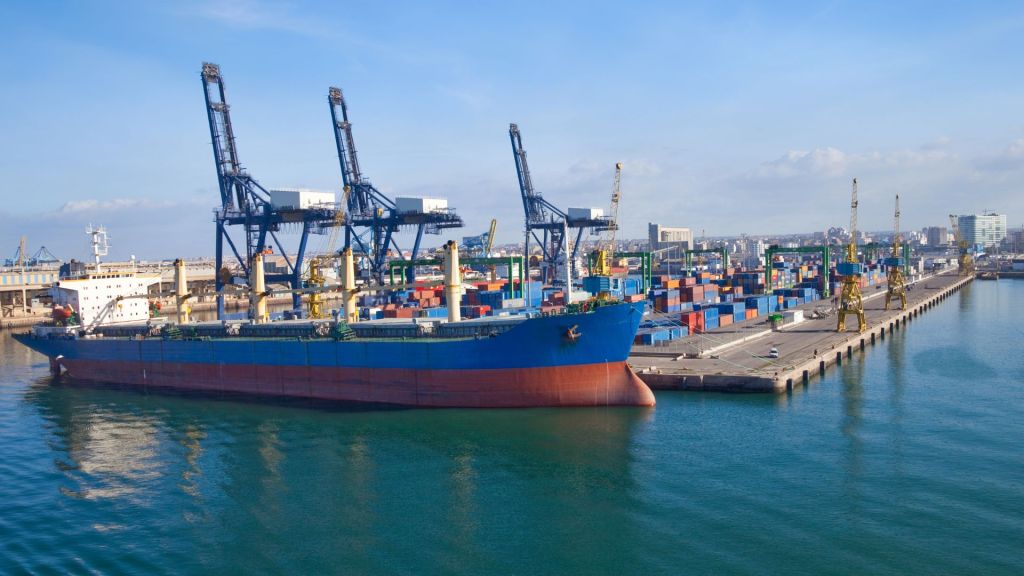
Location: Casablanca, along Morocco’s Atlantic coast
Size and Capacity: The Port of Casablanca is the largest port in Morocco, covering approximately 1,300 hectares of land. It has a total quay length of over 10 kilometers and can handle more than 35 million tons of cargo annually.
Opened: The port’s history dates back to the early 20th century when it began its modernization efforts.
Storage: Casablanca Port offers extensive storage facilities, including container yards and warehouses, to accommodate a wide variety of cargo.
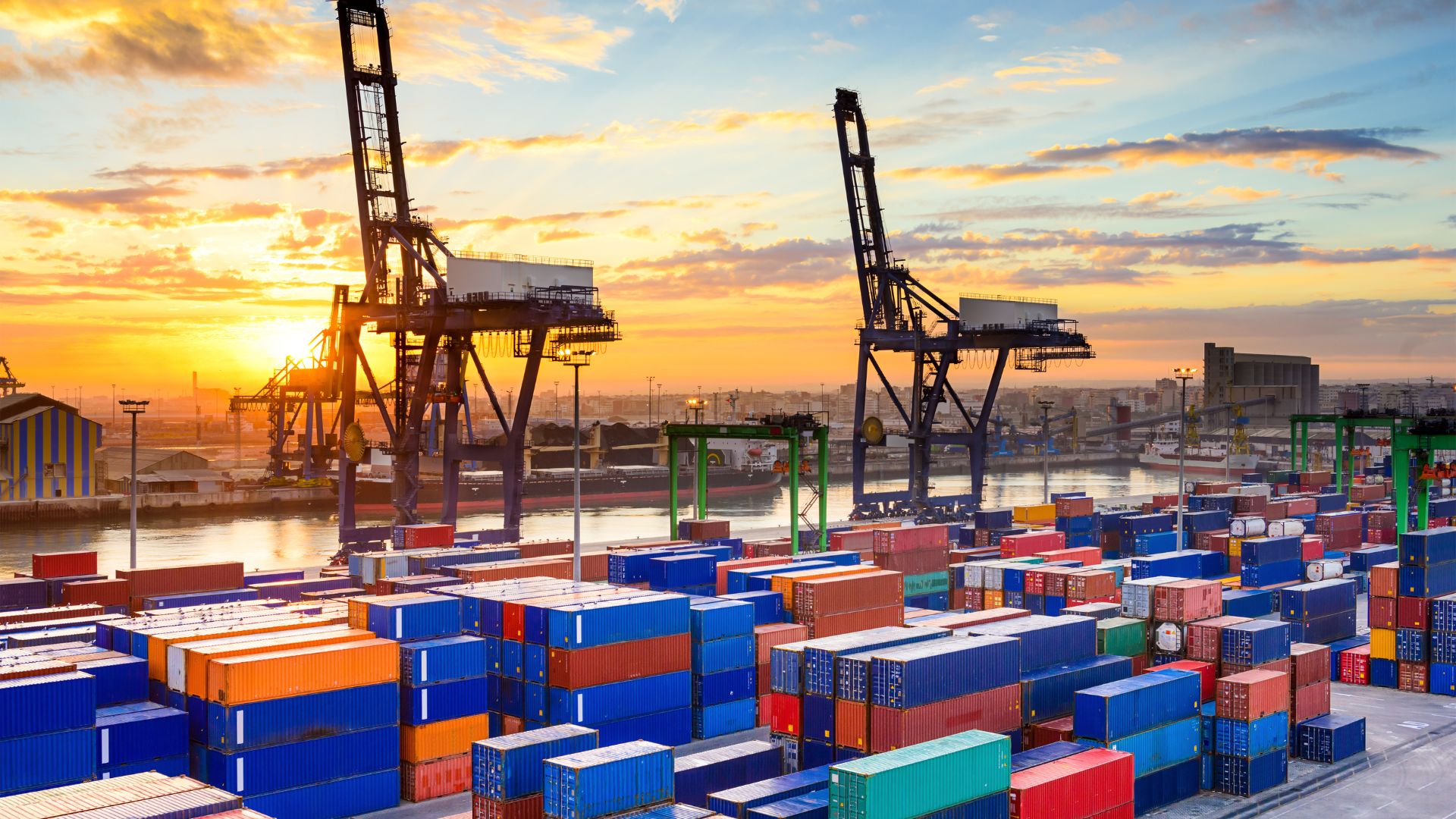
The Port of Casablanca is the largest and busiest port in Morocco. Situated in the economic capital of the country, it handles a diverse range of cargo, including containers, general cargo, and bulk goods. Casablanca Port is a key driver of Morocco’s economy, facilitating international trade and serving as a major transshipment hub in the region.
Port of Tangier

Location: Tangier, along the Strait of Gibraltar
Size and Capacity: A little over 600 hectares in size, the Port of Tangier is one of the biggest container ports in Africa. Its quays are about 9 kilometers long. It can handle more than 9 million twenty-foot equivalent units (TEUs) of containers every year.
Opened: Tangier’s modern port facilities began operating in the early 2000s with the Tangier-Med Port.
Storage: Tangier Port features state-of-the-art container terminals and storage areas to facilitate efficient cargo handling and storage.
The Port of Tangier, strategically located at the entrance of the Mediterranean Sea, is a significant player in Morocco’s maritime trade. The Tangier-Med Port is one of the biggest container ports in Africa and is one of the sites that make it up. Because Tangier is so close to Europe, it is an important trade route between Morocco and Europe.
Port of Agadir

Location: Agadir, along Morocco’s southern coast
Size and Capacity: Agadir Port covers an area of around 300 hectares and has a quay length of approximately 1.5 kilometers. It can handle over 2 million tons of cargo annually.
Opened: The port has a history dating back to the mid-20th century, with continuous modernization efforts.
Storage: Agadir Port provides storage facilities for various cargo types, including refrigerated storage for fruits and vegetables.
Agadir Port is the primary trade gateway for southern Morocco. It specializes in handling various cargo types, including fruits, vegetables, and bulk goods. The port is very important for the shipping and farming industries in the area, which helps Morocco’s economy grow.
Port of Mohammedia
Location: Mohammedia, near Casablanca
Size and Capacity: The Port of Mohammedia specializes in handling bulk goods, particularly petroleum products and chemicals. It features dedicated terminals and storage tanks for these products.
Opened: The port’s history dates back to the mid-20th century when it became a critical industrial port for Morocco.
Storage: Mohammedia Port offers extensive storage facilities for bulk goods, ensuring efficient handling and transportation.
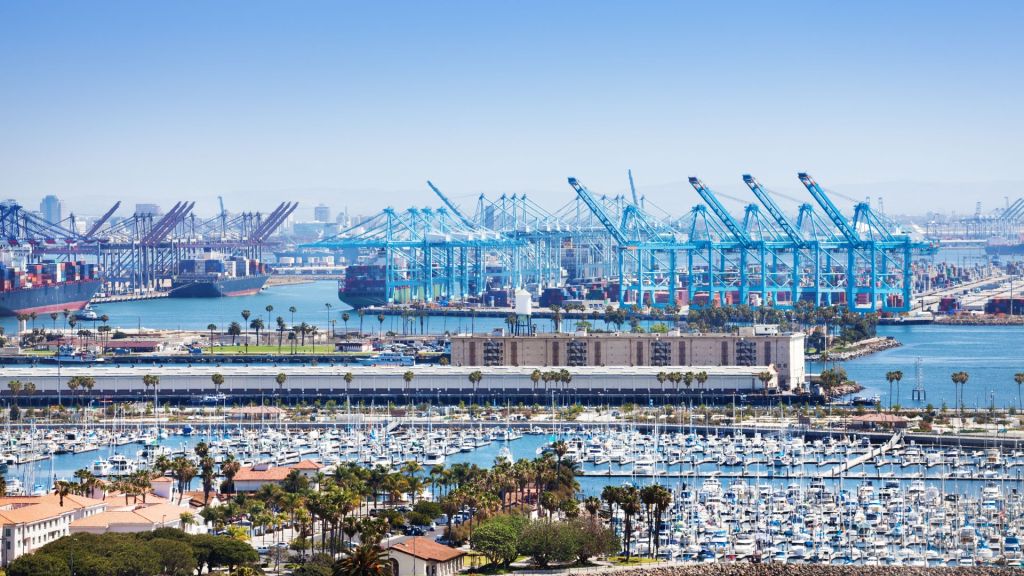
The Port of Mohammedia, situated near Casablanca, is an important industrial port in Morocco. It handles bulk goods, particularly petroleum products and chemicals. Mohammedia’s strategic location and modern facilities support Morocco’s energy sector and industrial development.
Port of Nador

Location: Nador, along Morocco’s Mediterranean coast
Size and Capacity: The Port of Nador specializes in container handling and covers an area of approximately 350 hectares. It has a quay length of over 2 kilometers and can handle more than 1 million TEUs annually.
Opened: Nador Port’s modern facilities began operations in the early 2000s.
Storage: The port features modern container yards and storage areas, ensuring the secure handling and storage of various cargo types.
The Port of Nador, located in the northeastern part of Morocco, is a growing trade hub. It specializes in container handling and is strategically positioned to facilitate trade with Europe and the rest of Africa. Nador Port’s modern infrastructure supports Morocco’s efforts to expand its trade connections.
Morocco’s major ports are vital components of the country’s economic infrastructure, connecting it to the world and supporting international trade. With their prime sites and up-to-date facilities, these ports make a big difference in Morocco’s economic growth and its status as a major player in world trade. As Morocco continues to develop and expand its maritime infrastructure, these ports will remain essential to the nation’s growth and its position on the international stage.