
Geographical Significance

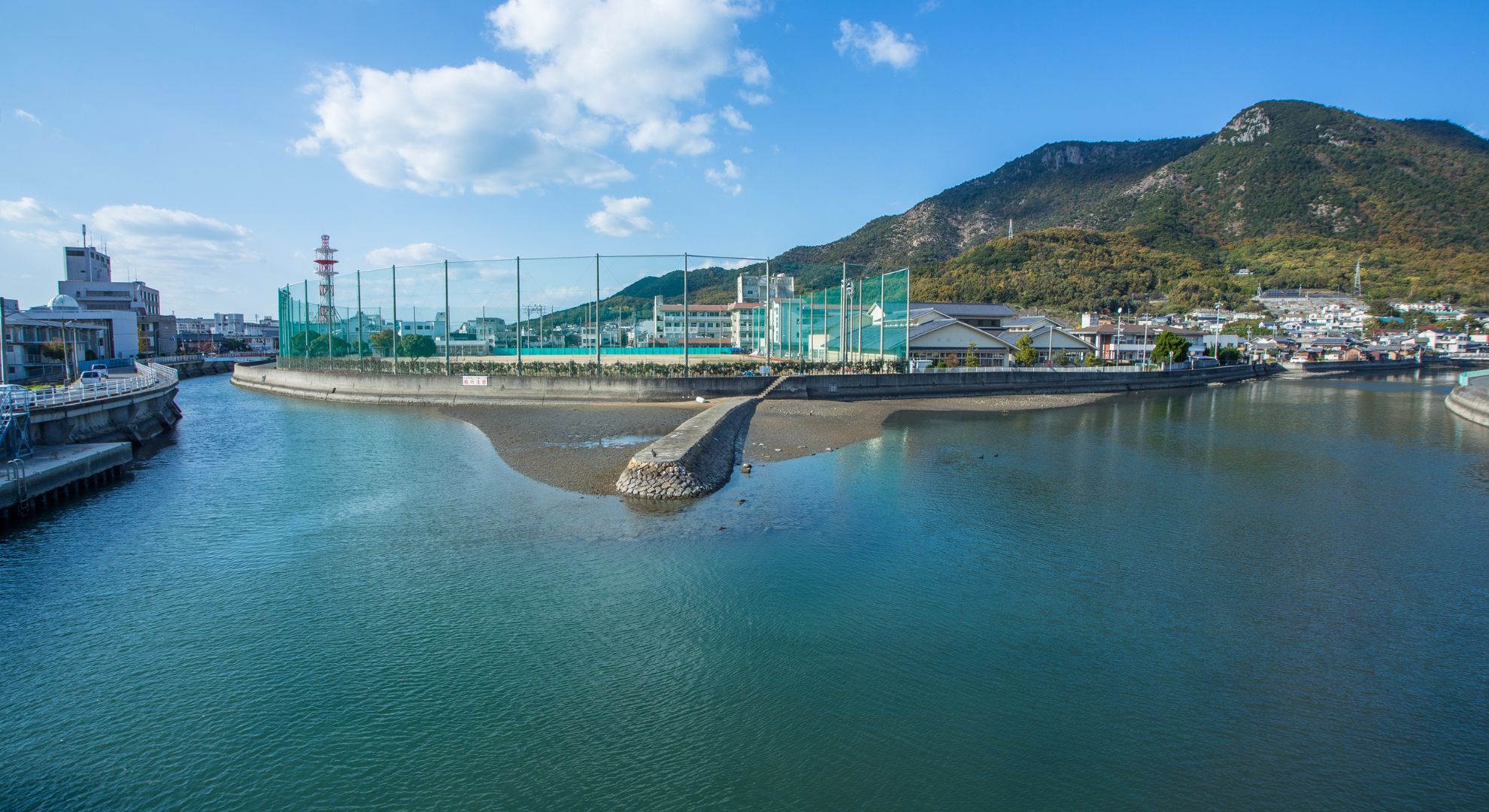
The Bungo Straits, also known as Selat Bangka in Indonesian, serves as a crucial maritime passage connecting the Java Sea to the South China Sea. Stretching approximately 280 kilometers (174 miles) in length, it separates Sumatra’s eastern coast from Bangka Island. This strategic location has made the strait a vital route for maritime trade, facilitating the movement of goods and vessels between the Indian Ocean and the Pacific.
Rich Marine Biodiversity
Beneath the surface of the Bungo Straits lies a rich and diverse marine ecosystem. Many different kinds of fish, crabs, and coral reefs are able to thrive in the nutrient-rich waters. The straits are particularly known for their vibrant coral gardens, which are home to a myriad of colorful fish and other marine organisms. The area’s biodiversity makes it a haven for marine enthusiasts and researchers alike, offering opportunities for exploration and conservation efforts.
Historical Significance
The Bungo Straits have played a significant role in the region’s history, serving as a gateway for maritime trade and cultural exchange. Over the centuries, the straits witnessed the passage of traders, explorers, and colonial powers navigating their way through Southeast Asia. The strategic importance of the Bungo Straits led to various conflicts and conquests as empires vied for control over its waters, leaving behind a legacy of historical landmarks and cultural influences.
Pulau Bangka and Pulau Belitung
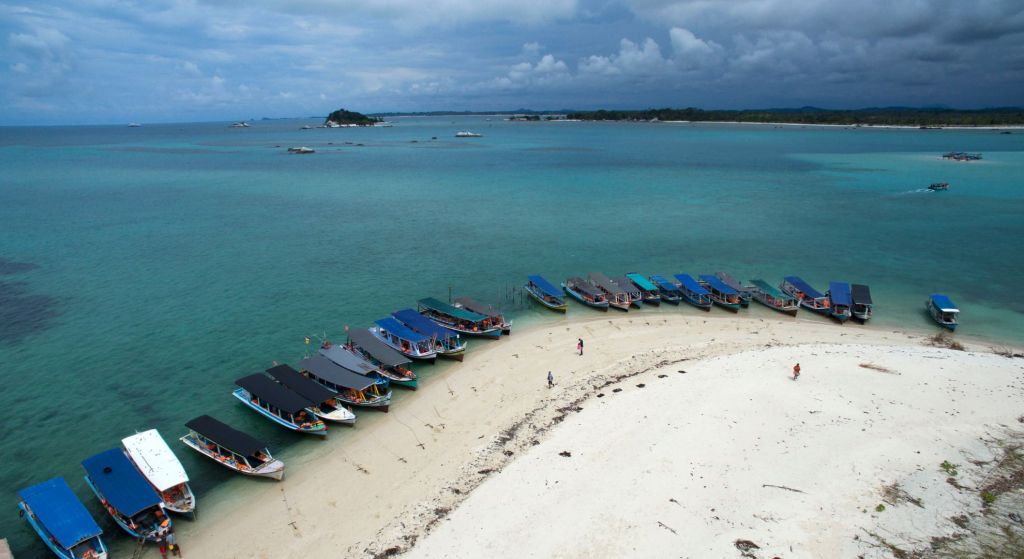
The Bungo Straits are flanked by two prominent islands: Bangka and Belitung. Pulau Bangka, the larger of the two, is renowned for its tin mining industry and pristine beaches. Its rugged coastline and lush interior attract tourists seeking adventure and relaxation. Pulau Belitung, on the other hand, is famous for its picturesque granite rock formations and crystal-clear waters. Both islands provide an opportunity for tourists to see the rich history and stunning landscapes of the area.
Navigation Challenges
Despite its strategic importance, navigating the Bungo Straits can be challenging due to its narrow channels, strong currents, and shifting sandbanks. Mariners must exercise caution when traversing these waters, especially during adverse weather conditions. Over the years, efforts have been made to improve navigational aids and infrastructure to enhance safety and efficiency for maritime traffic passing through the straits.
Cultural Diversity
The Bungo Straits region is home to a diverse array of ethnicities, cultures, and traditions. Indigenous communities living along the coastline have maintained their unique way of life, relying on fishing and maritime activities for sustenance. The cultural tapestry of the Bungo Straits reflects centuries of interaction and exchange between different ethnic groups, including Malays, Javanese, and Chinese, each contributing to the region’s vibrant cultural landscape.
Conservation Efforts

Recognizing the ecological importance of the Bungo Straits, conservation initiatives have been implemented to safeguard its marine biodiversity and natural resources. Marine protected areas have been established to preserve critical habitats and promote sustainable fishing practices. Furthermore, outreach and educational initiatives seek to educate the public on the significance of protecting the straits’ environment for the benefit of generations to come.
The Bungo Straits stand as a testament to the intersection of natural beauty, historical significance, and cultural diversity. The straits never fail to amaze everybody who sets foot in their waters, thanks to their diverse marine life and impact on local commerce and culture. As efforts to conserve and protect this invaluable resource continue, the Bungo Straits will undoubtedly remain a cherished treasure of Southeast Asia.