The Only Cape in England
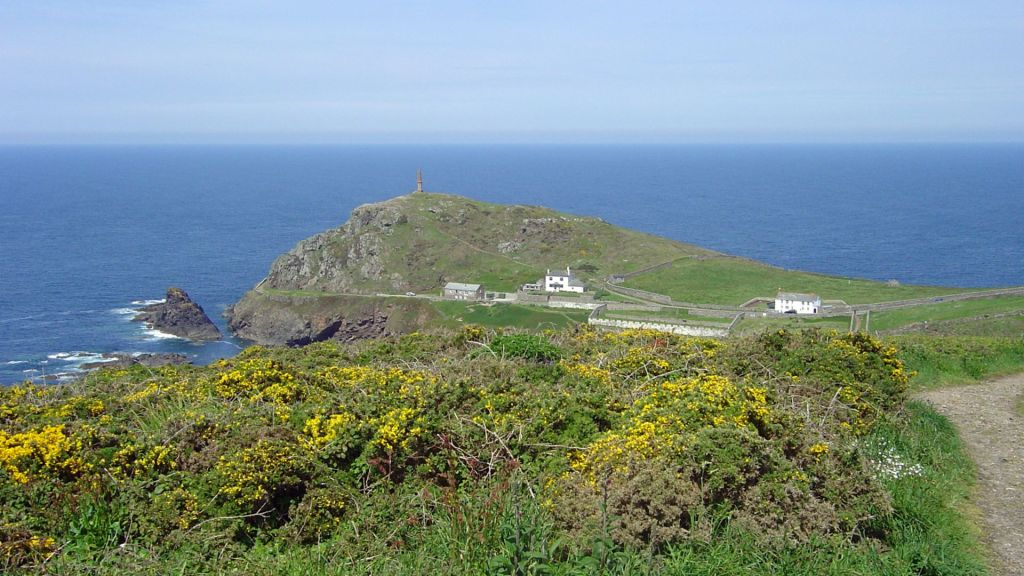
Cape Wrath in Scotland is the only other cape in the UK. Cape Cornwall is the only one in it. A cape is a point of land where two bodies of water meet, making it an important landmark in sea navigation. This distinction adds to the allure of Cape Cornwall, as it marks the spot where the Irish Sea and the Atlantic Ocean converge. The meeting of these two bodies of water creates tremendous water movement and contributes to the area’s stunning natural surroundings.
Geological Significance
Cornwall has a fascinating geological history, and Cape Cornwall plays a significant role in understanding the region’s formation. A recent study by geologists from Plymouth University revealed that a large part of Cornwall and Devon was created millions of years ago when France collided with Britain. This collision resulted in underground volcanic eruptions and the deposition of minerals, which shaped the distinct landscape of Cape Cornwall. These findings highlight the geological border separating Cornwall and South Devon from the rest of the United Kingdom.
Historical Importance
Cape Cornwall has been inhabited since ancient times, with evidence of human presence dating back to the Late Bronze Age. Archaeological surveys conducted in the area have uncovered stone burials called cists, filled with pottery, and the remains of a medieval church known as St. Helen’s Oratory. The presence of a cliff castle nearby suggests that Cape Cornwall was an important region during the Iron Age. The area’s rich history adds to its allure and provides a glimpse into the lives of those who lived here centuries ago.
Tin Mining Legacy
Tin mining played a crucial role in Cornwall’s history, and Cape Cornwall was no exception. Cape Cornwall Mine, a tin mine that operated intermittently between 1838 and 1883, was once a thriving industry in the area. The mine’s chimney, which can still be seen today, served as an aid to navigation, guiding ships along the coast. In 1987, the mine site was purchased by the H. J. Heinz Company and donated to the nation. It is now known as the Cornwall and West Devon Mining Landscape and is a UNESCO World Heritage Site. It used to be Cape Cornwall Mine.
Wildlife and Natural Beauty
Cape Cornwall is home to a wide range of animals and has stunning views of the natural world around it. Seabirds like gannets and fulmars lay their eggs on the Brisons Rocks, which are about a mile southwest of Cape Cornwall. The area is also often visited by migrant birds, such as storm petrels. The rough shoreline, with its rocky rocks and crashing waves, makes a dramatic background for photographers and people who love nature. The South West Coast Path goes to St. Ives and Land’s End, and along the way, visitors can enjoy views of the Atlantic Ocean.

Outdoor Activities
Cape Cornwall has a lot of outdoor things that people can enjoy. People like to swim, snorkel, and boat there because the water is clear and the shore is rough. Experienced kayak fishermen can launch from the rocky headland and try their luck at catching bass, pollack, and wrasse. The Cape Cornwall Golf Course, with its natural course set against cliffs and farmlands, provides a unique golfing experience. Hiking enthusiasts can explore the numerous coastal trails and take in the breathtaking scenery along the way. Whether you’re seeking adventure or relaxation, Cape Cornwall has something for everyone.
Nearby Attractions
Cape Cornwall is conveniently located near several other attractions that are worth exploring. Land’s End, often considered the westernmost point of mainland Britain, is just a short distance away. This iconic landmark offers stunning views and is home to various activities and attractions, including a visitor center and scenic coastal walks. St Just, a charming town near Cape Cornwall, is known for its rich mining history and offers a glimpse into the region’s past. The Minack Theatre, an open-air theater carved into the cliffs, is another must-visit attraction in the area. With so many nearby attractions, Cape Cornwall serves as an excellent base for exploring the beauty of West Cornwall.
Cape Cornwall is an interesting place to visit because it has a lot of natural beauty, historical importance, and fun things to do outside. From its geological formation to its tin mining legacy, the area has a rich history that adds to its allure. Whether you’re exploring the rugged coastline, discovering the remains of Cape Cornwall Mine, or simply enjoying the stunning views, Cape Cornwall is a must-visit destination for those seeking to immerse themselves in Cornwall’s unique charm.