Setting the Scene: Brazil’s Strategic Maritime Footprint

With a coastline stretching over 7,400 kilometers, Brazil’s strategic maritime footprint is undeniable. This geographic advantage has not only shaped the nation’s history but also propelled its economic development. Ports have emerged as linchpins of this growth, facilitating the movement of goods, fostering industrial expansion, and establishing Brazil as a key player in global trade.
The Lifeblood of a Nation: Ports and Economic Prosperity
Brazil’s ports are the lifeblood of its economy, pumping the vitality of trade into the nation’s veins. These bustling hubs handle a staggering volume of cargo, ranging from agricultural commodities to manufactured goods, raw materials to finished products. This constant flow of trade not only generates revenue but also creates employment opportunities, stimulates ancillary industries, and contributes to the overall well-being of the Brazilian people.
Embracing a Legacy: Brazil’s Storied Maritime History
Brazil’s maritime history is a tale of exploration, commerce, and cultural exchange. From the early Portuguese explorers who first set foot on its shores to the modern-day shipping giants that navigate its waters, the sea has always been an integral part of the Brazilian identity. This legacy is deeply ingrained in the nation’s psyche and continues to influence its maritime policies and practices.
Gateways to Global Markets: Brazil’s Port Infrastructure Today
Today, Brazil’s port infrastructure is a testament to its commitment to facilitating global trade. State-of-the-art terminals, efficient cargo handling facilities, and sophisticated logistics networks ensure the smooth and timely movement of goods. The country’s ports are not merely gateways to global markets; they are catalysts for economic growth, connecting Brazil to the world and positioning it as a major player in international commerce.
Rio de Janeiro: The Marvelous City’s Maritime Marvel

A Natural Harbor’s Allure: Guanabara Bay’s Advantages
Nestled within the embrace of the iconic Guanabara Bay, the port of Rio de Janeiro is a maritime marvel, a testament to nature’s artistry and human ingenuity. Its natural harbor, protected from the elements and boasting deep waters, provides an ideal haven for ships of all sizes. This strategic advantage, coupled with modern infrastructure, has made Rio’s port a vital hub for international trade.
Powerhouse of Industry: Rio’s Economic Engine
Rio de Janeiro’s port is not only a gateway for trade but also a powerhouse of industry. It supports a wide range of sectors, from manufacturing and petrochemicals to agriculture and tourism. The port’s economic impact extends far beyond its boundaries, contributing significantly to the city’s and the nation’s GDP.
Cruise Capital of South America: Welcoming Luxury Liners
In addition to its commercial significance, Rio’s port is a popular destination for cruise ships, earning it the moniker “Cruise Capital of South America.” Luxury liners from around the world dock here, bringing with them tourists eager to explore the city’s vibrant culture, stunning landscapes, and iconic landmarks.
Santos: South America’s Busiest Container Hub
Breaking Records: The Largest Port in Latin America
Santos, located on the southeastern coast of Brazil, is a titan among ports, boasting the title of the largest container port in Latin America. Its sheer scale and capacity are awe-inspiring, handling a colossal volume of cargo that reflects Brazil’s economic might and its pivotal role in global trade.
Diversified Operations: Handling Diverse Cargo Types
Santos is not a one-trick pony; it’s a versatile port that caters to a diverse range of cargo types. From containers and bulk commodities to liquid cargo and project cargo, Santos’ terminals are equipped to handle it all. This operational flexibility is a testament to the port’s adaptability and its commitment to meeting the evolving demands of global trade.
Efficiency Drive: Modernization and Expansion Plans
Santos is not resting on its laurels; it’s constantly striving for greater efficiency and capacity. Modernization projects, such as the implementation of automated systems and the expansion of terminal facilities, are underway to ensure that the port remains at the forefront of maritime innovation and continues to serve as a vital gateway for Brazil’s international trade.
Paranaguá: Gateway to Brazil’s Agricultural Heartland
Agribusiness Artery: Serving the Nation’s Breadbasket
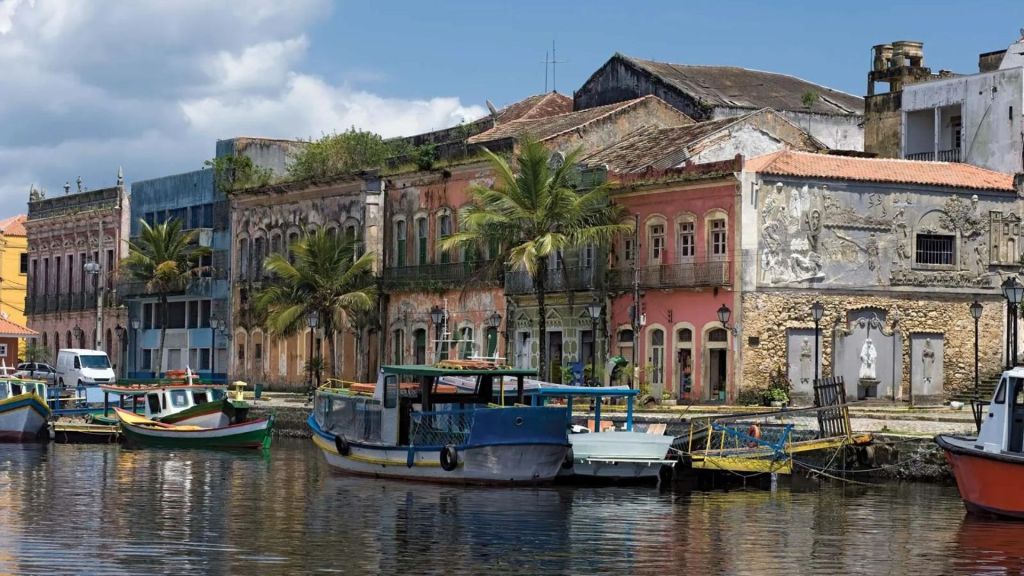
Paranaguá, situated in the southern state of Paraná, is a vital artery for Brazil’s agribusiness sector, serving as a gateway to the nation’s agricultural heartland. Exports of sugar, coffee, soybeans, corn, and a host of other agricultural commodities are handled by it, which greatly enhances Brazil’s agricultural might.
Multipurpose Prowess: Accommodating Various Cargoes
Paranaguá is not just an agricultural port; it’s a multipurpose facility that accommodates a wide variety of cargoes. From fertilizers and vehicles to general cargo and project cargo, Paranaguá’s terminals are equipped to handle it all. This operational versatility is a testament to the port’s adaptability and its commitment to serving the diverse needs of its customers.
Environmental Stewardship: Sustainable Port Practices
Paranaguá is not only focused on economic growth but also on environmental sustainability. The port has implemented various initiatives to minimize its ecological footprint, such as energy-efficient technologies, waste management programs, and environmental monitoring systems. These efforts demonstrate Paranaguá’s commitment to being a responsible steward of the environment.
Itajaí: The Unsung Hero of Brazil’s Exports
Powering Poultry and Pork Exports: A Global Protein Provider
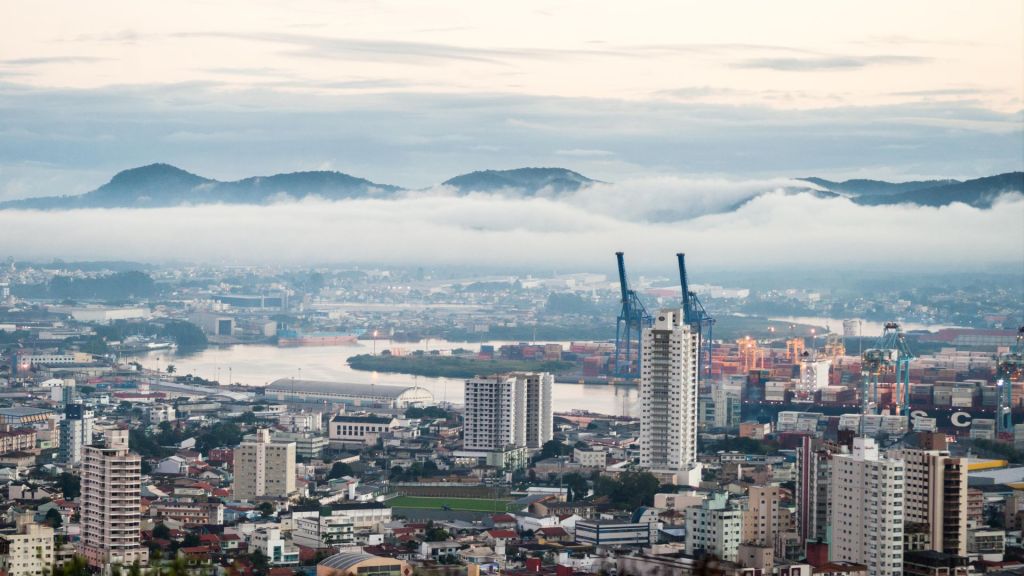
Itajaí, located in the southern state of Santa Catarina, is an unsung hero of Brazil’s export sector, playing a crucial role in powering the nation’s poultry and pork exports. It handles a significant portion of Brazil’s frozen protein shipments, contributing to the country’s reputation as a global protein provider.
Diverse Cargo Mix: Handling Varied Shipments
Itajaí is not just a protein port; it’s a diverse facility that handles a wide range of cargoes. From wood pulp and paper to machinery and manufactured goods, Itajaí’s terminals are equipped to handle it all. This operational flexibility is a testament to the port’s adaptability and its commitment to serving the diverse needs of its customers.
Expansion Ambitions: Meeting Growing Demand
Itajaí is not content with its current status; it’s constantly striving for growth and expansion. Ambitious projects, such as the construction of new terminals and the dredging of deeper channels, are underway to increase the port’s capacity and accommodate the growing demand for its services. These efforts demonstrate Itajaí’s commitment to remaining a vital player in Brazil’s export sector.
Suape: Brazil’s Northeastern Powerhouse
Strategic Location: Serving the Northeast Corridor
Suape, situated in the northeastern state of Pernambuco, is a strategic powerhouse, serving as a vital gateway for the Northeast Corridor. Its location, close to major industrial centers and agricultural regions, makes it an ideal hub for the movement of goods, both domestically and internationally.
Industrial Prowess: Supporting Key Sectors
Suape is not just a port; it’s an industrial complex that supports a wide range of sectors, from petrochemicals and shipbuilding to logistics and renewable energy. The port’s industrial prowess is a testament to its commitment to economic diversification and its role in driving regional development.
Future-Ready: Ambitious Development Plans
Suape is not resting on its laurels; it’s constantly looking towards the future. Ambitious development plans, such as the expansion of existing terminals and the construction of new ones, are underway to enhance the port’s capacity and capabilities. These efforts demonstrate Suape’s commitment to remaining a key player in Brazil’s economic landscape.
Rio Grande: Southernmost Port, Global Reach
Agricultural Gateway: Supporting Brazil’s Southern Crops
Rio Grande, located in the southernmost state of Rio Grande do Sul, is an agricultural gateway, supporting Brazil’s southern crops. It handles a significant portion of the region’s agricultural exports, including soybeans, rice, and wheat, facilitating their movement to global markets and contributing to Brazil’s agricultural dominance.
Offshore Expertise: Servicing the Oil and Gas Industry
Rio Grande is not just an agricultural port; it’s a hub for offshore expertise, servicing the oil and gas industry. It provides a range of services, from logistics and supply chain management to ship repair and maintenance, supporting the exploration and production of oil and gas in the region.
Expansion Underway: Bolstering Capacity and Capabilities
Rio Grande is not content with its current status; it’s constantly striving for growth and expansion. Ambitious projects, such as the construction of new terminals and the dredging of deeper channels, are underway to increase the port’s capacity and accommodate the growing demand for its services. These efforts demonstrate Rio Grande’s commitment to remaining a vital player in Brazil’s economic landscape.
São Sebastião: An Emerging Maritime Star

Liquid Bulk Specialist: Handling Petroleum Products
São Sebastião, located on the northern coast of São Paulo state, is an emerging maritime star, specializing in the handling of liquid bulk cargo, particularly petroleum products. Its strategic location near major oil refineries and its modern infrastructure have made it a key player in the transportation and distribution of petroleum products in the region.
Untapped Potential: Future Growth Opportunities
Despite its current success, São Sebastião’s potential remains largely untapped. The port is actively exploring opportunities for diversification and expansion, eyeing the handling of other types of cargo, such as containers and bulk commodities. This forward-thinking approach demonstrates São Sebastião’s ambition to become a more comprehensive and versatile maritime hub.
Environmental Forefront: Sustainable Port Initiatives
São Sebastião is not only focused on economic growth but also on environmental sustainability. The port has implemented various initiatives to minimize its ecological impact, such as the use of clean energy sources, the adoption of waste reduction programs, and the implementation of strict environmental monitoring systems. These efforts showcase São Sebastião’s commitment to being a responsible steward of the environment and a leader in sustainable port practices.
Brazil’s Maritime Might: Connecting the Nation to the World
Brazil’s ports are more than just gateways for trade; they are symbols of the nation’s maritime might, connecting it to the world and propelling its economic growth. From the bustling terminals of Santos to the emerging star of São Sebastião, each port plays a vital role in the nation’s maritime tapestry. As Brazil continues to navigate the complexities of global trade, its ports will remain steadfast, adapting to new challenges, embracing innovation, and ensuring that the nation remains a key player on the international stage.