Overview of Zambia’s Economy
Before diving into the specifics of each port, it’s essential to understand Zambia’s economy. Zambia’s economy has traditionally relied on copper mining and agriculture. However, a decrease in copper prices in the late 1990s led to economic instability, resulting in the privatization of many industries. Since 2007, Zambia’s economy has experienced growth due to diversification efforts, focusing on travel and tourism, hydropower, and agricultural reforms. Despite this growth, nearly 60% of Zambia’s population lives in extreme poverty.
Importance of Ports in Zambia
Zambia’s ports play a crucial role in facilitating trade, both within the country and with international partners. Although Zambia is a landlocked country, its inland and dry ports provide essential gateways for the import and export of goods. These ports offer direct shipping connections with other countries, acting as hubs for goods transportation in their respective regions.
Port of Mpulungu

Zambia’s main inland port, the Port of Mpulungu, is situated in the northern province on the shores of Lake Tanganyika.
History
The port was established in 1929, before Zambia’s independence from Britain. Initially, it served as a fishing harbor but later transformed into a storage facility for fuel shipped from the East African region.
Characteristics
Today, the port primarily handles the export of cement, grains, and sugar. It features two conventional berths and is equipped with three mobile harbor cranes, forklifts, and a container lift.
Future Plans
Mpulungu Harbour Corporation Limited plans to renovate and expand the port to increase its cargo handling and passenger capacity by the end of this decade.
Tazara Dry Port
Opened in 2018, the Tazara Dry Port is located in Kapiri Mposhi and serves as a significant logistics centre for the eastern and central trade corridors.
Facilities
The dry port boasts a gantry crane, warehousing facilities, modern equipment for handling containerized cargo, and two heavy-duty weighbridges for port trucks.
Mulambwa Harbour
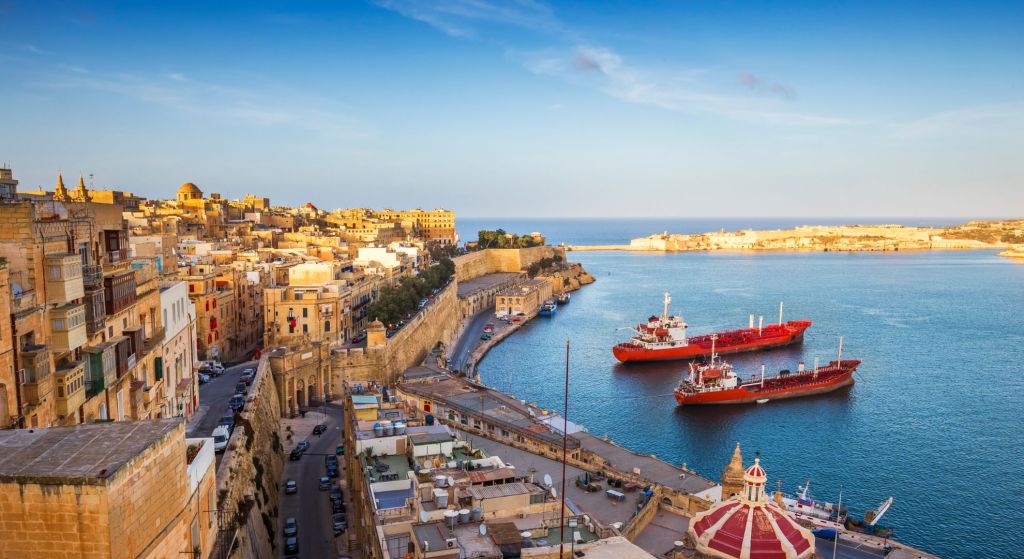
Located on the Zambezi River, Mulambwa Harbor handles cargo destined for Kalabo, a district in western Zambia. It accommodates small fishing vessels and river barges, making it the second busiest port in Zambia.
However, connectivity issues due to the absence of all-weather roads present a challenge. There are ongoing plans to construct a highway to connect Mulambwa harbor with the Kalabo district, which would boost interregional trade among Zambia, Angola, and other neighbors.
Port of Nchelenge
Nchelenge, located in the Luapula province on the southeastern coast of Mweru Lake, houses a bustling port that operates ferries to the lake’s two small islands, Kilwa and Isoke
Siavonga Harbour
The Siavonga Harbour, located on the northern shores of Lake Kariba, is a popular resort known as the Riviera of Zambia. Primarily catering to tourists, the port offers various water sports like boating and fishing.
Zambian Dry Port in Walvis Bay
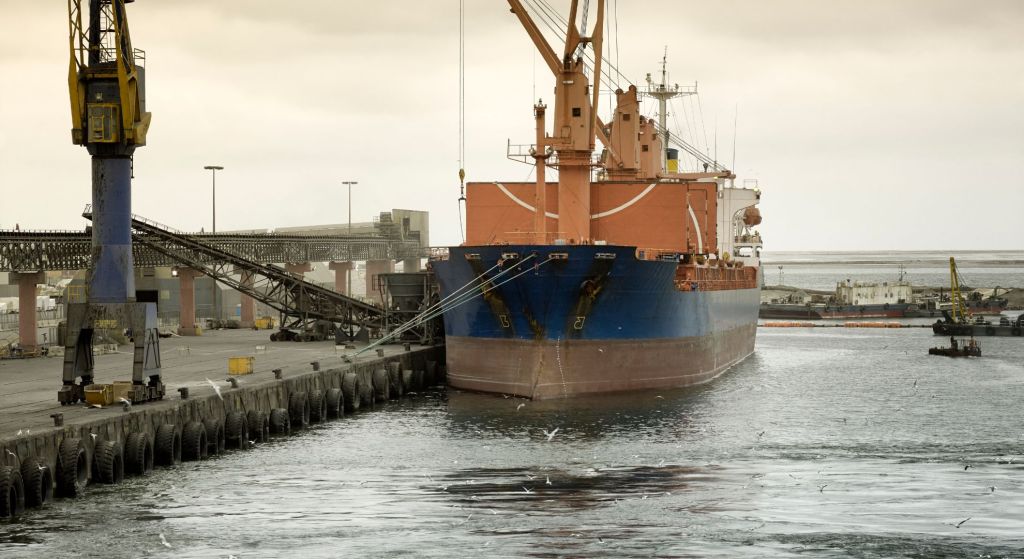
Opened in 2017, the Zambian Dry Port on Walvis Bay serves as a distribution hub and logistics centre for Zambia and other SADC countries. It offers customs clearance and bagging services and handles a wide variety of goods, including seafood, meat, fruits, building materials, and machinery.
Samfya Port
Located on the banks of Bangweulu Lake, the Samfya Port is one of Zambia’s most significant fishing ports. The lake fisheries are home to bream, yellow bellies, tigerfish, and catfish. However, overexploitation of the lake’s resources is a pressing issue due to the increasing tourist activities in the area
The seven major ports in Zambia play a crucial role in the country’s economy, facilitating trade and contributing to the country’s growth and development. Despite being a landlocked country, Zambia’s ports provide a vital link to global trade routes, ensuring the smooth flow of goods both within and outside the country.