1. Hamad Port: Qatar’s Maritime Powerhouse

Location: South of Doha
Hamad Port, Qatar’s main seaport, stands as a testament to the nation’s vision of becoming a regional trade hub. Since its inauguration in 2017, Hamad Port has quickly became well-known as one of the largest ports in the Middle East. Operated by Mwani Qatar, under the supervision of the Ministry of Transport, Hamad Port boasts state-of-the-art facilities and efficient operations.
Key Features of Hamad Port
- Container Terminals: Hamad Port houses three container handling facilities equipped with the latest port equipment, including ship-to-shore cranes and high-tech gantry cranes. These terminals have a collective capacity to handle over 7 million twenty-foot equivalent units (TEUs) annually.
- General Cargo Handling Facility: Hamad Port’s general cargo handling facility deals with non-containerized cargo such as machinery, steel, dry bulk, construction equipment, fertilizers, and petroleum goods. With ample storage space and advanced handling capabilities, it can handle around 1.6 million tonnes of cargo.
- Multipurpose Terminal: The multipurpose terminal at Hamad Port is divided into smaller units to handle specific goods, such as grains, livestock, and automobiles. The grain handling facility features automatic loading and unloading conveyor belts that directly transfer grain into silos, eliminating the need for manual labor. The automobile terminal handles shipments of more than 450,000 vehicles annually, while the livestock terminal ensures proper separation and handling of different kinds of livestock.
Achievements and Recognition
Hamad Port has garnered international recognition for its exceptional performance. In 2022, it ranked eighth globally and third in the Arab region on the Container Port Performance Index (CPPI), issued by the World Bank and S&P Global Market Intelligence. This index measures the efficiency of ports based on vessel time in port, reflecting Hamad Port’s high-quality operations.
2. Doha Port: A Legacy Transformed

Location: Doha
Doha Port, the former main seaport of Qatar, has been replaced by the more advanced Hamad Port. However, it still plays a significant role in the nation’s maritime trade industry. Managed by Mwani Qatar, Doha Port continues to handle specific imports of livestock, vehicles, grains, and cereals.
Key Features of Doha Port
Livestock Handling Facility: Doha Port is equipped to manage livestock imports efficiently, ensuring proper handling and separation of different kinds of livestock.
Vehicle Terminal: This terminal is dedicated to the import of vehicles, facilitating the handling of a significant number of automobiles annually.
Grain and Cereal Facility: The port has specialized facilities for handling grains and cereals, featuring advanced equipment to ensure efficient loading, unloading, and storage.
Strategic Location: Situated in Doha, the port is strategically positioned to support local trade and supply chain operations, acting as a supplementary hub to the larger Hamad Port.
Achievements and Recognition
Historical Significance: As Qatar’s former main seaport, Doha Port has a history of being the center of marine trade for many years, which helped the country’s economy grow a lot.
Ongoing Contribution: Despite being replaced by Hamad Port as the primary seaport, Doha Port continues to play a vital role in handling specific imports, thereby supporting Qatar’s diverse trade requirements.
Operational Efficiency: Managed by Mwani Qatar, Doha Port maintains efficient operations, leveraging its strategic location and specialized facilities to ensure the smooth handling of livestock, vehicles, grains, and cereals.
3. Al Ruwais Port: Connecting Northern Qatar
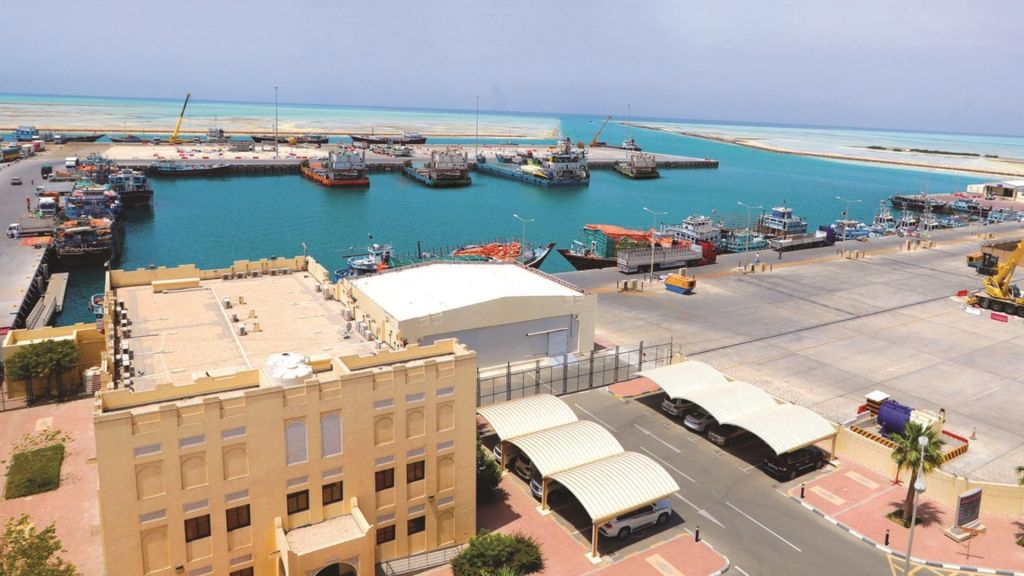
Location: Northern Qatar
Al Ruwais Port, situated on the northern end of Qatar, has revitalized the economy of the region by increasing and diversifying cargo shipments. In addition to conventional cargoes, Al Ruwais Port serves as an efficient maritime gateway for the delivery of fresh and refrigerated food from neighboring countries. The port has witnessed substantial infrastructural development, including the expansion of wharves to accommodate small and medium-sized vessels, further enhancing trade ties with nearby nations.
Key Features of Al Ruwais Port
Refrigerated Cargo Handling Facility: Al Ruwais Port is equipped with specialized facilities for handling fresh and refrigerated food, ensuring timely and efficient delivery from neighboring countries.
Expanded Wharves: The port has expanded its wharves to accommodate small and medium-sized vessels, enhancing its capacity to handle diverse cargo types and improving trade connectivity with nearby nations.
Diverse Cargo Handling: Besides conventional cargoes, Al Ruwais Port handles a variety of goods, contributing to the economic diversification of northern Qatar.
Strategic Location: Situated on the northern end of Qatar, Al Ruwais Port serves as a crucial maritime gateway for the region, facilitating increased trade and economic activity.
Achievements and Recognition
Economic Revitalization: Al Ruwais Port has played a significant role in revitalizing the economy of northern Qatar by increasing and diversifying cargo shipments.
Infrastructure Development: The port has undergone substantial infrastructural improvements, including the expansion of wharves, enhancing its operational capacity and efficiency.
Regional Trade Enhancement: By serving as an efficient maritime gateway for fresh and refrigerated food deliveries, Al Ruwais Port has strengthened trade ties with neighboring countries, boosting regional economic cooperation.
4. Mesaieed Port: Qatar’s Industrial Hub
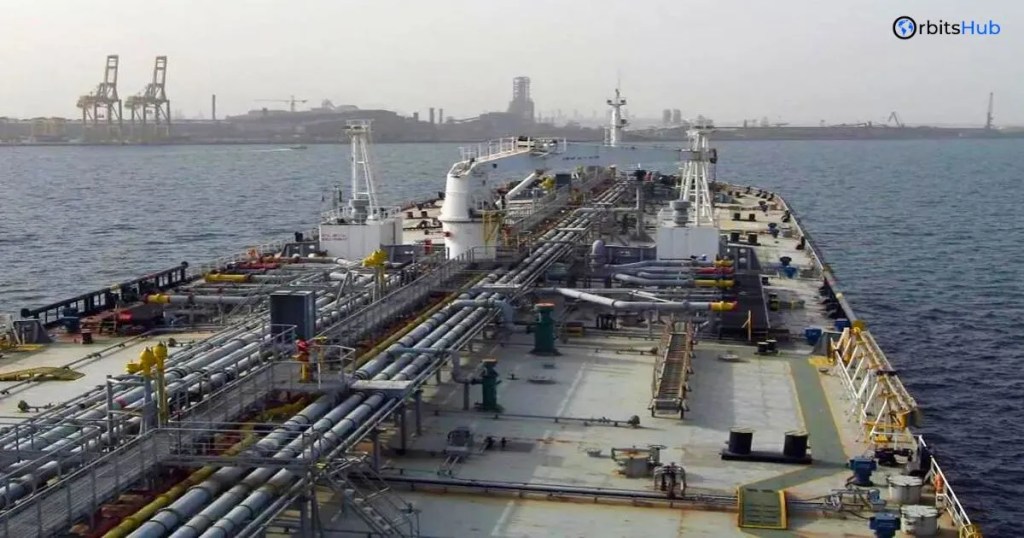
Location: Eastern coast of Qatar, south of Doha
Mesaieed Port, also known as Umm Said Port, is strategically located in Qatar’s industrial region. As one of the most important ports in the country, it handles a diverse range of goods, including crude oil, refined products, petrochemicals, grains, livestock, and more. Mesaieed Port’s operational berths cater to specific cargoes, ensuring efficient handling and storage.
Key Features of Mesaieed Port
Crude Oil and Refined Products Handling: Mesaieed Port is equipped with specialized facilities for the efficient handling and storage of crude oil and refined petroleum products.
Petrochemical Handling Facility: The port has dedicated berths for managing petrochemicals, ensuring safe and efficient operations in Qatar’s industrial region.
Grain and Livestock Handling: Mesaieed Port accommodates the import of grains and livestock, featuring advanced equipment for efficient loading, unloading, and storage.
Operational Berths: The port’s multiple operational berths are designed to handle specific types of cargo, enhancing overall efficiency and reducing turnaround time.
Achievements and Recognition
Industrial Significance: Mesaieed Port plays a pivotal role in Qatar’s industrial sector, handling a diverse range of goods essential for the nation’s economy.
Efficient Operations: The port’s well-organized berths and specialized handling facilities contribute to its reputation for operational efficiency and reliability.
Economic Contribution: By facilitating the import and export of crude oil, refined products, petrochemicals, grains, and livestock, Mesaieed Port significantly contributes to Qatar’s economic growth and industrial development.
5. Ras Laffan Port: LNG Exporting Giant
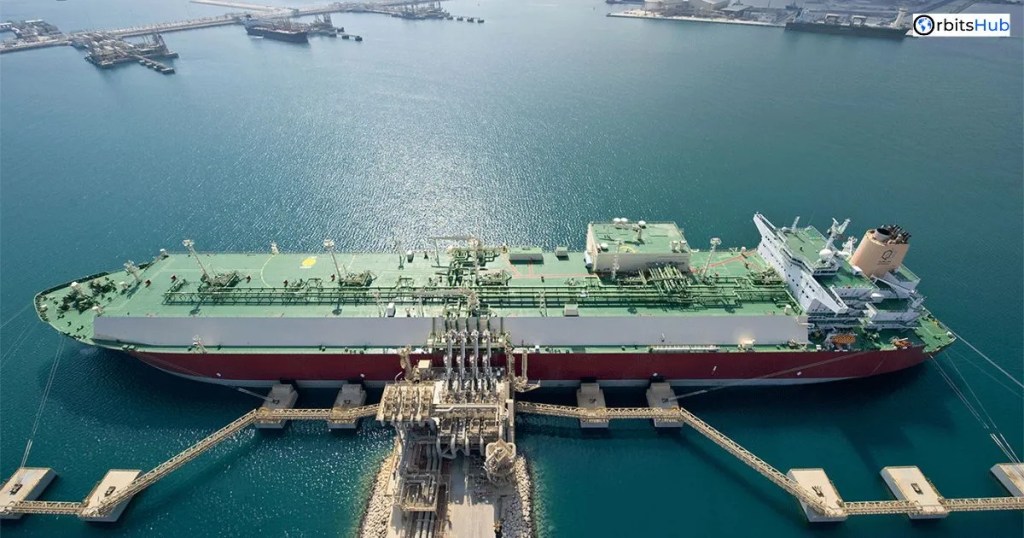
Location: Northeast coast of Qatar
Ras Laffan Port holds the distinction of being the world’s largest liquefied natural gas (LNG) exporting facility. With its deepwater port and extensive infrastructure, Ras Laffan Port serves as a crucial link in the global LNG supply chain. It accommodates the largest carrier ships, making it a strategic hub for transporting hydrocarbon goods to major destinations worldwide.
Key Features of Ras Laffan Port
LNG Export Facilities: Ras Laffan Port is equipped with state-of-the-art facilities for the efficient export of liquefied natural gas (LNG), supporting Qatar’s position as a leading LNG supplier globally.
Deepwater Port: The port features deepwater capabilities, allowing it to accommodate the largest LNG carrier ships and facilitate seamless global transportation.
Extensive Infrastructure: Ras Laffan Port boasts extensive infrastructure, including multiple berths and specialized equipment, ensuring efficient handling and storage of hydrocarbon goods.
Comprehensive Support Facilities: The port includes various support facilities to enhance operational efficiency, such as storage tanks, loading arms, and advanced safety systems.
Achievements and Recognition
World’s Largest LNG Exporting Facility: Ras Laffan Port holds the distinction of being the largest LNG exporting facility globally, reflecting its significant role in the international energy market.
Strategic Hub for Hydrocarbon Transportation: The port’s ability to accommodate the largest LNG carriers makes it a crucial hub for the transportation of hydrocarbon goods to key destinations worldwide.
Global Supply Chain Contribution: By serving as a key link in the global LNG supply chain, Ras Laffan Port significantly contributes to the stability and reliability of international energy supplies, reinforcing Qatar’s position as a top LNG exporter.
6. Al-Rayyan Marine Oil Terminal: Offshore Oil Operations
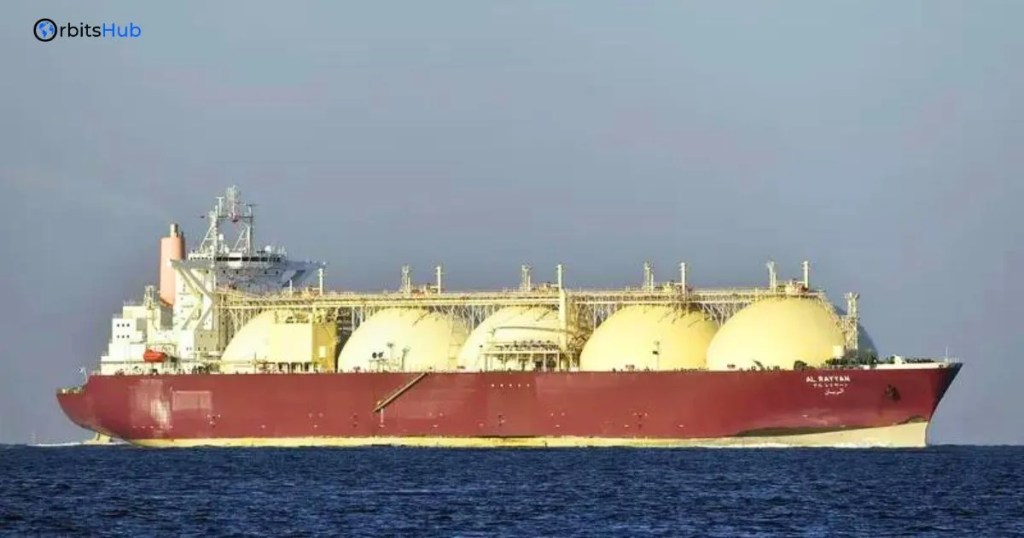
Location: Southern portion of the Persian Gulf
Al-Rayyan Marine Oil Terminal, located in the southern portion of the Persian Gulf, serves as an export terminal for Qatar Marine Crude oil. This terminal includes a storage tanker and single-point moorings for export tankers. With its strategic position and efficient operations, it facilitates the smooth transportation of crude oil to international markets.
Key Features of Al-Rayyan Marine Oil Terminal
Export Terminal for Qatar Marine Crude Oil: Al-Rayyan Marine Oil Terminal specializes in the export of Qatar Marine Crude oil, supporting the nation’s oil industry.
Storage Tanker: The terminal includes a storage tanker to efficiently manage crude oil before export, ensuring smooth and continuous operations.
Single-Point Moorings: Equipped with single-point moorings for export tankers, the terminal allows for efficient and secure loading of crude oil onto vessels.
Efficient Operations: Al-Rayyan Marine Oil Terminal boasts efficient operations, minimizing turnaround time and maximizing export capacity.
Achievements and Recognition
Key Export Facility: As a crucial export terminal for Qatar Marine Crude oil, Al-Rayyan Marine Oil Terminal plays a vital role in the nation’s oil export infrastructure.
Strategic Importance: The terminal’s strategic location in the Persian Gulf allows it to efficiently connect Qatar’s crude oil production with global markets.
Operational Excellence: With its storage tanker and single-point moorings, Al-Rayyan Marine Oil Terminal is recognized for its operational excellence and contribution to the smooth transportation of crude oil to international markets.
7. Al-Shaheen Oil Terminal: A Rich Offshore Resource
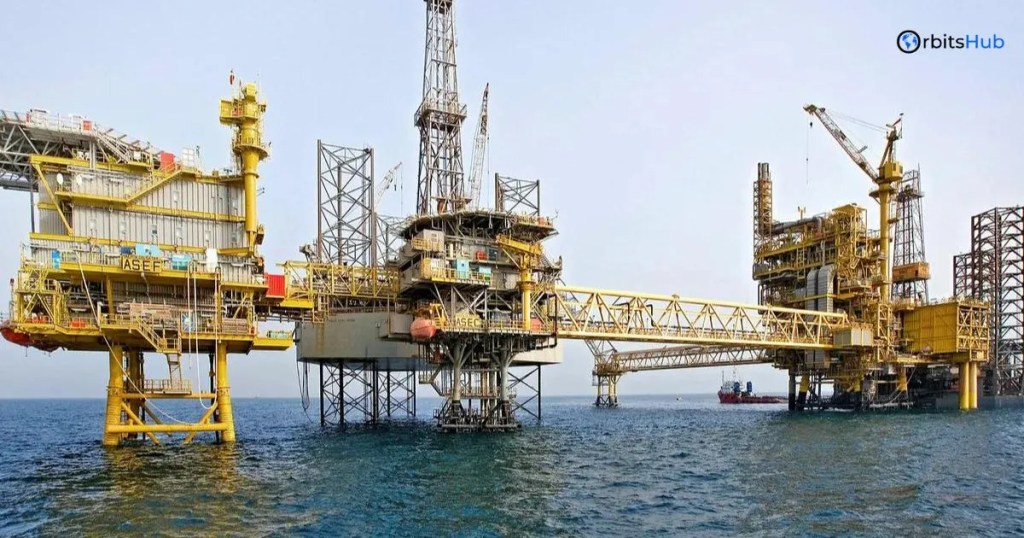
Location: Off the northeast coastline of Qatar
Al-Shaheen Oil Terminal is situated near the Shaheen oil field, Qatar’s largest offshore oil field. This terminal, operated by the North Oil Company, handles a substantial portion of Qatar’s oil production. With its numerous platforms and wells, Al-Shaheen Oil Terminal plays a vital role in ensuring the export of millions of barrels of oil annually.
Key Features of Al-Shaheen Oil Terminal
Proximity to Shaheen Oil Field: Al-Shaheen Oil Terminal is strategically located near Qatar’s largest offshore oil field, facilitating efficient handling of oil production.
Multiple Platforms and Wells: The terminal includes numerous platforms and wells, ensuring the continuous extraction and processing of substantial oil quantities.
Operational Efficiency: Operated by the North Oil Company, the terminal boasts advanced technology and infrastructure, enhancing its efficiency in managing oil production and export.
High Export Capacity: Al-Shaheen Oil Terminal is capable of handling millions of barrels of oil annually, contributing significantly to Qatar’s oil export volume.
Achievements and Recognition
Major Offshore Resource: Al-Shaheen Oil Terminal plays a critical role in Qatar’s oil industry, handling a substantial portion of the nation’s oil production.
Operational Excellence: Managed by the North Oil Company, the terminal is recognized for its advanced operations and significant contribution to Qatar’s oil export infrastructure.
High Production Volume: By managing the export of millions of barrels of oil annually, Al-Shaheen Oil Terminal significantly contributes to Qatar’s position as a leading oil exporter on the global stage.
8. Halul Island: Serving Qatar’s Oil Field

Location: Northeast of Doha
Halul Island, located northeast of Doha, serves as an export terminal for Qatar Marine Crude oil sourced from the northern oil fields. This terminal, operated by Qatar Petroleum, handles the transportation of oil through single-buoy moorings. Halul Island’s strategic position and specialized facilities support Qatar’s oil industry and contribute to its global oil exports.
Key Features of Halul Island
Export Terminal for Qatar Marine Crude Oil: Halul Island serves as a vital export terminal for crude oil sourced from Qatar’s northern oil fields, supporting the nation’s oil industry.
Single-Buoy Moorings: The terminal is equipped with single-buoy moorings, facilitating the efficient and secure loading of crude oil onto export tankers.
Operated by Qatar Petroleum: Managed by Qatar Petroleum, Halul Island benefits from advanced operational expertise and infrastructure.
Strategic Location: Situated northeast of Doha, the island’s strategic position enhances its role in the transportation of crude oil to international markets.
Specialized Facilities: Halul Island features specialized facilities that support efficient handling, storage, and export of crude oil, ensuring smooth operations.
Achievements and Recognition
Key Export Terminal: As a crucial export terminal for Qatar Marine Crude oil, Halul Island significantly contributes to the nation’s oil export infrastructure.
Operational Efficiency: Managed by Qatar Petroleum, Halul Island is recognized for its efficient operations and its role in maintaining Qatar’s status as a leading oil exporter.
Strategic Importance: The terminal’s strategic location and specialized facilities ensure its vital role in connecting Qatar’s northern oil fields with global markets, supporting the country’s economic growth through oil exports.
The major ports of Qatar, including Hamad Port, Doha Port, Al Ruwais Port, Mesaieed Port, Ras Laffan Port, Al-Rayyan Marine Oil Terminal, Al-Shaheen Oil Terminal, and Halul Island, form the backbone of Qatar’s maritime trade industry. These ports, with their advanced infrastructure, state-of-the-art facilities, and efficient operations, have propelled Qatar’s economic growth and diversification efforts. By strategically positioning itself as a global trade hub, Qatar continues to strengthen its presence in the international market, attracting foreign investments and expanding its trade ties with the rest of the world.