The Importance of Taiwan Ports

Taiwan, known for its developed economy driven by the services and manufacturing sectors, heavily relies on its ports for foreign trade. The decreasing involvement of the state in business, growing privatization, and trade relations with the United States have propelled Taiwan’s rapid economic growth. In fact, Taiwan ranked as the 6th freest economy in 2022, reflecting its commitment to trade and commerce.
Taiwan’s main trading partners include the United States, China, Japan, the European Union, and Hong Kong. Foreign commerce has played a crucial part in Taiwan’s economic growth, and these trade links have been a major factor in this expansion. Taiwan’s exports are dominated by electronics, followed by textiles, while its imports mainly consist of raw materials due to its deficiency in natural resources.
Major Ports in Taiwan
Taiwan boasts several major ports strategically located along its coastline, facilitating efficient maritime trade. Let’s explore some of the key ports that contribute to the country’s thriving import and export activities.
1. Port of Kaohsiung
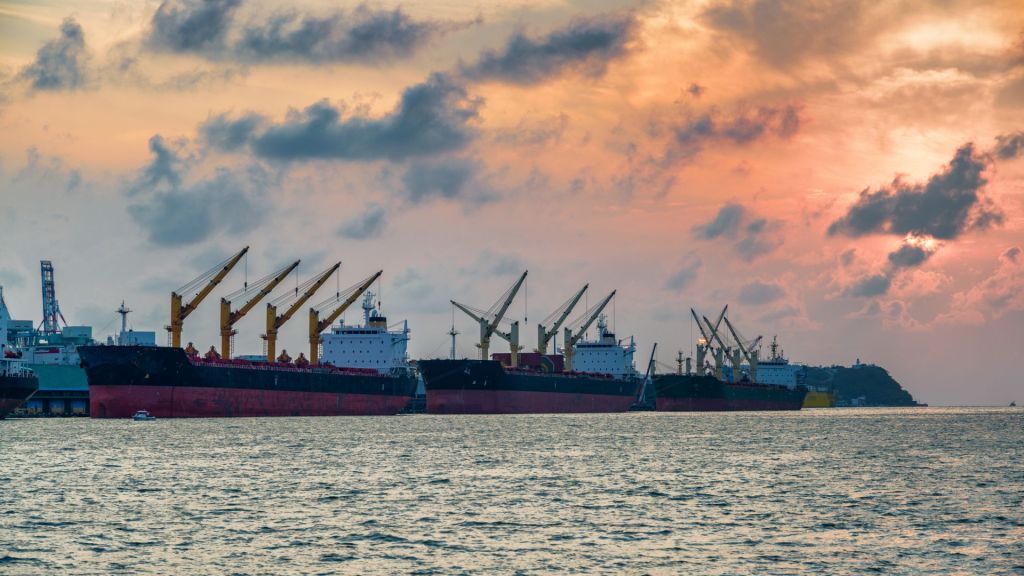
Situated on Taiwan’s southwestern coastline, the Port of Kaohsiung is not only the largest port in Taiwan but also ranks among the biggest container handling facilities globally. Its convenient location in the heart of the country’s manufacturing hub attracts more than 5,000 ships each year. The Port of Kaohsiung is an important logistical hub and transshipment center for the Asia-Pacific region, with an annual handling capacity of over 18.9 million tons of cargo and 9.8 million TEU (twenty-foot equivalent unit) containers.
The port handles a diverse range of exports, including agricultural commodities from the southern part of Taiwan. Additionally, Kaohsiung is home to numerous factories producing aluminum, sugar, tiles, bricks, metals, plastics, paper, chemicals, and textiles, all of which are shipped through this bustling port facility. Equipped with state-of-the-art technologies and port equipment, the Port of Kaohsiung ensures maximum operational efficiency.
History
The Port of Kaohsiung, originally called Takao, has a history dating back to the 17th century. It was developed as a major port during Japanese rule in the early 20th century. After World War II, it became Taiwan’s premier international port. The port saw rapid expansion in the 1960s and 1970s as Taiwan’s economy boomed. It handled a lot of Taiwan’s products and was a key part of the country’s economic miracle. In recent decades, the port has continued to modernize, focusing on container operations and adapting to the global shipping industry’s evolving needs.
Infrastructure
The Port of Kaohsiung is Taiwan’s largest port and one of the busiest container ports in the world. It plays a crucial role in the country’s economy. Key infrastructure elements include:
- Container terminals: Features multiple advanced container terminals with state-of-the-art gantry cranes and automated systems.
- Deep-water berths: Offers numerous deep-water berths capable of accommodating large container ships and bulk carriers.
- Channel depth: Maintains a deep channel allowing access for Post-Panamax vessels.
- Free Trade Zone: Encompasses a large Free Trade Zone to facilitate international trade.
- Intermodal connections: Provides extensive rail and road connections, including direct links to Taiwan’s highway system.
- Bulk and break-bulk facilities: Equipped to handle various types of bulk and break-bulk cargo.
- LNG terminal: Houses liquefied natural gas (LNG) receiving and regasification facilities.
- Shipbuilding and repair: Features shipbuilding and repair facilities, including large drydocks.
- Cruise terminal: Includes a modern cruise terminal to accommodate international cruise ships.
- Green port initiatives: Implements various environmental programs to reduce emissions and improve energy efficiency.
Key Features and Statistics: Port of Kaohsiung, Taiwan
- Annual Cargo Tonnage: Over 154 million tons (2022)
- Container Throughput (TEUs): 9.46 million (2022)
- Vessels Handled Annually: Over 11,000
- Economic Impact: Major contributor to Taiwan’s economy, generating billions in revenue and supporting numerous jobs.
- Cargo Diversity: Containerized cargo (primary focus), dry bulk, liquid bulk, breakbulk, and passenger traffic.
- Infrastructure: 97 wharves, 25 container terminals, 2 grain silos, numerous warehouses, and modern handling equipment.
- Intermodal Connections: The port is linked to major business and industrial hubs by extensive train and road networks.
- Green Initiatives: Actively implementing sustainable practices to reduce environmental impact.
- Governance: Taiwan International Ports Corporation (TIPC)
2. Port of Anping

Anping, located on the southwestern Taiwanese coastline, is a significant auxiliary port of the Port of Kaohsiung. Although it once held the title of Taiwan’s largest harbor, excessive silt deposition resulted in a decline in its importance. However, recognizing its potential, the Kaohsiung Harbor Bureau initiated a port development project to refurbish Anping and revitalize its role in regional development and employment generation.
Anping serves as a cargo port, handling various construction materials, plastic goods, steel products, and chemicals. The port development plans aim to transform Anping into a multifunctional port capable of accommodating large passenger ships and establishing new maritime connections with Southeast Asian regions, China, Hong Kong, and Northern Asia.
History
The Port of Anping, located in Tainan, Taiwan, has a rich history dating back to the 17th century. It was first set up by the Dutch East India Company in 1624 as a small trade post. The port quickly became an important hub for trade between China, Japan, and Southeast Asia. After the Dutch were expelled in 1662, it continued to serve as a vital port under Chinese rule. During the Japanese colonial period (1895-1945), the port was expanded and modernized. However, it gradually lost importance to the nearby Port of Kaohsiung in the 20th century.
Infrastructure
It’s a medium-sized port with historical significance. Key infrastructure elements include:
- Cargo facilities: Features multiple berths for handling various types of cargo, including general cargo and containers.
- Channel depth: Maintains a channel suitable for medium-sized vessels.
- Container terminal: Equipped with container handling facilities, though not as extensive as larger Taiwanese ports.
- Fishing port: Includes facilities for the local fishing industry, reflecting its historical roots.
- Tourist amenities: Offers facilities for tourists, as the port area is also a popular historical site.
- Intermodal connections: Provides road connections to Tainan City and other parts of Taiwan.
- Breakwater: Features a breakwater system to protect the harbor from rough seas.
- Environmental measures: Implements various environmental protection measures in line with Taiwan’s green port policies.
Key Features and Statistics
- Annual Cargo Tonnage: Approximately 8.6 million tons (2021)
- Vessels Handled Annually: Information not readily available
- Economic Impact: Significant contributor to the local economy, supporting industries such as petrochemicals and manufacturing.
- Cargo Diversity: Primarily handles liquid bulk cargo (petrochemicals), breakbulk cargo, and some containerized cargo.
- Infrastructure: 17 docks, including specialized docks for chemical products, breakbulk cargo, and bulk cargo.
- Industrial Focus: Serves as a major hub for the petrochemical industry in southern Taiwan.
- Expansion: Recent projects have focused on deepening the harbor and expanding facilities to accommodate larger vessels.
- Governance: Taiwan International Ports Corporation (TIPC)
3. Port of Keelung
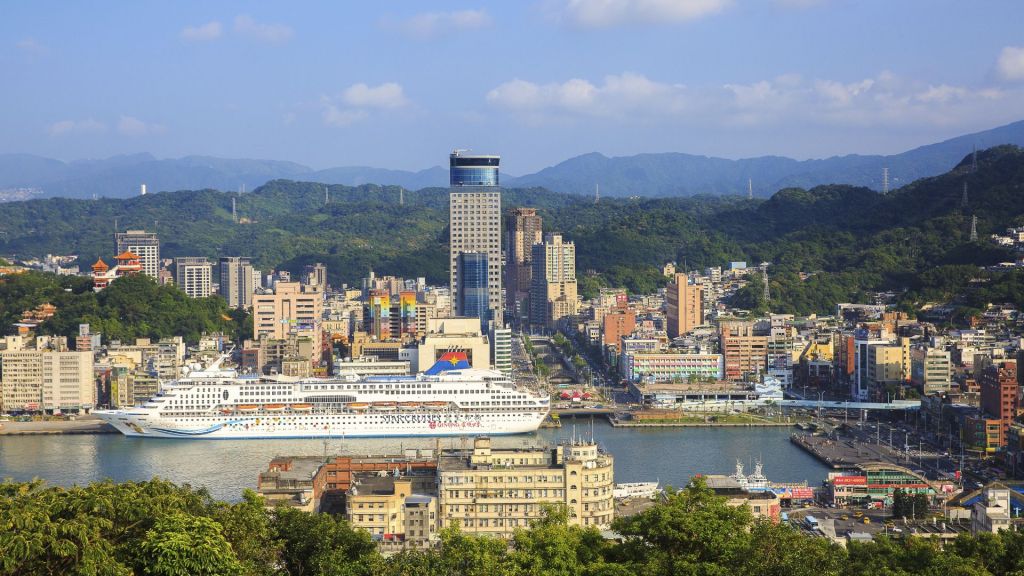
The Port of Keelung, the second-largest port in Taiwan, is situated on the country’s northern coastline. With its natural harbor and proximity to Hong Kong, Keelung attracts over 3000 vessels and handles 1.76 million TEU containers annually. Imports of minerals, construction machinery, oil, and gasoline all rely heavily on the port’s accessibility.
Keelung port comprises 56 berths divided between the West Coast and East Coast areas. These berths, along with 40 storage facilities covering 13 acres and capable of storing 128,000 tonnes of cargo, contribute to the port’s efficient cargo handling capabilities. The container handling facilities at Keelung port include 15 container berths, 25 container yards, and 14 stacking yards, providing a storage capacity of 400,000 tonnes for containerized cargo.
History: Port of Keelung
The Port of Keelung, located in northern Taiwan, has a history dating back to the 17th century. It was first developed as a small fishing village and gained importance during the Qing Dynasty in the 19th century. The port’s significance grew substantially during Japanese colonial rule (1895-1945), when it was expanded and modernized to become Taiwan’s primary international port. After World War II, Keelung continued to play a crucial role in Taiwan’s economic development, handling a large portion of the country’s international trade. In the 1960s and 1970s, it was a key player in Taiwan’s export-driven economic boom.
Infrastructure
It’s one of Taiwan’s oldest and most important ports, serving the Taipei metropolitan area. Key infrastructure elements include:
- Container terminals: Features several container terminals equipped with modern gantry cranes and handling equipment.
- Multi-purpose piers: Offers multiple piers for handling various types of cargo, including bulk and break-bulk.
- Channel depth: Maintains a channel depth suitable for medium to large-sized vessels.
- Passenger facilities: Houses passenger terminals for both domestic and international ferry services.
- Cruise terminal: Includes facilities to accommodate international cruise ships.
- Intermodal connections: Provides good road and rail connections to Taipei and other parts of northern Taiwan.
- Warehousing: Offers significant warehousing facilities for cargo storage and distribution.
- Ship repair: Features ship repair facilities, including floating docks.
- Port expansion: Ongoing projects to expand and modernize port facilities.
- Environmental measures: Implements various green port initiatives to reduce environmental impact.
Key Features and Statistics: Port of Keelung, Taiwan
- Annual Cargo Tonnage: Over 63 million tons (2022)
- Container Throughput (TEUs): 1.23 million (2022)
- Vessels Handled Annually: Over 5,000
- Economic Impact: Major contributor to northern Taiwan’s economy, generating significant revenue and employment opportunities.
- Cargo Diversity: Containerized cargo, dry bulk (coal, cement), breakbulk (steel), and passenger traffic (cruises, ferries).
- Infrastructure: 44 wharves, including specialized terminals for containers, bulk cargo, and passenger ships.
- Location: Strategically located near Taipei, the capital of Taiwan, and serves as a gateway to northern Taiwan and East Asia.
- Historical Significance: One of Taiwan’s oldest ports with a rich maritime history.
- Governance: Taiwan International Ports Corporation (TIPC)
4. Port of Suao

Located on the Bay of Suao in northeastern Taiwan, the Port of Suao serves as an auxiliary port to the Keelung Harbour. This natural harbor has significantly boosted the local economy in the Lanyang region. With an annual cargo throughput of around 6 million tonnes and 5 million TEU, the Port of Suao is transforming into an important international commercial facility in the Asian region.
Suao port handles exports of cement, construction equipment, and chemicals like Paraxylene acid and potassium sulphate. On the import side, it deals with coal, slag, steel billets, and fuel. The port boasts a vast area of approximately 850 thousand square meters, including 13 docks dedicated to handling specific cargoes such as sundry goods, chemicals, cement, and petroleum products. With excellent facilities, modern operational systems, and ample storage space, the Port of Suao ensures efficient and smooth maritime operations.
History: Port of Suao
The Port of Suao, situated on Taiwan’s northeastern coast in Yilan County, was developed in the mid-20th century primarily as a fishing port and naval base. Designated an international commercial port in 1978, it has since become crucial to northeastern Taiwan’s economy, specializing in bulk cargo handling, particularly cement. Despite its smaller size compared to ports like Kaohsiung or Keelung, Suao has modernized and expanded its facilities to increase efficiency and capacity.
Infrastructure
It’s a smaller port compared to Kaohsiung or Keelung but plays a significant role in the region. Key infrastructure elements include:
- Cargo terminals: Features terminals for handling various types of cargo, including bulk and break-bulk.
- Fish harbor: Includes facilities for the local fishing industry, as Suao is known for its fishing activities.
- Naval base: Houses a Republic of China (Taiwan) Navy base, sharing some facilities with the commercial port.
- Channel depth: Maintains a channel depth suitable for medium-sized vessels.
- Breakwater: Features a substantial breakwater system to protect the harbor from rough seas, particularly during typhoon season.
- Intermodal connections: Provides road connections to other parts of Yilan County and northeastern Taiwan.
- Passenger facilities: Offers facilities for passenger ferries, primarily serving domestic routes.
- Cold storage: Houses refrigerated storage facilities, particularly for the fishing industry.
- Port expansion: Has undergone expansion projects to increase cargo handling capacity.
Key Features and Statistics
- Annual Cargo Tonnage: Approximately 9 million tons (2023)
- Vessels Handled Annually: Information not readily available
- Economic Impact: Significant for the local and regional economy, supporting industries such as cement, chemicals, and agriculture.
- Cargo Diversity: Primarily handles bulk cargo (cement, coal, chemicals), breakbulk cargo, and some containerized cargo.
- Infrastructure: 13 wharves, including specialized docks for bulk and liquid cargo.
- Location: Situated on the northeastern coast of Taiwan, serving as a gateway to the Lanyang Plain and surrounding areas.
- Intermodal Connections: Connected to Taiwan’s railway network and major highways, facilitating efficient cargo transportation.
- Governance: Taiwan International Ports Corporation (TIPC)
5. Port of Taipei
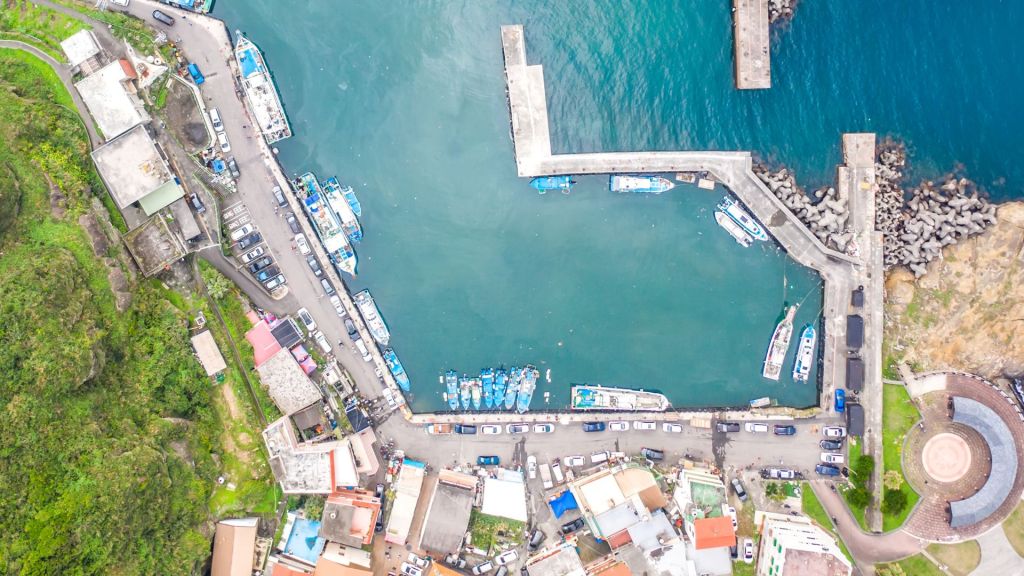
The Port of Taipei, situated in Pali near the Keelung port, is the largest container facility in northern Taiwan. Built by reclaiming coastland and featuring an artificial harbor, the port has been designed to achieve the highest productivity while minimizing its environmental impact. With approximately 2850 ships visiting the port annually, it handles a total cargo throughput of around 38.4 million tonnes and 440,760 TEU containers.
The Port of Taipei is equipped with the latest port systems, including wireless sensors and automated loading and unloading operations, enhancing its efficiency by 15%. The General Cargo Terminal at the port also benefits from these advanced systems. Divided into three phases, the port is continuously expanding, with the first phase completed in 2012. Presently, it operates 14 docks handling various shipments such as petrochemicals, containerized goods, and bulk cargo.
History: Port of Taipei
The Port of Taipei, also known as Taipei Port, is a relatively new addition to Taiwan’s maritime infrastructure, officially opening in 2009. Located in New Taipei City, it was developed to alleviate congestion at the Port of Keelung and serve as a modern, efficient cargo hub for northern Taiwan. The port specializes in container handling, bulk and break-bulk cargo, and has facilities for car carriers. It features a large free trade zone to promote international trade and investment.
Infrastructure
It was developed to alleviate congestion at the Port of Keelung and serve the greater Taipei metropolitan area. Key infrastructure elements include:
- Container terminals: Features modern container terminals with advanced handling equipment and automation.
- Bulk cargo facilities: Offers facilities for handling various types of bulk cargo, including coal and industrial raw materials.
- Channel depth: Maintains a deep channel capable of accommodating large container ships and bulk carriers.
- Reclaimed land: Built on reclaimed land, allowing for spacious and efficiently designed port facilities.
- Intermodal connections: Provides excellent road connections to Taipei and other parts of northern Taiwan, with ongoing projects to improve rail links.
- Free Trade Zone: Encompasses a Free Trade Zone to facilitate international trade and value-added services.
- Green port initiatives: Implements various environmental programs, including the use of electric vehicles and solar power within the port area.
- Logistics parks: Houses several logistics parks within the port area, enhancing its role as a distribution center.
- Future expansion: Has significant room for future expansion due to its location on reclaimed land.
Key Features and Statistics: Port of Taipei, Taiwan
- TEU: 1,800,000 (2020)
- Annual Cargo Tonnage: Approximately 19,000,000 tons (2020)
- Employment: Over 10,000 individuals
- Vessels Handled Annually: More than 1,500 cargo vessels
- Economic Role: Vital distribution hub for northern Taiwan’s economic development
- Governance: Taiwan International Ports Corporation, Ltd.
6. Port of Hualien
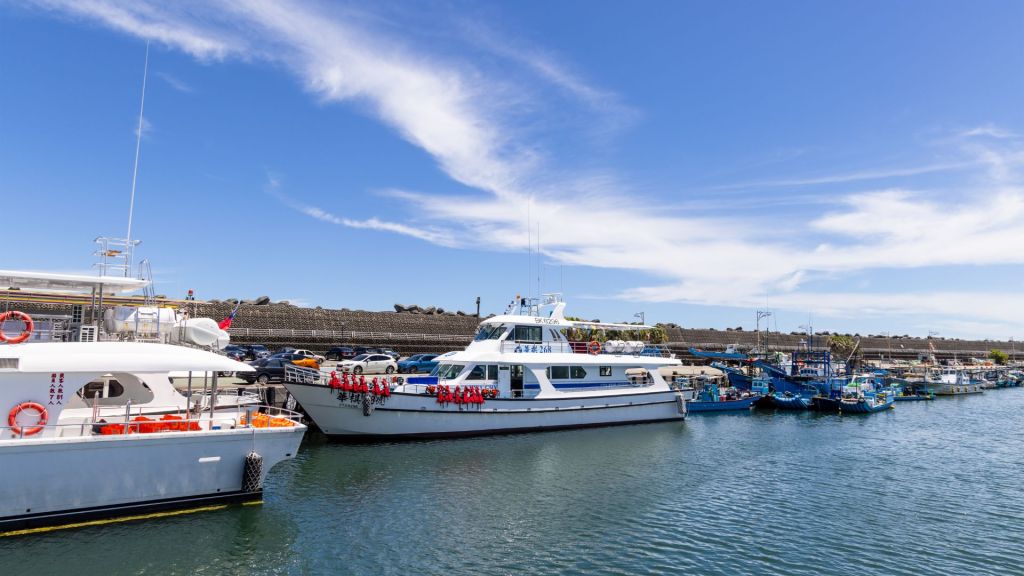
Situated on Taiwan’s eastern coastline facing the Pacific Ocean, the Port of Hualien is an artificial harbor that has played a significant role in international trade since its opening in 1963. With its position prone to typhoons, the port requires additional moorings for vessels operating in the area. Hualien port handles exports of gravel, stones, cement, bamboo, sugar, and lumber, while imports include gypsum, coal, cooking oil, and logs.
The port covers an area of 172 hectares, with 25 berths divided between the Inner and Outer harbors. It offers extensive storage facilities, including warehouses capable of storing 82,000 tonnes of cargo and numerous stacking yards for minerals and gravel. With its ability to accommodate vessels weighing up to 100,000 DWT (deadweight tonnage), the Port of Hualien ensures the smooth flow of maritime trade.
History: Port of Hualien
The Port of Hualien, located on Taiwan’s rugged eastern coast, was established in 1931 during Japanese colonial rule. Initially developed to support local industries, particularly cement production, it has since diversified its operations. The port plays a crucial role in eastern Taiwan’s economy, handling bulk cargo, gravel, cement, and supporting the region’s marble industry. Despite challenges posed by its location, including frequent typhoons and seismic activity, Hualien Port has continued to modernize and expand.
Infrastructure
It’s a medium-sized port that plays a crucial role in the development of eastern Taiwan. Key infrastructure elements include:
- Cargo terminals: Features terminals for handling various types of cargo, particularly bulk and break-bulk.
- Cement export facilities: Specialized facilities for cement export, as Hualien is a major cement production area.
- Channel depth: Maintains a channel depth suitable for medium-sized vessels.
- Breakwater: Includes a substantial breakwater system to protect the harbor from the often rough Pacific Ocean conditions.
- Passenger facilities: Offers facilities for domestic passenger ferries and potential international cruise ships.
- Intermodal connections: Provides road connections to other parts of Hualien County and eastern Taiwan.
- Marble export facilities: Specialized facilities for handling marble exports, another significant local industry.
- Fishing port: Includes facilities to support the local fishing industry.
- Tourism infrastructure: Features amenities to support maritime tourism, given Hualien’s popularity as a tourist destination.
Key Features and Statistics
- Annual Cargo Tonnage: Approximately 13 million tons (2023)
- Vessels Handled Annually: Information not readily available
- Economic Impact: Significant for eastern Taiwan’s economy, supporting industries such as cement, marble, and tourism.
- Cargo Diversity: Primarily handles bulk cargo (cement, marble, gravel), some containers, and cruise ships.
- Infrastructure: 25 wharves, including specialized docks for bulk and containerized cargo, and a cruise terminal.
- Location: Situated on the eastern coast of Taiwan, serving as a gateway to the beautiful Hualien County and its natural attractions.
- Tourism: A popular destination for cruise ships, offering stunning views of the Pacific Ocean and nearby Taroko Gorge.
- Governance: Taiwan International Ports Corporation (TIPC)
7. Port of Taichung

The Port of Taichung, located on Taiwan’s western coastline, holds the distinction of being the country’s first international commercial facility constructed by Taiwanese engineers. It serves as a crucial port for the importation of grain, logs, cement, coal, chemicals, molasses, iron, steel goods, and refined oil. Food, rice, wood, textiles, paper, pulp, fertilizers, and glass are just few of the many exports the port processes on a regular basis.
With over 4000 ships and 1.7 million TEU containers passing through its berths each year, the Port of Taichung plays a pivotal role in Taiwan’s trade activities. The port features a wide entrance channel, 58 berths with depths ranging from 9 to 18 meters, and specialized facilities for container handling, bulk cargo, steel goods, and liquid bulk.
History: Port of Taichung
The Port of Taichung, located on Taiwan’s central western coast, was established in 1976 as part of a national plan to balance regional development. It quickly grew to become Taiwan’s second-largest port by cargo volume. The port specializes in bulk and break-bulk cargo, particularly coal, grain, and raw materials for central Taiwan’s industries. It also handles a significant volume of container traffic. Taichung Port features a large free trade zone and has become a major hub for automobile imports.
Infrastructure
A very important part of Taiwan’s foreign trade is this port, which is the second-biggest in the country. Key infrastructure elements include:
- Container terminals: Features modern container terminals with advanced gantry cranes and handling equipment.
- Bulk and break-bulk facilities: Offers extensive facilities for handling various types of bulk and break-bulk cargo.
- Channel depth: Maintains a deep channel capable of accommodating large container ships and bulk carriers.
- Free Trade Zone: Encompasses a large Free Trade Zone to facilitate international trade and value-added services.
- Intermodal connections: Provides excellent road and rail connections to central Taiwan and other parts of the island.
- Coal terminal: Houses specialized facilities for handling coal imports, crucial for Taiwan’s power generation.
- Grain silos: Features large grain storage facilities to support agricultural imports.
- LNG terminal: Includes a Liquefied Natural Gas (LNG) receiving terminal.
- Wind energy port: Developed facilities to support Taiwan’s offshore wind energy industry.
- Green port initiatives: Implements various environmental programs to reduce emissions and improve energy efficiency.
Key Features and Statistics
- Annual Cargo Tonnage: Approximately 53 million tons (2022)
- Container Throughput (TEUs): 1.7 million+ (2022)
- Vessels Handled Annually: Information not readily available, but likely over 5,000
- Economic Impact: Significant contributor to central Taiwan’s economy, generating substantial revenue and employment.
- Cargo Diversity: Containerized cargo, bulk cargo (coal, grain, sand), and liquid cargo (petroleum).
- Infrastructure: Multiple terminals for containers, bulk, and liquid cargo, with modern handling equipment and warehousing facilities.
- Free Trade Zone: Large free trade zone offering incentives for businesses and facilitating trade.
- Location: Located on Taiwan’s west coast in a way that makes it easy to get to central Taiwan and the country’s economic heartland.
- Offshore Wind Power: Plays a key role in supporting Taiwan’s growing offshore wind power industry.
- Governance: Taiwan International Ports Corporation (TIPC)
8. Port of Budai

The Port of Budai, located in Chiayi County on Taiwan’s western coast, is a vital hub for coastal and regional trade. Renowned for its bustling fishing industry, this port features modern facilities that support a variety of cargo services. Budai plays a crucial role in the local economy, fostering regional trade connections and enhancing the livelihood of the surrounding communities. Its strategic location and specialized services make it an essential part of Taiwan’s maritime network.
History: Port of Budai
The Port of Budai is a smaller regional port with a unique focus. Established in the early 20th century, it primarily serves the local fishing industry and aquaculture sector. The port is an important part of the area’s well-known oyster farming and salt production.
Infrastructure
The Port of Budai is a smaller port located on the southwest coast of Taiwan in Chiayi County. It’s primarily known for its fishing industry and has been developing to support offshore wind energy projects. Key infrastructure elements include:
- Fishing harbor: Features extensive facilities for the local fishing industry, including docks and processing areas.
- Offshore wind support: Developing infrastructure to support Taiwan’s growing offshore wind energy sector.
- Channel depth: Maintains a channel depth suitable for small to medium-sized vessels.
- Breakwater: Includes breakwater structures to protect the harbor from rough seas.
- Intermodal connections: Provides road connections to other parts of Chiayi County and southwestern Taiwan.
- Aquaculture support: Offers facilities to support the local aquaculture industry, which is significant in this area.
- Tourist amenities: Includes some facilities for visitors, as the port area is becoming a local attraction.
- Environmental measures: Implements various programs to protect the sensitive coastal ecosystem.
Key Features and Statistics: Port of Budai, Taiwan
- Annual Cargo Tonnage: Not primarily a cargo port, focuses on passenger and ferry traffic.
- Passengers Handled Annually: Over 2 million (pre-pandemic levels)
- Vessels Handled Annually: Mainly ferries and fishing vessels. Specific numbers not readily available.
- Economic Impact: Significant for local tourism and transportation to outlying islands.
- Tourism Role: Main gateway to the Penghu Islands, a popular tourist destination.
- Infrastructure: Multiple ferry terminals, fishing harbor, and facilities for passenger services.
- Future Development: Plans for expansion and modernization to enhance passenger experience and accommodate growing tourism.
- Governance: Taiwan International Ports Corporation (TIPC)
9. Port of Kinmen
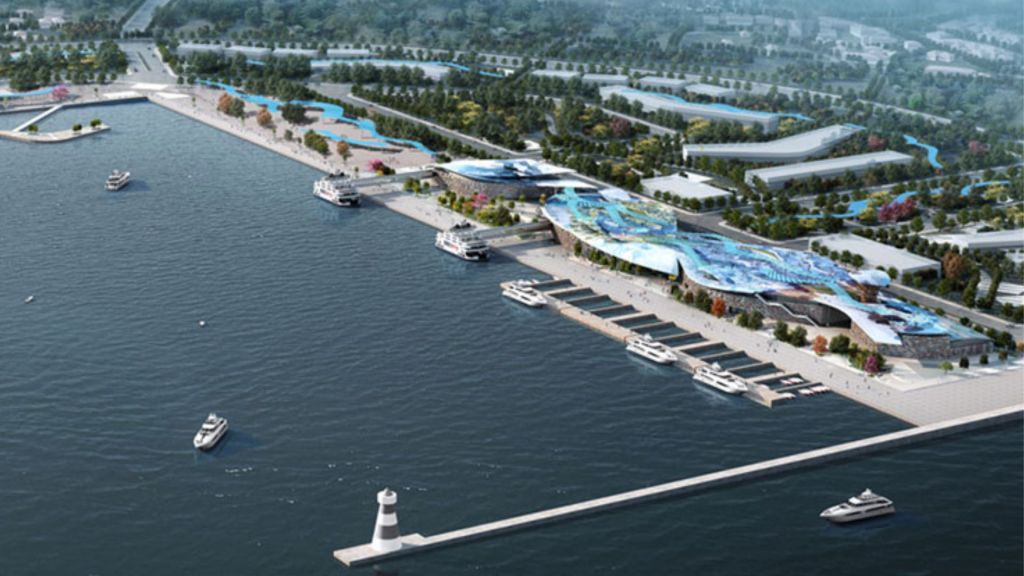
The Port of Kinmen, situated on the Kinmen Islands in the Taiwan Strait, serves as a key maritime gateway for both civilian and military cargo. This strategically significant port enhances cross-strait trade and logistics, playing a pivotal role in Taiwan’s defense and economic activities. With its modern infrastructure and crucial location, the Port of Kinmen strengthens Taiwan’s maritime connectivity and supports regional development.
History: Port of Kinmen
Kinmen Island is home to the Port of Kinmen. Because it is strategically placed just off the coast of mainland China, it is different from other ports in Taiwan. Established in the 1950s, it initially served primarily military purposes during the Cold War era. Following the easing of cross-strait tensions, the port has transformed into a vital civilian and commercial link. Today, it plays a crucial role in connecting Kinmen to Taiwan’s main island and facilitating limited trade with nearby Chinese cities. The port handles passenger ferries, cargo vessels, and fishing boats.
Infrastructure
The Port of Kinmen unique due to its strategic location and historical significance. Key infrastructure elements include:
- Passenger terminals: Features facilities for handling passenger ferries, which are crucial for connecting Kinmen to Taiwan’s main island and to Xiamen in mainland China.
- Cargo facilities: Offers limited cargo handling capabilities, primarily for goods needed on the island.
- Channel depth: Maintains a channel depth suitable for ferries and small to medium-sized cargo vessels.
- Military presence: Given Kinmen’s strategic location, the port area includes some military facilities.
- Tourist amenities: Provides facilities for tourists, as Kinmen is a popular destination for its war history and traditional architecture.
- Intermodal connections: Offers connections to Kinmen’s road network, linking the port to other parts of the island.
- Small craft harbor: Includes facilities for local fishing boats and pleasure craft.
- Ferry berths: Features multiple berths designed specifically for the frequent ferry services.
Key Features and Statistics
- Annual Cargo Tonnage: Data not readily available, as the port primarily focuses on passenger and ferry traffic.
- Passengers Handled Annually: Over 1.5 million (2014, highest recorded)
- Vessels Handled Annually: Predominantly ferries connecting Kinmen to mainland China and other Taiwanese islands.
- Economic Impact: Crucial for Kinmen’s tourism industry and trade with mainland China.
- Strategic Location: Situated close to mainland China, facilitating cross-strait travel and commerce.
- Infrastructure: Ferry terminals in Shuitou and Waterhead, capable of handling large passenger volumes.
- Tourism: Major gateway for tourists visiting Kinmen’s historical sites and scenic attractions.
- Governance: Kinmen County Government
The ports of Taiwan serve as vital gateways for the nation’s export and import trade, contributing significantly to its economic development and prosperity. From the bustling Port of Kaohsiung, the largest container handling facility in Taiwan, to the Port of Taichung, Taiwan’s first international commercial facility, each port plays a unique role in facilitating maritime trade. With their strategic locations, advanced technologies, and efficient operational systems, these ports ensure the smooth flow of goods, connecting Taiwan to the global market and fostering economic growth.