The Strait of Malacca: Bridging East and West

Location: Indonesia – Malaysia
The Strait of Malacca, connecting the Andaman Sea with the South China Sea, is one of the most important and heavily traveled shipping routes in the world. Important for international trade, this 25,000-square-mile strait connects China and India via the quickest sea route. It holds historical significance as a key trading port in the 16th to 17th century, attracting various colonial powers such as the Portuguese, Dutch, and British. The Port of Singapore, situated at the southern end of the Strait, further enhances its economic importance.
The Strait of Hormuz: A Gateway to the Middle East
Location: Oman – Iran
A third of the world’s LNG and a quarter of the world’s oil supply pass through the strategically important Strait of Hormuz, which is situated between the Persian Gulf and Oman. Iran and the United States have been involved in disputes and events along this crucial waterway, which has heightened geopolitical tensions. Since ancient times, when it served as a conduit for commerce between the Ferghana region and the global market, it has held great historical importance. Additional factors adding to the strait’s importance are its distinct environment and plenty of marine resources.
The Taiwan Strait: A Contested Waterway
Location: China – Taiwan
A contentious political boundary divides the Chinese mainland and the island of Taiwan across the Taiwan Strait. China claims sovereignty over the strait, considering it as its internal territorial waters, while Taiwan and several other nations oppose this claim. Apart from its political significance, the Taiwan Strait serves as a crucial route for ships traveling to and from Northeast Asia’s major ports. The strait is also rich in fisheries and has immense potential for wind energy projects.
The Strait of Johor: Connecting Singapore and Malaysia
Location: Singapore – Malaysia
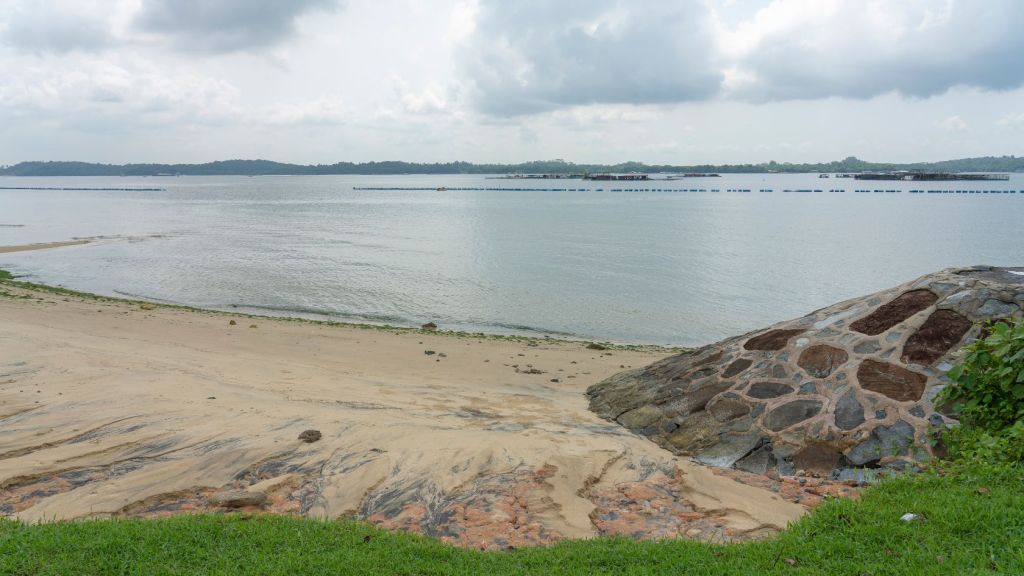
The Strait of Johor, situated between Singapore and Peninsular Malaysia, serves as a gateway connecting the Strait of Malacca and the Singapore Strait. This waterway holds historical importance as a site of conflict during the Japanese campaign to conquer Singapore in 1942. Today, it’s a popular destination for tourists, who can enjoy a picturesque view of the strait from Lido Beach. Because of its advantageous position, the strait serves as an important commercial and transportation corridor for ships.
The Strait of Tartary: Linking Russia and Asia
Location: Russia
The Strait of Tartary, dividing Russia’s Sakhalin Island from mainland Asia, connects the Okhotsk Sea with the Sea of Japan. Its coasts are home to several Russian ports, and the strait supports commercially valuable fish stocks and serves as a feeding ground for endangered Western Pacific Gray whales. The strait’s geographical features, including its depth and width, make it an important waterway for Russia’s maritime activities.
The Palk Strait: A Gateway between India and Sri Lanka
Location: India – Sri Lanka
The Palk Strait, separating the Indian state of Tamil Nadu and the Jaffna District of Sri Lanka, connects the Bay of Bengal and the Palk Bay. This strait presents navigational challenges due to its shallow waters and reefs, making it difficult for large vessels to pass through. However, it serves as a crucial route for small ships and fishing vessels. The Palk Strait is named after Robert Palk, a former Governor of the Madras Presidency.
The Sunda Strait: Linking Java and Sumatra
Location: Indonesia
The Sunda Strait, situated between Java and Sumatra islands in Indonesia, connects the Java Sea with the Indian Ocean. This strait has historical significance as a shipping lane used by the Dutch to access Indonesia’s Spice Islands. It is also known for its volcanic islands, including Krakatoa, which famously erupted in 1883. The shallow waters, strong tidal currents, and obstructions like oil platforms make navigation through the Sunda Strait challenging.
The Tsugaru Strait: Separating Honshu and Hokkaido
Location: Japan
The Tsugaru Strait, located between Japan’s Honshu and Hokkaido islands, connects the Sea of Japan with the Pacific Ocean. It is notable for its role in zoogeography, as it marks a major border for various species. The strait is crossed by ferry services, such as the Tsugaru Kaikyo Ferry and Seikan Ferry. In 1954, a tragic ferry accident in the strait resulted in the loss of many lives.
The Strait of Singapore: A Hub of Global Trade
Location: Singapore
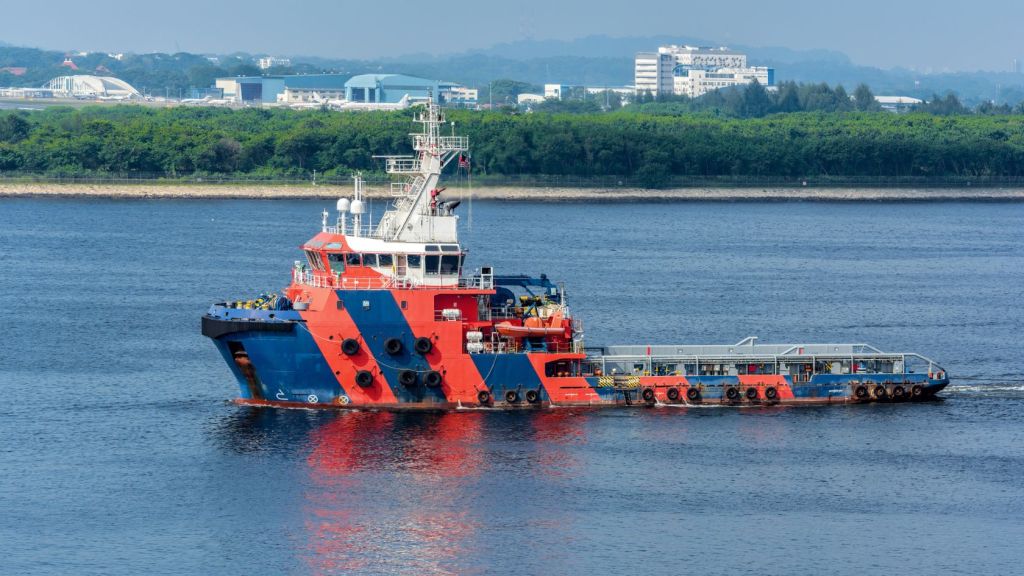
The Strait of Singapore, situated between the Malacca Strait and the South China Sea, is a crucial maritime waterway connecting the Indian Ocean and the Pacific Ocean. It serves as a major shipping route, with over 2,000 commercial ships crossing its waters daily. About a third of the world’s container shipping trade and a quarter of global oil trade pass through this busy strait, making it one of the busiest sea lanes worldwide. The deepwater passage it offers to the Singapore Port further enhances its importance.
The nine major straits of Asia play a vital role in connecting continents, facilitating international trade, and shaping the geopolitics of the region. From the strategic Strait of Malacca to the politically contested Taiwan Strait, these waterways serve as crucial lifelines for the economies and cultures they link. While each strait has its unique features, challenges, and historical significance, they collectively contribute to the rich tapestry of Asia’s maritime connections.