The magic of flight never fails to amaze us. From the moment a colossal aeroplane detaches itself from the ground to the gentle touch down at its destination, the entire process is a marvel of engineering and piloting expertise. But have you ever wondered about the intricate techniques involved in taking off and landing an aircraft? This blog delves into the fascinating world of flight takeoff and landing, making it easy for everyone to understand.
Take Off: Soaring into the Skies
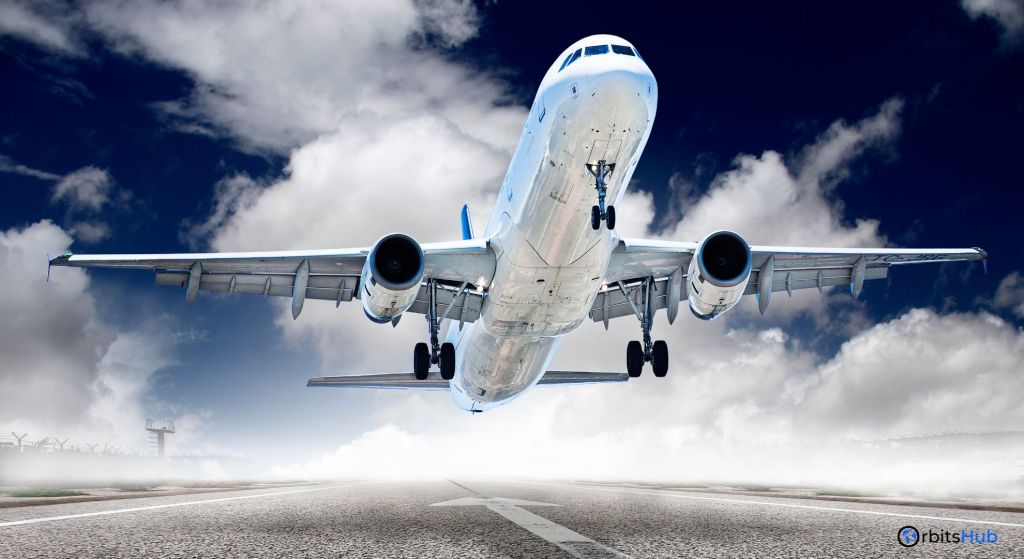
Taking off is about generating enough lift to overcome the aircraft’s weight and propel it into the air. Here’s a breakdown of the critical phases:
- Taxiing: The journey begins with the aeroplane taxiing, slowly navigating on the ground using its landing gear to reach the designated runway for takeoff.
- Engine Power Up As the aeroplane reaches the takeoff position, the pilots gradually increase the engine power. This generates thrust, pushing the aircraft forward.
- Acceleration: With increased engine power, the aircraft accelerates down the runway quickly. The exact speed required for takeoff varies depending on the aircraft’s weight, size, and air density.
- Lift Off: Once the aeroplane reaches a critical speed, sufficient lift is generated by the wings to overcome its weight. The plane takes off when the pilot gently pulls on the control column to raise the nose.
- Initial Climb: After lifting off, the aeroplane continues to climb at a safe angle to gain altitude and clear any obstacles around the airport.
Factors Affecting Takeoff
Several factors influence the takeoff process, including:
- Aircraft weight: Heavier aeroplanes require a longer runway and higher takeoff speed.
- Weather conditions: Strong headwinds can assist takeoff by providing additional lift, while tailwinds can make it more challenging.
- Air density: Thinner air at high altitudes reduces lift generation, requiring a longer takeoff roll.
- Runway length: The available runway length determines the maximum speed an aeroplane can achieve for takeoff.
Landing: A Gentle Return to Earth
Landing an aeroplane is a delicate process that requires precise control and coordination by the pilots. Here’s a simplified look at the landing sequence:
- Descent: The aeroplane begins its descent from cruising altitude, gradually reducing its speed and adjusting its flaps and landing gear for landing configuration.
- Approach: As the aircraft nears the runway, it maintains a stable approach path at a predetermined speed.
- Flare: Just before touchdown, the pilots perform a flare manoeuvre by slightly raising the nose of the aeroplane to decrease its descent rate and prepare for a gentle landing.
- Touchdown: The aeroplane’s main landing gear makes contact with the runway first, followed by the nose landing gear.
- Braking and Taxiing: After touchdown, the pilots apply the brakes to slow down the aeroplane and eventually taxi to the designated gate.
Challenges of Landing
Landing an aeroplane presents its own set of challenges, including:
- Maintaining a stable approach: Pilots must maintain a precise glide path and airspeed to ensure a smooth touchdown.
- Crosswinds: Strong crosswinds can make controlling the aeroplane during landing difficult.
- Low visibility: Landing in low visibility conditions requires additional pilot skills and reliance on instrument landing systems.
Different Takeoff and Landing Techniques
Not all aircraft take off and land in the same way. Here’s a glimpse into some variations:

- Short Takeoff and Landing (STOL): STOL aircraft are designed to operate from runways that are much shorter than those required by conventional aeroplanes. They achieve this feat through various techniques, including using high-lift wings, powerful engines, and thrust vectoring (directing engine thrust downwards for additional lift).
- Water Takeoff and Landing (WATOL): These aircraft, also known as seaplanes, can take off and land on water bodies. They are equipped with floats instead of landing gear and require special handling during water operations.
- Vertical Takeoff and Landing (VTOL): There is no longer any need for runways for vertical takeoffs and landings by VTOL aircraft, such as helicopters and Harrier jump jets. This makes them ideal for situations where runway access is limited.
- Catapult-Assisted Takeoff But Arrested Recovery (STOBAR): This system is used on some aircraft carriers. Here, aeroplanes are launched using a catapult for takeoff and then use arresting wires to slow down and come to a complete stop upon landing.
The Art and Science of Takeoff and Landing
The two most essential parts of flight taking off and landing. Understanding the basic principles involved in these manoeuvres can enhance your appreciation for the remarkable feat of aviation.
Are you curious to learn more about the fascinating world of aviation or explore career opportunities in this dynamic field? OrbitsHub, a leading maritime and aviation consultancy services company, can be your one-stop shop. We offer a wealth of information and resources to help you navigate the exciting world of aviation. Visit OrbitsHub today and explore how we can help you take flight!