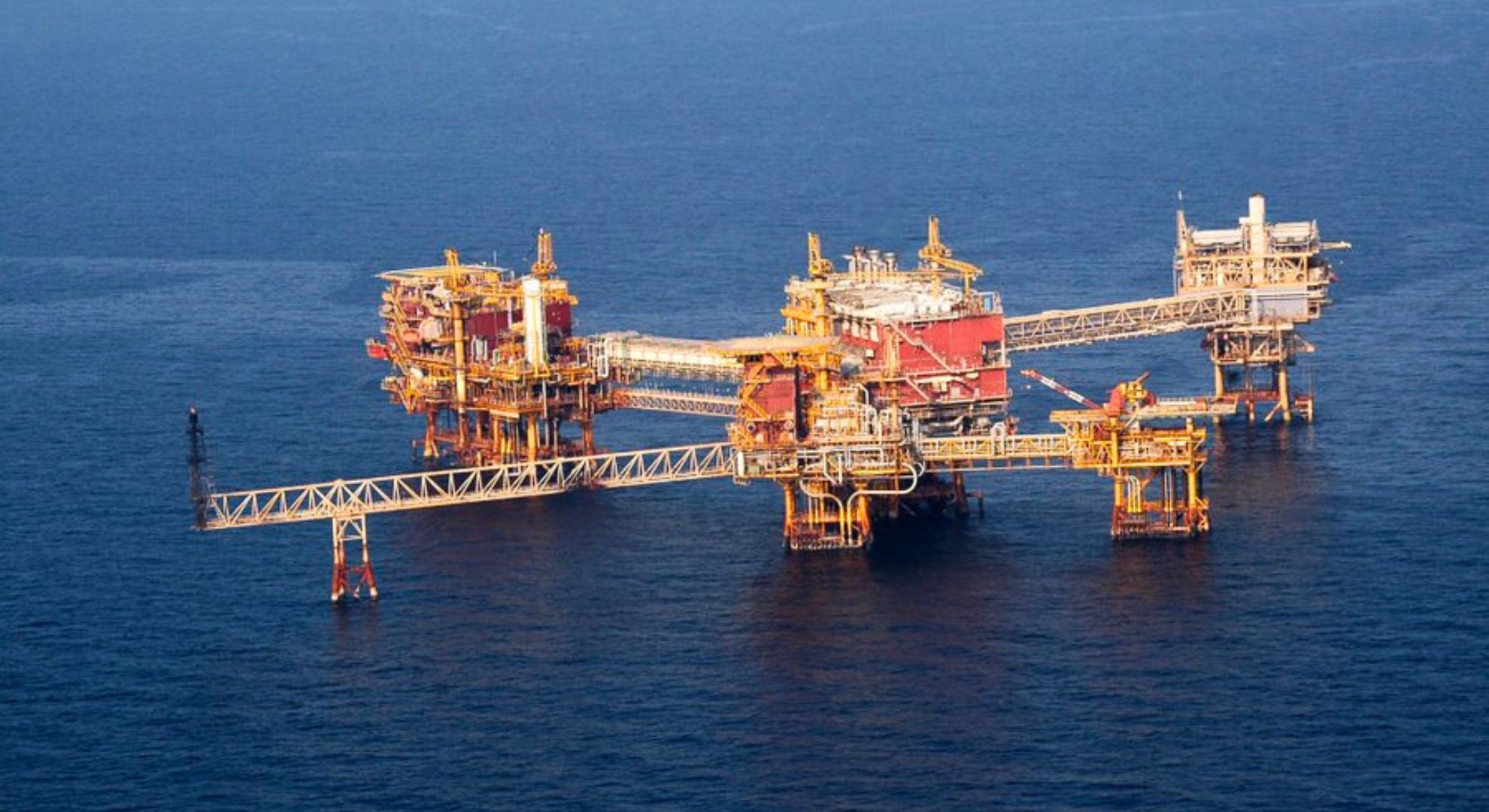

As the world’s third-largest oil importer and consumer, India has long depended on global crude oil sources to meet its domestic needs. Recently, however, the country has made a significant stride in its energy journey with the commencement of oil production from a deep-sea project in the Krishna-Godavari Basin. This development has been hail as a substantial boost to the Indian government’s “Atmanirbhar Bharat” campaign, which aims to make India self-reliant in various sectors, including energy.
The Project Genesis
The Krishna-Godavari Deep-Water Block 98/2, located 30 kilometres off the coast of Kakinada, Andhra Pradesh, is the site of this significant oil extraction. The project, managed by the state-owned Oil and Natural Gas Corporation (ONGC), began in 2016-2017.
Although the COVID-19 epidemic caused some delays, construction went on, and on January 7, 2024, oil extraction officially got underway. This is a noteworthy step in India’s energy journey, contributing to the nation’s self-reliance mission.
The Oil Extraction Process
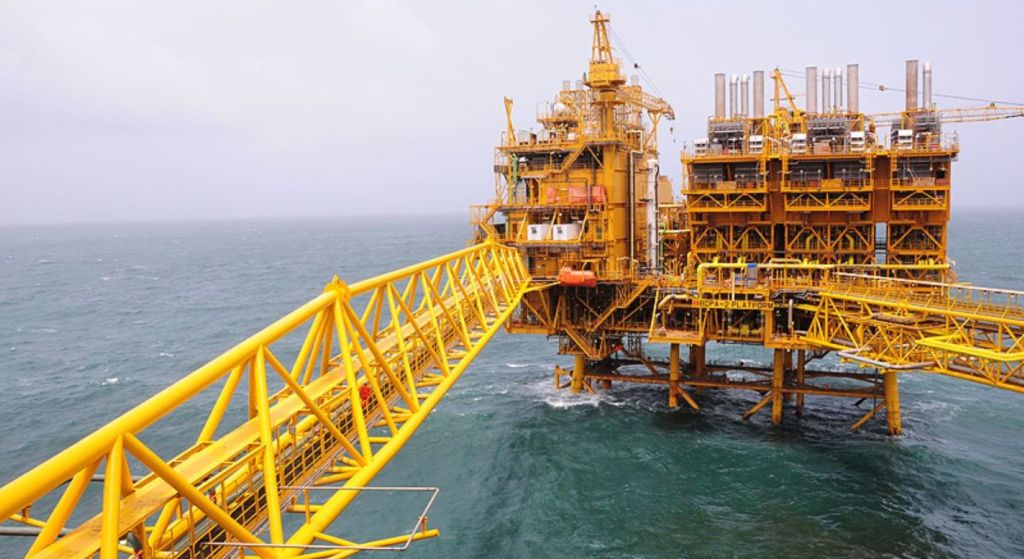
The oil extraction process is complex and challenging, considering the project’s deep-water location. It is in the Bay of Bengal, a region known for its challenging weather and geological conditions.
As of now, four of the 26 wells are already operational. The production is expect to reach 45,000 barrels daily by May or June. This would constitute 7% of India’s total crude oil production, significantly contributing to the country’s energy reserves.
Natural Gas Production
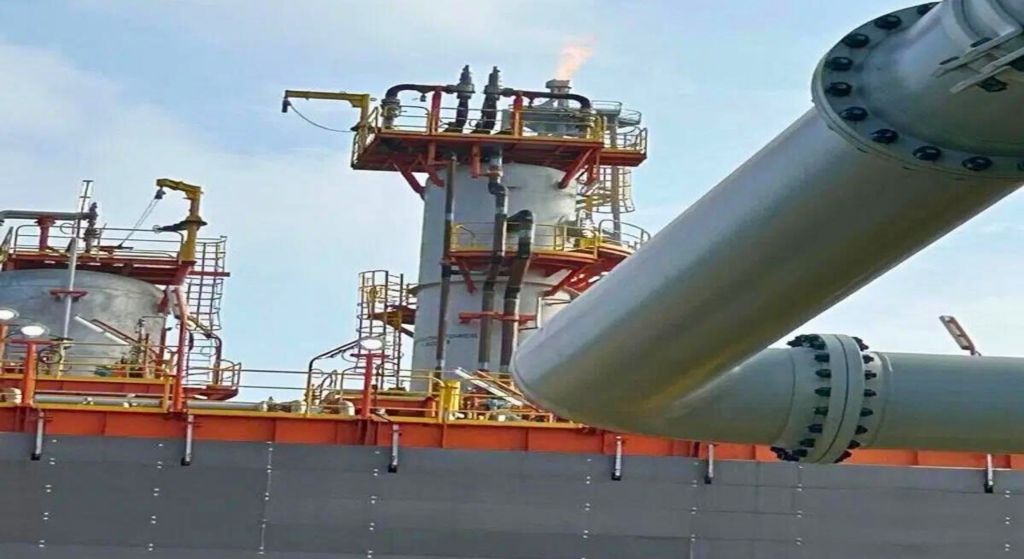
In addition to oil, the project also promises significant natural gas production. The gas production is expect to start soon, and by mid-2024, it is hope to constitute 7% of India’s total gas production.
Natural gas is a critical energy resource, as it is cleaner and more efficient than many other forms of energy. It is use in various sectors, including power generation, heating, and transportation. Therefore, this project’s production of natural gas will significantly boost India’s energy reserves and its efforts towards cleaner energy.
The Project’s Impact
The Krishna-Godavari project is expecte to impact ONGC’s total oil and gas production considerably. The 98/2 project is projected to increase ONGC’s total Oil and Gas production by 11% and 15%, respectively.
This increase in production will have several benefits for the Indian economy. It will lessen the nation’s reliance on foreign gas and oil imports and reduce its exposure to changes in the world market. Furthermore, it will contribute to the country’s energy security and add to its energy reserves.
The Road Ahead
The Krishna-Godavari project is currently in Phase 2, nearing completion. Phase 3, leading to peak Oil and Gas production, is already underway and likely to end in June 2024.
It’s important to note that while the project has made significant strides, there are still challenges ahead. For instance, the project was initially slate to start oil production in November 2021. Still, the deadline saw multiple extensions due to various factors, including subsurface geological issues, changes in healthy locations and surface facilities, and global supply chain issues due to the COVID-19 pandemic.
However, the project team remains optimistic and confident in navigating these challenges. With the commencement of oil production on January 7, 2024, the project is on track to reach its goals.
The Geological Significance of the Krishna-Godavari Basin
Impact and Benefits of Krishna-Godavari Basin Oil and Gas Project
The Krishna-Godavari Basin, located along the eastern coast of India, is a region of immense geological importance. This basin, formed over millions of years, holds rich reserves of hydrocarbons, making it a key area for energy exploration and extraction. A complex interplay of tectonic activities, sedimentation processes, and marine influences has shaped the geological features of the basin.
- The basin’s structure includes multiple sedimentary rock layers, providing an ideal oil and gas accumulation environment.
- Rich shale, sandstone, and limestone deposits contribute to the diversity of hydrocarbon reserves.
- The unique geological formations have attracted national and international energy companies keen to explore and tap into these resources.
- Studies indicate that the basin’s tectonic history has led to the formation of several structural traps essential for oil and gas retention.
- The region’s geological stability and favorable conditions make it a promising site for long-term energy projects.
Economic Prospects and Opportunities
The discovery of oil and gas in the Krishna-Godavari Basin presents significant economic prospects for India. This newfound wealth of resources offers the potential to boost the nation’s energy security and economic growth. Developing these resources is expected to create numerous opportunities across various sectors.
- The oil and gas industry is poised to generate substantial revenue for the Indian government through royalties and taxes.
- Investment in infrastructure, such as pipelines and processing facilities, will stimulate the local economy and create jobs.
- The increased domestic oil and gas production can reduce India’s dependence on imported energy, leading to a more balanced trade deficit.
- The development of this sector will spur growth in related industries, including manufacturing, transportation, and services.
- Export opportunities may arise as production scales up, positioning India as a critical player in the regional energy market.
Environmental Considerations and Challenges
While the Krishna-Godavari Basin’s oil and gas reserves offer substantial economic benefits, significant environmental considerations and challenges exist. Responsible extraction and production are crucial to minimizing the ecological impact and ensuring sustainable development.
- The region’s rich biodiversity, including marine and coastal ecosystems, requires careful management to prevent habitat destruction.
- Oil and gas leaks are dangerous to the environment and nearby communities, so strict safety precautions are required.
- Air and water pollution from extraction must be controlled to protect public health and the environment.
- In environmentally vulnerable regions, the industry needs help to balance resource development with conservation efforts.
- Stakeholders, including government bodies, companies, and environmental organizations, must collaborate to create and enforce stringent environmental regulations.
Technological Innovations in Resource Extraction
Sustainable and effective resource exploitation in the Krishna-Godavari Basin relies heavily on technological improvements. Innovations in this field enhance production efficiency and reduce environmental impact and operational costs.
- Advanced seismic imaging techniques help in accurate mapping of subsurface structures, improving drilling accuracy.
- Enhanced oil recovery (EOR) methods, such as steam injection and chemical flooding, maximize the extraction of resources from mature fields.
- Implementing digital technologies and automation in drilling and production processes increases operational efficiency and safety.
- Innovations in waste management and recycling of produced water minimize environmental impact.
- Adopting renewable energy sources and energy-efficient practices in operations contributes to a lower carbon footprint.
Local Community Engagement and Benefits
Exploring and developing the Krishna-Godavari Basin’s resources have significant implications for local communities. Engaging with these communities and ensuring they benefit from the projects is essential for the region’s overall development and social stability.
- Local employment opportunities in construction, operation, and infrastructure maintenance can significantly reduce unemployment rates.
- The development of local infrastructure, such as roads, schools, and healthcare facilities, improves the quality of life for residents.
- Community engagement programs can include education and training initiatives, equipping locals with skills relevant to the industry.
- Companies can invest in social welfare projects, such as clean water supply and sanitation, enhancing community well-being.
- Transparent communication and regular consultations with local stakeholders help build trust and address any concerns related to the projects.
FAQ’s
1. What is India’s New Oil Discovery?
India has found a lot of oil and natural gas in the Krishna-Godavari Basin. This will help India make more oil at home and depend less on oil imports.
2. Where is the Krishna-Godavari Basin located?
The Krishna-Godavari Basin is located on the eastern coast of India, covering an area in both the Krishna and Godavari river basins. This region has become a significant focus area for hydrocarbon exploration.
3. When was the new oil discovery in the Krishna-Godavari Basin made?**
Further oil and gas reserves were identify over the past few years with the help of advanced exploration technologies, but significant discoveries have been announced periodically as exploration progresses.
4. How much oil and gas is estimate to be in the Krishna-Godavari Basin?
The Krishna-Godavari Basin is estimated to hold several trillion cubic feet of gas reserves and a substantial amount of oil. However, exact figures are continuously update as exploration and appraisal activities advance.
5. What companies are involve in the Krishna-Godavari Basin project?
Oil and gas companies worldwide, including the state-owned Oil and Natural Gas Corporation (ONGC) and several private companies, are exploring and producing in the Krishna-Godavari Basin.
6. What is the significance of this discovery for India?
This discovery is highly significant for India as it can enhance the country’s energy security, reduce import bills, and contribute to the economic development of the region and the government.
7. Are there any environmental concerns associate with the project?
Yes, as with any large-scale extraction project, there are environmental concerns, such as the risk of oil spills, water contamination, and habitat disruption. Measures are being take to address and mitigate these concerns.
8. What is the current status of the Krishna-Godavari Basin project?
The Krishna-Godavari Basin project is in various exploration, development, and production stages, with some fields already in production and others undergoing further appraisal and development planning.
9. Which company owns Krishna Godavari basin?
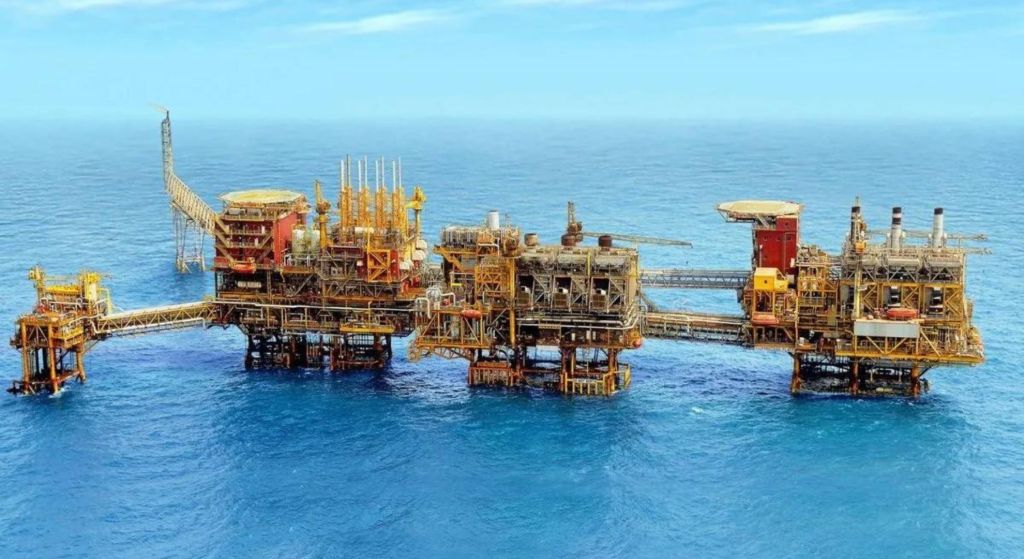
The Oil and Natural Gas Corporation (ONGC) is operating the Krishna Godavari Basin Deep Sea Project in the Bay of Bengal. The project is located in the KG-DWN-98/2 block, which has been delayed and extended multiple times over the past few years.
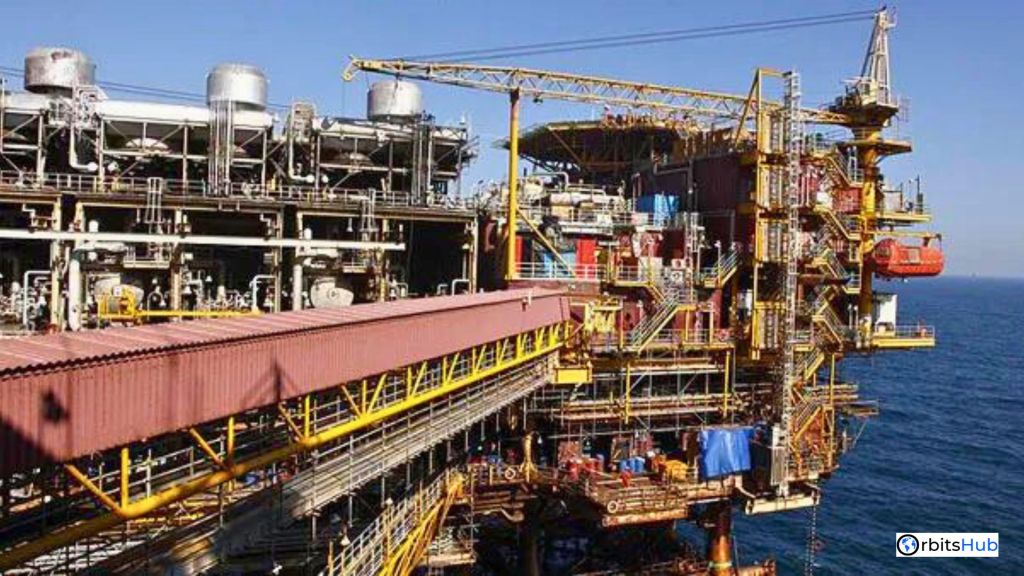
The Krishna-Godavari deep-sea project marks a significant milestone in India’s journey towards energy self-reliance. It is a testament to the country’s technical prowess, resilience, and commitment to enhancing domestic energy production.
As India progresses in its energy journey, developments such as the Krishna-Godavari basin project serve as a beacon of hope and a model for future initiatives. With its potential to significantly boost India’s oil and gas production, the project will have a lasting impact on the country’s energy landscape.