

The Reach of the Stars: Widespread Connectivity with Satellite Communication

Unlike terrestrial networks that rely on cables and towers, satellite communication harnesses the power of orbiting spacecraft. These satellites act as celestial relays, bouncing signals between a transmitter on Earth and a receiver, effectively bypassing geographical limitations. This unique capability bridges the gap in remote areas, enabling indigenous communities in the heart of the Sahara to connect with the outside world. When it comes to helping those in need, satellite communication is also essential. In the aftermath of a natural disaster that cripples terrestrial infrastructure, satellites become lifelines, allowing rescue teams to coordinate efforts and families to check on loved ones.
Bridging the Digital Divide: Bringing Connectivity to Underserved Regions
An enormous barrier to global development is the digital divide, or the disparity between the privileged and the poor in terms of access to ICTs. Satellite communication offers a powerful tool to bridge this divide. By providing internet access to unserved areas, satellites empower communities with educational resources, healthcare services, and economic opportunities. Envision a classroom in a remote hamlet that has satellite internet, opening up a whole new universe of information to the kids there. Telemedicine, facilitated by satellite communication, brings critical healthcare consultations to remote areas, transforming lives.
Advantages of Satellite Communication
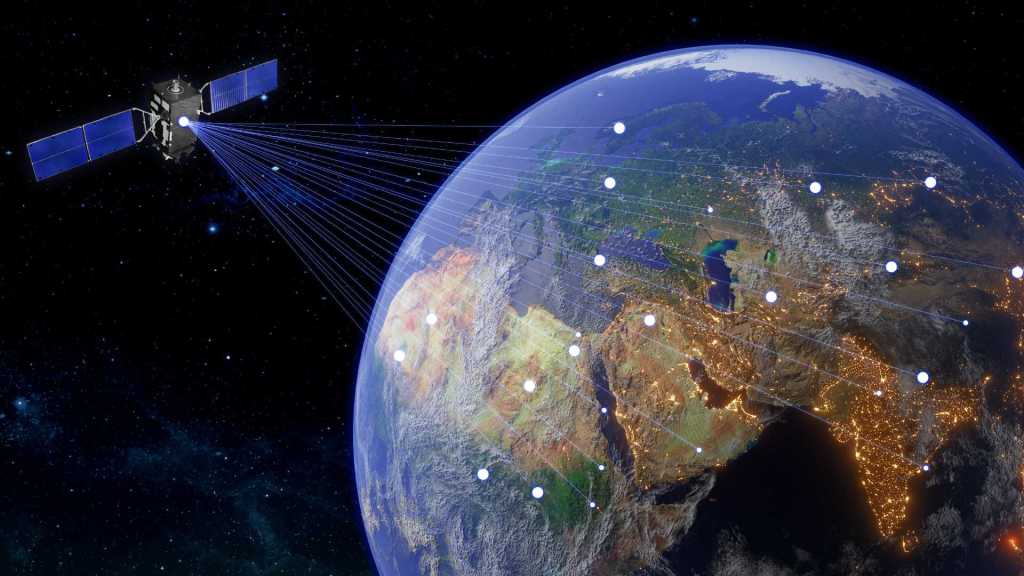
The benefits of satellite communication extend far beyond geographical reach. Unlike terrestrial networks that can be susceptible to disruptions during power outages or infrastructure damage, satellites offer a robust and reliable connection. This uninterrupted communication is especially crucial for businesses operating in remote locations, such as oil rigs in the middle of the ocean or mining expeditions in the Arctic tundra. Satellite communication ensures that critical operations can continue seamlessly, even in the most challenging environments.
The versatility of satellite communication makes it a powerhouse for diverse applications. In the maritime industry, it safeguards communication between ships and land, ensuring the safety of crews and smooth operation of global trade. Similarly, aviation relies heavily on satellites for navigation and air traffic control, keeping the skies safe for passengers and cargo. The military also leverages satellite communication for secure communication, real-time intelligence gathering, and coordinated operations. Beyond these practical applications, satellites play a vital role in broadcasting and media distribution, beaming our favorite television shows and news channels directly into our homes. They are also instrumental in scientific research and exploration, facilitating communication with remote research stations and probes venturing deep into space.
Cost-Effective Long-Distance Communication: Overcoming Distance Barriers
One of the often-overlooked advantages of satellite communication is its cost-effectiveness for long-distance data transmission. Unlike traditional methods like laying undersea cables, which incur significant upfront costs and ongoing maintenance, satellite communication offers a more scalable solution. This makes it a particularly attractive option for businesses that need to transmit large amounts of data over vast distances, such as oil and gas companies operating offshore rigs or financial institutions transferring sensitive data across continents.
Disadvantages of Satellite Communication
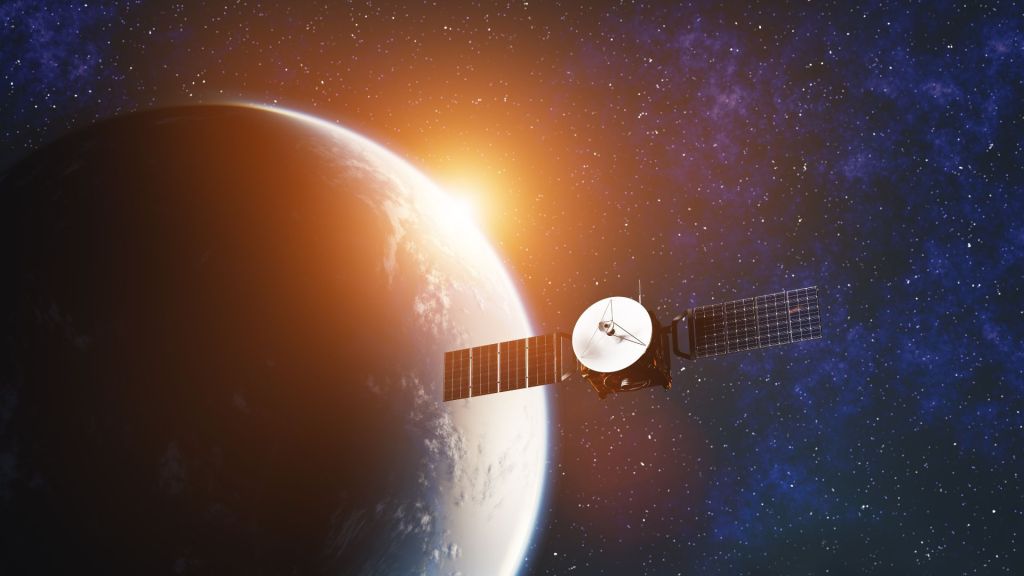
While the advantages of satellite communication are undeniable, there are also some challenges to consider. Launching and maintaining satellites in orbit is a complex and expensive undertaking. These high initial investment costs can translate to a higher price tag for users compared to terrestrial options. This can limit the accessibility of satellite communication, particularly for individuals or small businesses in developing regions.
Another hurdle is signal interference. Unlike terrestrial signals that travel along cables or through the atmosphere in a straight line, satellite signals have to travel a much longer distance and can be susceptible to disruption by weather conditions. A heavy downpour or a solar storm can weaken or even completely block the signal, causing communication outages. While mitigation strategies like signal strengthening and error correction techniques are constantly evolving, weather dependence remains a challenge for satellite communication.
Latency Issues: The Speed Bump in Space
The laws of physics impose another limitation on satellite communication – latency. Due to the vast distance that signals need to travel to and from satellites, there is a noticeable delay in communication compared to terrestrial networks. For real-time applications, such as online gaming or video conferencing, where even a small delay might cause a lag or interruption, this latency can be a major downside. However, advancements in satellite technology, particularly the development of constellations of smaller satellites orbiting at lower altitudes, are promising to reduce latency and improve the real-time performance of satellite communication.
The Future of Satellite Communication: Looking Beyond the Horizon

Innovation is constantly pushing the boundaries of satellite communication. New satellite technologies are being developed to deliver faster speeds, lower latency, and broader coverage. One of the most exciting developments is the concept of constellations of smaller satellites known as mega-constellations. These networks of thousands of satellites orbiting at lower altitudes promise to revolutionize satellite communication by providing global, high-speed internet access with low latency, rivaling even terrestrial fiber connections. Imagine the possibilities this could unlock, particularly for remote and underserved communities.
Sustainability Concerns: Addressing the Issue of Space Debris
As we harness the vast potential of satellite communication, it’s essential to address the growing concern of space debris. The proliferation of defunct satellites, discarded rocket stages, and other debris in orbit poses a serious threat to the operational satellites that we rely on. It’s imperative that the global space community continues to develop and implement strategies for debris mitigation and collision avoidance. This includes responsible satellite design practices that consider end-of-life deorbiting, active debris removal technologies, and international cooperation to create a safer and more sustainable space environment.
Satellite communication is a remarkable technology that has transformed the way we connect and interact with the world. From its ability to bridge geographic and digital divides to its critical role in disaster relief, business operations, and scientific exploration, satellites are an integral part of our modern world. While challenges like high costs, weather dependence, and latency still exist, the relentless pace of innovation promises to address these obstacles, unlocking even greater potential in the years to come.
As we stand on the threshold of a new era in satellite communication, it’s important to consider the delicate balance between progress and sustainability. While making sure Earth’s orbit is used responsibly and sustainably, can we keep pushing the limits of space-based connectivity? The long-term effects of satellite communication on Earth will be determined by the response to this question.



Comment(01)