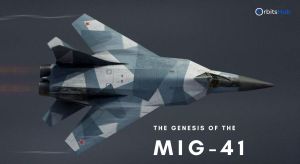
The design and engineering of aircraft have evolved significantly over the past century, with various wing configurations tested and utilized to optimize performance. Among these, the delta wing design stands out due to its unique shape and aerodynamic properties. Conceptualized initially for high-speed aircraft, the delta wing has become synonymous with supersonic flight and advanced aerodynamics. In this article, we will delve into the aerodynamics of delta-wing aviation, exploring the science behind their design, the benefits and challenges they present, and their applications in modern aviation.
Understanding Delta Wing Aerodynamics
The delta wing, named for its triangular shape resembling the Greek letter delta (Δ), is characterized by a wide, swept-back design that tapers to a point at the rear. This design is highly efficient at high speeds, particularly in supersonic flight, where traditional wings may struggle with shock waves and drag. To understand why delta wings are preferred in specific aircraft, it’s essential to explore their aerodynamic properties.
The Science Behind Delta Wing Lift
Lift generation in delta-wing aircraft differs somewhat from that of conventional wings. The shape and angle of attack of a traditional wing are the primary factors in creating lift, which is the difference in air pressure between the wing and the ground. Yet, delta wings are able to produce lift by utilizing both pressure differential and vortex lift simultaneously.
When a delta-wing aircraft moves through the air, the wing’s leading edge swings its leading edges, creating strong vortices and spiraling air flows. These vortices enhance the low-pressure region on top of the wing, increasing lift. The phenomenon is particularly pronounced at higher angles of attack, making delta wings effective in a wide range of flight conditions, from slow speeds to supersonic velocities.
Advantages of Delta Wing Design
Delta wings offer several aerodynamic advantages:
- High-Speed Stability: Delta wings maintain stability at high speeds, especially in supersonic flight. The wide surface area helps to distribute the aircraft’s weight more evenly, reducing stress on the structure during rapid maneuvers.
- Low Drag: The swept-back design minimizes drag at high speeds by reducing the wing’s frontal area. This feature allows delta-wing aircraft to achieve higher speeds with greater fuel efficiency.
- Vortex Lift: The vortices generated by the delta wing enhance lift, particularly at higher angles of attack. This makes the delta wing design suitable for aircraft that require agility and the ability to operate at various speeds.
- Structural Simplicity: Delta wings are structurally more straightforward than other wing configurations, requiring fewer moving parts for control. This simplicity can translate into reduced maintenance and increased reliability.
Challenges and Limitations
While delta wings offer numerous advantages, they also present specific challenges that must be addressed in their design and operation.
- Low-Speed Handling: One of the primary drawbacks of Delta Wings is their performance at low speeds. The same vortex lift that enhances high-speed performance can lead to reduced lift and increased drag at lower speeds, making takeoffs and landings more challenging.
- Increased Weight: The structural demands of delta wings often result in heavier aircraft, particularly when additional systems are required to compensate for low-speed performance issues.
- Complex Aerodynamics: The vortex lift phenomenon introduces complex aerodynamic behaviors that can be difficult to predict and manage. Pilots and engineers must consider these factors when designing and operating delta-wing aircraft.
Applications of Delta Wing Aircraft

Delta wing designs have found their place in various aircraft types, from military jets to commercial supersonic transports. Their unique aerodynamic properties make them ideal for specific applications with critical speed, stability, and maneuverability.
Military Aircraft
One of the most well-known applications of delta wing design is in military aviation. Aircraft like the Dassault Mirage series and the Convair F-102 Delta Dagger have utilized delta wings to achieve high-speed interception capabilities. The design allows these aircraft to maintain stability and control during high-speed dogfights and rapid ascent to intercept targets.
The iconic Concorde, a commercial aircraft, also leveraged delta wing design for supersonic travel. Its ability to fly at speeds over Mach 2 while maintaining passenger comfort was mainly due to its aerodynamic efficiency, provided by the delta wing.
Supersonic Transport
Delta wings are a natural fit for supersonic transport aircraft. The need to minimize drag at high speeds and ensure stability during transonic and supersonic flight makes Delta Wings an ideal choice. As the aviation industry looks toward the future of commercial supersonic travel, the principles of delta wing aerodynamics will likely play a key role.
Experimental and Research Aircraft
Delta wings have also been used extensively in experimental and research aircraft. The Lockheed Martin X-24 and the Space Shuttle incorporated delta wing designs to explore new aviation and space travel frontiers. These aircraft pushed the boundaries of what was possible, demonstrating the versatility and potential of delta wing aerodynamics.
Future Prospects of Delta Wing Aircraft Design
As technology advances, the future of delta wing design looks promising. With the rise of uncrewed aerial vehicles (UAVs) and the resurgence of interest in supersonic and hypersonic travel, delta wings may see a new era of innovation and application.
Delta Wings in UAVs
Uncrewed aerial vehicles, particularly those designed for high-speed reconnaissance and combat, can benefit from delta wing designs. Delta wings have simplicity and aerodynamic efficiency that make them well-suited for UAVs. In UAVs, where weight, speed, and maneuverability are critical factors, delta wings excel. As UAV technology continues to evolve, delta wings may become a standard feature in the design of next-generation drones.
Supersonic and Hypersonic Travel
The quest for faster air travel continues. Several companies explore the possibility of supersonic and hypersonic passenger aircraft for greater efficiency. With their proven aerodynamic performance at high speeds, Delta wings will likely play a significant role in these developments. Engineers are currently experimenting with new materials and design techniques. They are doing this to overcome the limitations of delta wings. Particularly in low-speed scenarios, this research is focused on. Making supersonic travel more viable for commercial use.
Delta wing aircraft represent a fascinating intersection of aerodynamic efficiency and design simplicity. Their unique shape has made them a staple in high-speed aviation. Their aerodynamic properties have made them popular in military jets and experimental space planes. As technology advances, the principles of delta wing aerodynamics will undoubtedly inspire innovations in human-crewed and uncrewed aircraft.
For those interested in exploring the cutting-edge of aviation technology, Orbitshub offers expert consultancy services in the maritime and aviation sectors. Whether you’re looking to innovate in aircraft design, or optimize your fleet’s performance, Our team of professionals is here to help. Contact us today to learn how we can assist with your aviation and maritime needs.