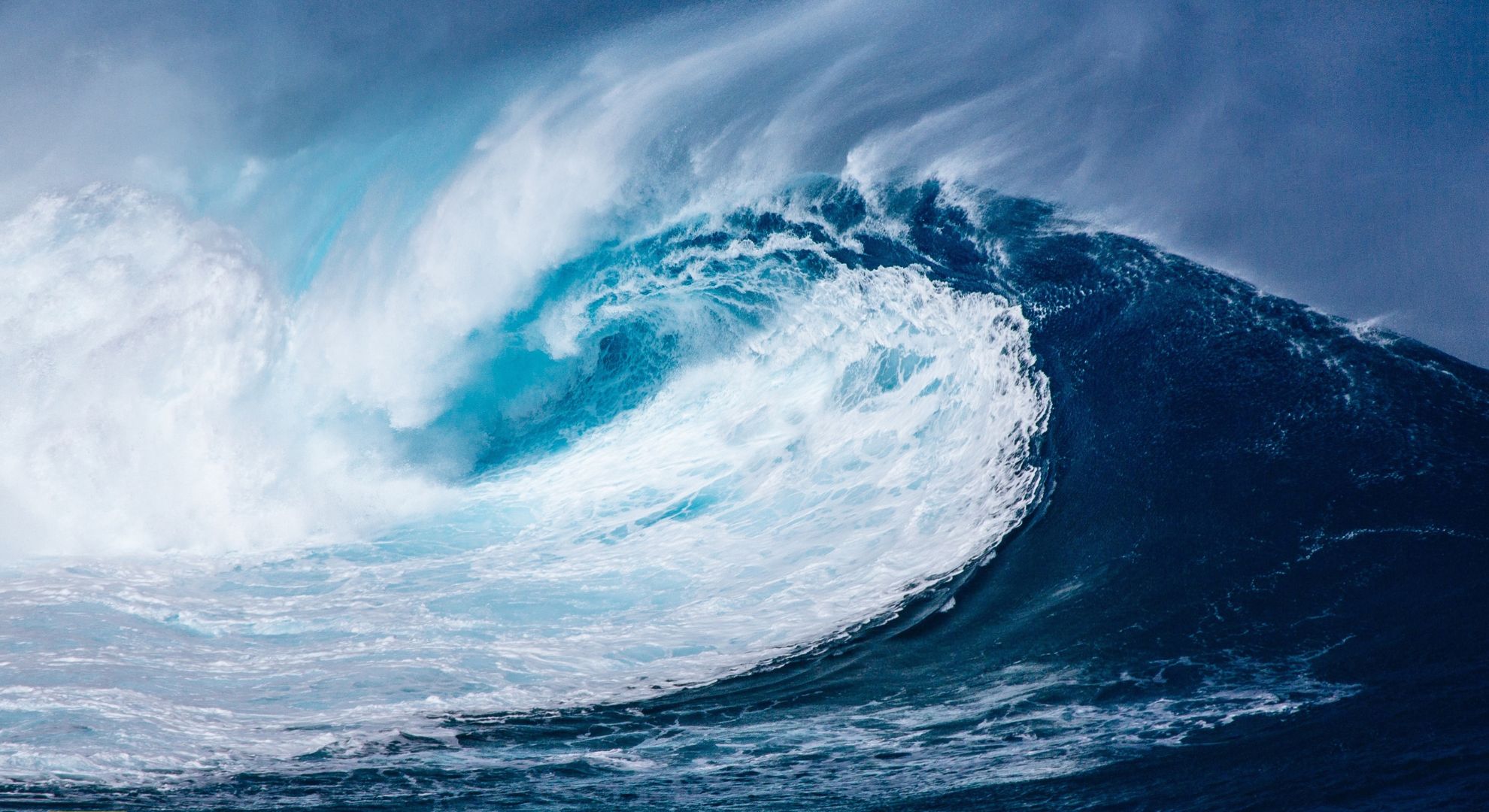
Freshwater Bodies: An Overview
When we think of large bodies of water, we usually envision the salty oceans that cover more than 70% of our planet’s surface. However, there are also significant bodies of freshwater on our planet, primarily in the form of lakes, rivers, and underground aquifers.
Among these, lakes are the most expansive and notable. Lakes are landlocked bodies of water and can be either fresh or saline. The Great lakes of North America, for instance, are freshwater and are often referred to as ‘inland seas’ due to their sheer size.
Inland Seas: A Closer Look
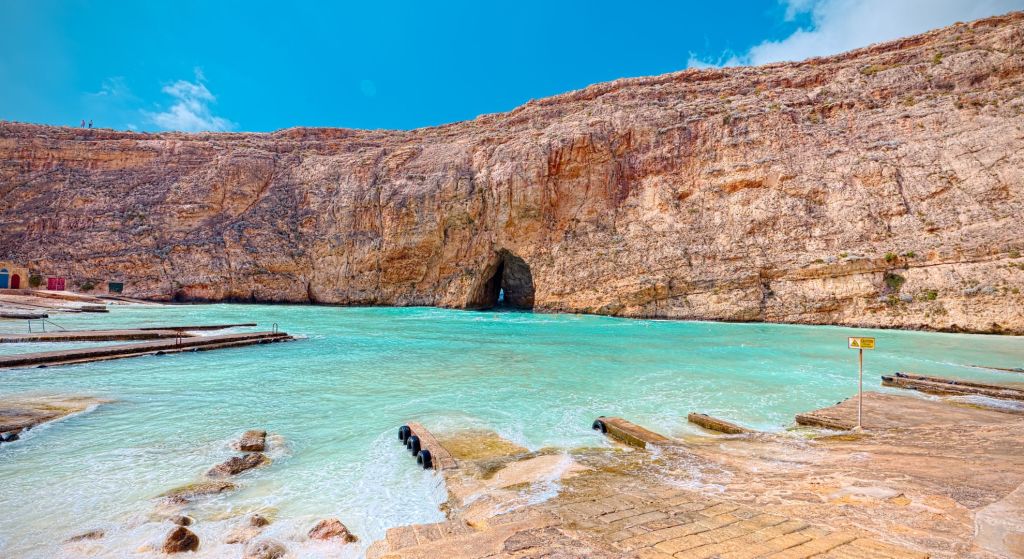
An inland sea or an epeiric sea is a large body of water that is either entirely surrounded by land or connected to an ocean by a river or strait. The salinity of an inland sea is typically higher than that of a freshwater lake but lower than that of seawater. An inland sea experiences tides, much like other seas, governed by the gravitational pull of the moon and the sun.
The definition of an inland sea is not precise and can vary. According to the United States Hydrographic Office, an inland sea can be described as “a large body of salt water or other body of water that is almost entirely encircled by land.”
Exceptional Freshwater Seas
The Great Lakes
The five largest freshwater lakes in the world—Lake Superior, Lake Huron, Lake Erie, and Lake Ontario—are located in North America and are considered to be the Great Lakes. Despite being freshwater, they resemble inland seas due to their vast size. The greatest Great Lake, Lake Superior, is so enormous that it could submerge the whole continent of North and South America in just under one foot of water!
Baltic and Caspian Sea
Although not entirely freshwater, the Baltic Sea and the Caspian Sea are two other significant bodies of water with lower salinity than seawater. Different types of water found in the Baltic Sea, the world’s largest brackish inland sea, and the Caspian Sea, the world’s largest lake, give rise to distinct ecosystems in each.
Freshwater Aquifers: Hidden Freshwater Seas
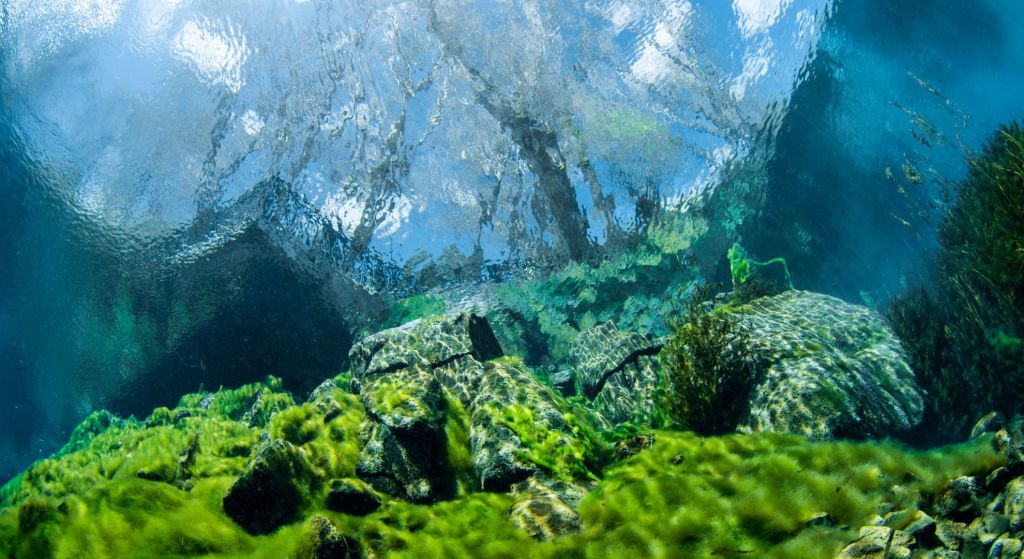
A fascinating discovery revealed the existence of a colossal freshwater aquifer beneath the salty Atlantic Ocean off the northeastern coast of the United States. This aquifer, stretching from Massachusetts to southern New Jersey, could contain about 2,800 cubic kilometers of slightly salty water, making it potentially one of the largest of its kind.
Life In Freshwater Seas
The evolution of life in freshwater seas could be significantly different from that in saltwater seas. Creatures in freshwater environments would have developed distinct mechanisms for fluid regulation and neural communication, diverging from their saltwater counterparts.
Can Oceans Turn Fresh?
Technically, it is possible to change the salinity of an ocean, but the process would be incredibly complex and improbable. For instance, it would require a geological mechanism like salt lakes for sequestration, and the conditions necessary for such a process to occur are incredibly specific and unlikely on a large scale.
The Future of Freshwater Seas

With ongoing climate change and rising sea levels, the dynamics of freshwater seas could significantly change. Future research is crucial to understanding the impact of these changes on the biodiversity and ecosystems of these unique bodies of water.
while there are no freshwater oceans in the strictest sense, there are significant bodies of freshwater, such as the Great Lakes, that serve as freshwater seas. Additionally, the recent discovery of vast freshwater aquifers beneath the ocean surface adds another dimension to our understanding of the planet’s water resources.
Unique Ecosystems in Freshwater Seas
Freshwater seas, often overlooked compared to their saltwater counterparts, harbor unique ecosystems. These ecosystems are defined by distinct flora and fauna which thrive in freshwater environments. The biodiversity in these habitats is remarkable and often includes species not found elsewhere.
- Diverse Plant Life: Freshwater seas support many plant species, including aquatic plants like water lilies and reeds. These plants are essential to the ecology because they give different creatures a place to live and nourishment.
- Endemic Fish Species: Many freshwater seas are home to fish species that are unique to these waters. For instance, the Caspian Sea hosts the beluga sturgeon, known for producing high-quality caviar.
- Invertebrate Diversity: The freshwater seas are teeming with invertebrates, such as crayfish, mollusks, and insects. These creatures contribute to the food web and help maintain the ecological balance.
- Avian Habitats: Freshwater seas attract numerous bird species, some of which are migratory. These birds rely on these bodies of water for feeding and nesting.
- Microbial Communities: The microbial life in freshwater seas is diverse and vital in nutrient cycling and water quality maintenance.
Historical Significance of Freshwater Seas
Freshwater seas have held significant historical importance for human civilizations. These bodies of water have been central to developing trade, culture, and settlement patterns.
- Trade Routes: Historically, freshwater seas like the Great Lakes have served as critical trade routes, facilitating the movement of goods and people. These routes helped connect different regions, fostering economic growth.
- Cultural Hubs: Many civilizations have settled around freshwater seas, attracted by water availability and fertile land. These areas have often become cultural and economic hubs, influencing art, language, and traditions.
- Conflict and Diplomacy: Freshwater seas have also been focal points for territorial disputes and diplomatic negotiations. Control over these waters has often been contested due to their strategic and economic value.
- Exploration and Discovery: Exploring freshwater seas has led to significant discoveries, including new species and geological formations. These explorations have expanded our understanding of natural history and geography.
- Environmental Conservation: Recently, there has been a growing recognition of the need to conserve these unique ecosystems. Efforts to protect and preserve freshwater seas have become a priority for many governments and organizations.
Comparing Freshwater Seas with Saltwater Oceans
Freshwater seas and saltwater oceans, while both large bodies of water, differ significantly in their characteristics and ecological dynamics.
- Salinity Levels: The most obvious difference is the salinity; freshwater seas have low salt concentrations, while oceans are saline. This difference influences the types of species that can live in each environment.
- Biodiversity: While oceans generally boast higher biodiversity, freshwater seas host unique species adapted to lower salinity levels. Some species, like freshwater dolphins, are exclusively found in these habitats.
- Temperature and Climate Impact: Freshwater seas often experience more significant temperature fluctuations than oceans, affecting surrounding regions’ climate and weather patterns.
- Economic Uses: Both water bodies are economically essential but in different ways. Oceans are significant seafood sources and facilitate global trade, while freshwater seas are crucial for freshwater fisheries, agriculture, and hydroelectric power.
- Environmental Threats: Freshwater seas face unique environmental challenges, such as pollution from agricultural runoff and invasive species, which can significantly impact their ecosystems.
The Role of Freshwater Seas in Climate Regulation
Freshwater seas play a critical role in regulating the climate, both locally and globally. These water bodies influence temperature, precipitation, and atmospheric conditions.
- Heat Absorption and Release: By soaking up summer heat and releasing it in the winter, freshwater oceans control the local climate. This thermal regulation helps reduce temperature extremes.
- Water Cycle Contribution: These seas contribute to the water cycle by supporting evaporation, which leads to cloud formation and precipitation. This process is essential for maintaining regional weather patterns.
- Carbon Sequestration: Freshwater seas have the same ability to absorb carbon dioxide from the atmosphere as oceans do. This procedure aids in reducing the consequences of climate change. Albedo Effect: The surface of freshwater seas reflects sunlight, which can influence the Earth’s albedo and subsequently impact global temperatures.
- Local Climate Effects: A freshwater sea can create microclimates, influencing factors like humidity, wind patterns, and rainfall in the surrounding region.
Mythical and Legendary Freshwater Seas
Throughout history, freshwater seas have been the subjects of myths and legends, often depicted as mysterious and magical places.
- Lost Cities and Civilizations: Many legends speak of ancient cities submerged beneath freshwater seas, such as the supposed city under Lake Titicaca. These stories often captivate imaginations and inspire explorations.
- Monsters and Mythical Creatures: Tales of creatures like the Loch Ness Monster have become iconic. These legends contribute to the cultural lore surrounding certain freshwater seas.
- Sacred and Ritualistic Sites: In various cultures, freshwater seas are often considered sacred in religious rituals and ceremonies. These practices highlight the spiritual significance of these waters.
- Pirates and Hidden Treasures: Stories of pirates hiding treasures in or around freshwater seas add an element of adventure and mystery to these locations. Such tales often encourage treasure hunts and expeditions.
- Cultural Folklore: Freshwater seas are frequently featured in folklore, serving as backdrops for stories of love, tragedy, and heroism. These narratives enrich the cultural heritage of the regions surrounding these waters.
The fascinating world of freshwater seas and oceans is a testament to the complexity and diversity of our planet’s ecosystems. While we continue to explore and understand these unique water bodies, their protection and sustainable use remain paramount.