The aviation industry has taken significant steps towards reducing its environmental impact and achieving sustainable growth in recent years. One of the most exciting developments in this field is the increasing use of sustainable aviation fuel, also known as SAF. Sustainable aviation fuel has the potential to revolutionize air travel by significantly reducing CO2 emissions and offering a more diversified and environmentally friendly fuel supply. Here, we will explore the critical advantages of aviation turbine fuel, discuss the challenges to its deployment, and examine the role it plays in fueling the net-zero ambitions of the air transport industry.
What is Sustainable Aviation Fuel?
Sustainable aviation fuel, often referred to as biofuel, renewable aviation fuel, or renewable jet fuel, is produced from biological sources rather than fossil fuels. It is synthesized from various sustainable feedstocks such as waste oil and fats, municipal solid waste, cellulosic waste, cover crops, non-biogenic alternative fuels, jatropha, halophytes, and algae. These feedstocks can absorb CO2 and significantly reduce CO2 emissions compared to traditional fossil fuels.
Environmental Benefits of Sustainable Aviation Fuel
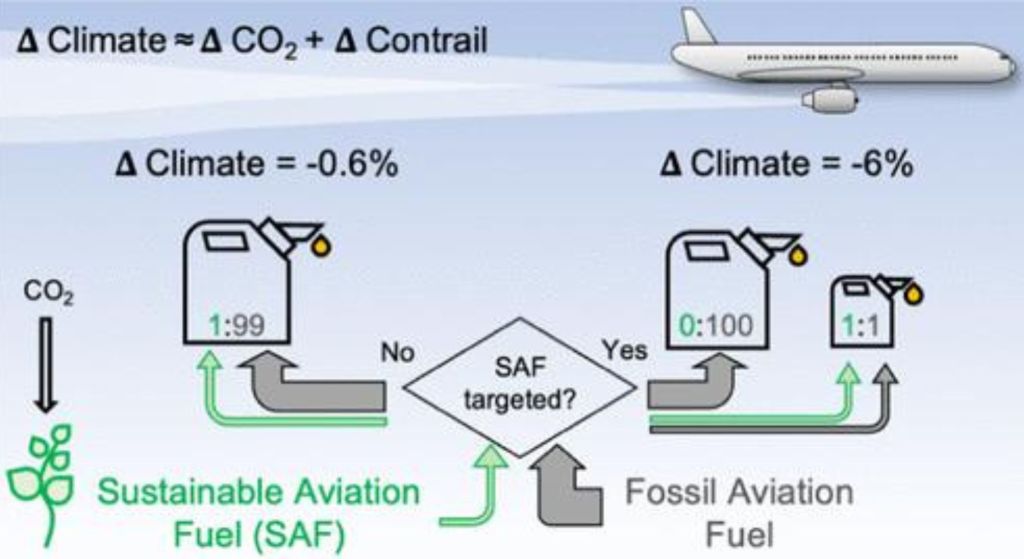
One of the critical advantages of sustainable aviation fuel is its significant environmental benefits. Researchers have found that sustainable aviation fuel can cut CO2 pollution by up to 80% throughout its lifetime compared to regular jet fuel. There is ongoing research into fuels that could have a negative emissions lifecycle, meaning they absorb more CO2 than they emit. This makes sustainable aviation fuel a crucial tool in reducing the aviation industry’s carbon footprint.

Diversified Supply and Drop-in Alternative
Another advantage of sustainable aviation fuel is its potential to offer a more diversified and geographically varied fuel supply. Unlike conventional fossil-derived kerosene, sustainable aviation fuel can be produced from non-food crop sources, allowing for a broader range of feedstock options. This diversification can enhance energy security and independence for many nations, as it reduces reliance on a single fuel source.
One of its best features is using sustainable aircraft fuel instead of regular jet fuel. It can seamlessly integrate into the existing fuel supply and distribution infrastructure without requiring extensive aircraft, engine, or fuelling system modifications. This drop-in feature allows for a faster transition to sustainable aviation fuel than other alternative fuel options, requiring a wholesale change in aviation systems and equipment.
Policy and Incentives for Encouraging SAF Adoption
Carbon pricing and emission trading schemes: Talk about how methods for pricing carbon can encourage airlines to move to fuels with lower carbon emissions, such as SAF. Explain how dealing in emissions can make a market for carbon credits that are made through SAF. Government subsidies and tax breaks: Look into how tax breaks for airlines that use SAF or government subsidies for sites that make SAF can help make the fuel cheaper than regular jet fuel. International cooperation: Talk about how important it is for governments and aviation officials around the world to work together to create unified rules and support systems for SAF adoption.
Economic and Social Benefits
Sustainable aviation fuel offers not only environmental benefits but also provides economic and social advantages. It can address the volatile fuel costs the aviation industry faces, offering a more stable and predictable fuel supply. Moreover, sustainable aviation fuel production can generate economic activity and create jobs, particularly in developing countries. The shift to sustainable aviation fuel could make or transfer up to 14 million jobs from fossil fuel energy sectors, contributing to economic growth and development.
Investing in sustainable aviation fuel technologies fosters innovation and drives research and development in renewable energy sectors. As a result, emissions of greenhouse gases are decreased, and energy security is improved through the diversification of fuel sources. Furthermore, by reducing the aviation industry’s reliance on fossil fuels, sustainable fuel contributes to global efforts to mitigate climate change, ensuring a more sustainable future for future generations.
Challenges to Deployment
While sustainable aviation fuel holds great promise, several challenges must be addressed for its widespread deployment. These challenges are primarily economic and political rather than technical. Some key challenges include ensuring an adequate feedstock and low-carbon energy supply to produce sufficient quantities of sustainable aviation fuel at a competitive cost. This requires appropriate policy mechanisms to incentivize the use of feedstocks for aviation as a priority over other sectors.
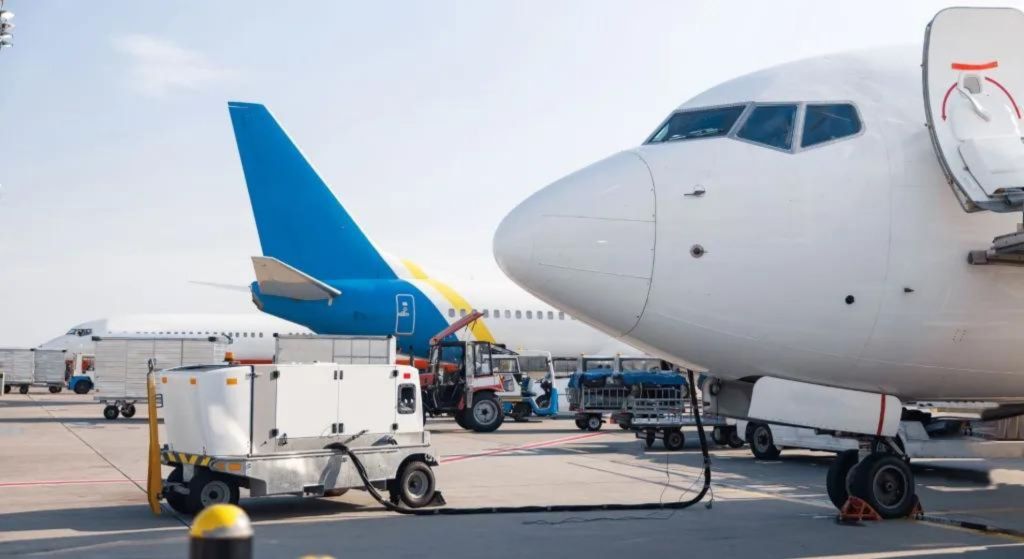
Private investment in sustainable aviation fuel production also needs to be encouraged, which requires reducing the risk for investors. Additionally, ensuring compatibility between aircraft and 100% sustainable aviation fuel is essential. Commercial flights can fly with up to 50% sustainable aviation fuel and 50% conventional jet fuel. However, the industry is moving toward 100% sustainable aviation fuel.
Book and Claim Mechanism
A mechanism called “book and claim” can be employed to facilitate the efficient deployment of sustainable aviation fuel. This mechanism addresses the initial limited supply of sustainable aviation fuel by allowing airlines to purchase SAF without being geographically connected to a specific supply site. Airlines can support sustainable aviation fuel production sites in different parts of the world, even if they don’t operate flights to those locations.
With the book and claim mechanism, airlines can buy sustainable aviation fuel from competitively produced sources and obtain CO2 emissions credits. The physical sustainable aviation fuel can be incorporated into the distribution systems of local airports near the production site. This mechanism enables airlines to support the scaling up of sustainable aviation fuel while receiving credit for their contribution.
Fueling Net Zero for Air Transport
In October 2021, the air transport industry committed to achieving net-zero carbon emissions by 2050. An essential part of this net-zero goal is sustainable aircraft fuel. According to the Waypoint 2050 report by the Air Transport Action Group (ATAG), sustainable aviation fuel is a critical component in achieving long-term climate goals for aviation.
Renewable resources like biomass, used oils, or carbon capture and reuse synthetic processes are the sources of sustainable aviation fuel (SAF). The industry’s decarbonization initiatives cannot be accomplished without it because SAF can drastically cut emissions compared to conventional jet fuels. However, widespread adoption faces challenges such as scalability, cost competitiveness, and regulatory frameworks that must be addressed to ensure its successful integration into aviation’s transition towards sustainability.
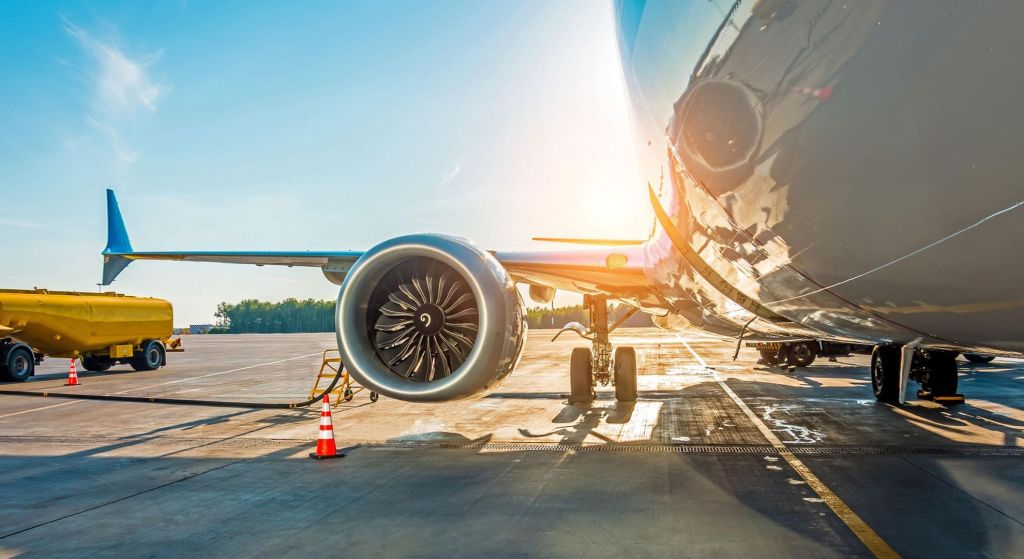
The report further emphasizes the need for a massive scale-up in sustainable aviation fuel production to meet the decarbonization targets of the aviation industry. It highlights the importance of building infrastructure, establishing commercial partnerships, and developing processes to support the production and distribution of sustainable aviation fuel. The report estimates that aviation will require 5,000-7,000 renewable fuel refineries by 2050 to meet the demand for sustainable aviation fuel.
FAQ’s
1. What is aviation turbine fuel (ATF)?
Aviation turbine fuel, which is also called jet fuel, is a special kind of fuel made for planes. There is a unique recipe for it that makes it work with jet engines, giving planes the power they need.
2. What distinguishes aviation turbine fuel from gasoline or diesel?
Aviation turbine fuel differs from gasoline and diesel in composition and quality. Jet fuel is more energy-dense, freezes lower, and is less volatile than gasoline or diesel. These traits optimize performance and safety in high-altitude and extreme temperature settings.
3. Can aircraft turbine fuel affect the environment?
Burning fossil fuel-derived aircraft turbine fuel emits greenhouse gases (GHGs). However, the aviation sector is trying to reduce its environmental impact. Develop sustainable aviation fuel (SAF) using renewable feedstocks to reduce GHG emissions and enhance sustainability.
4. What are the benefits of sustainable aviation turbine fuel?
Sustainable aircraft turbine fuel has many benefits. First, it cuts greenhouse gas emissions, fighting climate change. It diversifies the fuel supply chain by using renewable resources. Finally, it promotes the aviation industry’s carbon-neutral growth and sustainable air travel goals.
5. How is sustainable aviation turbine fuel produced?
Use waste oils, agricultural wastes, or even carbon dioxide to make sustainable aviation turbine fuel. Hydroprocessed or Fischer-Tropsch feedstocks are synthesized to create cleaner, more sustainable aviation fuel.
Sustainable aviation fuel, also known as biofuel or renewable jet fuel, offers significant environmental benefits and the potential for a more diversified and geographically varied fuel supply. It reduces CO2 emissions by 80% over its lifecycle compared to traditional jet fuel. The fuel supply and distribution system can easily accommodate sustainable aviation fuel. It also provides economic and social benefits, including stable fuel costs and job creation.
However, there are challenges to the widespread deployment of aviation turbine fuel, including ensuring an adequate supply of feedstock and low-carbon energy, reducing the cost of sustainable aviation fuel, and ensuring compatibility with existing aircraft. Mechanisms like books and claims can help scale up the deployment of sustainable aviation fuel while the industry works towards using 100% sustainable aviation fuel in commercial flights.