History of the Bruce Anchor
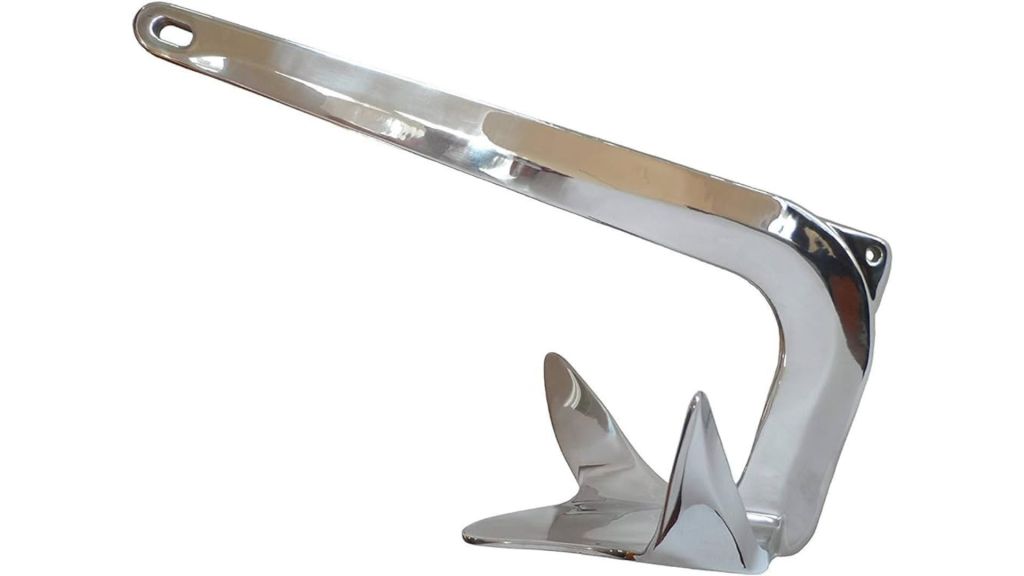
The genesis of the Bruce Anchor can be traced back to the halcyon days of the 1970s. It was during this era of nautical innovation that Peter Bruce, a scion of the venerable Bruce family of Scotland, conceived this groundbreaking design. The Bruce clan, long associated with maritime pursuits, provided the perfect crucible for this revolutionary anchor’s development.
As the years progressed, the Bruce Anchor underwent a series of iterative refinements. These judicious modifications served to enhance its already formidable performance characteristics. The anchor’s evolution mirrors the broader trajectory of maritime technology, with each iteration incorporating cutting-edge materials and manufacturing techniques. This ceaseless pursuit of perfection has ensured the Bruce Anchor’s continued relevance in an ever-changing nautical landscape.
Design and Features
The Bruce Anchor’s design is a masterclass in ergonomic efficiency. Its trident-like silhouette comprises a central shank flanked by two symmetrical flukes. These flukes, reminiscent of the talons of a raptor, are angled to facilitate rapid penetration of the seabed. The anchor’s low center of gravity and self-righting tendencies contribute to its exceptional holding power.
Among the Bruce Anchor’s most salient design elements is its ability to reorient itself when subjected to changing load directions. This autoreorientation capability ensures that the anchor maintains optimal engagement with the substrate, even in the face of shifting winds or tidal flows. The anchor’s broad, shovel-like flukes provide substantial surface area for interaction with the seabed, enhancing its grip in a variety of bottom compositions.
Types of Bruce Anchors
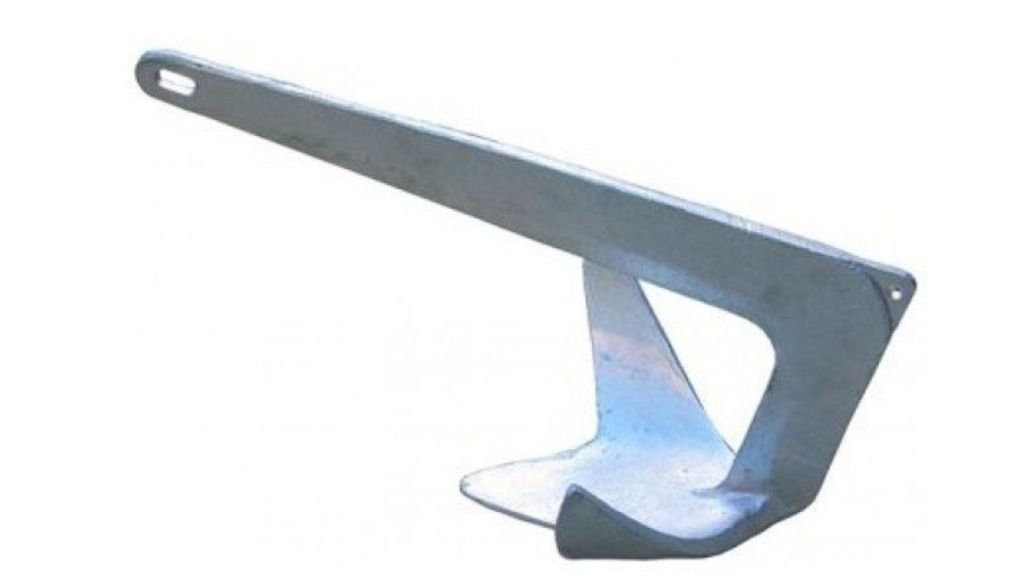
The Bruce Anchor family encompasses a diverse array of variants, each tailored to specific maritime applications. These range from diminutive models suitable for small recreational craft to behemoth incarnations designed for use on ocean-going vessels. The spectrum of available sizes ensures that there is a Bruce Anchor suited to virtually every conceivable nautical scenario.
Smaller Bruce Anchors, typically weighing between 5 and 50 pounds, find their niche in the realm of pleasure boating. These compact models offer an ideal balance of performance and portability for weekend sailors and coastal cruisers. At the opposite end of the scale, industrial-grade Bruce Anchors, often exceeding several tons in weight, are the preferred choice for offshore oil platforms and large commercial vessels. These leviathans provide unparalleled holding power in the most demanding maritime environments.
Installation Guide
The installation of a Bruce Anchor, while straightforward, demands attention to detail to ensure optimal performance. Begin by selecting an appropriate location on the vessel’s bow for anchor deployment. Secure the anchor to a sturdy chain using a shackle of commensurate strength. When deploying the anchor, pay out sufficient scope – typically a minimum of seven times the water depth – to allow the anchor to set properly.
For secure anchoring, consider the following tips: First, approach your chosen anchorage at a low speed, allowing the vessel to drift backwards as you lower the anchor. This technique facilitates proper orientation of the anchor as it descends. Once the anchor touches bottom, continue to pay out chain while reversing gently. This action helps the flukes dig into the substrate. Finally, apply reverse thrust to ensure the anchor has set firmly before shutting down the engine.
Performance and Efficiency
The Bruce Anchor’s performance across diverse conditions is nothing short of remarkable. In sandy or muddy bottoms, its broad flukes quickly penetrate and establish a firm hold. Even in more challenging substrates, such as gravel or coral, the Bruce Anchor’s self-righting design allows it to find purchase where other anchor types might fail.
A case study from the North Sea oil fields illustrates the Bruce Anchor’s exceptional capabilities. During a severe storm in 1995, a semi-submersible drilling rig equipped with Bruce Anchors maintained its position in winds exceeding 100 knots and waves topping 60 feet. This feat of engineering prowess underscores the anchor’s reliability in even the most extreme conditions.
Maintenance and Care
Proper maintenance of a Bruce Anchor is crucial for ensuring its longevity and optimal performance. For signs of wear or corrosion, especially at stress places like the shackle connection, the chain should be inspected often. After use in saltwater environments, a thorough rinse with fresh water will help prevent the accumulation of corrosive salt deposits.
The durability of Bruce Anchors is legendary within maritime circles. With proper care, these anchors can provide decades of reliable service. The anchor’s robust construction, typically utilizing high-grade steel or galvanized materials, contributes to its exceptional longevity. Many sailors report using the same Bruce Anchor for upwards of 30 years without significant degradation in performance.
Comparative Analysis
When juxtaposed with other anchor types, the Bruce Anchor’s unique attributes become apparent. Compared to traditional fluke anchors, the Bruce offers superior holding power in a wider range of bottom conditions. Its self-righting design provides an advantage over plow-style anchors, which can be prone to fouling if not properly set.
However, no anchor is without its drawbacks. The Bruce Anchor’s broad flukes can make storage challenging on smaller vessels with limited deck space. Additionally, its performance in very soft mud or thick kelp beds may be less optimal than specialized anchors designed for these specific conditions.
User Reviews and Feedback
Anecdotal evidence from seasoned mariners consistently lauds the Bruce Anchor’s reliability. One Caribbean charter captain recounts, “In 20 years of sailing these waters, I’ve never once dragged anchor with my Bruce. It’s as dependable as the sunrise.” Such testimonials are commonplace among Bruce Anchor devotees.
Analysis of user satisfaction reveals overwhelmingly positive sentiment towards the Bruce Anchor. A survey of recreational boaters conducted by a leading yachting magazine found that 87% of Bruce Anchor users rated their satisfaction as “very high” or “excellent.” This level of user approval is a testament to the anchor’s consistent performance across a wide range of conditions and vessel types.
Purchasing Guide

Bruce Anchors are widely available through marine supply retailers, both in brick-and-mortar establishments and online marketplaces. Reputable manufacturers such as Lewmar and Manson produce high-quality Bruce-style anchors that meet or exceed the performance of the original design.
When contemplating the purchase of a Bruce Anchor, several factors warrant consideration. Foremost among these is the size and weight of the anchor, which should be commensurate with your vessel’s dimensions and intended use. Additionally, consider the primary bottom conditions in your cruising area, as this may influence your choice between a genuine Bruce Anchor and one of its modern derivatives.
The Bruce Anchor has irrevocably altered the landscape of maritime security. Its innovative design, coupled with robust construction and versatile performance, has earned it a place of honor aboard vessels of all sizes. From the placid waters of inland lakes to the tempestuous seas of the open ocean, the Bruce Anchor continues to provide mariners with peace of mind and steadfast reliability.
For those in search of an anchor that combines ease of use with exceptional holding power, the Bruce Anchor stands as an exemplar of nautical engineering. Its long-lasting success shows that it works, and its ongoing development means that it will be useful for many years to come. In the ever-changing world of maritime technology, the Bruce Anchor remains a constant, steadfast companion for all who venture upon the seas.