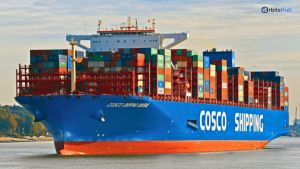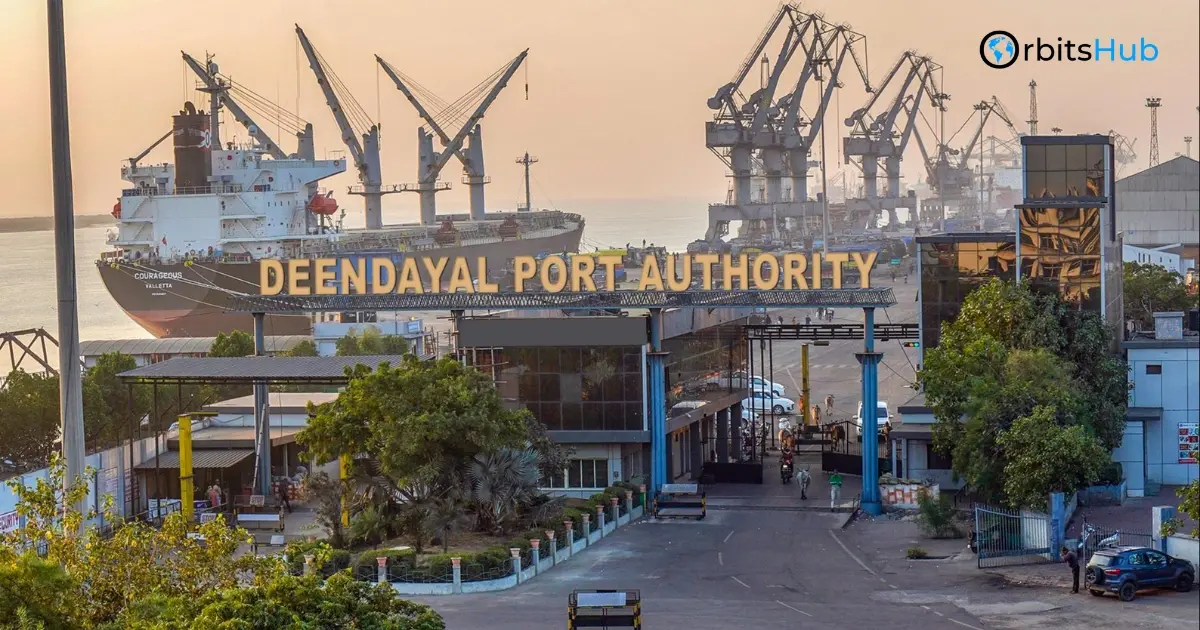
The salty breeze carries the whispers of a thousand tales as the sun rises over the bustling Chennai Port. This maritime giant has stood as a testament to South India’s economic prowess and global connectivity for over a century. Today, we embark on a journey through time and tide to delve into the vibrant core of Tamil Nadu’s maritime industry.
A Legacy Carved in Water
The story of Chennai Port began in 1881, when the British laid its foundation. Little did they know that they were planting the seeds of what would become India’s second-largest port. As ships from distant lands began to dock, Chennai Port quickly became a hub of activity, breathing life into the region’s economy.
Location and geography.
Chennai Port occupies a strategic position on the southeast coast of India in the vibrant state of Tamil Nadu. Located on the Coromandel Coast, roughly 3 km south of Chennai City, this natural harbor features an artificial harbor basin, shielded by a well-crafted breakwater. Its prime location has been instrumental in its rise as a key player in India’s maritime sector.
The Pulse of Progress
Today, a stroll along the 6.86 kilometers of waterfront will immerse you in the rhythm of progress. Chennai Port handles an impressive average of 55–60 million metric tons of cargo annually, with a peak capacity reaching 86.04 million metric tons. The port’s three docks—Dr. Ambedkar Dock, Jawahar Dock, and Bharathi Dock—work in harmony, each specializing in different types of cargo.
With 26 alongside berths, including 21 deep-draft berths, Chennai Port can accommodate vessels up to 100,000 DWT (deadweight tons). Its two oil jetties and container terminals further enhance its versatility in handling diverse cargo types.
A Day in the Life of Chennai Port

As dawn breaks, the port springs to life. Massive cranes dance along the skyline, their mechanical arms reaching to embrace incoming containers. Forklifts zip across the docks, their drivers orchestrating a complex ballet of cargo movement. In the control tower, operators monitor vessel traffic, ensuring smooth sailing for the 2,000 ships that visit annually.
The air is thick with the scent of spices, machinery, and opportunity as exporters and importers negotiate deals that will ripple across the global economy. Primary cargo like coal, iron ore, fertilizers, and containers move alongside secondary cargo such as petroleum products, edible oils, and chemicals, vividly depicting India’s diverse trade landscape.
Chennai Port: Where Tradition Meets Innovation
Despite its rich history, Chennai Port continues to strive for improvement. The port constantly evolves, embracing cutting-edge technology to stay competitive in the 21st century. Its state-of-the-art container terminals can handle 1.5 million TEUs (twenty-foot equivalent units) per year, with plans to expand this capacity to 2.5 million TEUs.
The port’s commitment to efficiency is evident in its implementation of a Port Community System. This digital platform streamlines operations, reducing paperwork and enhancing transparency. It’s a prime example of how Chennai Port blends its century-old expertise with modern solutions.
Beyond Commerce: A Lifeline for the Community
Chennai Port isn’t just about moving goods; it’s about moving lives. The port directly employs thousands of people and indirectly supports thousands more. The port creates a diverse employment ecosystem, from skilled dock workers to logistics experts, customs agents, and maritime lawyers.
Moreover, Chennai Port Trust takes its social responsibility seriously. It regularly conducts health camps for port workers and nearby communities. The trust also supports educational initiatives, providing scholarships to underprivileged students and sponsoring skill development programs.
Infrastructure and facilities
Chennai Port, which spans an impressive 274 hectares (677 acres), boasts world-class infrastructure. Its 12 godowns provide a vast 220,000 sqm of storage area. At the same time, two container freight stations offer an additional 100,000 sq m for cargo handling and storage.
Total Storage Area: 320,000 sqm
Godowns: 220,000 sqm (68.8%)
Container Freight Stations: 100,000 sqm (31.2%)
The port’s round-the-clock customs clearance facilities and on-site branches of central banks and insurance companies ensure smooth and efficient trade operations. This comprehensive ecosystem of services cements Chennai Port’s status as a one-stop solution for maritime trade.
Connectivity: The Lifeline of Trade
Chennai Port’s excellent connectivity complements its strategic location. Significant transportation networks seamlessly link to the port.
- Road: Direct access to National Highway 4 (NH4) and State Highway 49 (SH49)
- Rail: A dedicated rail link to Chennai Port Railway Station
- Air: Just 15 km from Chennai International Airport
This multi-modal connectivity ensures that goods can move swiftly from ship to shore and beyond, reaching markets across India and the world with minimal delay.
Navigating Challenges with Resilience
Chennai Port, like any significant entity, has faced its share of literal and figurative storms. In 2004, when the devastating tsunami struck the Indian coast, Chennai Port was resilient. It quickly bounced back, playing a crucial role in relief efforts.
More recently, the port has been adapting to the challenges of climate change and fluctuating global trade patterns. Its traffic and utilization rates tell a story of resilience and adaptability:
Chennai Port Traffic and Utilization
Note: Utilization data for 2020-21 is not shown as it varied throughout the year.
- 2011-12: 55.71 million metric tons (traffic), 66.97% (utilization)
- 2012-13: 53.40 million metric tons (traffic), 62.39% (utilization)
- 2020-21: Capacity increased to 86.04 million metric tons, with varying utilization rates
These figures illustrate the port’s resilience to economic challenges and its ongoing efforts to expand its capacity to meet future demands.
The Future Beckons
As we look to the horizon, the future of Chennai Port shines bright. Ambitious expansion plans are underway.
- The Inner Harbor Development Project aims to deepen and widen harbor channels, allowing larger vessels to dock.
- The Outer Harbor Development Project will construct new berths and terminals, further expanding the port’s capacity.
- A proposed mega container terminal spanning 1,200 acres and with a 4 million TEU capacity promises to revolutionize container handling at the port.
These initiatives position Chennai Port as a key player in India’s ambitious Sagarmala project, which aims to modernize ports and enhance maritime logistics nationwide.
A Testament to Human Ingenuity
From its humble beginnings to its current status as a maritime powerhouse, Chennai Port is a testament to human ingenuity and perseverance. It’s more than just a port; it’s a gateway to dreams, a facilitator of progress, and a symbol of South India’s enduring spirit.
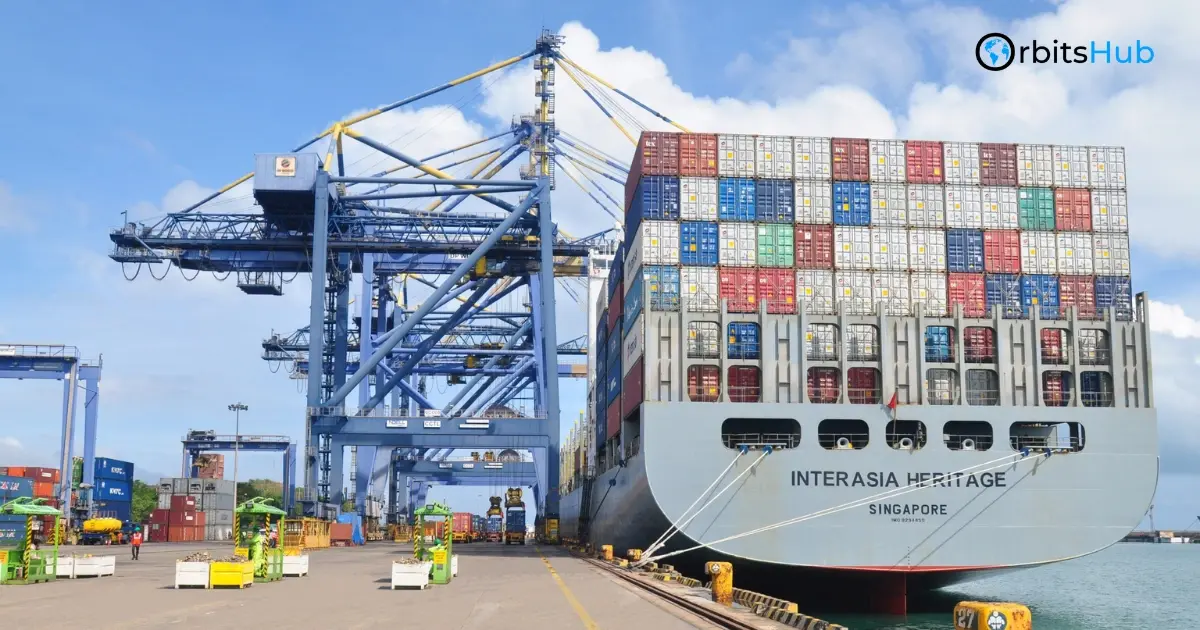
As the sun sets over the Bay of Bengal, casting a golden glow on the ships in the harbor, one can’t help but feel a sense of awe. Chennai Port continues to write new chapters on India’s maritime saga, including every container loaded, every ship that sails, and every India’sal struck.
Awards and recognition.
Chennai Port’s silence hasn’t gone unnoticed. Its trophy cabinet boasts prestigious accolades:
- The Ministry of Shipping awarded the “Best” Port in India in 2014-15.
- The “Container Terminal of the Year” award was given by the Maritime and Logistics Awards in 2019.
- I hold ISO 9001:2015, ISO 14001:2015, and OHSAS 18001:2007 certifications.
These recognitions underscore Chennai Port’s commitment to quality, efficiency, and sustainable practices in port operations.
Key Statistics
- Annual cargo handling capacity: 86.04 million metric tons
- Average annual throughput: 55 to 60 million metric tons
- Container handling capacity: 1.5 million TEUs (expanding to 2.5 million)
- Total area: 274 hectares (677 acres)
- Waterfront length: 6.86 km (4.26 miles)
- Number of berths: 26 (including 21 deep-draft berths)
- Peak cargo handling capacity: 100,000 DWT (deadweight tons)
Frequently Asked Questions
Chennai Port handles various cargo, including containers, bulk cargo (like coal, iron ore, and fertilizers), break-bulk cargo, automobiles, and petroleum products. Its diverse handling capabilities make it a versatile port catering to various industries.
Chennai Port has taken several steps to address environmental concerns. These include installing solar panels on port buildings, initiating plans to electrify port equipment, implementing dust suppression systems for bulk cargo handling, and investing in more efficient cargo handling technologies to reduce emissions. The port is also working on improving its waste management systems and exploring the use of shore power for docked ships to reduce air pollution