
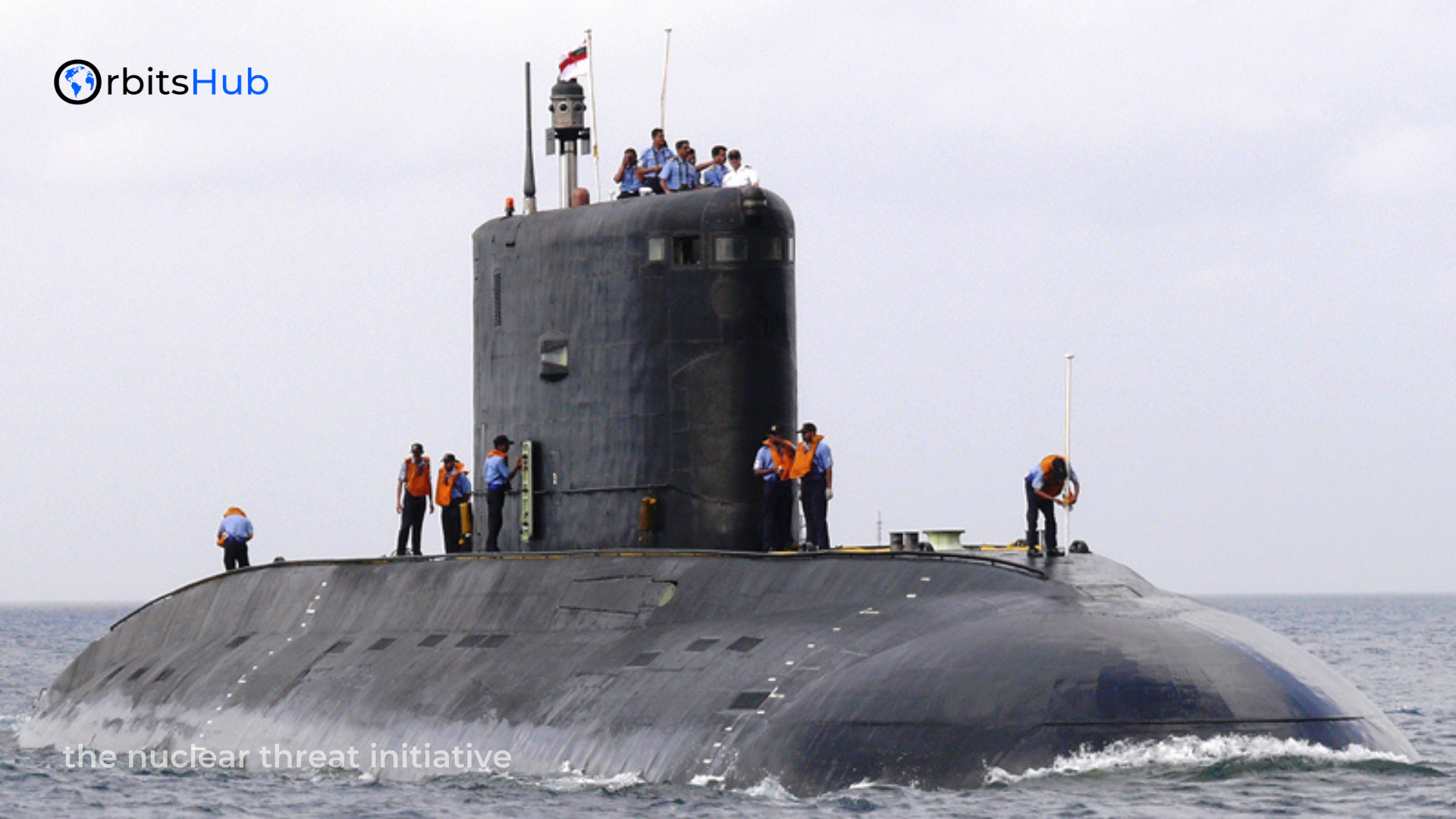
India’s growing prominence in the global naval powers sphere has been bolstered by its advancements in nuclear-powered submarines. These submarines play a crucial role in strengthening the nation’s defence capabilities, enhancing its strategic deterrence, and showcasing its maritime prowess. As a key component of India’s naval forces, India’s nuclear submarines are not only a symbol of power but also a statement of India’s self-reliance in modern warfare technology. This article will compare India’s nuclear submarines with those of other global naval powers to understand their position on the world stage.
India’s Nuclear Submarines: An Overview
The Beginning of India’s Nuclear Submarine Journey
India’s nuclear submarine programme began in the early 1980s with the ambition to ensure a credible nuclear deterrence and to improve its strategic depth. The Indian Navy currently operates nuclear-powered submarines under the Arihant-class and the Chakra-class series. The flagship of India’s nuclear submarine fleet, INS Arihant, was commissioned in 2016 after years of development, marking a significant milestone in India’s naval journey.
Technological Features of India’s Nuclear Submarines
INS Arihant is equipped with ballistic missiles, making it a formidable component of India’s nuclear triad, which includes land-based missiles and air-based nuclear delivery systems. The Arihant-class submarines are designed to enhance India’s strategic deterrence and provide the nation with the ability to retaliate against nuclear strikes, maintaining the balance of power in the Indian Ocean Region (IOR).
India’s Nuclear Submarines vs. Global Naval Powers
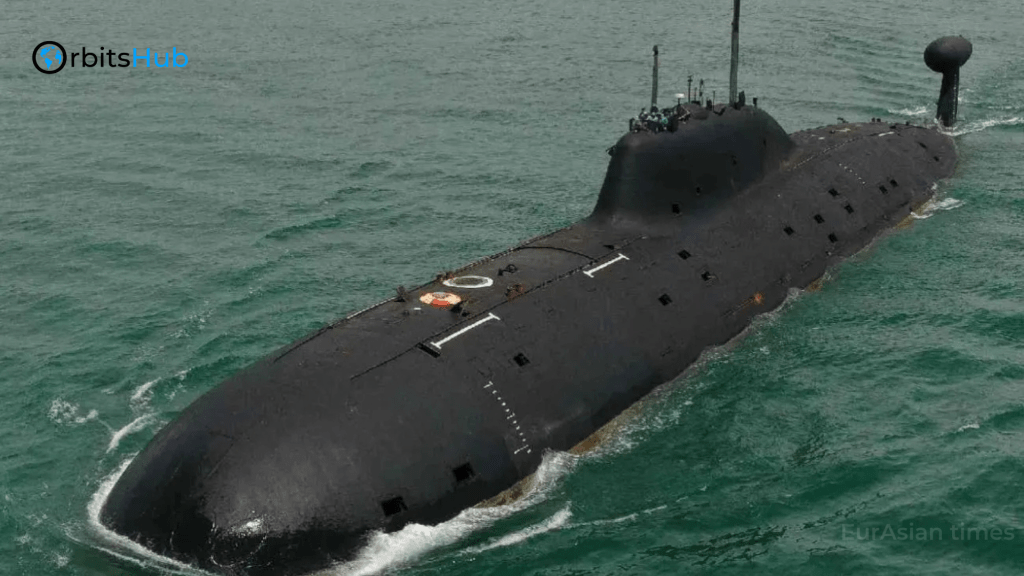
The United States: The Pinnacle of Naval Superiority
The United States Navy is a global leader when it comes to nuclear-powered submarines. Its fleet is primarily composed of the Ohio-class ballistic missile submarines (SSBNs), which form the backbone of America’s strategic deterrence. These submarines are larger, more advanced, and have a longer operational range than India’s Arihant-class.
Russia: A Strong Maritime Presence
Russia is another key player in the global nuclear submarine race. The Russian Navy’s nuclear-powered fleet is one of the largest in the world, with a range of SSBNs and SSNs, including the Typhoon class (the largest submarine ever built) and the Borei class, which is considered the successor to the Soviet-era ballistic missile submarines.
China: A Rising Maritime Power
China’s naval expansion in recent years has seen significant strides in the development of nuclear submarines. The Chinese Navy operates a variety of nuclear-powered submarines, including the Jin-class SSBNs, which are the backbone of China’s nuclear deterrence. The Jin-class submarines are capable of carrying the JL-2 submarine-launched ballistic missile, which is China’s primary strategic deterrent.
India’s Position in the Nuclear Submarine Race
Strategic Deterrence in the Indian Ocean Region
India’s nuclear submarines, particularly the Arihant-class, are smaller in comparison to those of the United States, Russia, and China. However, India’s strategic focus is not on sheer numbers but on creating a credible and effective deterrence. India maintains a second-strike capability as a key part of its naval doctrine, and its nuclear submarines play a crucial role in that strategy.
The Role of India’s Nuclear Submarines in Regional Security
India’s nuclear-powered submarines provide a distinct advantage in the Indian Ocean Region (IOR), a key geopolitical area for global trade and security. The Indian Navy, with its nuclear-powered submarines, has enhanced its ability to defend the region’s sea lanes, counter maritime threats, and project power in the IOR.
Key Strengths of India’s Nuclear Submarines
Stealth and Endurance
Remain submerged for extended periods, making them difficult to detect in enemy waters.
Second-Strike Capability
Ensures India can retaliate with nuclear force, preventing a successful first strike by enemies.
Self-Reliance in Defence Technology
India is one of the few countries capable of building and operating its own nuclear-powered submarines.
Regional Power Projection
Enhances India’s ability to secure its interests in the Indian Ocean and maintain global trade routes.
Stealth and Endurance
India’s nuclear submarines can remain submerged for long periods, making them difficult for adversaries to detect. This stealth advantage is crucial for any naval power, as it allows submarines to operate covertly in enemy waters.
Second-Strike Capability
India’s nuclear submarines contribute to its nuclear deterrence policy. These submarines ensure a credible second-strike capability. This capability helps to prevent any nuclear power from launching a first strike against India without facing devastating consequences.
Self-Reliance in Defence Technology
India’s nuclear submarine programme is a testament to the country’s growing self-reliance in defence technology. The successful development and deployment of the Arihant-class submarines have made India one of the few countries in the world capable of building and operating its own nuclear-powered submarines.
Regional Power Projection
India’s nuclear submarines enhance its power projection capabilities in the Indian Ocean Region. This is due to India’s vital security and economic interests in the region. These submarines give India the ability to deter potential threats. They also ensure the protection of sea lanes crucial to global trade.
Frequently Asked Questions
1. How many nuclear submarines does India currently have?
India currently operates four nuclear-powered submarines, including the Arihant-class SSBNs and the Chakra-class SSNs.
2. What is the primary role of India’s nuclear submarines?
India’s nuclear submarines play a key role in nuclear deterrence. They also ensure a second-strike capability in the event of a nuclear attack. These submarines also help in securing the Indian Ocean Region.


