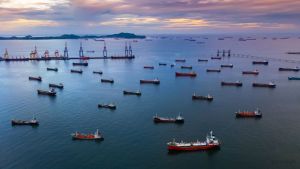
Imagine a gateway that connects industries to the global market, facilitating trade and commerce at an impressive scale. Haldia Port is a critical gateway vital to India’s maritime infrastructure. But what makes Haldia Port stand out? What are the key features and services that make it an essential part of India’s trade network? This aims to explore these aspects, providing a detailed and easily digestible guide to understanding Haldia Port’s significance.
Haldia Port: An Overview

Haldia Port, located in West Bengal, India, is a major port on the country’s eastern coast. It was built as a river port and is run by the Kolkata Port Trust. Its location at the point where the Hooghly River meets the Bay of Bengal is very convenient. This location makes it a crucial point for trade routes connecting India to Southeast Asia, the Middle East, and beyond.
Strategic Location
Haldia Port’s location near Kolkata makes it a critical hub for the trade of goods to and from northeastern India, Nepal, Bhutan, and even parts of Bangladesh.
Connectivity
There are good ways to get to the port by road, train, and inland waterways. This helps move goods around the area.
Key Features of Haldia Port

Understanding the features of Haldia Port provides insight into why it is a preferred choice for many industries.
Modern Infrastructure
The port boasts state-of-the-art facilities, including mechanized cargo handling systems, extensive storage areas, and specialized terminals for different types of cargo. This infrastructure supports efficient operations and minimizes delays.
Specialized Terminals
Haldia Port has dedicated terminals for handling a variety of cargo, including liquid bulk, dry bulk, and containerized cargo. These specialized terminals ensure that each type of cargo is handled with the appropriate equipment and expertise.
Environmental Initiatives
Haldia Port wants to be environmentally friendly and has taken a number of steps to achieve this. These include adopting green technologies and practices to minimize pollution and promote eco-friendly operations.
Services Offered at Haldia Port

Haldia Port offers a range of services designed to meet the different needs of its users. Below are some of the essential services available at the port:
Cargo Handling
With its advanced equipment and skilled workforce, Haldia Port handles a variety of cargo efficiently. This includes bulk commodities like coal, iron ore, petroleum products, and containerized goods.
Storage and Warehousing
The port provides extensive storage facilities, including covered warehouses and open storage areas. These infrastructures are equipped with security measures to ensure the safety of goods stored at the port.
Customs and Clearance Services
Haldia Port offers comprehensive customs clearance services, facilitating smooth and efficient import and export processes. The presence of dedicated customs officials ensures that all legal and regulatory requirements are met on time.
Tug and Pilotage Services
Haldia Port offers tug and pilotage services to ensure that ships entering and leaving the port stay safe. These services are essential for guiding ships through the challenging waters of the Hooghly River.
Inland Water Transport
The port supports inland water transport, offering a cost-effective and environmentally friendly alternative to road and rail transport. This service is particularly beneficial for the movement of bulk cargo over long distances.
The Future of Haldia Port: Innovations and Expansion Plans
Enhanced Cargo Handling Capacity
Haldia Port is going to be able to handle more goods by adding new technology and automation. This will make operations run more smoothly and efficiently.
Expansion Initiatives
The port plans to develop new terminals and modernize existing infrastructure, enabling it to accommodate larger vessels and manage increased cargo volumes effectively.
Green Port Initiatives
A focus on sustainability is central to Haldia Port’s future, with initiatives aimed at reducing its carbon footprint and promoting eco-friendly practices.
Strengthened Position
These changes and additions should make Haldia Port even more important as a maritime hub, which will help the area economy grow.
Why Choose Haldia Port?
There are several reasons why industries choose Haldia Port as their preferred gateway for trade:
- Its strategic location provides easy access to critical markets in eastern India and beyond.
- The port’s modern infrastructure and specialized services ensure that goods are handled efficiently and safely.
- Haldia Port’s commitment to sustainability makes it an environmentally responsible choice for businesses looking to lower their carbon footprint.
Haldia Port: A Strategic Partner in India’s Trade Network
Haldia Port is strategically located in India. It offers modern infrastructure, making it an attractive choice for industries involved in trade and logistics. Haldia Port stands out as a vital gateway for regional commerce with its comprehensive services, modern infrastructure, and environmental initiatives. Haldia Port offers much to businesses looking to streamline their supply chain. Industry sectors seeking reliable port services will find much to benefit from Haldia Port. Explore the opportunities at Haldia Port and see how they can help you easily navigate the global market.
Related FAQs
Haldia Port, near Kolkata, serves northeastern India, Nepal, Bhutan, and Bangladesh. Southeast Asian and Middle Eastern trade routes depend on its Bay of Bengal vicinity.
Haldia Port handles various cargo types, including liquid bulk, dry bulk, and containerized goods. It has specialized terminals for each cargo type, ensuring efficient handling and storage.
Everything is offered at Port Haldia. Cargo handling, storage, warehousing, customs processing, tug and pilotage, and inland water transport support. Such services assist the port trade smoothly.
Haldia Port actively commits to environmental sustainability by adopting eco-friendly technologies and practices that minimize pollution and reduce its carbon footprint.
Haldia Port will expand its cargo handling capacity, update infrastructure, build additional terminals, and adopt green port programs to strengthen its position as India’s marine hub.