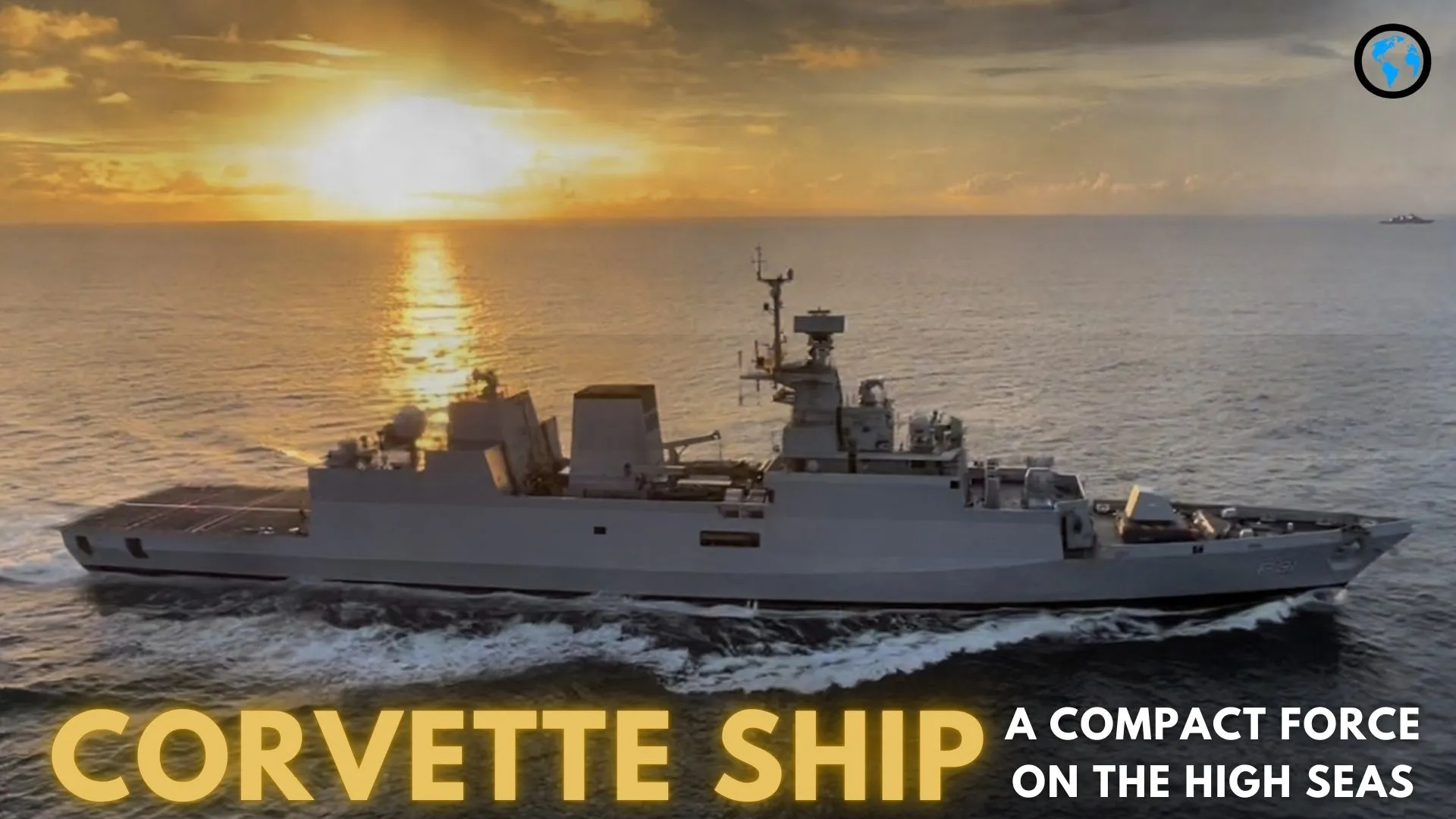

Imagine standing on a naval dock, watching the horizon as a sleek vessel approaches. It’s not a massive battleship or a towering aircraft carrier, but something smaller, quicker, and just as important—a corvette ship. Despite its unassuming size, this ship plays a crucial role in maritime operations across the globe. In this article, let’s explore the intriguing world of corvettes, exploring their history, unique characteristics, and lasting impact on naval warfare.
Do you want to Know What a Corvette Ship Is?
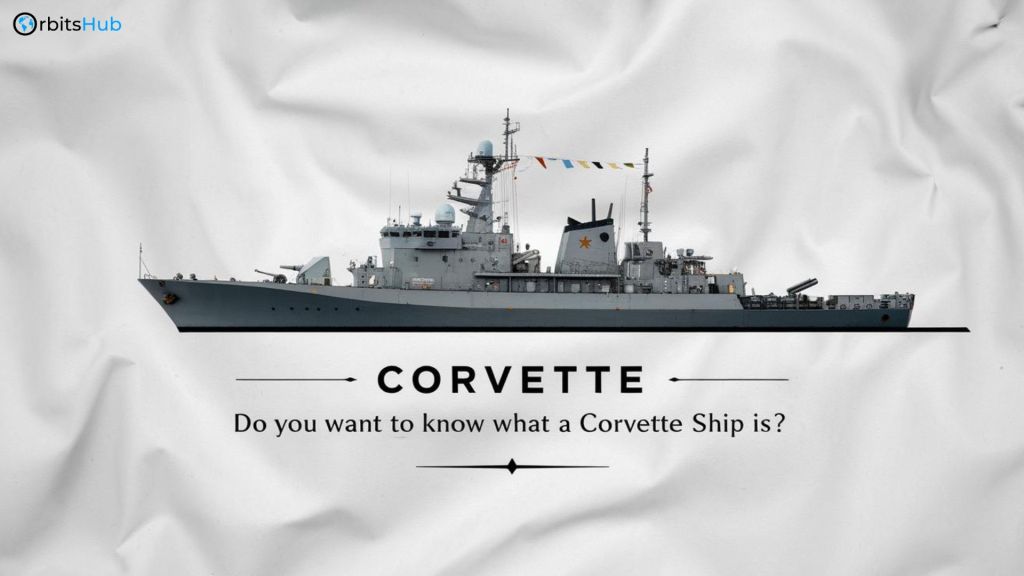
Picture this: A corvette is like the nimble scout of the naval fleet. It’s small yet mighty, occupying a unique niche in maritime operations. Traditionally, it is the smallest class of vessels considered a proper (or “rated”) warship. But what makes corvettes stand out?
Size Matters
Corvettes are compact, typically ranging from 500 to 2,000 tons. Recent designs may even push the limit to 3,000 tons, making them a blend of corvettes and smaller frigates. However, unlike their larger counterparts, corvettes are designed for shorter missions and need more endurance for long voyages.
Versatility at Its Best
Despite their size, corvettes are incredibly versatile. They serve multiple roles:
Coastal Patrol Craft
They are protecting territorial waters and keeping a watchful eye on coastal activities.
Missile Boats
Armed with anti-ship missiles, they pack a powerful offensive punch.
Fast Attack Craft
Their speed and agility make them perfect for hit-and-run tactics.
A Glimpse Into the Past: Historical Origins
The word “corvette” might sound elegant, but its roots are humble. Derived from the Dutch word “corf,” meaning a “basket,” it was adapted into Middle French and eventually became the term we use today. In many navies, the “corvette captain” rank is equivalent to a lieutenant commander, responsible for commanding these smallest of rated warships.
Evolution Through the Ages
The Age of Sail: Corvettes were among the smaller warships during this time, but they played vital roles. These ships typically featured a single deck of guns with four to eight more miniature cannons. Their primary duties included coastal patrol, minor wars, and show-the-flag missions. The French Navy was particularly influential in the evolution of corvettes, gradually expanding their size and capabilities.
The Steam Era: As technology advanced, so did corvettes. With the advent of steam power, these ships became faster and more manoeuvrable, essential for colonial missions where they often worked alongside gunboats.
The Role of Corvettes in Modern Naval Warfare
In the modern era, corvettes might be smaller, but their contributions are anything but minor. Let’s explore their multifaceted roles:
Coastal Defense and Surveillance
Corvettes are the vigilant guardians of coastal waters, patrolling territorial boundaries and keeping maritime activities in check. Their agility allows them to navigate near shorelines, making them ideal for intercepting smugglers and preventing illegal activities.
Anti-submarine warfare (ASW)
Corvettes are equipped with advanced sonar systems and torpedoes, which are critical in detecting and neutralizing submarines. Their ability to operate in shallow waters makes them particularly effective in Anti-submarine warfare (ASW) missions.
Escort Duties
Corvettes often accompany larger vessels, such as aircraft carriers or merchant ships, protecting against surface threats and ensuring safe passage through potentially dangerous regions.
Corvette Ship Design and Technology
Imagine the cutting-edge technology that goes into modern corvette design. These ships are marvels of engineering, featuring advancements in propulsion, stealth capabilities, and sensor integration. Modern corvettes have modular designs, allowing them to adapt swiftly to different missions, whether anti-piracy, disaster relief, or mine countermeasures. Looking to the future, we can expect even greater integration of unmanned systems like UAVs and underwater drones, extending the reach and capabilities of these versatile ships.
The Future of Corvettes: Where Are They Heading?
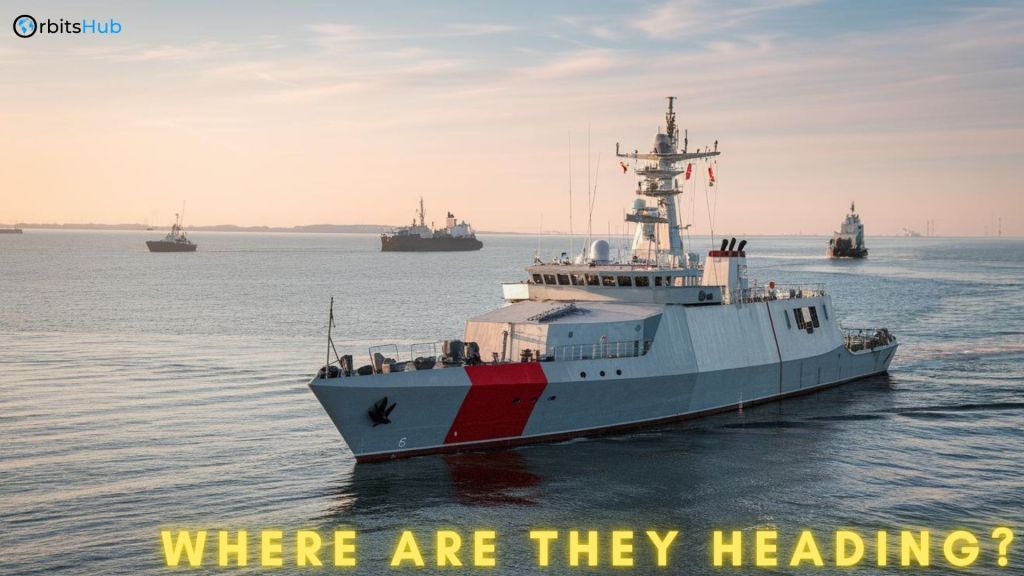
As we look ahead, the future of corvettes is filled with technological advancements:
Stealth and Sensor Integration
Next-generation corvettes are designed with stealth features that reduce their radar cross-section, making them harder to detect. Coupled with advanced sensor suites, these ships have enhanced situational awareness, allowing for precise targeting and threat detection.
Unmanned Systems
In the future, corvettes will deploy more unmanned aerial vehicles (UAVs) and underwater drones. These systems will extend their surveillance capabilities and reduce the risk to crew members.
Modularity and Adaptability
With modular designs, corvettes can quickly switch out mission-specific equipment, making them incredibly adaptable to various roles.
A Lasting Legacy on the High Seas
Corvettes may not have the grandeur of battleships, but their impact on global security is undeniable. These small yet powerful vessels continue to patrol coastlines, defend against threats, and contribute to the safety of our seas. So, the next time you spot a corvette gliding through the waves, remember that a vital force in naval operations lies beneath its modest exterior.
FAQs about Corvette Ships
1. What is the primary role of a corvette ship?
Corvette ships are mainly used for coastal defence, anti-submarine warfare, and escorting larger vessels.
2. How does a corvette differ from a frigate?
Corvettes are smaller and more suited for coastal operations. At the same time, frigates are more significant and designed for more extended open-sea missions.
3. What technologies are in modern corvette ships?
Modern corvettes feature stealth technology, advanced sensors, and modular designs and can deploy unmanned systems like drones.
4. Why are corvettes necessary for coastal defence?
Their smaller size and agility make corvettes ideal for patrolling coastlines and responding quickly to threats near shore.
5.How have corvette ships evolved?
Corvettes have grown from small sailing vessels into modern ships equipped with advanced weaponry and technology, expanding their role in naval fleets.