Mookerjee Port in Kolkata prepared for Remal. Kolkata Port management stopped cargo and container handling to protect dock personnel and maintain operations—the 12-hour respite from 6 pm Sunday to 6 am. Monday was wise, given the cyclone. The port’s proactive strategy protected workers and infrastructure. On Saturday, Mookerjee Port’s esteemed chairperson, Rathendra Raman, conducted a vital meeting to review the port’s readiness and devise a cyclone mitigation plan. In this crucial meeting, Raman asked for proactive measures and interdepartmental coordination to prepare for a coordinated response.
Collaborative Efforts and Contingency Planning
The port authorities did everything possible to fortify the facilities against the cyclone. Railway activities in the port were also scheduled for a temporary halt during the targeted timeframe, emphasizing the gravity of the issue and the port’s risk mitigation efforts.
Due to the cyclone’s expected direction and strength, the Mookerjee Port took precautions to protect its workers, operations, and infrastructure. Collaboration was used to secure freight and equipment, protect essential infrastructure, and develop contingency plans to minimize disruptions and speed recovery after the storm.
Weathering the Storm: Kolkata’s Maritime Lifeline Braces for Impact
Syama Prasad Mookerjee Port activities were wisely halt because of Cyclone Remal. The respected India Meteorological Department (IMD) predicted the storm would land on Sunday night on the shores of West Bengal and Bangladesh with wind speeds of 110-120 mph, gusting to 135 mph.
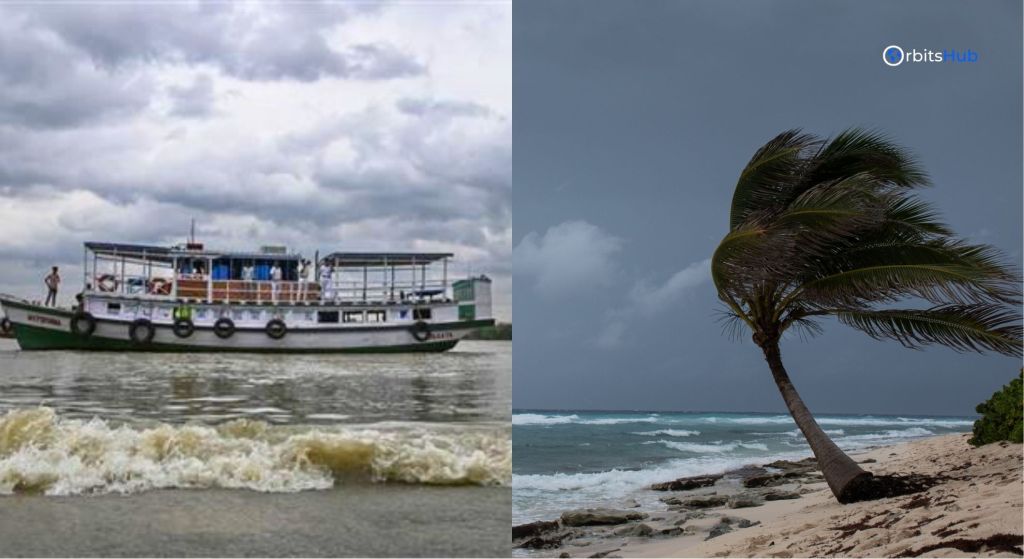
Port officials prioritized personnel and infrastructure safety to avoid significant disruptions and damage. They suspended operations to protect dock workers, reduce cargo damage, and ensure a more controlled and efficient resumption after the storm.
Resilience and Adaptability in the Face of Nature’s Fury
The Mookerjee Port’s quick response to Cyclone Remal showcased Kolkata’s marine resilience. The port’s ability to recover from natural disasters and restore operations depends on regional commercial and logistical health.
By coordinating a contingency plan and working across departments, the port demonstrated its commitment to business continuity and worker and asset safety. This strategy boosted the port’s reputation as a reliable marine hub and showed its dedication to operational excellence during tough times.
The Syama Prasad Mookerjee Port will survive the cyclone and recover to continue supporting the region’s economy.
Cyclone Remal: A Looming Threat to the Bay of Bengal Region
The Bay of Bengal is a wide area of water cradle between India and Bangladesh’s eastern coastlines. It has seen its share of cyclonic storms. However, storm Remal, the first pre-monsoon storm of the season, tested the region’s resiliency.
The IMD classified Remal as a severe cyclonic storm, which might cause widespread damage and disruption along West Bengal and Bangladesh’s shores. The storm was robust, with continuous wind speeds of 110-120 km/h and gusts up to 135 mph.
A Grave Threat to Coastal Communities and Infrastructure
Cyclone Remal’s impending landfall had grave implications for the coastal communities and infrastructure in its path. The storm’s intense winds and heavy rainfall threatened to inundate low-lying areas, causing widespread flooding and potential damage to homes, agricultural lands, and critical infrastructure.
Recognizing the severity of the situation, both West Bengal and Bangladesh authorities initiated comprehensive evacuation efforts, mobilizing resources to relocate vulnerable populations to safer shelters. The Indian Coast Guard and Navy were place on high alert, poise to provide immediate assistance and support in the aftermath of the cyclone’s passage.
Mobilizing Resources: A Coordinated Response to Mitigate Cyclone Remal’s Impact
Stakeholders coordinated to reduce Cyclone Remal’s impact and protect lives and property. Narendra Modi led a high-level meeting to discuss preparatory measures and coordinate operations.
Modi repeated the government’s support for state authorities and stressed the necessity for post-landfall monitoring and assistance during the critical meeting. He ordered additional National Disaster Response Force (NDRF) teams to be ready to deploy at any time and the Indian Coast Guard to mobilize for emergency response.
Heightened Vigilance and Collaboration Across Sectors
The Prime Minister’s orders stressed the gravity of the situation and the need for multi-agency coordination. Modi warned ports, railways, and roadways that significant disruptions were possible and urged them to take precautions.
The IMD, state disaster management authorities, and security forces must collaborate and share information to coordinate and effectively respond. Thanks to regular updates on the cyclone’s direction, intensity, and probable impact zones, authorities may make informed judgments and efficiently distribute resources.

Bracing for the Deluge: Coastal Districts on High Alert
As Cyclone Remal inched closer to the coastlines of West Bengal and Bangladesh, a palpable sense of urgency gripped the coastal districts. Residents in these places were warn to take measures and seek cover in safe zones.
The IMD’s forecasts painted a grim picture. The coastal districts of West Bengal, including South and North 24 Parganas, Purba Medinipur, and Howrah, are bracing for heavy to extremely heavy rainfall on May 26 and 27. The prospect of intense precipitation raised concerns about potential flooding, landslides, and the disruption of essential services.
Mobilizing Emergency Response Teams and Evacuation Efforts
In response to the looming threat, emergency response teams were mobilize, and evacuation efforts were initiated in vulnerable areas. Residents in low-lying regions or near the coastline were urge to heed the warnings and seek refuge in designate shelters, where provisions were made for their safety and well-being.
The authorities left no stone unturned to minimize the potential loss of life and property. Rescue teams, equip with essential supplies and equipment, were deployed strategically, ready to respond swiftly in emergencies or evacuations.
Resilience and Preparedness: Bangladesh’s Continued Efforts to Mitigate Cyclonic Impacts
Bangladesh’s proactive response to Cyclone Remal was part of its ongoing efforts to improve its cyclonic storm resistance and preparedness. With its densely populated coastal regions and low-lying geography, Bangladesh has long suffered from cyclones, which have killed countless people and caused massive harm.
The country has improved its disaster management skills since investing in infrastructure, early warning systems, and community-based preparedness. These techniques have helped reduce cyclonic storm damage and save lives.
Investing in Cyclone Shelters and Early Warning Systems
Building cyclone shelters in susceptible coastal regions is one of Bangladesh’s most important initiatives. These sturdy structures, designed to withstand the fury of cyclonic winds and storm surges, provide safe havens for local communities during severe weather events.
Additionally, the country has invested in advanced early warning systems, leveraging meteorological data and forecasting models to provide timely alerts to authorities and residents. This proactive approach allows authorities to start evacuation and contingency plans early, reducing life and property losses.
The Aftermath: Assessing the Damage and Restoring Normalcy
As Cyclone Remal made landfall and unleashed its fury upon the coastal regions of West Bengal and Bangladesh, the true extent of its impact gradually unfolded. In the aftermath of the storm, authorities and aid organizations swiftly mobilized to assess the damage, provide relief to affected communities, and initiate restoring normalcy.
Surveying the Devastation and Initiating Relief Efforts
In the immediate aftermath, first responders and assessment crews were deploy to conduct rapid damage assessments in the affected areas. This crucial step enabled authorities to identify the most severely impacted regions and prioritize allocating resources for relief and rehabilitation efforts.
Relief camps were establish, providing shelter, food, and medical aid to those displaced by the cyclone. Aid organizations and volunteers work tirelessly to distribute essential supplies, ensuring that the basic needs of the affect communities were met during this challenging period.
Restoring Critical Infrastructure and Services
Alongside relief efforts, the focus quickly shifted to restoring critical infrastructure and services disrupted by the cyclone’s impact. Power lines, communication networks, and transportation infrastructure were repaired 24/7 to restore connectivity and facilitate product and service flow.
In coastal areas, debris was cleared and damaged structures repaired to let residents to return home and work. As they helped each other recover, the afflicted communities showed their resilience.
Lessons Learned: Strengthening Resilience for Future Cyclonic Events
Authorities and stakeholders examined the preparedness measures and response efforts critically in the wake of Cyclone Remal. This reflective process aimed to identify areas for improvement and develop strategies to enhance resilience against future cyclonic events.
Enhancing Early Warning Systems and Communication Channels
One key area identified for improvement was the need to strengthen early warning systems and communication channels. Authorities and communities needed timely and accurate information to respond before the cyclone hit.
Efforts were made to invest in advance meteorological and forecasting technologies, enabling more precise cyclone trajectories and intensities predictions. Increased communication channels allowed even the most isolated and vulnerable communities to get warnings and advisories and take safeguards.
Strengthening Coastal Infrastructure and Disaster Management Capabilities
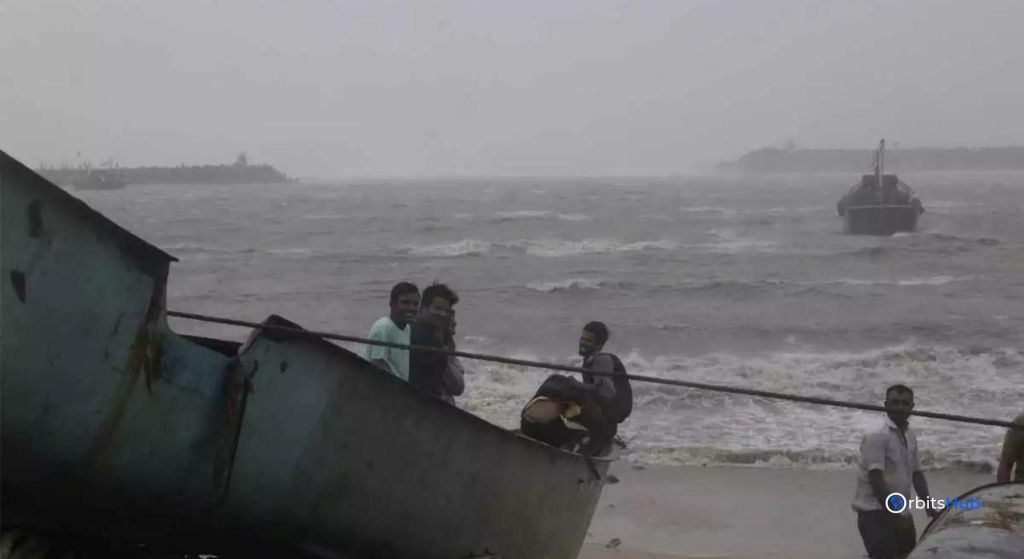
The devastating impact of Cyclone Remal also highlighted the importance of strengthening coastal infrastructure and enhancing disaster management capabilities. Authorities decided to build sea walls and barriers to withstand storm surges and flooding.
Fostering Community Engagement and Preparedness
Cyclone Remal taught us the importance of community engagement and preparedness. Authorities recognized the significance of equipping local people with cyclone preparation and response information and resources.
Community-based disaster preparedness programs involved locals in evacuation, emergency response, and recovery. These programs promote ownership and responsibility to build resilient, self-sufficient communities that can weather future cyclonic storms.
Resilience in the Face of Nature’s Fury
Cyclone Remal showed the strength of nature and the need for preparedness and resilience. West Bengal and Bangladesh authorities, humanitarian organizations, and locals collaborated to save lives and decrease cyclonic storm damage. The lessons learnt from Remal will define resilience plans and efforts as the region heals. Early warning systems, coastal infrastructure, disaster management, and community engagement can help West Bengal and coastal areas withstand cyclonic cyclones.
Ready to elevate your maritime and aviation ventures? Explore the possibilities with OrbitsHub! From comprehensive consultancy services to tailored solutions, we’re here to navigate your success. Dive deeper into our offerings at orbitshub.com and set sail towards new horizons today!