Historical Context

Dar-es-Salaam Port’s history is deeply intertwined with the region’s maritime heritage. Originally established as a small fishing village, Dar-es-Salaam emerged as a crucial trading post under German colonial rule in the late 19th century. The port became an essential hub for exporting agricultural commodities such as coffee, tea, and sisal. Its significance as a transit point for commodities entering and departing central East Africa increased over time.
Post-Independence Transformation
With Tanzania gaining independence in 1961, Dar-es-Salaam Port underwent significant changes. The government invested in infrastructure development, modernizing the port facilities to accommodate the increasing demands of international trade. The port’s role expanded beyond regional trade, establishing itself as a vital link for landlocked countries in the interior, facilitating the flow of goods through efficient transport networks.
Current Significance
Today, Dar-es-Salaam Port stands as one of the busiest and most strategically located ports in East Africa. Its significance is underscored by its role as a gateway to the vast hinterlands of Tanzania and neighboring landlocked countries, including Zambia, Malawi, Burundi, Rwanda, and Uganda. The port’s modern infrastructure and advanced facilities have allowed it to handle diverse cargo, ranging from agricultural products to manufactured goods and petroleum.
Key Features and Infrastructure:
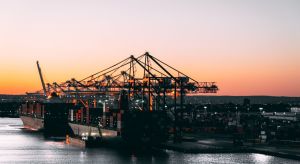
Dar-es-Salaam Port’s success can be attributed to its state-of-the-art facilities and continuous infrastructure development. Multiple terminals cater to different types of cargo, including container terminals, bulk cargo terminals, and specialized terminals for vehicles and oil products. The port has invested in modern container handling equipment, enhancing efficiency and reducing turnaround times for vessels. The port’s proximity to several rail and road networks makes it easy to transfer goods to and from the site.
Economic Impact
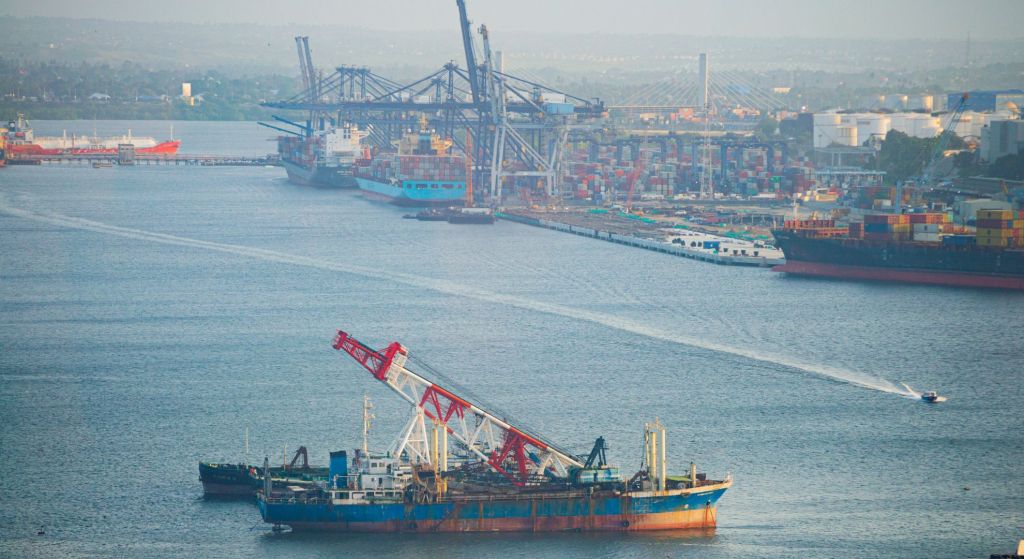
The economic impact of Dar-es-Salaam Port extends far beyond its immediate surroundings. As a vital node in global trade routes, the port contributes significantly to Tanzania’s economy. The steady influx of goods and commodities generates revenue, provides employment opportunities, and stimulates economic growth. Moreover, the port’s efficiency in handling cargo has attracted foreign investment and bolstered the country’s reputation as a reliable trade partner.
Challenges and Solutions
While Dar-es-Salaam Port has made remarkable strides, it is not without its challenges. Congestion, bureaucratic hurdles, and infrastructure constraints have posed obstacles to the port’s optimal functioning. However, the Tanzanian government and port authorities have been proactive in addressing these issues. Ongoing projects focus on expanding and upgrading infrastructure, implementing technology-driven solutions, and streamlining administrative processes to enhance overall efficiency.
Strategic Positioning in Global Trade
Dar-es-Salaam Port’s strategic positioning along major shipping routes has made it a key player in global trade dynamics. Not only does the port facilitate trade with East Africa, but it also acts as a transit hub for commodities heading to other parts of the world. This strategic advantage has attracted the attention of international shipping lines and made Dar-es-Salaam a preferred choice for businesses looking to access the African market.
Environmental Sustainability

Dar es Salaam Port is getting on board with the green movement, which is gaining momentum around the world as people realize how important it is to take care of the environment. To lessen the negative effects of marine activities on the environment, port authorities are putting money into green technology, switching to more energy-efficient procedures, and taking other steps. By prioritizing sustainability, the port is able to attract eco-conscious firms and investors while also contributing to worldwide environmental goals.
Future Prospects
Looking ahead, the future of Dar-es-Salaam Port appears promising. Continued investments in infrastructure, technology, and sustainability will further solidify its position as a regional economic powerhouse. The ongoing efforts to address logistical challenges and streamline operations will contribute to the port’s competitiveness on the global stage. Furthermore, regional collaborations and partnerships will play a crucial role in maximizing the potential of Dar-es-Salaam Port as a catalyst for economic growth in East Africa.
Dar-es-Salaam Port’s journey from a colonial-era trading post to a modern maritime hub symbolizes the resilience and adaptability of East Africa’s economic landscape. As it continues to evolve, the port remains a cornerstone of regional and global trade, connecting nations and fostering economic development. With strategic investments, sustainable practices, and collaborative initiatives, Dar-es-Salaam Port is poised to navigate the waves of change and steer the region toward a prosperous and interconnected future.