The Evolution of Anchor Design
The journey of anchor development spans millennia, from primitive stone weights to sophisticated modern designs. This evolution reflects humanity’s persistent quest for better ways to secure vessels against the relentless motion of waves and currents. The Delta Anchor represents the pinnacle of this evolutionary process, embodying centuries of maritime wisdom and cutting-edge technology.
What Sets Delta Anchors Apart?
Delta Anchors have carved a niche in the maritime industry, distinguishing themselves through a combination of innovative design and superior performance. But what exactly makes these anchors the preferred choice for discerning mariners and vessel operators?
The Ingenious Design of Delta Anchors
Shape and Structure
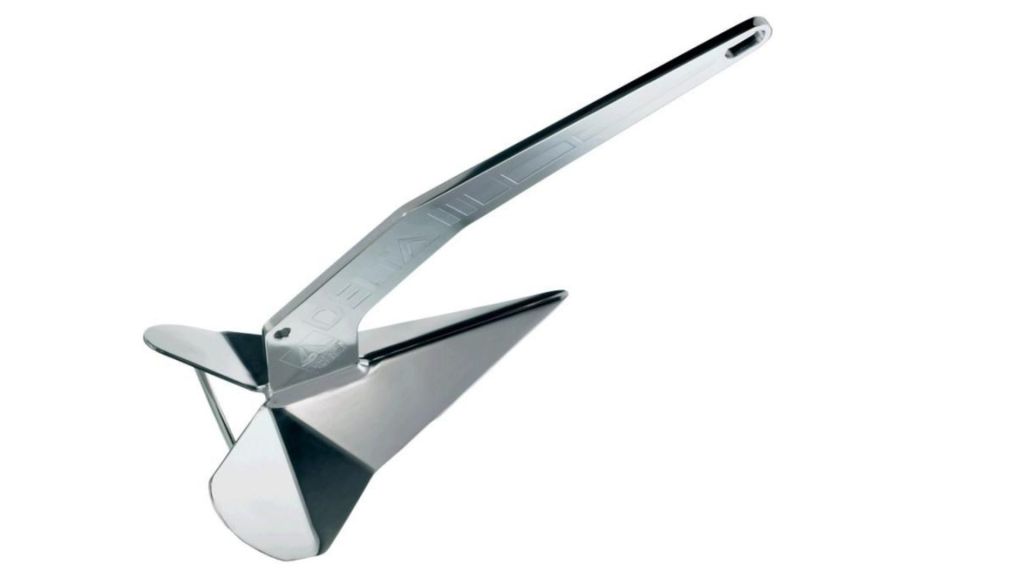
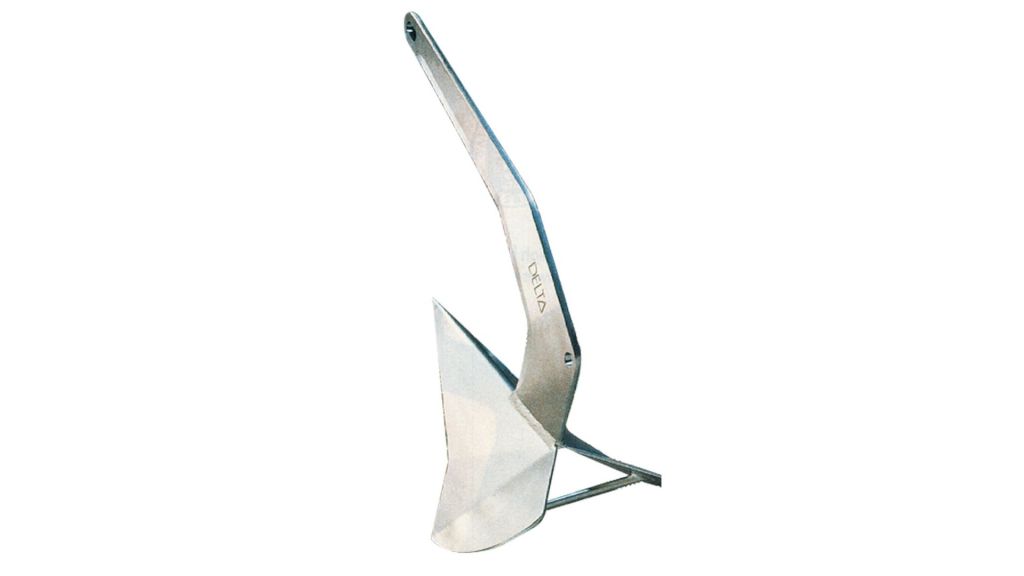
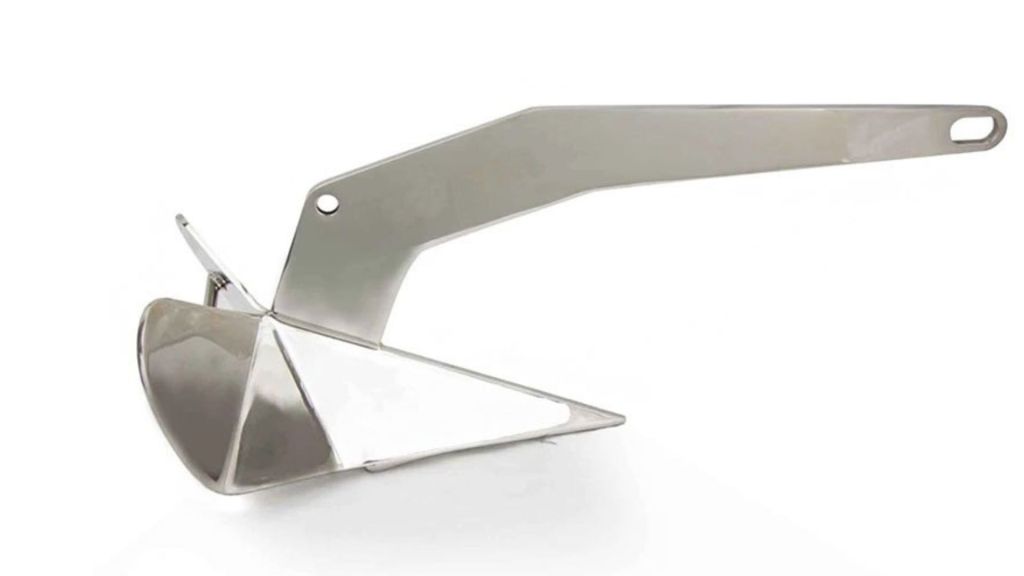
The Delta Anchor’s distinctive triangular shape isn’t just aesthetically pleasing – it’s a testament to functional elegance. This design allows for rapid penetration into the seabed, ensuring a secure hold even in challenging conditions. The anchor’s flukes, angled precisely to maximize grip, work in harmony with its shank to create an almost unbreakable bond with the ocean floor.
Materials and Manufacturing
Crafted from high-grade steel alloys, Delta Anchors boast an impressive strength-to-weight ratio. The manufacturing process involves precision engineering and rigorous quality control, resulting in a product that meets the most stringent maritime standards. This dedication to greatness results in an anchor that not only does a great job but also lasts for a long time.
Performance in Various Seabed Conditions
Sandy Bottoms
On sandy seabeds, Delta Anchors truly shine. Their sharp leading edge cuts through sand effortlessly, while the broad flukes provide substantial surface area for grip. This combination allows for deep penetration and superior holding power, even in loose sandy conditions where traditional anchors might falter.
Rocky Terrain
Rocky bottoms pose a challenge for many anchor types, but Delta Anchors adapt admirably. The anchor’s design allows it to find purchase between rocks and crevices, securing the vessel even in areas where a flat surface is scarce. This versatility proves invaluable in diverse coastal environments.
Muddy Seabeds
Mud presents its own set of challenges, often causing anchors to drag or fail to set properly. Delta Anchors, however, excel in muddy conditions. Their shape facilitates deep penetration into soft sediments, while the broad flukes prevent excessive sinking and ensure a reliable hold.
Delta Anchors vs. Traditional Alternatives
Holding Power Comparison
When it comes to holding power, Delta Anchors consistently outperform many traditional designs. Their ability to dig in quickly and maintain a secure grip translates into higher holding power per unit of weight. This superior performance provides peace of mind in varying weather conditions and sea states.
Weight Efficiency
One of the most significant advantages of Delta Anchors lies in their weight efficiency. Achieving the same holding power as heavier traditional anchors, Delta Anchors allow vessels to reduce overall anchor weight without compromising safety. Getting rid of this extra weight can help the car use less gas and carry more goods.
Ease of Use
Delta Anchors demonstrate remarkable user-friendliness. Their design facilitates easy setting and retrieval, reducing the workload on crew members and minimizing the risk of handling errors. This ease of use doesn’t just enhance efficiency – it contributes to overall vessel safety.
Selecting the Right Delta Anchor for Your Vessel
Size Considerations
Choosing the appropriate Delta Anchor size requires careful consideration of your vessel’s characteristics. Factors such as length, beam, and displacement play crucial roles in determining the ideal anchor size. Consulting manufacturer guidelines and maritime experts ensures you select an anchor that provides optimal security without being oversized or unwieldy.
Weight Guidelines
While Delta Anchors offer excellent weight efficiency, adhering to proper weight guidelines remains essential. The anchor’s weight should be proportional to your vessel’s size and typical operating conditions. Striking the right balance ensures your anchor performs effectively without unnecessarily burdening your vessel.
Vessel Type Compatibility
Delta Anchors exhibit remarkable versatility, suiting a wide range of vessel types. They can be used with a lot of different boats, from small pleasure boats to big cargo ships. However, certain specialized vessels may require specific anchor configurations. Assessing your vessel’s unique requirements guarantees the perfect match between ship and anchor.
Proper Deployment and Retrieval Techniques
Setting the Delta Anchor
Maximizing the Delta Anchor’s effectiveness begins with proper deployment. The process involves lowering the anchor while moving slowly astern, allowing it to penetrate the seabed naturally. As the anchor sets, gradually increasing tension on the rode helps it dig in securely. Monitoring your vessel’s position relative to the anchor point ensures a proper set.
Retrieving the Anchor Safely
Safe retrieval of a Delta Anchor requires a methodical approach. Moving the vessel slowly towards the anchor point while retrieving the rode prevents unnecessary strain on the windlass. Once the anchor breaks free from the seabed, careful handling prevents damage to the vessel’s bow and ensures the anchor stows correctly for transit.
Maintenance and Care for Longevity
Cleaning and Inspection
Regular maintenance prolongs the life and effectiveness of your Delta Anchor. Clean the anchor well with fresh water after each use to get rid of salt, sand, and other things that might be stuck on it. Periodic inspections for signs of wear, corrosion, or damage allow for timely repairs or replacement, ensuring your anchor remains in top condition.
Storage Best Practices
Proper storage protects your Delta Anchor when not in use. For extended periods, storing the anchor in a dry environment, away from saltwater spray, prevents corrosion. Applying a light coat of marine-grade lubricant to moving parts helps maintain smooth operation and protects against rust.
Delta Anchors in Professional Maritime Applications
Commercial Shipping
In the realm of commercial shipping, where reliability and efficiency reign supreme, Delta Anchors have found widespread adoption. Their superior holding power provides enhanced safety during loading and unloading operations, while their weight efficiency contributes to improved fuel economy on long voyages.
Offshore Operations
Offshore platforms and support vessels rely heavily on robust anchoring systems. Delta Anchors offer the stability and security required in these demanding environments. Their ability to perform consistently in deep waters and varying seabed conditions makes them invaluable assets in the offshore industry.
Environmental Impact and Sustainability
Seabed Protection
The design of Delta Anchors minimizes damage to sensitive marine ecosystems. Their efficient penetration and retrieval cause less disruption to the seabed compared to dragging traditional anchors. This reduced impact aligns with growing concerns about marine conservation and sustainable maritime practices.
Long-Term Durability
The durability of Delta Anchors contributes to their environmental friendliness. Their resistance to wear and corrosion means they require less frequent replacement, reducing the demand for raw materials and energy-intensive manufacturing processes. This longevity makes Delta Anchors a sustainable choice for environmentally conscious vessel operators.
The Future of Delta Anchor Technology
Innovations on the Horizon
The world of maritime technology continues to evolve, and Delta Anchor design is no exception. Ongoing research focuses on enhancing materials for even greater strength and corrosion resistance. Developments in anchor monitoring systems promise to provide real-time data on anchor performance and seabed conditions, further improving safety and efficiency.
Adapting to Changing Maritime Needs
As global shipping patterns shift and new challenges emerge, Delta Anchor technology adapts to meet these changing needs. From anchoring in ultra-deep waters to securing vessels in increasingly crowded ports, the future of Delta Anchors lies in their ability to evolve alongside the maritime industry they serve.
Final Thoughts: Anchoring Success with Delta
The Delta Anchor stands as a testament to human ingenuity in the face of nature’s challenges. Its sophisticated design, superior performance, and versatility have earned it a place of prominence in the maritime world. For vessel operators seeking the ultimate in anchoring security and efficiency, the Delta Anchor offers an unparalleled solution.
As you consider your vessel’s anchoring needs, remember that the choice of anchor can significantly impact your maritime operations. The Delta Anchor doesn’t just secure your vessel – it provides peace of mind, enhances safety, and contributes to more efficient and sustainable maritime practices.
In the ever-changing seascape of maritime technology, the Delta Anchor remains a constant, reliable presence. It’s more than just a piece of equipment; it’s a partner in your maritime success, ready to hold fast against whatever challenges the seas may bring. Choose Delta, and anchor your maritime future with confidence.