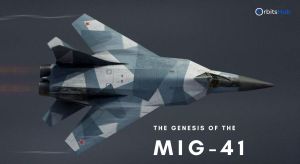
Delta-wing aircraft, named after the Greek letter delta (Δ), feature a triangular wing shape that distinguishes them from other aircraft designs. This design was pioneered in the mid-20th century and has since been utilized in various military and civilian aircraft. The primary characteristic of delta wings is their swept-back leading edge, roughly triangular when viewed from above. This design offers several aerodynamic advantages, making delta-wing aircraft suitable for high-speed flight.
History of Delta Wing Aircraft
Early Development
The delta wing concept dates back to the early 20th century, with initial theoretical work by German engineers such as Alexander Lippisch. Lippisch’s work laid the foundation for developing delta-wing aircraft during World War II. However, it wasn’t until the post-war era that the delta wing design took off.
Pioneering Aircraft
One of the earliest practical applications of the delta wing was the Convair XF-92, an experimental aircraft developed by the United States in the late 1940s. This aircraft demonstrated the potential of the delta wing design, leading to further research and development.
Evolution and Advancements
Throughout the 1950s and 1960s, several countries, including the United States, the United Kingdom, and France, developed this aircraft for military and civilian purposes. Notable examples include the Dassault Mirage series, the Avro Vulcan, and the Convair F-102 Delta Dagger. These aircraft showcased the versatility and effectiveness of the delta-wing design in various roles, from interception to strategic bombing.
Aerodynamics of Delta Wing Aircraft
Wing Design and Structure
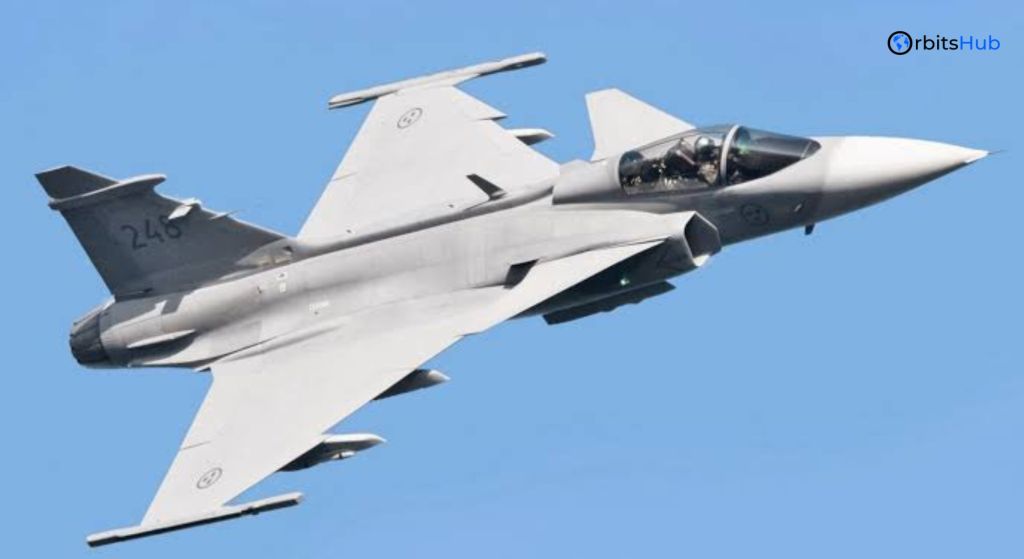
The delta wing’s unique shape results in specific aerodynamic properties that differentiate it from other wing configurations. The leading edge of a delta wing is sharply swept back, frequently at an angle higher than 45 degrees. This sweep allows the wing to remain effective at higher angles of attack, reducing the risk of stalling during high-speed manoeuvres.
Lift and Drag Characteristics
Delta wings generate lift through conventional aerodynamic principles and vortex lift. The sharp leading edge of the wing creates strong vortices as air flows over it, enhancing lift at high angles of attack. This vortex lift is particularly beneficial during takeoff and landing, allowing delta-wing aircraft to operate from shorter runways.
Stability and Control
While delta wings offer numerous aerodynamic advantages, they also present challenges regarding stability and control. The absence of a traditional horizontal stabilizer necessitates using advanced control surfaces, such as elevons, to manage pitch and roll. Additionally, this aircraft often require sophisticated fly-by-wire systems to ensure a stable flight, especially at lower speeds.
Advantages of Delta Wing Aircraft
High-Speed Performance
One of the primary advantages of delta-wing aircraft is their exceptional high-speed performance. The swept-back design reduces drag at supersonic speeds, allowing these aircraft to achieve and maintain high velocities more efficiently.
Structural Simplicity
Delta wings are structurally simpler than complex wing configurations, such as swept wings with multiple control surfaces. This simplicity can reduce manufacturing and maintenance costs, making this aircraft attractive for military and civilian applications.
Maneuverability
The vortex lift generated by delta wings enhances manoeuvrability, particularly at high angles of attack. This makes delta-wing aircraft highly agile and capable of performing complex aerial manoeuvres, which is especially advantageous in combat situations.
Robustness
Delta wings’ robust structure allows for greater payload capacity and increased structural integrity, making them suitable for carrying heavy loads, such as weapons or fuel, over long distances.
Disadvantages of Delta Wing Aircraft

Low-Speed Handling
While delta wings excel at high speeds, they can be challenging to handle at lower speeds. The high angle of attack required for lift generation at lower speeds can result in increased drag and reduced stability, making takeoff and landing more demanding for pilots.
High Landing Speed
Delta wing aircraft often require higher landing speeds compared to other wing configurations. This can limit their operational flexibility, especially in environments with shorter runways or limited landing facilities.
Complexity of Control Systems
The absence of a horizontal stabilizer necessitates complex control systems to maintain stability and control. These systems can increase delta-wing aircraft’s weight, cost, and maintenance requirements.
Real-World Applications of Delta Wing Aircraft
Military Aircraft
Delta wing designs are extensively used in military aviation. Aircraft such as the Dassault Mirage series, the Saab Viggen, and the Eurofighter Typhoon have utilized delta wings to achieve superior performance in combat roles. These aircraft are known for their speed, agility, and versatility in various mission profiles.
Civilian Aircraft
While less common in civilian aviation, delta wing designs have been utilized in specific commercial aircraft. The Concorde, a supersonic passenger plane from 1976 to 2003, is the most known example. The Concorde’s delta wing design allowed it to achieve and sustain supersonic speeds, significantly reducing transatlantic flight times.
Research and Development
Delta wing configurations continue to be a subject of research and development in the aerospace industry. Advances in materials, aerodynamics, and control systems have the potential to overcome some of their traditional limitations, paving the way for new and innovative aircraft designs.
Delta-wing aircraft represent a significant milestone in the evolution of aviation. Their unique aerodynamic properties, high-speed performance, and manoeuvrability make them a compelling choice for various applications. While this aircraft pose unique difficulties, new scientific and technological developments constantly expand their potential.
Delta-wing aircraft offer an affluent area of study and exploration for those interested in the fascinating world of aviation and aerodynamics. Whether you are an aviation enthusiast, a professional in the field, or simply curious about the science of flight, understanding this aircraft can provide valuable insights into the complexities of aerodynamics and aircraft design.
Visit the OrbitsHub website to explore delta-wing aircraft and other aviation topics. It is your go-to maritime and aviation consultancy source.