The Basics of Sailing Ship Rigging
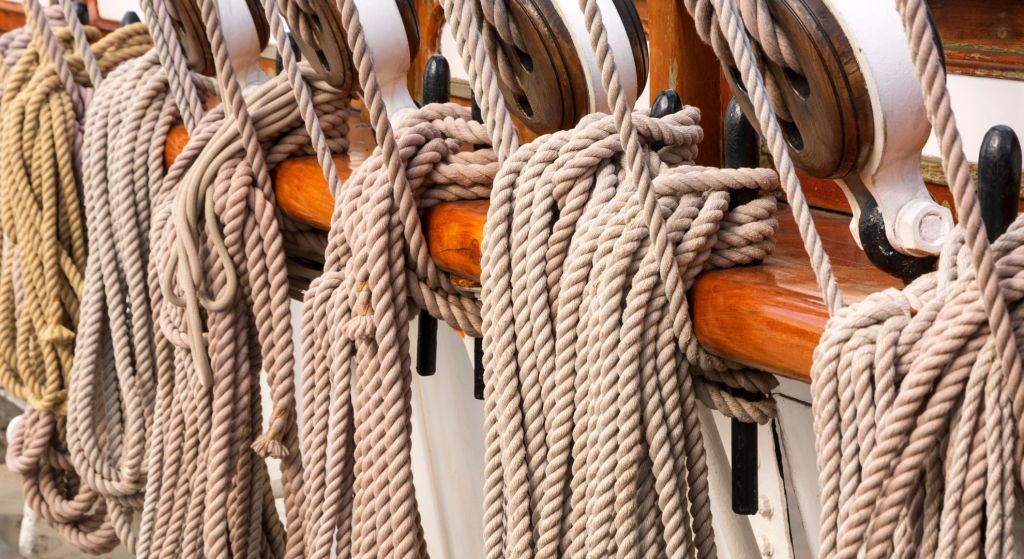
Sailing Ship Rigging 101: This section provides a foundational overview of rigging, introducing key terminology and the fundamental components that make up a ship’s rigging system. You’ll learn about essential terms like “masts,” “spars,” “shrouds,” “stays,” and “lines.” Understanding these basics is essential before delving deeper into the subject.
Types of Sailing Ship Rigging
Rigging is not one-size-fits-all; it varies depending on the type and purpose of the sailing ship. We’ll explore various rigging types, including:
- Bermuda Rigging: Known for its triangular mainsail, it’s a common rig on modern sailboats.
- Gaff Rigging: Recognizable by its four-sided mainsail with a gaff and boom, popular on traditional and classic vessels.
- Schooner Rigging: Featuring multiple masts, often with fore-and-aft rigging on each, providing excellent balance and versatility.
- Ketch and Yawl Rigging: Utilizing two masts, the main and mizzen, with variations in mast placement for balance and sail control.
Understanding these rigging types helps sailors identify the rigging setup of their vessel and optimize its performance.
Understanding Standing Rigging
Standing Rigging Fundamentals: Standing rigging forms the backbone of a ship’s rigging system, providing support and stability to the masts. This section delves into the components of standing rigging, including:
- Shrouds: Vertical supports securing the mast.
- Stays: Fore-and-aft supports that prevent the mast from moving forward or backward.
- Turnbuckles: Adjustable connectors used for tensioning the rigging.
- Masthead Fittings: Hardware at the top of the mast, including the cap and halyard sheaves.
You’ll gain insights into their roles in maintaining a ship’s structural integrity and the art of tensioning them properly.
Exploring Running Rigging
Mastering Running Rigging: Running rigging controls the sails’ position and shape, enabling sailors to harness the wind’s power effectively. In this section, we’ll dissect running rigging elements like:
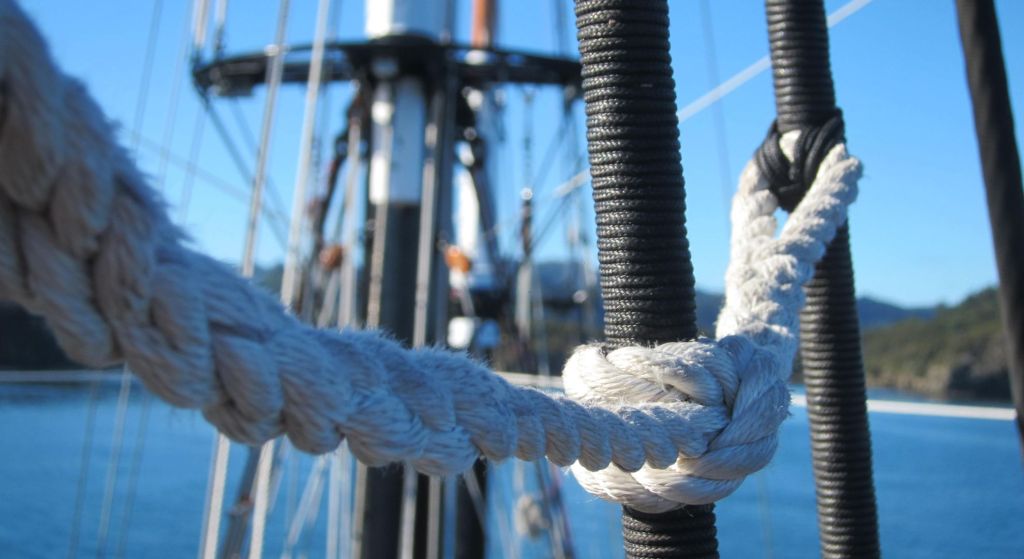
- Halyards: Lines used to raise and lower sails.
- Sheets: Lines used to control the angle and tension of sails.
- Blocks and Winches: Mechanical aids for easing the effort of handling running rigging.
- Cleats and Clutches: Devices for securing lines in place.
You’ll gain a deep understanding of their functions and how to manipulate them for precise sail control.
The Art of Tuning and Maintenance
Tuning Your Rigging: Keeping your rigging in top condition is crucial for safety and performance. Learn the art of tuning and maintaining your rigging, including:
- Tensioning: Adjusting the tension in standing rigging to optimize sail shape and mast stability.
- Inspections: Identifying signs of wear, chafing, or corrosion and addressing them promptly.
- Lubrication: Properly maintaining moving parts like turnbuckles and winches.
- Replacements: Knowing when it’s time to replace worn or damaged rigging components.
Regular maintenance ensures your rigging operates smoothly and safely during your sailing adventures.
Safety First: Rigging Inspection
Rigging Safety Checks: Safety is paramount in sailing. We’ll guide you through the essential rigging inspections that every sailor should perform before setting sail. Knowing how to identify potential problems can prevent accidents and mishaps, ensuring your voyages are both enjoyable and secure.
Advanced Rigging Techniques
Advanced Rigging Mastery: For seasoned sailors seeking to expand their skills, this section explores advanced rigging techniques, including:

- Racing Rigging: Fine-tuning your rigging for optimal performance in competitive sailing.
- Heavy Weather Rigging: Adapting rigging for adverse weather conditions to ensure safety and stability.
- Rigging Upgrades: Exploring upgrades like adding roller furling systems or spinnaker gear for enhanced functionality.
These techniques offer a deeper mastery of the art of rigging, allowing you to tailor your ship’s rigging to your specific needs.
Mastering the Art of Rigging
In the conclusion, we emphasize the importance of rigging knowledge in sailing. By demystifying sailing ship rigging, we hope to empower sailors to confidently navigate the seas, ensuring both their safety and the exhilaration of mastering the wind.
Prepare to embark on a voyage of understanding and mastery as we demystify sailing ship rigging, turning complex ropes and wires into the tools of your maritime adventure. Whether you’re a novice sailor or an experienced mariner, this guide will be your compass to rigging proficiency. Set sail and master the art of rigging with confidence!