India’s naval force is set to welcome a notable enhancement to its fleet with the planned construction of the INS Vishal. This colossal carrier, also known as Indigenous Aircraft Carrier 3 (IAC-3), will testify to India’s growing naval prowess. The anticipated carrier, whose name translates to ‘grand’ in Sanskrit, promises to embody its moniker with its impressive specifications and ground-breaking features.
Overview and Background
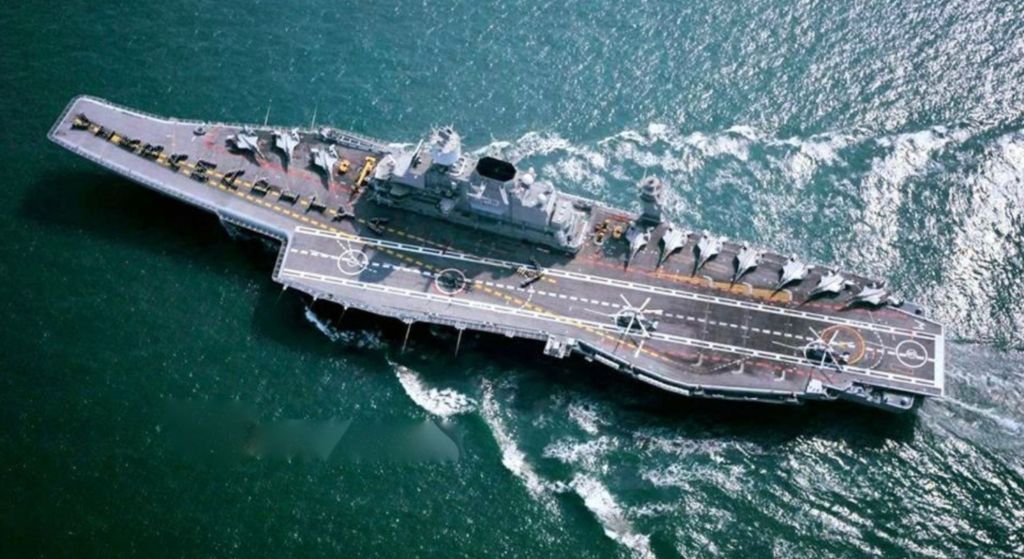
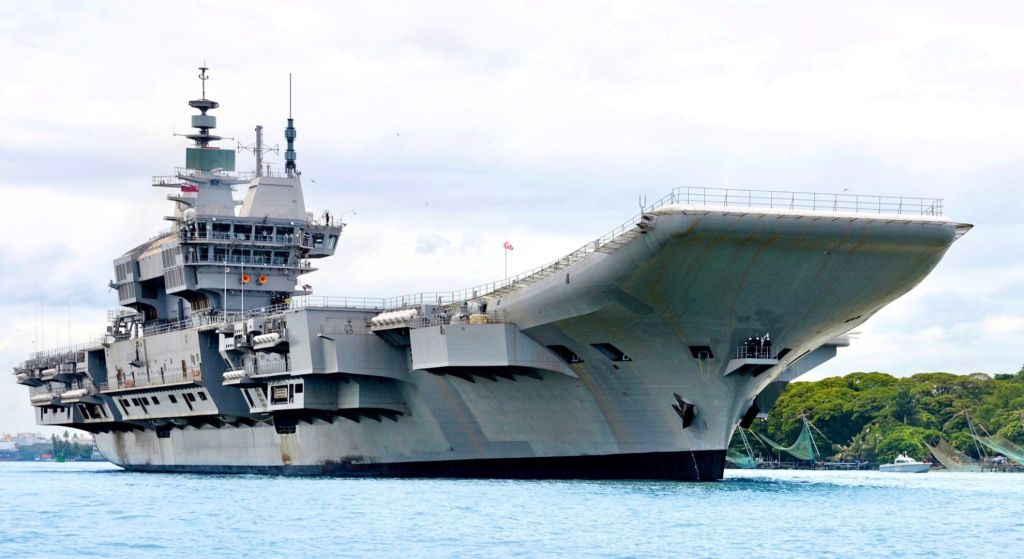
The INS Vishal is poised to become the third aircraft carrier indigenously built in India, following the INS Vikrant (IAC-1) and another Vikrant-class aircraft carrier (IAC-2). The ship is project to be construct by Cochin Shipyard Limited, a renown ship-building and maintenance facility base in India.
This planned vessel indicates a significant leap from its predecessors, the Vikrant-class carriers. The proposed design for the INS Vishal is a complete overhaul, featuring an increase in size and displacement, making it one of the largest and most advanced carriers in the Indian Navy’s fleet.
Design and Development
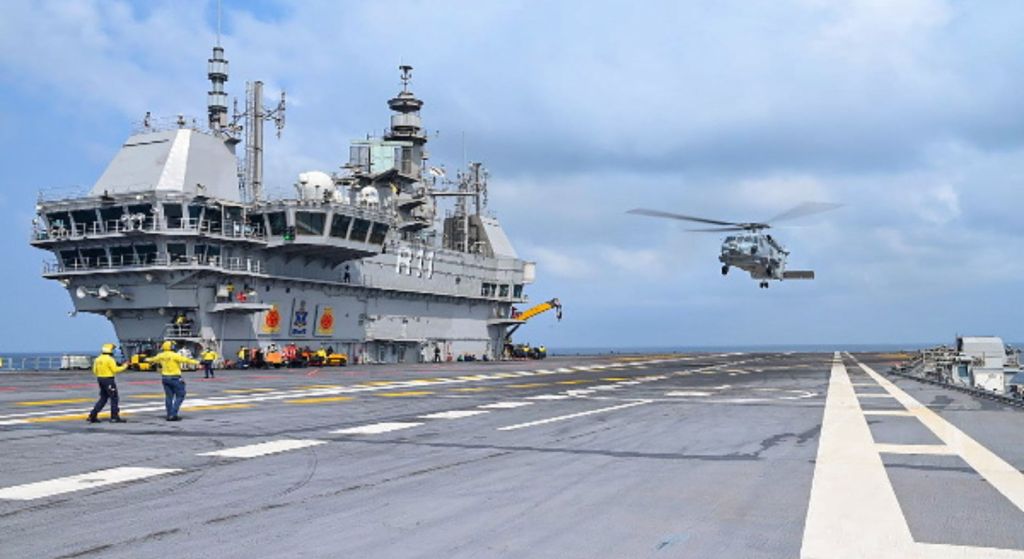
The inception of this grand project can be trace back to April 2011, when Admiral Nirmal Kumar Verma stated that the construction of a second carrier was a plan due to higher spending priorities for the navy at that time.
The design stage for INS Vishal commenced in 2012, with the task undertaken by the Indian Navy’s Naval Design Bureau. The decision was made to rely on local expertise for the design concept and implementation plans before seeking assistance from the Russian Design Bureau to integrate Russian aircraft into INS Vishal.
Advanced Technologies and Capabilities
This section can delve into the cutting-edge technologies and capabilities that the INS Vishal is expected to feature, such as the EMAS CATOBAR system, Integrated Full Electric Propulsion System (IFEP), and potential use of Unmanned Combat Aerial Vehicles (UCAVs). It can also discuss how these technologies enhance the carrier’s operational efficiency and strategic significance.
Key Specifications
The INS Vishal is a 65,000-ton flat-top carrier currently in the planning stages. This propose displacement is a significant increase compare to the STOBAR system on IAC-1, making it one of the largest carriers in the Indian Navy’s fleet.
The new design is expect to incorporate an EMAS CATOBAR system, which stands for Electromagnetic Aircraft Launch System. Combining this system is expect to enable the launching of more extensive and heavier aircraft, expanding the carrier’s capabilities significantly.
Powering the INS Vishal
A nuclear propulsion system was initially plan for the aircraft carrier. However, this was later change to an integrate electric propulsion system due to the complexities of developing a nuclear reactor with a 500 to 550 megawatts capacity, possibly one year.
The planned Integrated Full Electric Propulsion System (IFEP) for the Indian Navy results from a Memorandum of Understanding signed between state-owned BHEL and GE Power Conversion. This collaboration aims to boost indigenous capabilities in developing an IFEP for the planned aircraft carrier.
The IFEP system is anticipated to enhance the operational efficiency and sustainability of the Indian Navy’s fleet, aligning with the nation’s strategic goals for self-reliance in defense technologies. Leveraging the expertise of both BHEL and GE Power Conversion, the partnership underscores a significant step towards advancing India’s maritime capabilities and fostering technological innovation in the defense sector.
Challenges and Delays in Construction
This topic can explore the challenges faced during the construction process of the INS Vishal, leading to delays in its scheduled completion date. It can discuss factors such as technical complexities, funding issues, international collaborations, and the impact of these delays on India’s naval capabilities and strategic plans.
International Collaboration
As part of the design and development process, the Indian Navy contacted four international defense companies for design suggestions. These include BAE Systems of the United Kingdom, DCNS of France, Lockheed Martin of the United States, and Rosoboronexport of Russia.
This international approach also led to a Joint Working Group on Aircraft Carrier Cooperation between India and the United States. The group was establish to facilitate collaboration on the design and development of aircraft carriers, marking a significant step in India’s naval advancement.
Construction Timeline
2018 Naval Staff Chief Sunil Lanba said the ship would be built in three years. Initially, the carrier was launche to enter service by the 2020s. However, the scheduled date of completion was later postpone to the 2030s.
Despite the initial optimism expressed by Naval Staff Chief Sunil Lanba in 2018 regarding the construction timeline of the ship, the subsequent delays have pushed back the scheduled completion date to the 2030s. This unforeseen extension in the timeline raises questions about the challenges and obstacles encountered during the construction process and the impact on the naval capabilities and strategic plans the carrier intended to fulfill by entering service in the 2020s.
Carrier Air Wing Organization
The carrier air wing of INS Vishal is expect to consist of carrier-base HAL TEDBF and a naval version of HAL AMCA. INS Vishal’s early stages may also see the operation of carrier-based aircraft such as Mikoyan MiG-29Ks. This diverse blend of aircraft would significantly enhance the carrier’s operational capabilities.
The Indian Navy also anticipates the operation of Unmanned Combat Aerial Vehicles (UCAVs) on INS Vishal. This addition would greatly expand mission envelopes, allowing the pilot-less aircraft to be use for high-risk surveillance and suppression of enemy air defenses.

Future Plans
As of April 2021, the Indian Navy, focusing on the importance of nuclear-powered and conventional submarines in future sea warfare, started planning the third aircraft carrier, INS Vishal, to replace the serving INS Vikramaditya.
In November 2021, discussions began on revising the designs to accommodate uncrewed and human-crewed aircraft. A slight size reduction was also suggest to reduce weight, cost, and the time require to construct the carrier.
FAQ’s
1. What is INS Vishal?
INS Vishal is a propose aircraft carrier plan to be develop for the Indian Navy as a part of its efforts to expand and modernize its fleet.
2. When is INS Vishal expect to be commission?
As of my knowledge cutoff in 2023, there has yet to be a definitive commissioning date for INS Vishal, which is still in the planning and design phase.
3. What will be the displacement of INS Vishal?
The plan displacement of INS Vishal is expect to be around 65,000 tonnes, making it significantly larger than India’s current carriers.
4. How will INS Vishal differ from INS Vikrant and INS Vikramaditya?
INS Vishal, larger and more contemporary than INS Vikrant and INS Vikramaditya, may have a catapult launch system.
5. What kind of aircraft will INS Vishal carry?
INS Vishal may carry the MiG-29K, Naval Tejas, F/A-18, and numerous helicopters for diverse tasks.
6. Will INS Vishal be nuclear-power?
There have been discussions about INS Vishal being nuclear-power, but no official confirmation has been made. If realized, it would be India’s first nuclear-powered aircraft carrier.
7. What is the significance of INS Vishal for the Indian Navy?
INS Vishal is significant as it represents a strategic step in enhancing India’s blue-water naval capabilities, allowing for more excellent power projection and operational flexibility in the Indian Ocean and beyond.
The INS Vishal represents a significant leap in India’s global naval capabilities and strategic position. With impressive specifications and advanced technologies, this planned aircraft carrier is a testament to India’s commitment to strengthening its maritime force. As the project progresses, the world awaits the grand unveiling of this majestic vessel. The INS Vishalpromises to be a great addition to the Indian Navy’s fleet, embodying its name’s ‘grand’ essence.