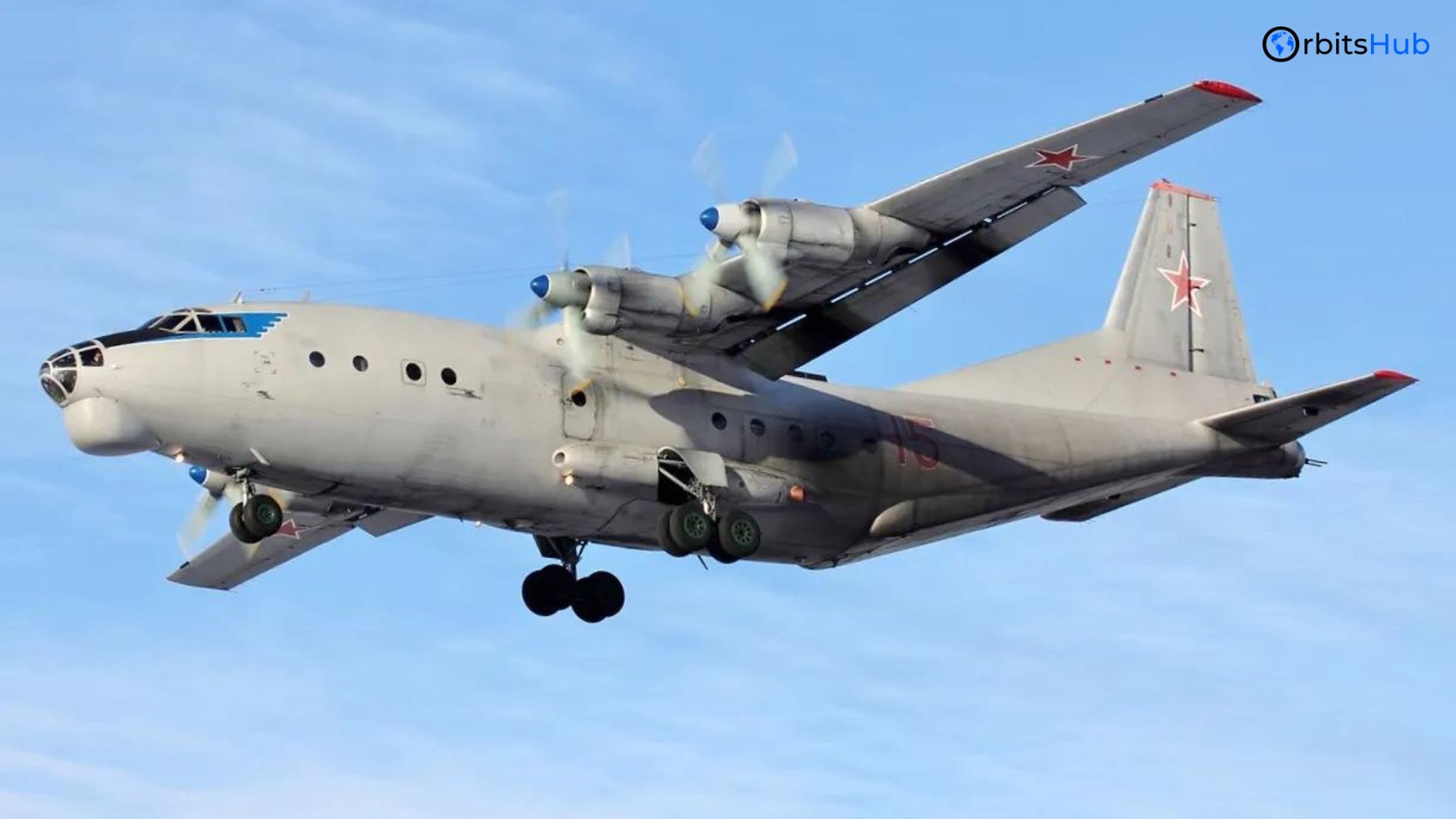
The Indian Air Force (IAF) prides itself on a formidable fleet of combat aircraft, and bomber aircraft play a crucial role in this impressive arsenal. While India doesn’t currently possess a dedicated strategic bomber like the American B-52 Stratofortress, its bomber capabilities are strategically delivered through a combination of multi-role combat aircraft and indigenous development programs. Let’s delve into the world of Indian bomber aircraft, exploring their significance and future endeavours.
Multi-Role Combat Aircraft: The Backbone of IAF Bombing Power
The IAF’s bombing strength lies in its multi-role combat jets, capable of carrying out various missions, including air-to-ground strikes, bombing, and reconnaissance. These versatile aircraft offer a significant advantage, allowing for flexible deployment and adaptation to evolving battlefield scenarios. Here are some key players:
- Su-30MKI: This indigenously produced beast, a variant of the Russian Su-30, is the mainstay of the IAF’s bomber fleet. Its long operational range, powerful engines, and advanced avionics suite make it ideal for deep penetration missions and delivering a heavy payload of bombs and missiles.
- Mirage 2000: The French-origin Mirage 2000 is another potent bombing platform. Known for its agility and high-speed capabilities, it excels in delivering precision strikes with laser-guided bombs.
- Jaguar: The venerable Jaguar, a British-made strike aircraft, continues to serve bravely in the IAF. While not the newest on the block, its bombing capabilities are well-proven, offering a cost-effective solution for close air support missions.
- Rafale: The cutting-edge French fighter jets are a recent addition to the IAF’s arsenal. These omnidirectional fighters boast exceptional bombing accuracy and advanced weapon systems, significantly enhancing the IAF’s long-range strike capabilities.
These multi-role combat aircraft, highly trained pilots and sophisticated weapon systems form the bedrock of India’s aerial bombing power. Their versatility allows for strategic force projection and the ability to respond effectively to diverse threats.
Indigenous Development: Shaping the Future of Indian Bombers
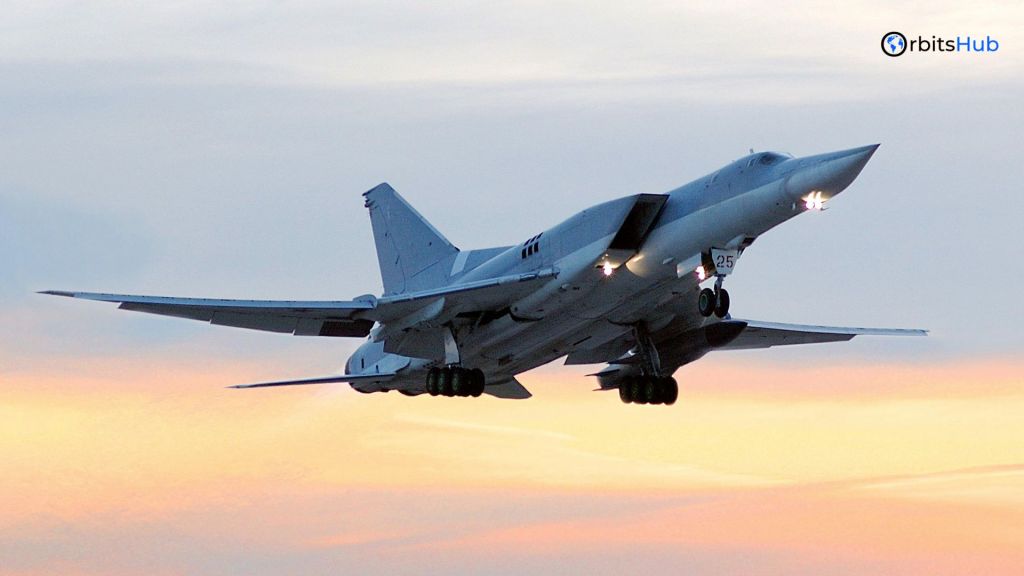
With its robust aerospace industry, India is actively pursuing the indigenous development of advanced bomber aircraft. Here are two noteworthy programs:
- HAL H-FIB (HF-24 Marut Replacement): This ambitious project aims to develop a next-generation fighter bomber to replace the ageing HAL HF-24 Marut. The H-FIB promises to be a technologically advanced aircraft with improved range, payload capacity, and stealth capabilities.
- Uncrewed Aerial Vehicles (UAVs): India is making significant strides in developing indigenous UAVs, also known as drones. These unmanned platforms offer a cost-effective, low-risk bombing solution, particularly for high-threat environments. Developing advanced armed UAVs like the Ghatak series showcases India’s commitment to modernizing its aerial bombing capabilities.
These indigenous development programs highlight India’s strategic vision to achieve self-reliance in the critical domain of bomber aircraft.
Global Landscape of Bomber Aircraft: A Comparative Analysis
This section would provide a broader perspective by comparing the Indian bomber aircraft with those of other major air forces. You could discuss:
- Strategic vs. Multi-Role Bombers: Explain the difference between dedicated strategic bombers like the B-52 and India’s multi-role approach.
- Strengths of Different Nations: Briefly highlight the bomber capabilities of countries like the US, Russia, China, and Pakistan.
- India’s Strategic Position: Analyze how India’s bomber fleet stacks up in the regional and global context.
The Future of Aerial Bombing: Emerging Technologies and Trends
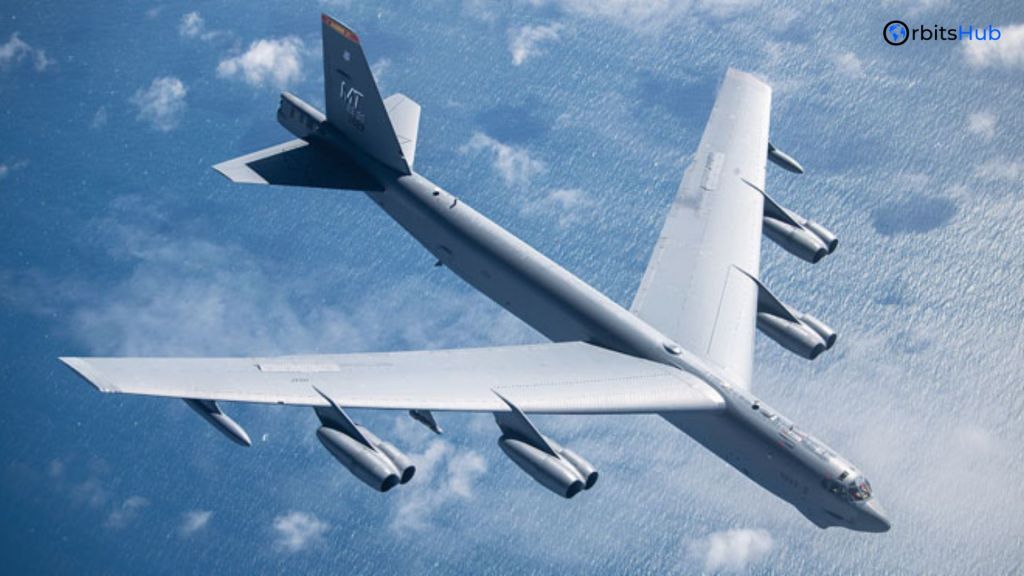
This section will explore the future of aerial bombing and how India can leverage advancements:
- Precision-Guided Munitions: Discuss the increasing importance of smart bombs and other precision-guided weapons in modern warfare.
- The Rise of Stealth Technology: Explain how stealth capabilities can enhance the effectiveness of bombers by minimizing detection risks.
- Integration with Unmanned Systems: Explore the growing role of armed drones and how they might work alongside manned bombers in future conflicts.
The Indian Air Force’s bomber fleet, with its blend of potent multi-role combat aircraft and promising indigenous development programs, presents a significant deterrent force. India is ready to tackle various security threats with these aircraft because of their agility and adaptability. As India continues to invest in research and development, its bomber capabilities are poised to evolve further, solidifying its position as a force to be reckoned with in the region.
Are you considering a career in the Indian maritime or aviation sector? OrbitsHub, a leading consultancy services company, can be your one-stop shop for navigating the exciting opportunities in these dynamic industries. Contact OrbitsHub today to explore your options and unlock your career potential!