The Red Sea crisis has cast a long shadow over Egypt, impacting its economy, trade, and geopolitical standing. At the heart of this crisis lies the iconic Suez Canal, a vital maritime artery connecting Europe and Asia. The canal’s revenue has recently taken a nosedive, leaving Egypt with significant challenges. The paper explores the root causes, repercussions, and possible remedies for this urgent matter.
The Suez Canal: A Lifeline for Global Trade
Historical Significance
The Suez Canal, completed in 1869, revolutionized global trade by providing a shortcut between the Mediterranean and the Red Sea. Ships no longer needed to circumnavigate Africa, significantly reducing travel time and costs. The canal became a symbol of progress and international cooperation.
Economic Importance
The Suez Canal remains a critical conduit for maritime commerce. It handles approximately 12% of global trade, including oil, gas, and manufactured goods. Its strategic location ensures that goods flow smoothly between Europe, Asia, and Africa. Egypt relies heavily on canal revenues, contributing significantly to its national income.
The Crisis Unfolds
Declining Fees
In recent years, the Suez Canal’s financial health has deteriorated. Plummeting fees from ship transits have hit Egypt hard. Several factors contribute to this decline:

- Competition: Other shipping routes, such as the Panama Canal and the Northern Sea Route, offer alternatives to vessels.
- Global Economic Slowdown: Reduced trade volumes during economic downturns impact canal revenues.
- Infrastructure Challenges: Aging infrastructure and maintenance issues affect efficiency.
Geopolitical Tensions
The Red Sea region faces geopolitical tensions, affecting canal operations. Conflicts in Yemen and the Horn of Africa disrupt shipping lanes, leading to delays and rerouting. Additionally, Egypt’s relations with neighboring countries impact canal usage.
Consequences for Egypt
Economic Strain
Egypt’s economy heavily relies on canal revenue. Plummeting fees strain government finances, affecting infrastructure development, social programs, and public services. The decline exacerbates existing economic challenges.
Geopolitical Vulnerability
The Suez Canal’s significance extends beyond economics. It is a symbol of Egypt’s sovereignty and strategic importance. Any disruption threatens regional stability and global trade.
Navigating Troubled Waters
Infrastructure Upgrades
Investments in modernizing the canal infrastructure are crucial. Dredging, widening, and improving navigation aids can enhance efficiency and attract more ships.
Diplomatic Engagement
Egypt must engage diplomatically with neighboring countries to ensure safe passage through the Red Sea. Cooperation and conflict resolution are essential.
Diversification
Reducing dependence on canal revenue is prudent. Egypt can explore other revenue streams, such as tourism, agriculture, and manufacturing.
The Suez Crisis: A Historical Flashpoint
The Suez Crisis 1956 reverberated across the globe, leaving an indelible mark on international relations. Let’s delve into the key events and implications of this pivotal historical moment.
Background and Nationalization
- Situated in the Red Sea between the Mediterranean and the Indian Oceans, the Suez Canal was nationalized in July 1956 by Egyptian President Gamal Abdel Nasser. The canal controlled two-thirds of Europe’s oil supply.
- The canal had been built under the supervision of French diplomat Ferdinand de Lesseps and was jointly run by a British-French organization.
- Nasser’s anger at the US, which had refused to provide money for the Nile River dam project at Aswan, was a driving factor in his decision. He thought that the dam might be funded through canal tolls. Nasser believed that canal tolls could finance the dam.
The Joint Invasion
- In response to the nationalization, a joint force comprising Israel, Britain, and France launched an armed assault on Egypt in October 1956.
- The Israelis struck first, followed by British and French military forces.
- The crisis escalated tensions between the superpowers of the Cold War era.
International Pressure and Withdrawal
- The invasion faced international backlash. The United States, the Soviet Union, and the United Nations pressured the invaders to withdraw.

- The crisis highlighted the delicate balance of power during the Cold War and underscored the importance of the Suez Canal in global maritime trade.
- By early 1957, the British, French, and Israeli troops had pulled out, leaving Egypt victorious.
Environmental Sustainability and Canal Operations
With the global focus on sustainability, examining the environmental impact of Suez Canal operations is crucial. Increased shipping activities raise concerns about the Red Sea region’s pollution, habitat disruption, and ecosystem health. Adopting environmentally conscious methods can reduce the long-term sustainability of the canal and its impact on the environment, the purchase of environmentally friendly technology, and the encouragement of responsible maritime operations.
Digital Transformation in Maritime Logistics
The digital revolution is reshaping maritime logistics, impacting the Suez Canal’s operations. Topics like blockchain for transparent supply chains, AI-driven navigation systems, and IoT-enabled vessel monitoring are transforming how goods move through global waterways. Discussing these technological advancements, their benefits for canal efficiency, and the need for cybersecurity measures in maritime infrastructure could provide valuable insights into modernizing canal operations.
The Suez Canal Today: Linchpin of Global Trade
The Suez Canal remains a linchpin in international commerce, facilitating the movement of goods between Europe and Asia. Let’s explore its significance and the challenges it faces:
Importance and Trade Volume
- The Suez Canal handles 12-15% of global trade and approximately 20% of container trade.
- Its strategic location shortens shipping routes, reducing vessel travel time and costs.
Disruptions and Catastrophic Effects
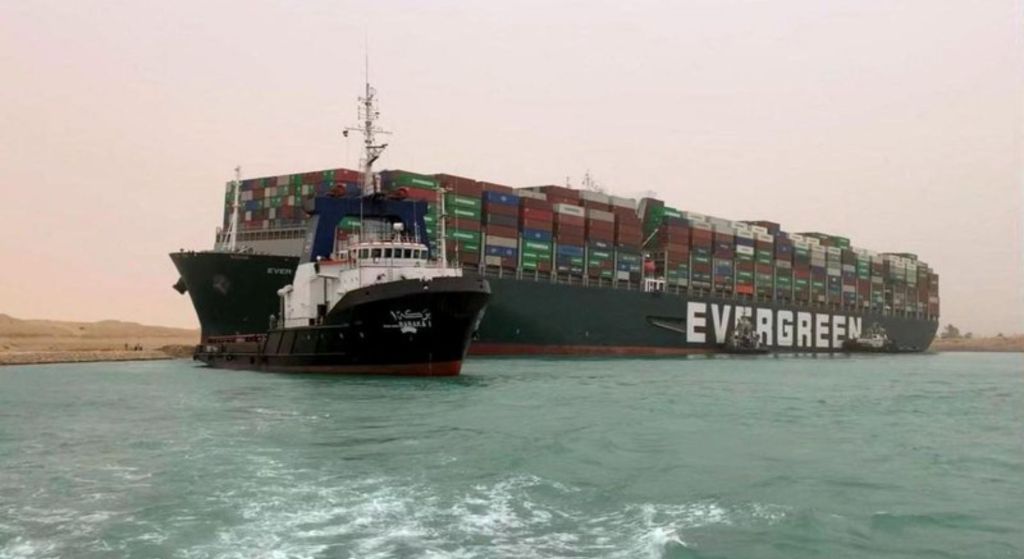
- Disruptions in the canal have far-reaching consequences. The March 2021 grounding of the massive container ship Ever Given blocked the waterway for days, causing a global shipping crisis.
- Geopolitical tensions, conflicts, and accidents pose risks to smooth canal operations.
Future Prospects
- Egypt must balance maintaining the canal’s efficiency with addressing infrastructure challenges.
- Diplomatic engagement with neighboring countries is crucial to ensure safe passage through the Red Sea.
- Diversifying Egypt’s revenue sources beyond canal fees is essential for long-term stability.
FAQ’s
1. What is the significance of the Suez Canal?
A vital waterway for international trade between Asia and Europe, the Suez Canal links the Mediterranean and the Red Seas. It significantly reduces the travel distance for ships and eliminates the need to navigate around the southern tip of Africa.
2. Why are Suez Canal fees falling?
The Suez Canal fees are falling due to a crisis in the Red Sea region, particularly affecting Egypt’s revenue from the canal. Factors such as geopolitical tensions, economic slowdowns, or changes in global trade patterns can influence the fees.
3. How does the fall in Suez Canal fees impact global trade?
The fall in Suez Canal fees could stimulate trade activities as shipping companies may find it more cost-effective to utilize the canal route. This could increase the volume of goods transported through the canal, benefiting both exporters and importers worldwide.
The Red Sea crisis poses a formidable challenge for Egypt. As the Suez Canal fees continue to plummet, urgent action is needed. Egypt can navigate these troubled waters by investing in infrastructure, fostering diplomatic ties, diversifying its economy, and securing its position as a global trade hub.