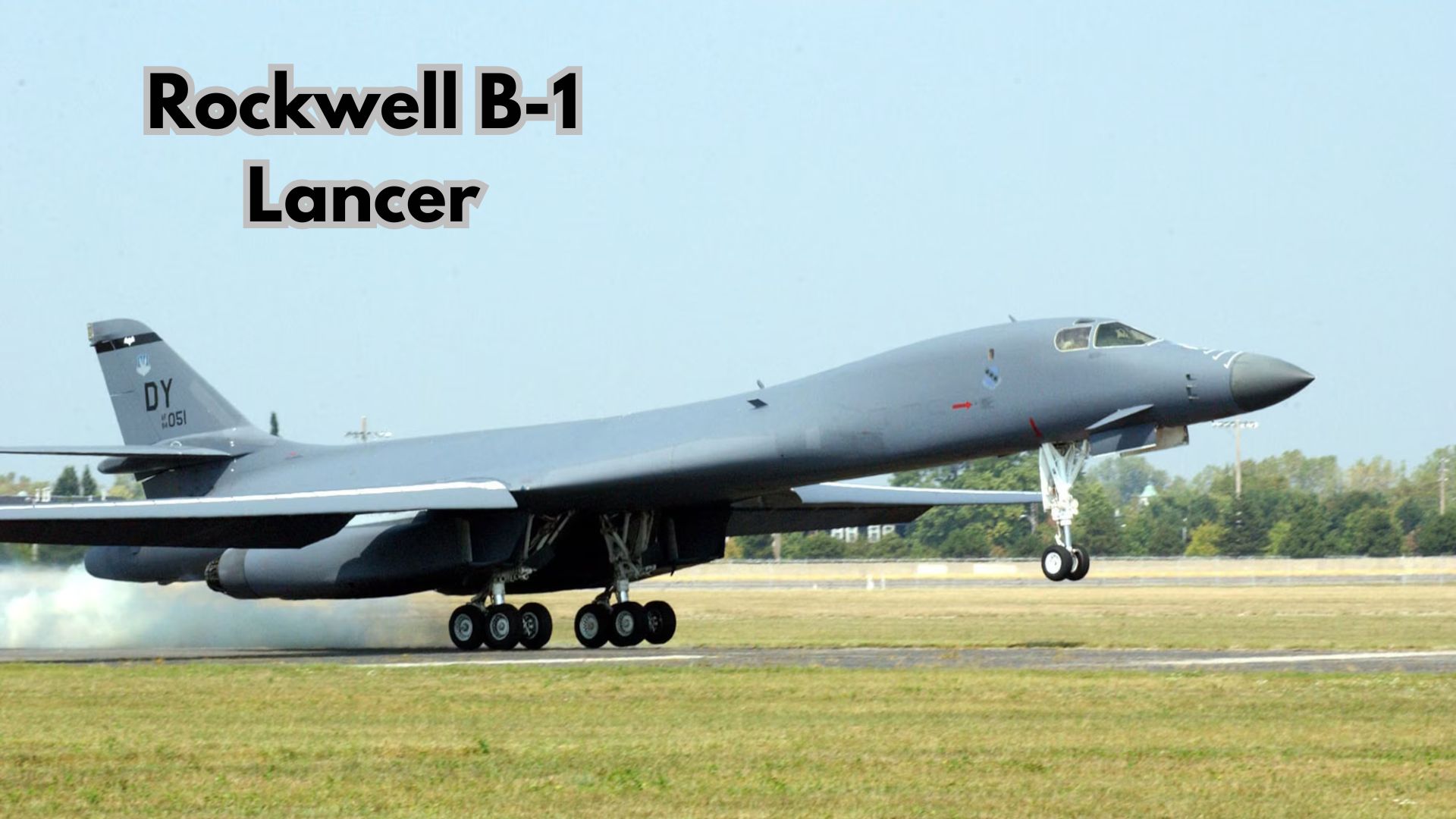
When you first lay eyes on the B-1B bomber, or “The Bone” as it’s affectionately known, it’s hard not to be captivated by its sheer presence. This aircraft isn’t just another piece of military hardware; it’s a living testament to the United States Air Force’s ingenuity and power, silently soaring through the skies for over three decades. The B-1B Lancer (source) has always been more than just a machine—it’s a symbol of raw speed, unmatched payload capacity, and unyielding determination.
If you’re like me, fascinated by military aviation, the B-1B bomber holds a special place in the world of strategic airpower. Its story is as thrilling as the aircraft itself, filled with moments of uncertainty, remarkable breakthroughs, and a future that’s still soaring high.
The Birth of a Powerhouse: B-1B Lancer’s Early Days
The tale of the B-1B Lancer begins during a time of great tension—the Cold War. In the 1970s, the United States found itself needing an aircraft capable of breaching advanced Soviet air defenses, something that could carry nuclear payloads deep into enemy territory. Enter the B-1A, the B-1B bomber’s predecessor. Yet, due to rising costs and political pressure, the initial program was shelved.
It wasn’t until the Reagan administration, with its renewed focus on military strength, that the B-1B Lancer was brought back to life in the early 1980s. This time, though, it was stronger, stealthier, and ready to make history. It was no longer just a prototype on paper but a tangible force, and by 1986, the B-1B bomber achieved operational capability. The skies would never be the same again.
Engineering Genius: The B-1B Bomber’s Unique Design

Walking up to the B-1B bomber, you can’t help but be impressed by its massive frame and sleek lines. But the beauty of the B-1B Lancer isn’t just skin-deep—it’s a marvel of aeronautical engineering.
Imagine this: as it prepares for takeoff, the B-1B’s variable-sweep wings extend out like the wings of a bird, providing lift and stability. But once it reaches high speeds, those same wings sweep back, reducing drag and allowing the aircraft to hit supersonic speeds. It’s like watching a bird of prey adjusting its wings mid-flight.
Then there are the four General Electric F101 turbofan engines, sitting beneath its body, rumbling like a beast about to pounce. These engines aren’t just for show; they deliver the power needed to lift the B-1B bomber’s immense weight and payload, propelling it into the sky with ease.
Inside, the B-1B bomber is equipped with an internal weapons bay that can carry an astonishing range of conventional weapons, from guided bombs to precision-guided missiles. And if needed, the aircraft can be outfitted with external weapons on its wing-mounted pylons. This versatility is what makes the B-1B Lancer such a formidable force on the battlefield.
The B-1B Lancer in Action: A Vital Player in Modern Warfare
The B-1B Lancer isn’t just a showpiece—it’s been tested time and again in some of the world’s most intense conflicts. From Operation Desert Storm to the Kosovo War, from Afghanistan to Iraq, the B-1B bomber has been a key player, bringing both speed and firepower to the frontlines.
Imagine this aircraft, cruising at supersonic speeds, stealthily penetrating enemy airspace, and delivering devastating blows with surgical precision. Its long-range capabilities mean it can travel vast distances without needing to refuel. You can picture the B-1B bomber flying across oceans and continents, reaching its targets with unwavering determination. With its 75,000-pound payload capacity, the B-1B can deliver overwhelming firepower, turning the tide of battle in a single mission.
But it’s not just about the payload. The B-1B Lancer is also equipped with advanced defensive systems, including electronic countermeasures that can jam enemy radar, ensuring that it remains undetected in hostile airspace. This aircraft is a powerhouse, and it’s no wonder that the B-1B bomber has become such an indispensable part of the U.S. Air Force’s strategic fleet.
Looking Forward: The Future of the B-1B Lancer
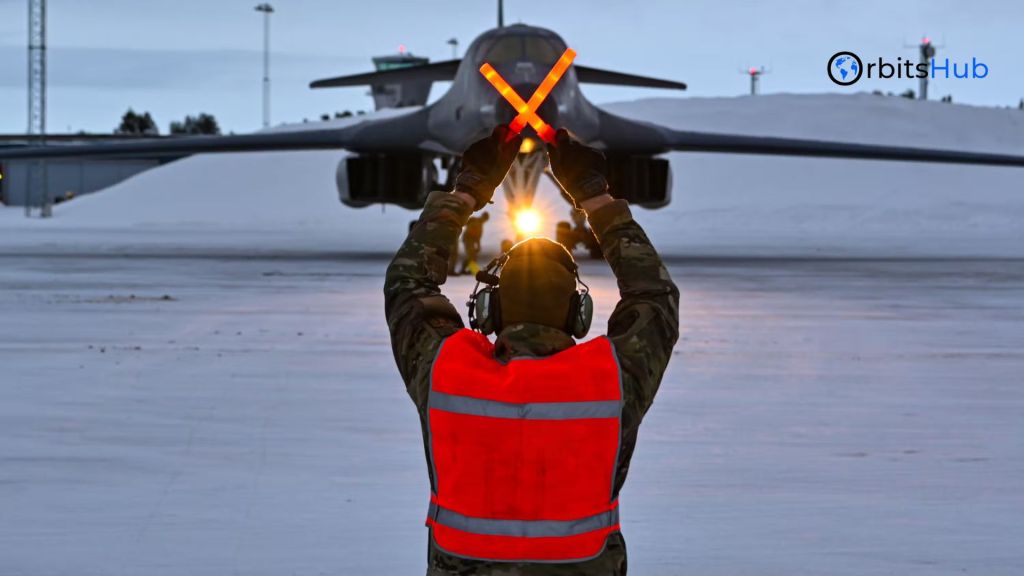
While the B-1B Lancer has already cemented its place in aviation history, its journey is far from over. Modernization efforts are underway to ensure the B-1B bomber stays relevant in an ever-changing world. New defensive systems, navigation upgrades, and weapons integration are just a few of the enhancements that will keep the B-1B Lancer flying high for years to come.
However, as with all things, change is inevitable. Eventually, the B-1B bomber will pass the torch to its successor, the B-21 Raider, a next-generation stealth bomber with even more advanced capabilities. But even when that day comes, the legacy of the B-1B Lancer will live on—a testament to American engineering, innovation, and military might.
A Lasting Legacy
The B-1B Lancer’s story is not just about technology and warfare—it’s a story of perseverance, adaptation, and strategic dominance. As a part of the U.S. Air Force’s fleet, the B-1B bomber has stood the test of time, serving as both a deterrent and a decisive force in countless conflicts.
More than just a military asset, the B-1B represents a pinnacle of aeronautical engineering, inspiring future generations of aircraft with its innovative design. From its variable-sweep wings to its blended wing-body configuration, the B-1B Lancer has forever changed the landscape of military aviation.
For enthusiasts like me, the B-1B bomber remains a symbol of awe and admiration. And while we look to the future of aviation, we can’t help but honor the contributions of this incredible aircraft, one that has soared through the skies and left an indelible mark on history.