
The aviation industry thrives on constant innovation, pushing boundaries to create a more efficient and comfortable travel experience. One such aircraft that embodies this spirit is the 32Q Aircraft, a variant of the Airbus A321neo family. Let’s delve deeper into the 32Q’s features and explore what makes it a game-changer in the short and medium-haul travel segment.
Decoding the 32Q: A Member of the A320neo Family
Airbus, the European aviation giant, introduced the A320neo family in 2010. The “neo” stands for “New Engine Option,” signifying a significant upgrade from previous A320 models. The A320neo family comprises four variants: A319neo, A320neo, A321neo, and the A321XLR (Xtra Long Range). The 32Q Aircraft, therefore, falls under the A321neo category.
The 32Q’s Aircraft Efficiency
The 32Q inherits the core strengths of the A321neo family, focusing on fuel efficiency and operational cost reduction. Here’s a breakdown of the key features that contribute to the 32Q’s impressive efficiency:
- Next-Generation Engines: The A321neo family, including the 32Q, has new-generation engines like the CFM LEAP-1A or the Pratt & Whitney PW1100G-JM. These engines boast significant improvements in fuel burn compared to their predecessors, translating to lower operating costs for airlines and, ultimately, more affordable fares for passengers.
- Aerodynamic Enhancements: The 32Q Aircraft incorporates aerodynamic features like Sharklets wingtip devices that reduce drag and improve fuel efficiency. The aircraft’s optimised airframe design also contributes to smoother airflow, further enhancing fuel efficiency.
- Cabin Optimisation: The 32Q offers airlines flexibility in cabin configurations. While the typical two-class layout accommodates 180 to 220 passengers, airlines can opt for a high-density configuration seating up to 244 passengers. This flexibility allows airlines to optimize operations based on specific routes and passenger demands.
Unpacking the Innovation in the 32Q Aircraft
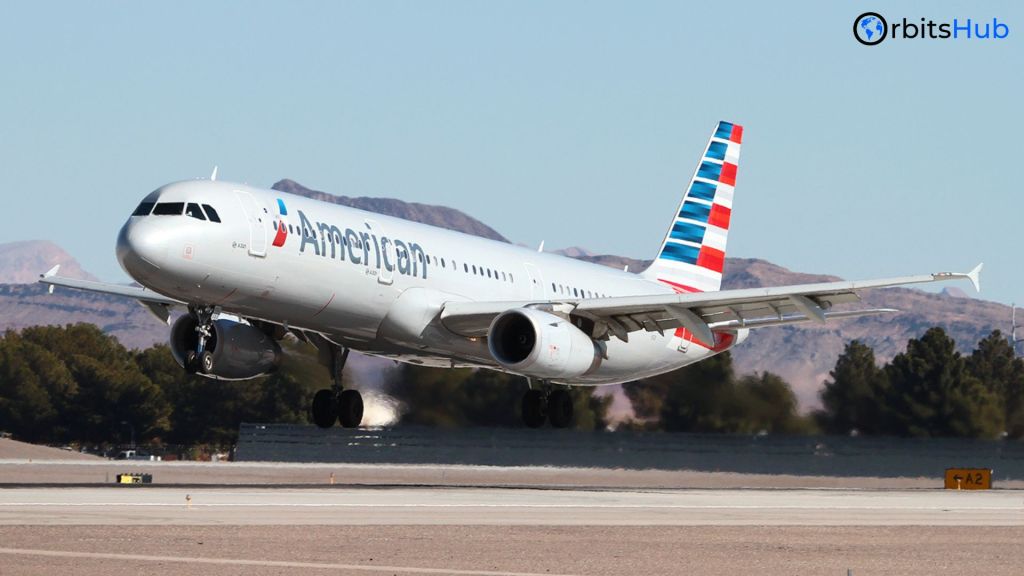
Beyond efficiency, the 32Q boasts innovative features that elevate the passenger experience:
- Passenger Comfort: The 32Q’s cabin typically features wider seats and ample legroom compared to older-generation aircraft. Additionally, airlines can opt for in-flight entertainment systems and LED mood lighting, creating a more comfortable and engaging travel environment.
- Operational Flexibility: The 32Q’s range allows airlines to operate short and medium-haul routes efficiently. This flexibility enables connecting new city pairs and potentially increasing passenger travel options.
- Environmental Friendliness: The 32Q’s fuel efficiency translates to reduced carbon emissions. With a growing focus on sustainable aviation practices, the 32Q emerges as an environmentally friendly airline choice.
Variations Within the 32Q Aircraft and Potential Applications
While the core features remain consistent across 32Q models, some airlines might opt for slight variations to suit their needs. Let’s explore two potential variations:
- 32Q with Increased Passenger Capacity: As mentioned earlier, the 32Q offers flexibility in cabin configuration. Airlines catering to high-demand routes might choose a high-density layout seating up to 244 passengers. This configuration maximizes passenger capacity on popular routes, potentially leading to more affordable fares for passengers on those routes.
- 32Q with Enhanced In-Flight Entertainment: Airlines operating longer routes within the 32Q Aircraft range might prioritize passenger comfort by installing advanced in-flight entertainment systems. Individual seatback screens might be a part of these systems, allowing passengers to enjoy various movies, TV shows, and music, making extended rides more pleasant.
The 32Q Aircraft in the Indian Aviation Market

India’s aviation sector is experiencing tremendous growth, with a rising demand for air travel. Let’s explore how the 32Q could potentially play a role in this dynamic market:
- Connecting Tier-2 and Tier-3 Cities: The 32Q’s range and operational efficiency make it suitable for connecting smaller cities (Tier-2 and Tier-3) with metros and other major hubs. This connectivity boost could promote regional development and cater to the growing travel demands in these emerging markets.
- Fuel Efficiency and Cost Optimization for Airlines: Indian airlines, like their global counterparts, constantly seek ways to optimize costs. The 32Q’s fuel efficiency can significantly reduce costs, allowing airlines to offer more competitive fares and expand their route network.
The 32Q aircraft is a testament to Airbus’s commitment to innovation and efficiency. Its features offer airlines a compelling combination of operational cost reduction, passenger comfort, and environmental responsibility. As the aviation industry continues to evolve, the 32Q is poised to play a significant role in shaping the future of short and medium-haul travel.
OrbitsHub, a leading maritime and aviation consultancy services company, can assist you in navigating this process. With their expertise in fleet planning, route analysis, and market trends, OrbitsHub can help you determine if the 32Q aligns with your needs and growth strategies.