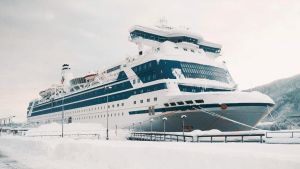
A Brief Overview of the Ionian Sea’s Geography
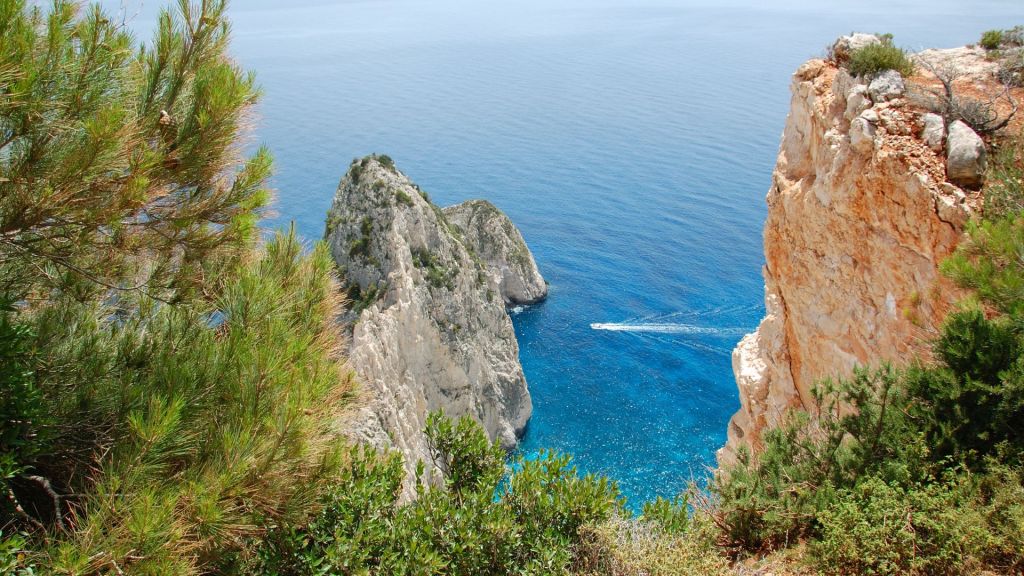
The Ionian Sea covers an area of approximately 45,000 square miles. It is encircled by a multitude of islands, both large and small, with the larger ones being Corfu, Kefalonia, and Zakynthos. The sea’s unique geographical position allows for mild winters and pleasant summers, making it an attractive destination year-round.
Historical Significance: Ionian Sea in Antiquity
In ancient times, the Ionian Sea served as a crucial maritime route, connecting the Greek and Italian peninsulas. It played a vital role in the rise of Hellenistic culture and the expansion of the Roman Empire. Sailors navigated these waters with skill, trading goods and ideas, and leaving behind a legacy that still resonates today.
Maritime Trade and Commerce
The Ionian Sea as a Trade Route
The Ionian Sea has long been a hub of trade and commerce. Its strategic location allowed merchants to exchange goods ranging from spices and silk to precious metals and pottery. This trade network not only enriched the region economically but also culturally, as it facilitated the exchange of ideas and traditions.
Ports and Harbors Along the Ionian Coast
Many different ports and bays can be found along the Ionian coast. Each one has its unique charm. From Corfu Town’s busy harbours to Lefkada’s quiet harbours, these seaside towns have led people to the Ionian Sea for hundreds of years.
Ship Technology Through the Ages
Evolution of Maritime Technology
As sailors traversed the Ionian Sea, they relied on various vessels, from the graceful triremes of antiquity to the majestic galleons of the Renaissance. Technological advancements in shipbuilding continually reshaped maritime travel and exploration.
The Role of Sailboats in Ionian Sea History
Sailboats, with their billowing sails and timeless elegance, have been the backbone of Ionian Sea exploration. They carried adventurers, traders, and explorers across these waters, forging connections between civilizations and opening new horizons.
Sea Adventures and Exploration
Famous Maritime Explorers of the Ionian Sea
The Ionian Sea has witnessed the journeys of many renowned explorers. From the legendary Odysseus to the fearless Marco Polo, these adventurers braved the sea’s challenges in pursuit of knowledge, wealth, and adventure.
Uncovering Hidden Treasures: Shipwrecks in the Deep
Beneath the Ionian Sea’s serene surface lies a hidden world of shipwrecks, relics of the past waiting to be discovered. These sunken treasures offer a glimpse into the maritime history of the region, with stories of glory and tragedy hidden beneath the waves.
Challenges of the Ionian Waters

Weather Patterns and Storms
The Ionian Sea, while breathtakingly beautiful, is not without its challenges. It experiences various weather patterns, including occasional storms. Mariners must navigate these waters with caution, respecting the ever-changing moods of the sea.
Navigational Hazards: Rocks and Reefs
Navigating the Ionian Sea requires skill and vigilance. Rocky outcrops and hidden reefs can pose a threat to even the most experienced sailors. Understanding these hazards is essential for safe passage.
Environmental Impact
Protecting the Ionian Sea’s Ecosystem
Preserving the natural beauty of the Ionian Sea is a responsibility we all share. Future generations must be able to enjoy its natural beauty thanks to our efforts to preserve its fragile environment, which includes marine life and coastal ecosystems.
Sustainable Practices in Modern Maritime Industries
Modern maritime industries in the Ionian Sea are increasingly adopting sustainable practices. From responsible fishing to eco-friendly tourism, these efforts aim to balance economic interests with environmental conservation.
Cultural Heritage
Ionian Sea in Literature and Art
Throughout history, the Ionian Sea has inspired artists, poets, and writers. It has been a muse for countless works of literature, paintings, and music, each capturing the essence of this maritime paradise.
Local Traditions and Seafaring Culture
The communities along the Ionian coast have a rich seafaring heritage. Traditional practices, festivals, and customs are deeply intertwined with the sea, reflecting the enduring connection between the people and their maritime environment.
Modern Maritime Activities
Contemporary Fishing in the Ionian Sea
Fishing remains a vital part of life along the Ionian coast. Local fishermen continue to cast their nets into the sea, providing fresh seafood that graces the tables of both locals and visitors.
Tourism and Recreational Activities
Today, the Ionian Sea is not only a vital maritime route but also a playground for tourists seeking relaxation and adventure. Sailing, snorkeling, and beachcombing are just a few of the activities that draw travelers to these shores.
The Timeless Beauty and Significance of the Ionian Sea
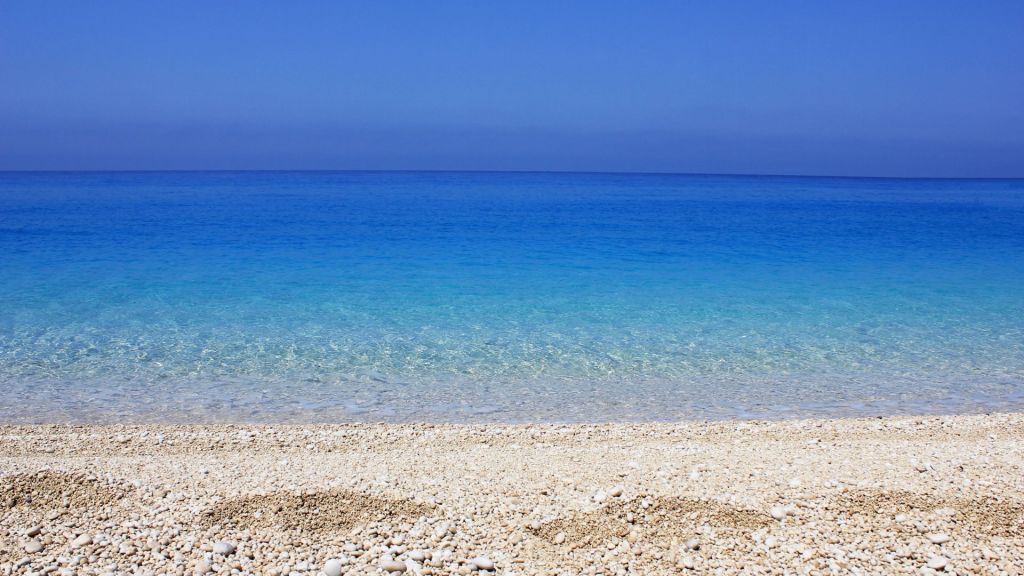
As we conclude our maritime odyssey through the Ionian Sea, we are reminded of the enduring allure of this remarkable region. From its role in ancient trade to its modern-day appeal as a tourist destination, the Ionian Sea continues to captivate and inspire all who set sail upon its waters. May its beauty and significance endure for generations to come.