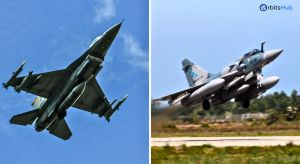
Piloting an airplane is a challenging and prestigious job requiring unique talents and responsibilities. Pilots are essential to air travel safety and efficiency. From pre-flight preparations to crises, their duties are varied. This blog will discuss an aircraft pilot‘s credentials, flight tasks, emergency procedures, and the need to stay current with legislation and technology.
The Role of an Aircraft Pilot: Responsibilities and Skills
Aircraft pilots are responsible for passenger and crew safety. They are skilled specialists with distinct knowledge. Let’s examine this crucial role’s duties and skills.
Aircraft pilots are entrusted with the safety of everyone on board their aircraft, making critical decisions before and during flights to ensure safe passage from one destination to another. Their duties include conducting pre-flight checks, communicating with air traffic control, monitoring weather conditions, navigating the aircraft, and executing emergency procedures if necessary. The capacity to keep composure under duress, together with great situational awareness, problem-solving capabilities, and communication talents, is essential for pilots. Additionally, they undergo extensive training and continuous education to stay updated on the latest aviation regulations, technologies, and best practices.
Responsibilities
Pre-flight checks: Before every trip, the pilots carefully check the plane to ensure that all of its systems work correctly and that it is safe to fly.
Flight planning: Pilots analyze weather conditions, air traffic, and nautical charts to plan the most efficient and safe route for the flight.
Takeoff and landing: Pilots are responsible for safely taking off and landing the aircraft, ensuring passengers’ smooth and comfortable experience.
In-flight operations: During the flight, pilots constantly monitor the aircraft’s systems, communicate with air traffic control, and make adjustments as necessary to ensure a safe and efficient journey.
Emergency response: Pilots are trained to respond quickly and calmly, implementing appropriate procedures to safeguard the aircraft and its occupants.

Skills
Technical expertise: Pilots deeply understand aircraft systems, navigation, and flight operations. They are skilled in using advanced avionics and flight management systems.
Decision-making: Pilots are trained to make critical decisions swiftly, considering weather conditions, aircraft performance, and passenger safety.
Communication: Effective communication skills are vital for pilots interacting with air traffic controllers, crew members, and passengers.
Situational awareness: Pilots must maintain constant situational awareness, assessing their surroundings and anticipating potential risks or challenges.
Leadership and teamwork: Pilots often work in teams, requiring strong leadership and teamwork skills to ensure efficient collaboration with co-pilots and cabin crew.
Becoming an Aircraft Pilot: Training and Certification
Becoming an aircraft pilot is a dream shared by many aviation enthusiasts. However, acquiring the necessary skills and qualifications to operate an aircraft requires rigorous training and certification. Let’s explore the training process and certification requirements for aspiring pilots.
Aspiring individuals typically begin by enrolling in a reputable flight school or aviation academy to embark on a career as an aircraft pilot. These institutions provide comprehensive training programs covering theoretical knowledge and practical flying skills. Theoretical aspects include aerodynamics, navigation, meteorology, and aviation regulations, while practical training involves hands-on experience in various aircraft types.
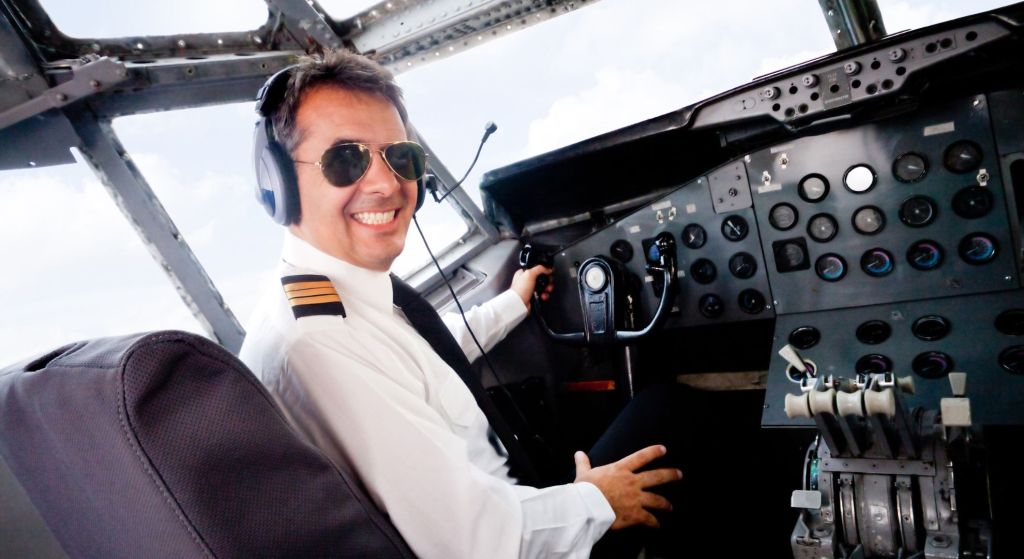
Aspiring pilots progress through different stages of certification, starting with obtaining a private pilot license (PPL). This initial certification allows individuals to fly light aircraft for personal use. Subsequently, they advance to more advanced certifications, such as the commercial pilot license (CPL), which enables them to fly for compensation.
Training
Ground school: Aspiring pilots begin their journey by attending ground school, where they learn the fundamental principles of flight, aviation regulations, navigation, meteorology, and aircraft systems.
Flight training: After completing ground school, pilots-in-training undertake flight training. This includes simulator sessions and actual flight time under the guidance of certified flight instructors. Trainees learn basic maneuvers, emergency procedures, communication protocols, and navigation techniques.
Instrument rating: Pilots seeking to fly under instrument flight rules (IFR) must obtain an instrument rating. This training focuses on passing solely by reference to instruments, without visual regard to the ground.
Multi-engine rating: For pilots aiming to operate multi-engine aircraft, additional training is required to obtain a multi-engine rating. This training covers the specific procedures and handling characteristics of multi-engine aircraft.
Commercial pilot license (CPL): To pursue a career as a professional pilot, trainees must obtain a CPL. This license permits pilots to fly for compensation or hire while adhering to specific regulations.
Certification
Private pilot license (PPL): After completing flight training, aspiring pilots can obtain a PPL, which allows them to fly for recreational purposes. This certification permits pilots to operate aircraft for personal use but not for commercial purposes.
Airline Transport Pilot License (ATPL): To fly as a captain for a commercial airline, pilots must obtain an ATPL. This certification requires more flight experience and knowledge, including extensive flight hours and passing written and practical exams.
Medical certification: Pilots must also undergo regular medical examinations to meet the physical and mental standards required for flying.
Navigating the Skies: A Day in the Life of an Aircraft Pilot
The life of an aircraft pilot is filled with excitement, challenges, and a sense of responsibility. Each day presents new opportunities and unique experiences. Let’s take a glimpse into a typical day in the life of an aircraft pilot.
In the early morning hours, the pilot begins by checking weather reports and flight plans, prioritising safety. Pre-flight inspections are meticulous, examining every detail of the aircraft before takeoff. As the day progresses, they navigate through varying weather conditions and airspace regulations with precision and skill, all while maintaining constant communication with air traffic control. Each landing marks the end of one journey and the beginning of another as they reflect on the day’s challenges and accomplishments.
Morning Routine
Pre-flight preparation: The day starts with a thorough pre-flight inspection of the aircraft. Pilots check the fuel levels, engine systems, control surfaces, and other critical components to ensure everything is in order.
Weather analysis: Pilots closely monitor weather conditions, analyzing forecasts and reviewing weather reports to determine potential impacts on the flight.
Flight planning: Pilots review the flight plan, considering air traffic, airspace restrictions, and fuel requirements. They calculate the optimal route and ensure all necessary documentation is in order.
Flight Operations
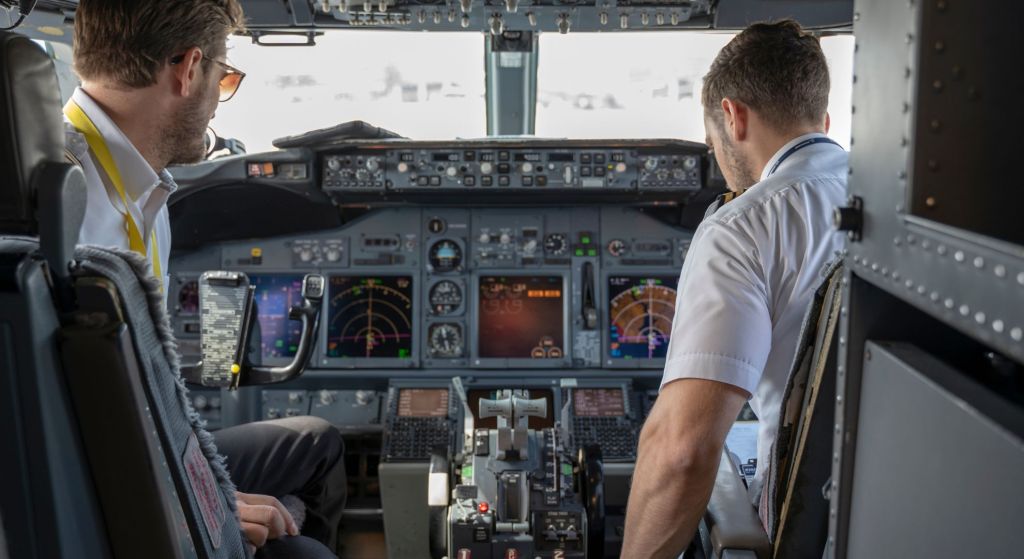
Briefing: Pilots meet with the co-pilot and cabin crew for a pre-flight briefing. They discuss the flight plan, weather conditions, emergency procedures, and other pertinent information.
Takeoff and climb: Pilots perform pre-departure checks, communicate with air traffic control, and execute a safe launch. During the climb phase, they monitor the aircraft’s systems and adjust as necessary.
Cruise phase: Once the aircraft reaches its cruising altitude, pilots monitor the flight instruments, communicate with air traffic control, and navigate through the planned route. They ensure a smooth and comfortable flight for passengers.
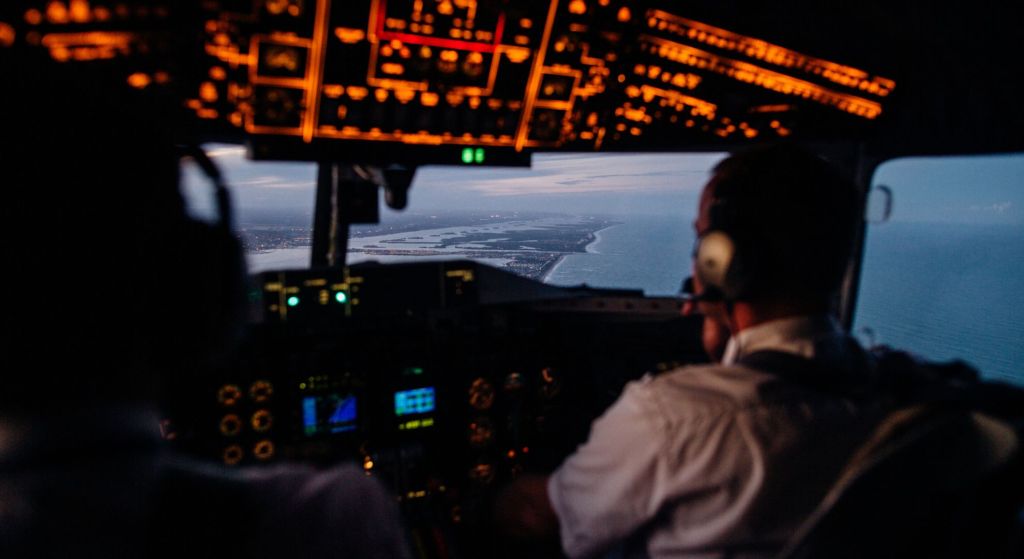
Descent and approach: Pilots begin the descent phase as the aircraft approaches its destination, adjusting its speed and altitude. They communicate with air traffic control and follow instructions for a safe approach and landing.
Landing and post-flight: Pilots execute a smooth landing, taxi to the gate, and perform post-flight checks. They review the flight with the co-pilot, debrief the cabin crew, and complete the necessary paperwork.
Challenges and Responsibilities
Decision-making: Throughout the flight, pilots make critical decisions based on weather changes, air traffic, and potential emergencies. They must evaluate risks and take appropriate actions to ensure safety.
Communication: Pilots constantly communicate with air traffic control, fellow crew members, and passengers. Clear and effective communication is essential for smooth operations.
Time management: Pilots must manage their time efficiently, especially during critical phases of flight, to ensure adherence to schedules and avoid delays.
Continuous learning: Pilots are lifelong learners, keeping up with the latest aviation technologies, regulations, and best practices. They undergo recurrent training and evaluations to maintain their skills.
FAQ’s
1. What are the primary responsibilities of an aircraft pilot?
Pilots must follow air traffic control directions, operate aircraft safely, and protect passengers and crew. They must navigate and communicate well throughout flights to stay safe and efficient.
2. What are piloting qualifications?
Private and commercial pilot licenses are required from an aviation authority to become a pilot. This usually involves flight hours, written and practical exams, and medical fitness.
3. What are the ongoing duties of a pilot during a flight?
Pilots must monitor and operate the aircraft, modify course and altitude, and communicate with air traffic control. They must also evaluate weather, complete pre- and in-flight checks, and watch for safety threats.
4. When emergencies arise, how do pilots react?
Pilots receive intensive emergency training. They follow procedures and checklists to properly handle engine breakdowns, extreme weather, and medical situations. The aircraft’s passengers’ safety is their priority.
5. How do pilots keep up with legislation and technology?
Pilots must get ongoing training to stay up-to-date with aviation regulations and technology. Regular seminars, refresher courses, and simulator training improve their skills. They remain informed through industry periodicals, online tools, and pilot conversations.
The responsibilities and duties of an aircraft pilot are extensive and vital for the smooth operation of air travel. Pilots are the backbone of aviation, from ensuring the safety of passengers and crew to handling emergencies with composure and expertise.
Pilots undergo rigorous training to master the technical aspects of flying, including navigation, aircraft systems, and communication protocols. Their keen situational awareness allows them to make quick decisions, adapting to changing weather conditions and air traffic scenarios. In addition to their technical skills, pilots are responsible for maintaining open communication with air traffic control, fellow crew members, and passengers, ensuring a seamless flow of information throughout the flight.