Hypersonic Flight: The Future of Speed with NASA’s X-43
Imagine flying at speeds that make even the fastest jets seem slow. That’s what hypersonic flight is all about—traveling at speeds greater than March 5, which is five times the speed of sound. At such high speeds, everything about flying changes. NASA’s X-43 aircraft introduced a new type of engine called a scramjet, specially designed for these incredible speeds. In this blog, we’ll explore the X-43 program, the challenges of hypersonic flight, and the exciting future possibilities, like super-fast flights across continents, quicker deliveries, and even new ways to reach space.
What is Hypersonic Flight?
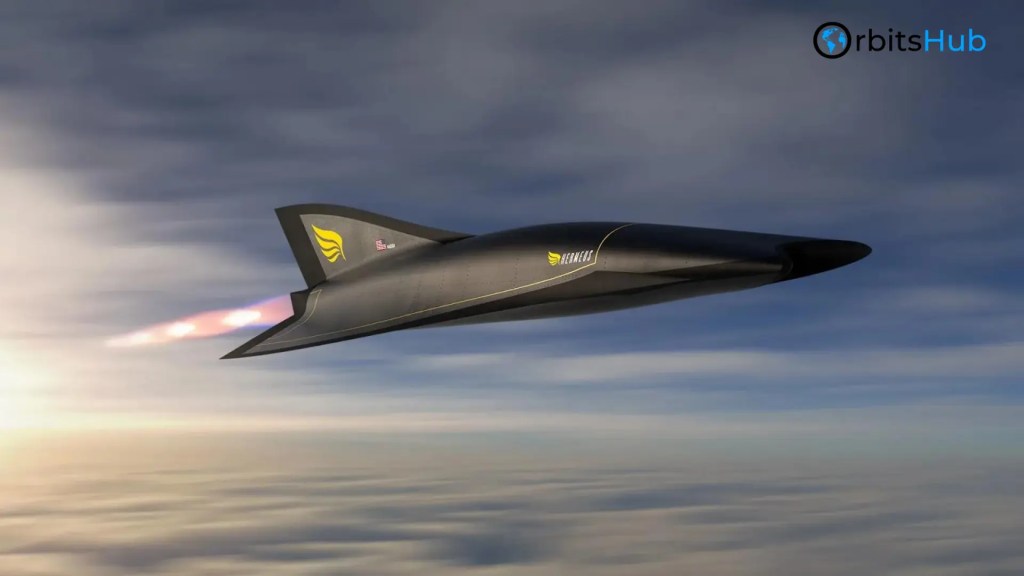
The speed of sound, or Mach 1, is around 1234 kilometers per hour (767 mph) at sea level. Hypersonic flight is when an aircraft flies at speeds above March 5. Traditional jet engines don’t work at these speeds either, so NASA developed the X-43.
The X-43: A Pioneer in Hypersonic Flight
NASA’s X-43 was an experimental aircraft developed in the late 1990s as part of the Hyper-X program aimed to explore hypersonic flight. The X-43 wasn’t just one plane—it was a series of planes, each testing different aspects of flying at these extreme speeds.
The X-43 used a particular engine called a scramjet. Unlike regular jet engines that carry oxygen for burning fuel, scramjets take oxygen from the air. This makes scramjets lighter and more efficient at high speeds, making them ideal for missions requiring extreme speed.
The X-43’s Record-Breaking Flights
The X-43 aircraft program had three major test flights between 2001 and 2004, each testing different versions of the aircraft:
- June 2001: The first flight tested the basic design and scramjet engine. The X-43A reached a speed of Mach 7, or seven times the speed of sound.
- March 2004: The second flight was successful, with the X-43A reaching Mach 9.6, making it the fastest jet-powered aircraft ever.
- November 2004: The final flight focused on improving the scramjet engine, reaching Mach 9.68 and providing essential data for future projects.
The X-43 wasn’t meant to be a passenger plane but rather a way to learn more about hypersonic technology and help create future hypersonic vehicles.
The Future of Hypersonic Flight
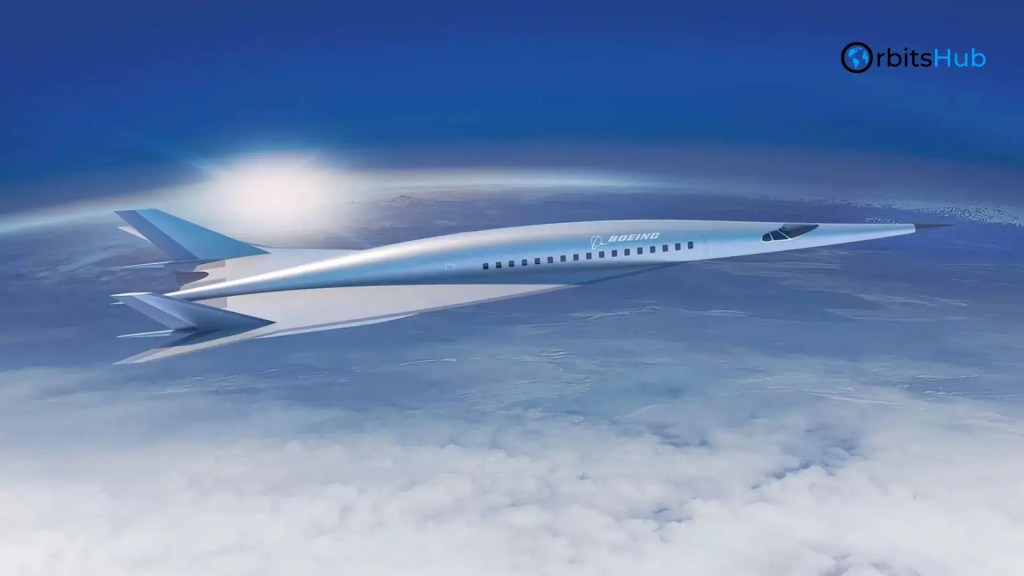
Hypersonic flight has the potential to revolutionize both everyday travel and military operations. Here are some exciting possibilities:
- Faster Passenger Travel: Imagine flying from London to New York in a few hours. Hypersonic jets could make this possible.
- Quicker Cargo Delivery: High-speed cargo planes could make global deliveries much faster.
- Military Transport: Hypersonic military planes could quickly deliver people and supplies anywhere.
But there are still challenges, like handling the intense heat at these speeds, reducing noise from sonic booms, and developing reliable scramjet engines.
Challenges of Hypersonic Flight
Before hypersonic flight can become familiar, several challenges need to be addressed:
- Heat Management: Flying at these speeds generates a lot of heat, which can damage the aircraft.
- Scramjet Development: Building and operating scramjets is complicated, especially at different altitudes.
- Sonic Boom Reduction: Hypersonic flight creates loud sonic booms, which can be disruptive. Finding ways to reduce this noise is crucial.
The Next Generation of Hypersonic Vehicles
The future of hypersonic flight looks promising, with ongoing research into new vehicles:
- Hypersonic Passenger Planes: New designs could allow passengers to fly at hypersonic speeds.
- Space Access: Hypersonic scramjets could help launch rockets into space more efficiently.
- Military Uses: Hypersonic technology could be used for fast drones and missiles, which raises important questions about safety and control.
Understanding Hypersonic Aerodynamics
Flying at hypersonic speeds is very different from regular flying. Some challenges include:
- Air Flow: At these speeds, the way air moves around the plane changes significantly, affecting stability.
- Heat: The friction from the air creates a lot of heat, so unique materials and cooling systems are needed.
- Pressure: Flying this fast increases pressure on the plane, so it needs to be strong.
- Drag: Reducing drag is essential for efficiency, so hypersonic planes are designed to be very streamlined.
Innovations in Scramjet Technology
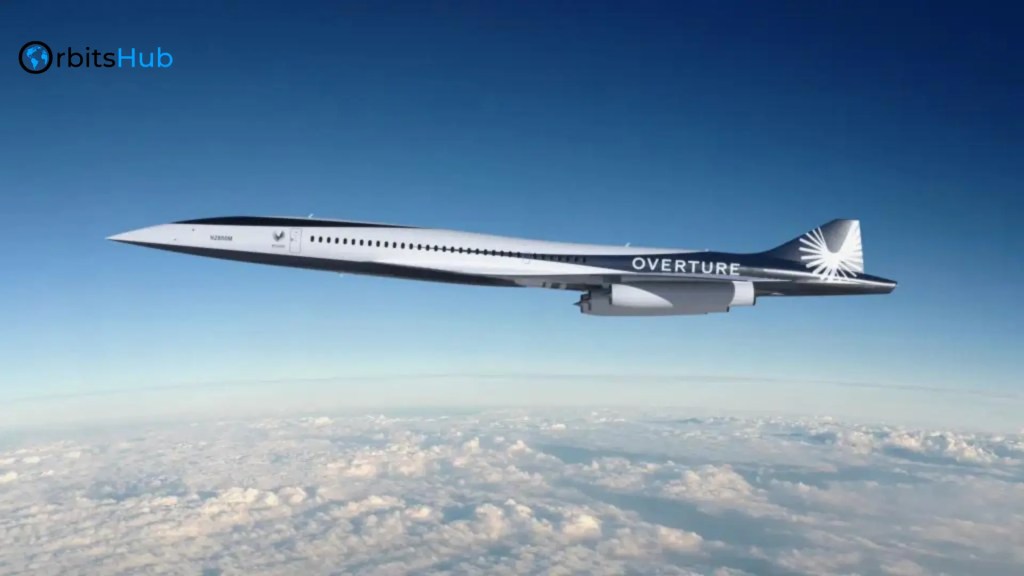
Scramjets represent a significant step forward in hypersonic flight. Unlike rockets, scramjets use air from the atmosphere for fuel. This allows them to maintain high speeds more efficiently. However, integrating scramjets into planes is tricky, especially when managing heat and ensuring durability.
Milestones in Hypersonic Research
The X-43 program achieved several significant milestones:
- Mach 7 Flight (June 2001): The first flight reached Mach 7, proving that the scramjet design worked.
- Mach 9.6 Record (March 2004): The second flight set a world record, flying nearly ten times the speed of sound.
- Final Flight (November 2004): The last flight improved the scramjet engine, reaching Mach 9.68 and providing valuable data.
These milestones helped pave the way for future advancements in hypersonic technology.
Implications of Hypersonic Travel
Hypersonic travel could transform global transportation:
- Passenger Flights: Hypersonic jets could make international flights much faster.
- Cargo Delivery: High-speed planes could improve global supply chains, reducing delivery times.
- Emergency Response: Hypersonic planes could quickly deliver supplies and help to disaster areas.
- Economic Impact: Faster travel could boost business and tourism, leading to economic growth.
Environmental Impact of Hypersonic Flight

Hypersonic flight also brings environmental challenges:
- Sonic Booms: These planes produce loud sonic booms, which could disturb people on the ground.
- Noise Pollution: Reducing noise is essential for making hypersonic flight practical.
- Regulations: New technologies are needed to meet environmental laws and minimize the impact of hypersonic flight.
Hypersonic Aircraft Design: Balancing Speed, Safety, and Efficiency
Designing hypersonic planes involves balancing speed with safety, efficiency, and durability:
- Aerodynamics: Streamlined designs reduce drag and improve fuel efficiency.
- Thermal Protection: Special materials and cooling systems are needed to manage heat.
- Structural Strength: Hypersonic planes must be strong to handle pressure and forces.
- Control Systems: Precise controls are necessary for safe and stable flying.
- Pilot Safety: It’s important to address safety and provide life support for piloted hypersonic planes.
The Global Race for Hypersonic Technology
Countries around the world are competing to develop hypersonic technology:
- United States: NASA and the Department of Defense are leading efforts to develop hypersonic planes.
- China: China has significantly advanced hypersonic technology, especially with planes and missiles.
- Russia: Russia is focusing on hypersonic missiles and other potential uses.
- International Partnerships: Countries are working together to speed up hypersonic research.
- Technological Milestones: Each country is progressing with successful tests and innovations in scramjet technology.
Humans are always curious about pushing the limits of flight. NASA’s X-43 program is a perfect example of this curiosity driving innovation. While hypersonic travel may still be in the future, the X-43 has laid the foundation for a new era of speed.