Bulk carrier ship are the unsung heroes of the shipping industry. These massive vessels are pivotal in global trade, transporting large goods across oceans and connecting producers and consumers worldwide. From the raw materials that power industries to the grains that feed populations, bulk carrier ship are the backbone of the modern economy. In this article, we will explore the world of bulk carrier ship, their impact on the shipping industry, and the complexities involved in their operation.

Understanding Bulk Carrier Ship
Bulk carrier ships are specifically designed to transport bulk cargo, which refers to goods shipped in large quantities without individual packaging. Unlike other cargo ships that carry containers or general cargo, bulk carrier ships transport homogeneous materials such as minerals, grains, and coal. These materials are loaded directly into the ship’s hold, allowing efficient and cost-effective transportation.
Types of Bulk Carrier Ships
Bulk carrier ships come in various types, each designed to cater to specific cargo requirements. Some common types of bulk carrier ships include:
- Handysize: These are the most miniature bulk carrier ships, typically ranging from 10,000 to 35,000 deadweight tons (DWT). Handysized vessels are versatile and can navigate shallow ports and rivers, making them suitable for more minor cargoes and restricted routes.
- Handymax: Handymax bulk carrier have a capacity ranging from 35,000 to 60,000 DWT. They are larger than Handysize vessels and can transport many bulk cargoes, including minerals, grains, and coal.
- Panamax: Named after the maximum size limits for ships passing through the Panama Canal, Panamax bulk carrier have a capacity between 60,000 and 80,000 DWT. These vessels are designed to maximize their cargo capacity while still being able to traverse the Panama Canal.
- Capesize: Capesize bulk carrier the largest vessels in this category, with a capacity exceeding 100,000 DWT. These ships are primarily used for transporting bulk cargo such as iron ore and coal and are too large to pass through the Panama Canal or other narrow waterways.
Operations and Features
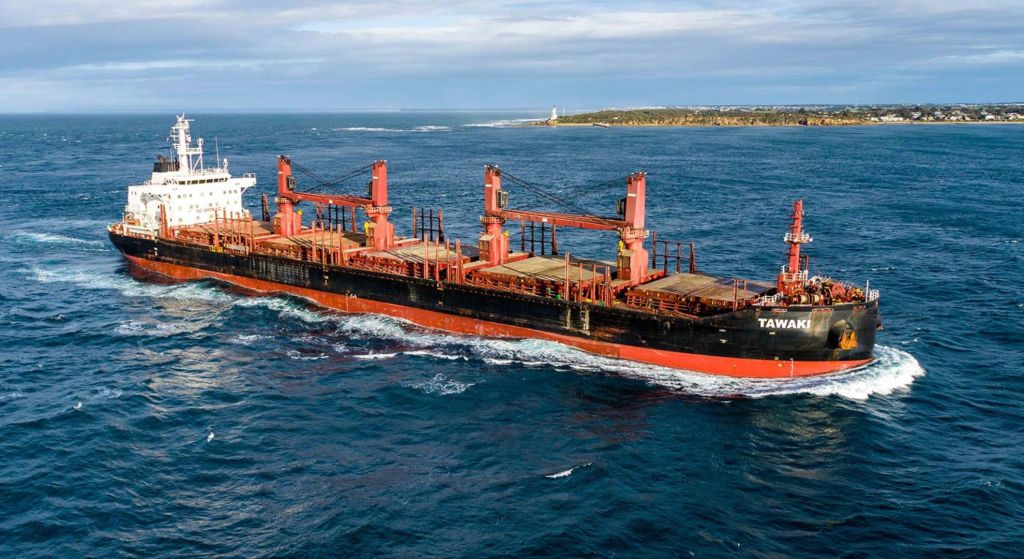
Ship Bulk carrier are specifically design to handle the unique challenges of transporting bulk cargo. They have various features and systems to ensure safe and efficient operations.
- Cargo Holds: The cargo holds of bulk carrier are design to accommodate the specific cargo being transport. They may have dedicated compartments or tanks to separate different types of freight, preventing contamination or mixing.
- Loading and Unloading Systems: Bulk carrier use conveyor belts, cranes, and grabs to load and unload cargo. These systems are design to handle the bulk nature of the cargo and ensure efficient transfer between the ship and the shore.
- Ballast Tanks: Bulk carrier have ballast tanks that can be fill with water to provide stability during transit. These tanks can be emptied or seal to maintain the ship’s balance, especially when loading or unloading cargo.
- Safety Systems: Bulk carrier have various safety systems to protect the crew, cargo, and the environment. These include fire detection and suppression systems, emergency response equipment, and navigational aids.
Navigational Challenges and Safety Protocols
- Weather Routing and Navigation: Discuss the challenges of navigating bulk carrier ships through different weather conditions and the importance of weather routing services.
- Collision Avoidance Systems: Explore the advanced technologies and safety protocols implemented on bulk carrier ships to prevent collisions and ensure safe navigation in congested waterways.
Cargo Handling Innovations and Efficiency
- Automated Cargo Management: Explain how automation and digitalization are revolutionizing cargo handling processes on bulk carrier ships, leading to increased efficiency and reduced operational costs.
- Cargo Securing Techniques: Discuss the various methods and technologies used to secure bulk cargo during transportation properly, ensuring stability and minimizing cargo shifting or damage risk.
The Impact of Bulk Carrier Ships on the Shipping Industry
Bulk carrier ships profoundly impact the shipping industry and global trade. Their role extends beyond the transportation of goods and encompasses economic, environmental, and logistical aspects.
Bulk carrier ships play a pivotal role in facilitating the efficient movement of large quantities of raw materials, such as coal, iron ore, and grains, across international waters. Their sheer capacity to carry massive loads contributes significantly to the economies of various nations by ensuring a steady supply of essential commodities. However, the environmental impact of these vessels is a growing concern, as their emissions and potential oil spills pose risks to marine ecosystems. Additionally, the logistical efficiency of bulk carriers influences supply chain dynamics, affecting production timelines and global market trends.
Economic Significance
Bulk carrier facilitate the movement of essential commodities across continents, supporting industries and economies worldwide. Bulk cargo transportation is crucial for producing and distributing raw materials, such as iron ore for steel production, coal for energy generation, and grains for food security. With the efficient operation of bulk carrier, global supply chains would be maintain, leading to higher costs and reduce availability of these vital resources.
Environmental Considerations
Bulk carrier ships and the shipping sector harm the environment. Efforts are underway to reduce these consequences and promote sustainable shipping. Important environmental factors include:
- Emissions: Bulk carrier contribute to greenhouse gas emissions, primarily by burning fossil fuels. Efforts are being made to reduce these emissions by using cleaner fuels, improving engine efficiency, and adopting alternative propulsion systems.
- Ballast Water Management: Ballast water, used to maintain stability during transit, can introduce non-native species into new environments, causing ecological disruptions. Strict regulations are in place to ensure the proper treatment and management of ballast water to minimize these risks.
- Waste Management: Bulk carrier make different kinds of waste, such as garbage, solid waste, and oily bilge water. To have the least possible effect on the earth, recycling, treating, and getting rid of trash correctly is essential.

Logistical Efficiency
Bulk carrier ships offer logistical advantages in the transportation of bulk cargo. Their large cargo capacity allows for the efficient movement of large quantities of goods, reducing the number of trips required. This lowers costs and makes the supply chain more efficient, which is good for businesses, customers, and the economy as a whole.
The Challenges of Operating Bulk Carrier Ships
Operating bulk carrier comes with its own set of challenges. These challenges range from technical and operational complexities to regulatory compliance and safety considerations. Addressing these challenges is essential for ships’ safe and efficient operation.
Factors like weather conditions, navigation in congested waterways, and maintaining communication with shore-based support teams add complexity. Additionally, ensuring crew welfare and effective emergency response procedures are integral to mitigating risks associated with operating bulk carriers.
Technical and Operational Challenges
Bulk carrier ships face several technical and operational challenges, including:
- Cargo Handling: For safe and effective operations, loading and unloading bulk goods needs special tools and methods. Improper cargo handling can lead to damage, loss, or contamination, affecting both the cargo and the ship’s stability.
- Stability and Trim: Bulk carrier must maintain proper stability and trim throughout the voyage. Improper weight distribution or incorrect ballasting can lead to instability, affecting the ship’s manoeuvrability and potentially causing accidents.
- Weather and Sea Conditions: Bulk carrier are expose to various weather and sea conditions during their voyages. Rough seas, storms, and adverse weather can pose challenges and require the crew to navigate safely while minimizing cargo and structural damage.
Regulatory Compliance and Safety Considerations
Bulk carrier ships must comply with various international regulations and safety standards. These include:
- International Maritime Organization (IMO) Regulations: The IMO sets international standards for ships’ safety and environmental performance. Bulk carrier must adhere to these regulations, which cover areas such as ship construction, stability, fire safety, and pollution prevention.
- Port State Control: Port State Control authorities inspect ships to ensure compliance with international regulations and safety standards. Non-compliance can lead to penalties, detention, or even prohibiting entry into specific ports.
- Safety Management Systems: Bulk carrier must have safety management systems to identify and manage potential risks. The safety of the boat, crew, and cargo is ensure by these systems, which include protocols, training, and regular inspections.

Innovations and Future Trends
The shipping industry, including bulk carrier, is evolving to address emerging challenges and embrace new technologies. Innovations and future trends in bulk carrier focus on improving efficiency, reducing environmental impact, and enhancing safety.
Technology Advancements
Technological advances are driving improvements in the design and operation of bulk carrier. Some key technology advancements include:
- Energy Efficiency: Bulk carrier use technologies like hull coatings, air lubrication systems, and improved propulsion systems to become more energy efficient. This means they use less fuel and put out less pollution.
- Automation and Digitalization: Automation and digitalization transform various aspects of ship operations, including navigation, cargo handling, and maintenance. These technologies enhance efficiency, reduce human error, and enable remote monitoring and control of ship systems.
- Alternative Fuels: To reduce greenhouse gas pollution, the shipping industry looks into other fuels, like hydrogen and liquefied natural gas (LNG). Ships are being design or retrofit to accommodate these fuels, promoting a transition to cleaner energy sources.
Environmental Sustainability
Sustainability is a crucial focus for the shipping industry, including bulk carrier. Efforts to promote environmental sustainability include:
- Green Shipping Initiatives: Various organizations and industry stakeholders collaborate to promote green shipping initiatives. These initiatives aim to reduce emissions, improve waste management, and enhance environmental stewardship throughout the shipping industry.
- Renewable Energy: These ships are considering adding sustainable energy sources, like solar and wind power, to their central propulsion systems. These technologies can reduce fuel consumption and emissions, especially during favourable weather conditions.
- Eco-friendly Design: Ships have eco-friendly features, such as optimized hull shapes, energy-efficient systems, and waste treatment facilities. These design elements minimize the environmental impact and improve the overall sustainability of the vessels.
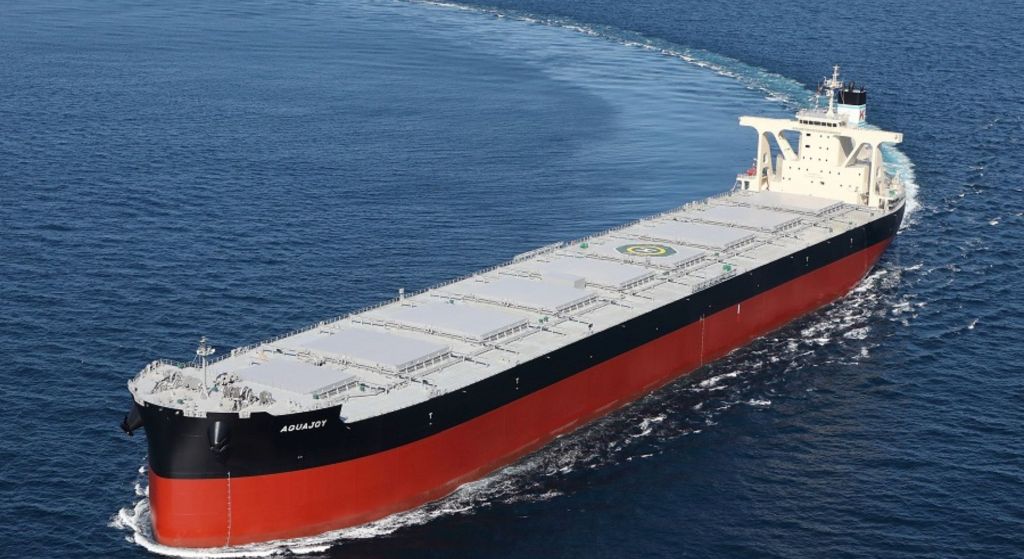
Bulk carrier ship is crucial in the shipping industry and global trade. They enable efficient bulk cargo transportation, supporting industries, economies, and people’s daily lives worldwide. Operating ships comes with challenges, ranging from technical and operational complexities to regulatory compliance and safety considerations. However, the industry continually evolves, embracing new technologies and sustainable practices to enhance efficiency, reduce environmental impact, and ensure ships’ safe and reliable operation.