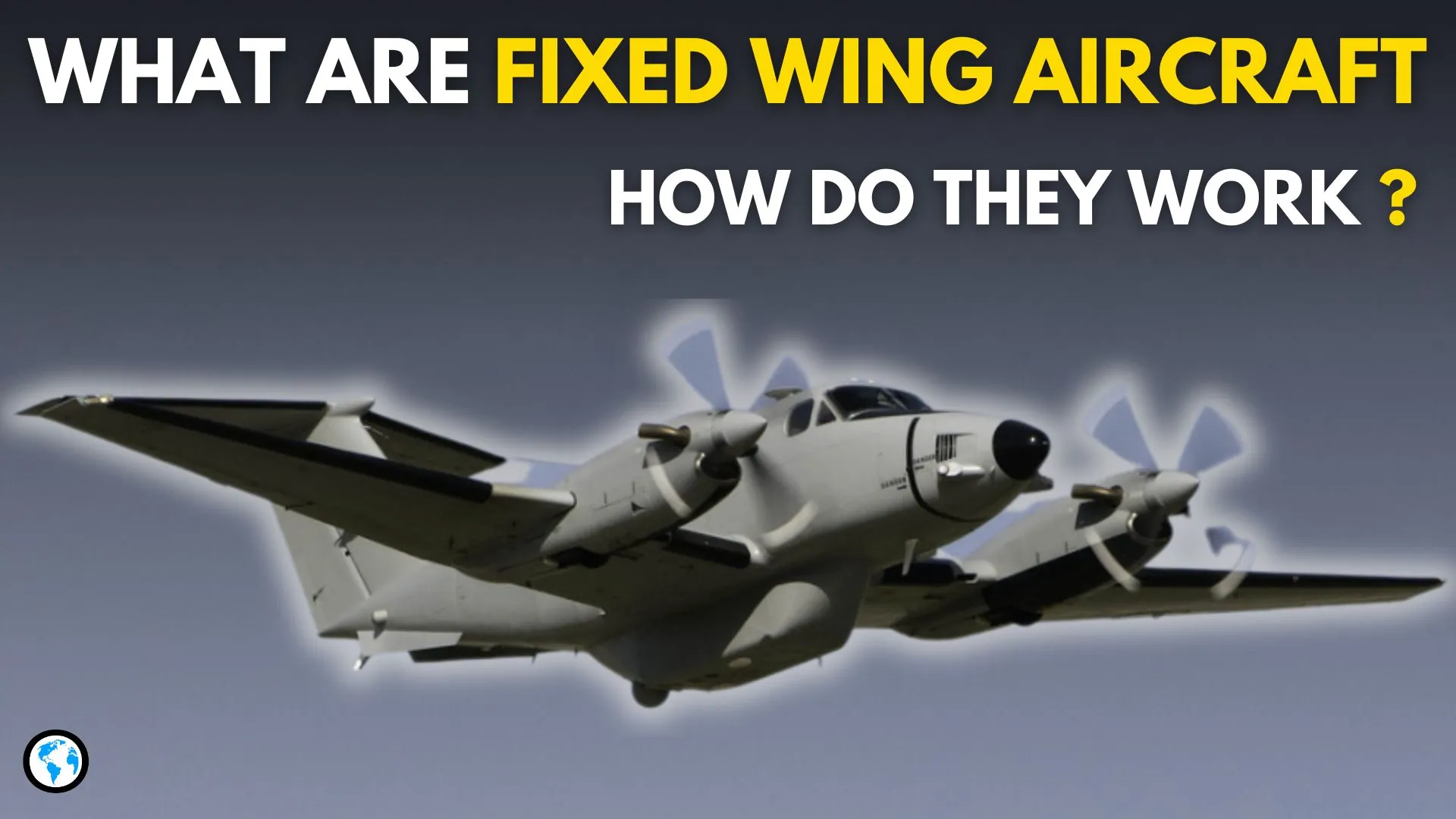
Imagine you’re a bird soaring high above the clouds!
Have you ever gazed up into the sky, marvelling as a sleek aeroplane cuts through the clouds? It might seem like magic, but the marvel of engineering and physics keeps these giants aloft. Today, let’s take an enchanting flight through the world of fixed-wing aircraft—from gliders that glide silently to kites dancing in the wind and the mighty aeroplanes themselves.
How Do Planes Fly?
The magic begins with a concept called “lift.” The wings of an aircraft are designed to be unique; they’re shaped in a way that air moves faster over the top than below. This speed difference creates lower pressure above the wing and higher pressure below, lifting the plane into the air. This principle is why a giant metal machine can float in the sky as if it were as light as a feather!
Making Planes Dance in the Sky

But how do these planes manoeuvre through the sky so gracefully? That’s where the control surfaces come into play:
Ailerons
These small panels on the wings tilt the plane left or right, helping it roll side to side.
Elevator
Located on the tail, this panel lets the plane’s nose look up or down, controlling the pitch.
Rudder
This vertical panel on the tail swings the plane left or right, steering it through the air.
By adjusting these surfaces, pilots can weave the aircraft through the sky, climbing, descending, and turning with precision.
Exploring the Types of Fixed-Wing Aircraft
The sky hosts a fascinating array of aircraft, each tailored for specific adventures:
- Aeroplanes are the powerhouses of the sky, ranging from tiny single-engine crafts for short hops to colossal jumbo jets that span continents. They’re powered by propellers or jet engines.
- Gliders: These engine-less wonders use thermal currents to stay airborne, offering a silent and serene flight experience.
- Ultralights: Compact and lightweight, these aircraft are perfect for personal recreation, offering a closer touch to the skies at a more affordable cost.
- Seaplanes: Equipped with floats instead of wheels, these planes can take off and land on water, making them ideal for adventures in remote waterways.
- Business Jets: The luxury cars of the sky, these planes provide speed, comfort, and amenities for high-flying executives and celebrities.
Diverse Landscape of Fixed Wing Aircraft
The world of fixed-wing aircraft is vast and diverse, catering to various purposes. Let’s explore some of the most common types:
- Aeroplanes are powered fixed-wing aircraft that use propeller or jet engines for propulsion. They come in various sizes, from small single-engine Cessnas used for recreational flying to massive Airbus A380s carrying hundreds of passengers across continents.
- Gliders are unpowered fixed-wing aircraft that rely on rising air currents for lift. They are known for their silent flight and provide a thrilling experience for those seeking a connection with the elements.
- Ultralights are a lightweight category of aircraft known for their simplicity and affordability. They often have a single engine and can carry one or two people.
- Seaplanes are fixed-wing aircraft equipped with floats that allow them to take off and land on water. They are valuable for accessing remote locations or landing on lakes and rivers.
The Future Is Here: Innovations in Flight
The horizon of aviation brims with innovations. Engineers craft planes with electric propulsion systems that promise quieter, cleaner flights. Autonomous flying technology is being developed to make flights safer and more efficient. Imagine planes that pilot themselves with such precision that flying becomes even safer than driving!
Why Planes Matter So Much

Fixed-wing aircraft do much more than ferry passengers from one point to another:
- Transportation: They shrink our vast world, making it possible to have breakfast in New York and dinner in London. Cargo planes are essential links in global trade, swiftly delivering goods across the globe.
- Emergency Services: In crises, fixed-wing aircraft are lifesavers, rushing aid to disaster-struck areas and evacuating the injured.
- National Security: Military forces rely on aircraft for defence, surveillance, and tactical operations, keeping nations safe.
- Research and Discovery: High-altitude and specially equipped planes probe the mysteries of our atmosphere and beyond, helping us understand our planet better.
FAQs About Fixed-Wing Aircraft
- What is lift in aviation?
Lift is the force that pushes a plane upwards, overcoming gravity. It’s generated by the unique shape of the aeroplane’s wings and how air moves faster over the top of the wing than below it.
- Can all fixed-wing aircraft fly long distances?
No, the range varies by aircraft type. While business jets and large aeroplanes can fly thousands of miles, ultralights and gliders are designed for shorter trips.
- Are seaplanes used only for recreational purposes?
Seaplanes are versatile; they’re used for recreation, tourism, and in areas where other aircraft types can’t easily land or take off.
- What are the benefits of glider flights?
Gliders offer a quiet and eco-friendly way to fly, relying on wind currents instead of fuel, making them popular for sport and recreation.
- How are aeroplanes becoming more environmentally friendly? Advancements in technology are leading to more fuel-efficient engines, electric propulsion systems, and designs that reduce noise and emissions.