History and Development

The origins of the fluke anchor can be traced back to ancient civilizations, where rudimentary designs were employed to secure boats and ships. Over the centuries, the design of the fluke anchor underwent a remarkable evolution, driven by the need for greater holding power and reliability. New materials and building methods have made it possible for modern fluke anchors to be made that can withstand the roughest marine settings.
Design and Features
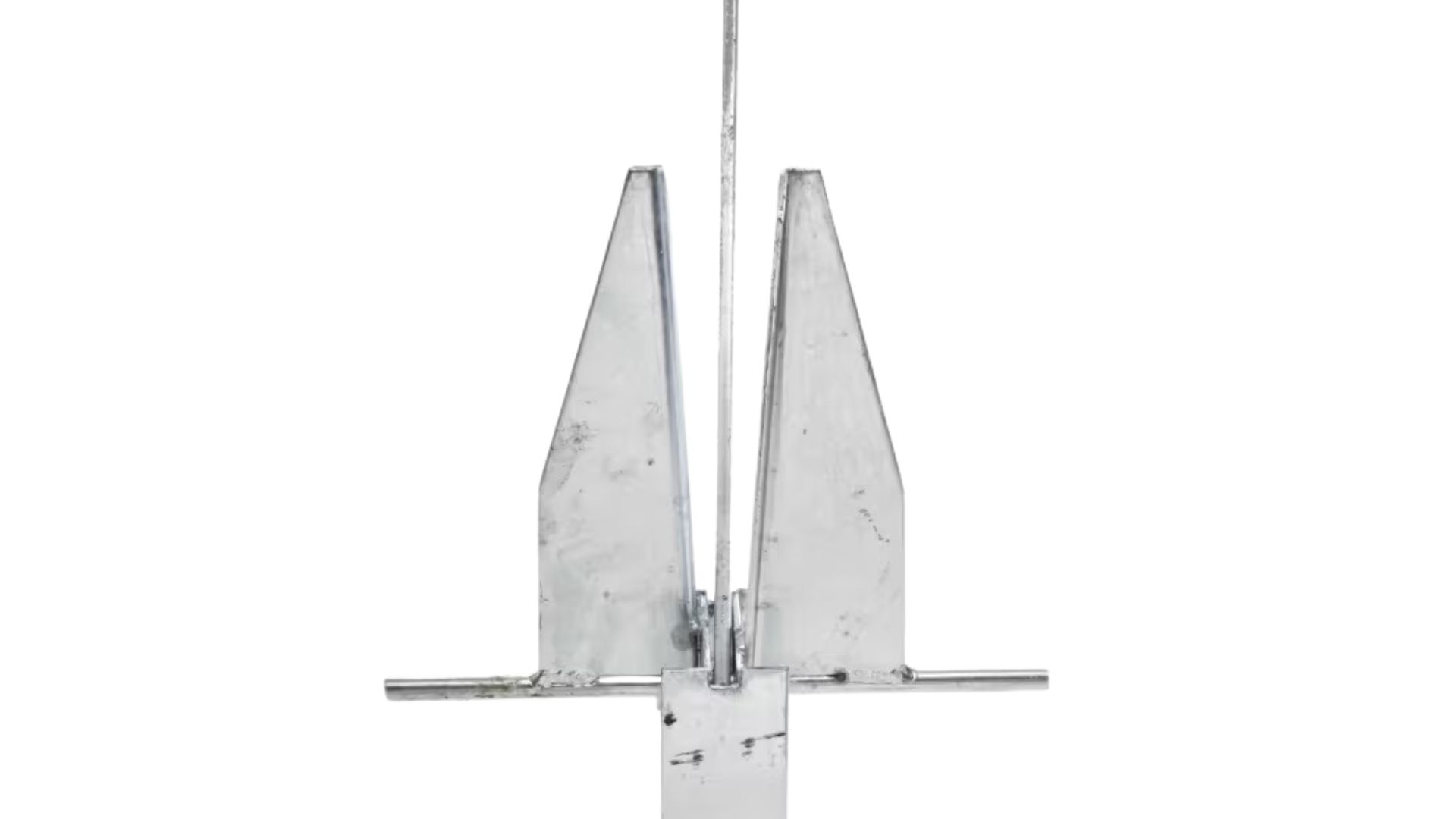
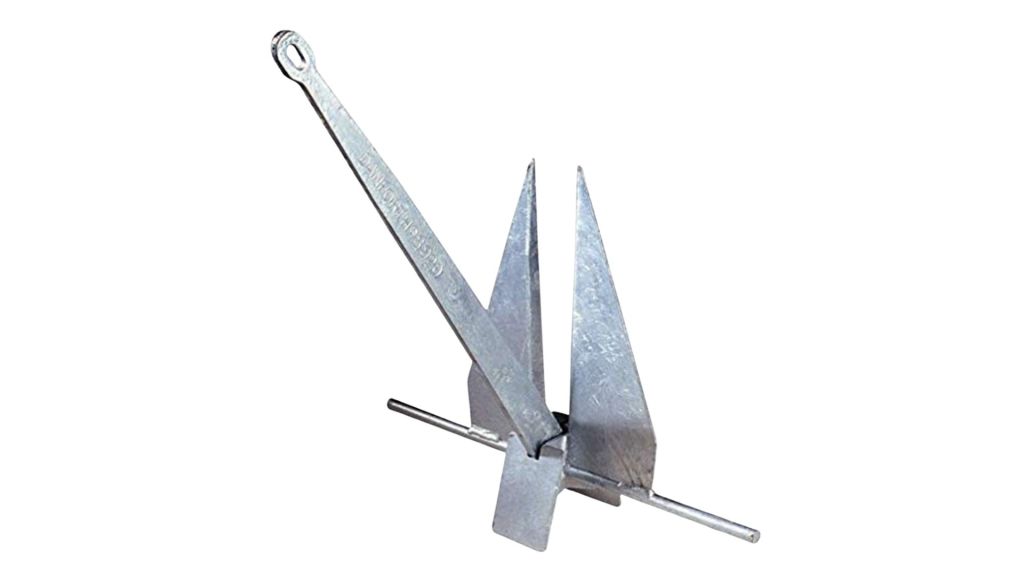
At its core, a fluke anchor consists of a shank, crown, and two hinged flukes. The shank is the long, central shaft of the anchor, while the crown is the point where the shank hinges on the stock. The flukes are the flat, triangular blades that dig into the seabed, providing the anchor with its holding power. The fluke anchor’s special shape lets it straighten itself and dig deep into the bottom, which makes it a good choice for many anchoring situations.
Types of Fluke Anchors
Fluke anchors come in a variety of models, each tailored to specific applications. Some popular types include the Danforth anchor, the Fortress anchor, and the Lewmar LFX anchor. Each model has its own set of advantages and disadvantages, making it crucial to choose the right anchor for the specific vessel and anchoring conditions. For example, the Danforth anchor is known for its excellent holding power in sand and mud, while the Fortress anchor is a versatile choice for a variety of seabed types.
How Fluke Anchors Work
The mechanics of fluke anchoring are relatively simple yet remarkably effective. When a fluke anchor is deployed, it descends through the water column until it reaches the seabed. The hinged flukes then dig into the seabed, creating a secure hold. As the vessel pulls on the anchor rode, the flukes dig deeper, increasing the anchor’s holding power. The angle of the flukes can be adjusted to suit different seabed types, ensuring optimal performance in various conditions.
Material and Construction
Fluke anchors are typically manufactured from high-quality materials such as galvanized steel, stainless steel, or aluminum. These materials were picked because they last a long time, don’t rust, and can handle the harsh marine climate. The construction of a fluke anchor is critical to its performance and longevity. A well-constructed anchor will be able to withstand the stresses and strains of anchoring, ensuring a secure and reliable hold.
Installation Techniques
The installation of a fluke anchor involves several steps, including selecting the appropriate anchor size, attaching the anchor rode, and deploying the anchor. To make sure a safe and reliable hold, it is important to follow the manufacturer’s directions and best practices. Proper installation techniques can significantly improve the performance of a fluke anchor, reducing the risk of dragging or dislodging.
Common Uses and Applications
Fluke anchors are used in a wide range of maritime sectors, including recreational boating, commercial fishing, and offshore operations. They are particularly effective in sandy or muddy seabeds, where their sharp flukes can easily penetrate the loose sediment. In recreational boating, fluke anchors are commonly used for anchoring overnight, fishing, or simply relaxing at a secluded cove. In commercial fishing, fluke anchors are used to secure fishing vessels while they are working their nets or lines. In offshore operations, fluke anchors are used to secure platforms, rigs, and other structures.
Maintenance and Care
A fluke anchor needs to be serviced regularly to make sure it lasts and works well. Part of this is checking it often for signs of wear and tear, cleaning it to get rid of marine growth, and putting grease on the moving parts. Most problems, like bent flukes or broken shanks, can be fixed, but they need to be taken care of right away so the anchor doesn’t lose its effectiveness.
Choosing the Right Fluke Anchor
For safe and effective anchoring, it’s important to choose the right fluke anchor. The type of bottom, the size and weight of the vessel, and the current weather are all things to think about. It is always advisable to consult with a marine expert or refer to the manufacturer’s recommendations to ensure that the chosen anchor is appropriate for the intended use.
The fluke anchor is a versatile and indispensable tool that plays a critical role in maritime activities. It is used a lot in many maritime areas because of its unique design and ability to provide a secure hold in tough circumstances. By understanding the history, design, and functionality of fluke anchors, mariners can make informed decisions when choosing and using these essential tools. Whether it’s for recreational boating, commercial fishing, or offshore operations, the fluke anchor continues to be a reliable and trusted companion for those who venture out to sea.