The roar of the engines, the sleek design, and the promise of supersonic speeds – the Concorde aircraft was a marvel of engineering that captured the world’s imagination. It wasn’t just an aeroplane; it was a symbol of human ambition and a glimpse into the future of travel. Although now retired, the Concorde’s legacy inspires and influences aviation today.
A Supersonic Dream Takes Flight
The story of the Concorde begins in the 1950s. The United Kingdom and France were eager to develop a supersonic passenger airliner during this era. Recognizing the potential benefits of collaboration, the two countries joined forces in 1962 to create the Concorde project.
The development of the Concorde was a complex and challenging undertaking. Engineers had to overcome numerous technical hurdles, including designing an airframe that could withstand the immense heat generated by supersonic flight and developing engines powerful enough to propel the aircraft at speeds exceeding the sound barrier.
The Concorde’s Technological Legacy
This section explores in further detail the precise technical innovations made possible by the Concorde that have an ongoing impact on contemporary aviation. Topics include:
- The development of supersonic engines.
- Advancements in materials science for withstanding high temperatures and pressures.
- Innovations in aerodynamic design that optimize subsonic and supersonic speeds.
Challenges and Innovations in Future Supersonic Aircraft
Here, you can discuss the ongoing efforts by various companies and researchers to overcome the challenges faced by the Concorde and develop a new generation of supersonic aircraft. This could cover advancements in reducing sonic booms, improving fuel efficiency through new propulsion systems, exploring sustainable aviation fuels for reduced environmental impact, and the regulatory considerations for reintroducing supersonic travel on a larger scale.
Concorde Aircraft: A Technological Marvel
After years of meticulous planning and construction, the first Concorde prototype took to the skies in 1969. The aircraft’s design was unlike anything seen before. Its distinctive features included:
- Delta wing: This unique wing shape provided excellent aerodynamic performance at subsonic and supersonic speeds.
- Droop nose: During takeoff and landing, the nose cone would droop downwards, allowing pilots better runway visibility.
- Four powerful engines: The Rolls-Royce/Snecma Olympus engines were specifically designed for the Concorde, enabling it to reach cruising speeds of Mach 2.04 (roughly twice the speed of sound).
A Glimpse into the Future of Travel
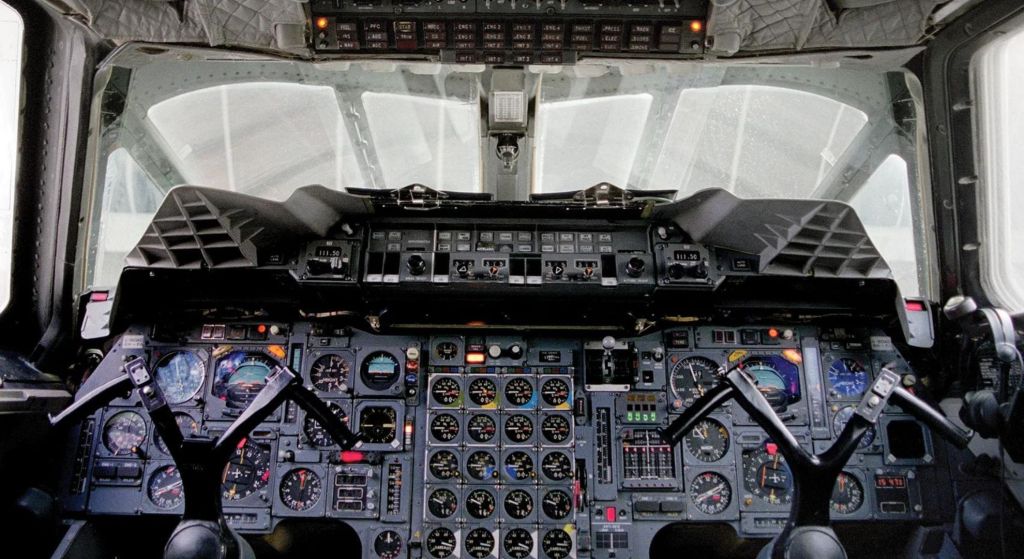
The Concorde began carrying paying customers in 1976, providing them with an experience like no other. It was a huge step forward when planes could traverse the Atlantic in over three hours instead of the customary seven or eight. Flying on the Concorde was a luxurious affair reserved for the elite. The spacious cabins, personalized service, and the thrill of supersonic travel made it a status symbol for celebrities and business tycoons.
The Concorde’s Enduring Legacy
Despite its technological advancements and undeniable allure, the Concorde’s future was cut short. Several factors, including excessive operating expenses, environmental concerns, and a catastrophic accident in 2000, led to the plane’s retirement in 2003. However, the Concorde’s legacy inspires aviation enthusiasts and engineers worldwide. The technological advancements pioneered during its development paved the way for future generations of aircraft.
The Challenges of Supersonic Flight
While the Concorde represented a significant achievement in engineering, supersonic flight comes with its own set of challenges:
- Sonic Boom: When an aircraft surpasses the speed of sound, it creates a loud sonic boom that can be disruptive and even damage property on the ground. This posed a significant limitation for the Concorde, restricting its flight paths over populated areas.
- Fuel Efficiency: Supersonic flights require significantly more fuel than subsonic flights, making them expensive for airlines. This was a significant factor contributing to the Concorde’s high operating costs.
- Environmental Impact: The increased fuel consumption of supersonic aircraft also leads to higher emissions levels, raising concerns about their environmental impact.
As they strive to create a new generation of supersonic aircraft, scientists and engineers are still tackling these problems.
The Future of Supersonic Travel

Despite the challenges, the dream of supersonic travel hasn’t faded away. Several companies are currently developing new supersonic aircraft, aiming to overcome the limitations faced by the Concorde. These new designs aim to:
- Reduce sonic boom: Through advancements in aerodynamics and engine technology, the goal is to mitigate or even eliminate the sonic boom, potentially paving the way for supersonic flight over land.
- Improve fuel efficiency: Utilizing advanced materials and engine technology, they aim to achieve greater fuel efficiency, making supersonic travel more commercially viable.
- Minimize environmental impact: Utilizing sustainable fuels and exploring quieter engine technologies are crucial aspects of future supersonic aircraft development.
While there is still some way to go, these advancements promise a future where supersonic travel becomes a more accessible and sustainable reality.
Speeding Through the Stratosphere: The Supersonic Experience
Flying aboard the Concorde wasn’t just a means of transportation; it was an experience like no other. As they sped into the stratosphere at twice the speed of sound, passengers could see the Earth’s curvature and the sky’s deep blue from their windows. This section delves into what made the Concorde flight experience truly unforgettable.
The Rise and Fall of an Icon: The Operational History of the Concorde
From its inaugural flight in 1969 to its retirement in 2003, the Concorde had a storied operational history. Its technical accomplishments and dedicated fan base needed more to save its downfall due to high operating expenses, restricted routes, and a tragedy in 2000. This section traces the ups and downs of the Concorde’s journey through the skies.
FAQ’s
1. What is the Concorde aircraft?
The Concorde aircraft was a supersonic passenger airliner from 1976 to 2003. It was renowned for its ability to travel at speeds twice the speed of sound, revolutionizing air travel.
2. Which countries were involved in the development of Concorde?
The Concorde project was a joint venture between France and the United Kingdom. French company Aérospatiale and British Aircraft Corporation collaborated on its design and development.
The Concorde aircraft may no longer grace the skies, but its impact on the world of aviation is undeniable. It is a testament to human ingenuity and the relentless pursuit of innovation. As we continue to explore the possibilities of air travel, the lessons learned from the Concorde’s journey will continue to guide the way.
Explore Orbitshub.com, a leading maritime and aviation consultancy services company dedicated to providing innovative solutions to the industry’s most pressing challenges.