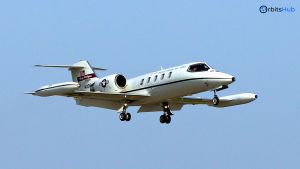
The internal combustion engine that powers your car may seem complex, but it’s a walk in the park compared to the marvels of aeronautical engineering that propel us through the skies. Aircraft engines have undergone a fascinating transformation throughout history, constantly pushing the boundaries of speed, efficiency, and power. In this blog, we’ll journey through the evolution of aircraft engine types, from the humble piston engine to the mighty jet engine.
The Workhorse: Piston Engines
The pioneers of flight relied on the trusty piston engine, the same technology that powers cars and motorcycles. These internal combustion engines work by burning fuel and air in cylinders, creating a force that drives pistons up and down. This reciprocating motion is converted into a rotating force that spins a propeller, thrusting the aircraft forward.
Piston engines dominated the early days of aviation, powering iconic aircraft like the Wright Flyer and the Douglas DC-3. They were reliable, relatively simple to maintain, and fuel-efficient for shorter flights. However, they also had limitations. Due to the thinner air, piston engines became less potent at higher altitudes, restricting their cruising range and speed.
Subcategories of Piston Engines

There are several configurations of piston engines used in aviation, each with its advantages and disadvantages:
- In-line engines have cylinders arranged in a straight line along the crankshaft. They are compact and lightweight but can vibrate more.
- Radial engines have cylinders arranged in a star-like pattern around the crankshaft. They are powerful and provide smooth operation but are larger and more complex.
- Opposed engines have cylinders arranged horizontally on either side of the crankshaft. They offer good balance and are prevalent in smaller aircraft.
The Jet Age: The Rise of Turbine Engines
In the mid-20th century, they ushered in a revolutionary change in aviation – the jet engine. Unlike piston engines, jet engines are turbine engines. Here’s the basic principle: air is sucked in by a compressor, squeezed to a high pressure, and mixed with fuel. A combustion chamber is used to ignite the mixture, resulting in the production of hot, high-pressure gases. These gases rush out through a turbine, spinning it at high speed. The turbine, in turn, drives a fan at the front of the engine, generating thrust.
Jet engines offered a significant leap in performance. They were much more powerful, allowing for faster cruising speeds and higher altitudes. This paved the way for long-haul commercial flights, shrinking the world and revolutionizing travel.
Different Types of Jet Engines
There are several variations of jet engines, each tailored for specific needs:
- Turbojet engines were the first jet engines and the most straightforward design. All the compressed air from the compressor is used for combustion, resulting in high thrust but lower fuel efficiency.
- Turbofan engines: These are the workhorses of modern aviation. They have a large fan at the front that bypasses the combustion chamber. This bypass air provides additional thrust while improving fuel efficiency compared to turbojets.
- Turboprop engines: These combine elements of jet and piston engines. They use a turbine to drive a propeller, offering good fuel efficiency for shorter regional flights and excellent performance at lower speeds.
The Propeller vs. Jet Debate: Choosing the Right Engine for the Job
The capabilities and purpose of an aircraft are greatly affected by the sort of engine chosen for it. The main d differences between jet engines and propeller engines are as follows:
- Speed and Range: Jet engines reign supreme in speed due to their higher thrust output. This makes them ideal for long-haul commercial flights where covering vast distances quickly is a priority. On the other hand, propeller engines are more fuel-efficient at lower speeds, making them suitable for shorter regional flights and applications where operating costs are a significant concern.

- Fuel Efficiency: As mentioned earlier, propeller engines excel in fuel efficiency, especially turboprop engines that combine a turbine’s power with a propeller’s fuel economy. This is a significant factor for airlines operating on tight budgets and cargo aircraft, where fuel costs can eat into profits.
- Takeoff and Landing Performance: Compared to jet engines, propeller engines typically require shorter takeoff and landing distances. This makes them well-suited for smaller airports with shorter runways and operations in remote locations with limited infrastructure.
- Operating Costs: While jet engines might have a higher initial cost, their higher speed allows them to complete more flights per day, potentially offsetting the initial investment. Propeller engines, with their lower fuel consumption and simpler maintenance requirements, often translate to lower operating costs per flight hour.
Propeller engines typically require shorter takeoff and landing distances than jet engines. Airlines and aircraft manufacturers carefully evaluate factors like range, speed, fuel efficiency, operating costs, and runway limitations before selecting the most suitable engine type.
Powering the Future of Flight
The evolution of aircraft engine types is a testament to human ingenuity. From the dependable pi-ton engine to the awe-inspiring jet engine, these technological marvels have enabled us to conquer the skies and explore the world like never before. As we look towards the future, advancements in electric and hybrid propulsion systems promise even greater efficiency and sustainability in air travel.
Are you considering the fascinating aviation and maritime sectors as potential career paths? OrbitsHub, a leading consultancy services company, can help you navigate the complexities of the sector. Explore OrbitsHub to learn more about their services and how they can empower your aviation or maritime journey.