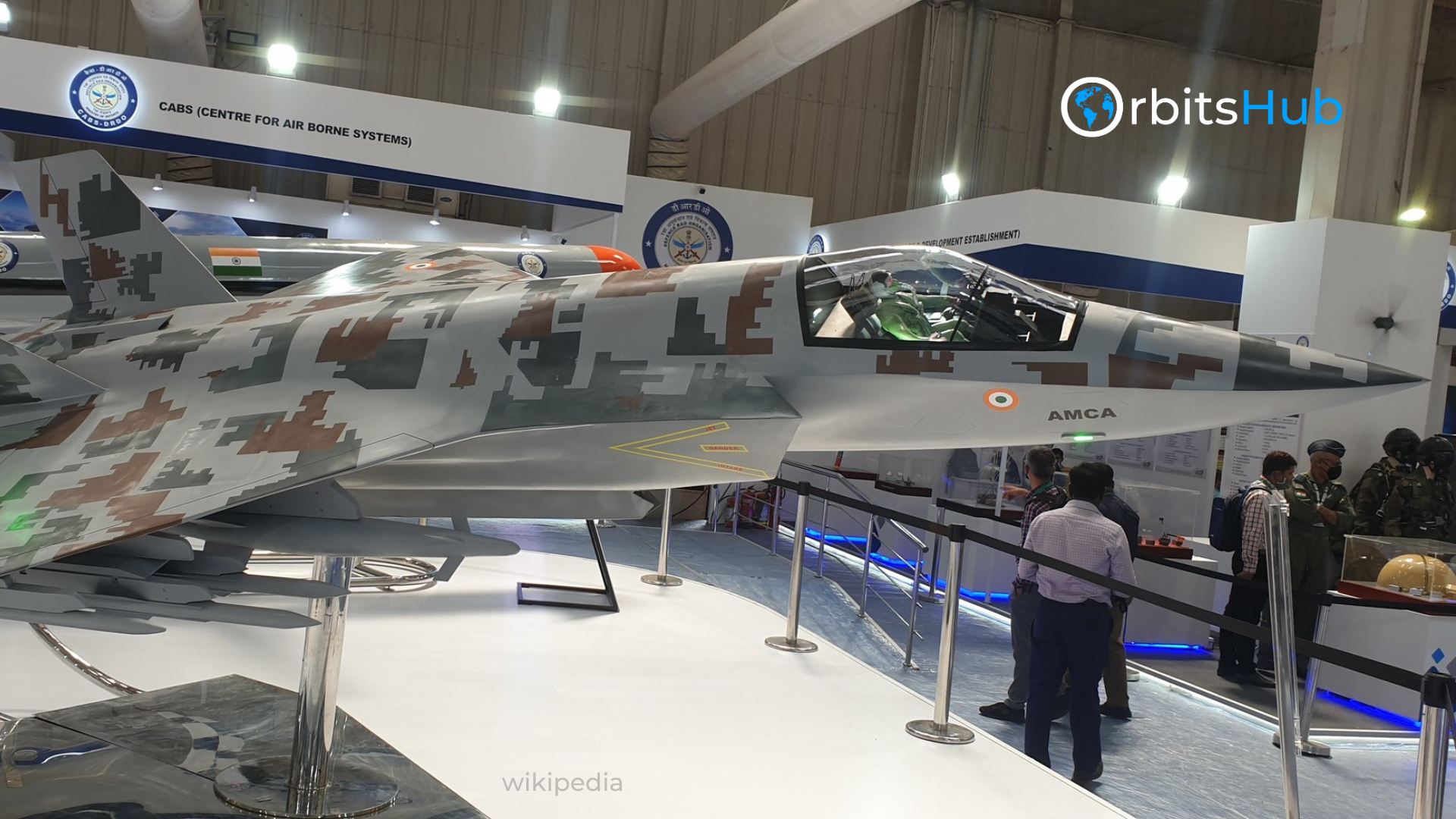
In the ever-evolving world of military aviation, air superiority is crucial for national security. The Indian Air Force has long sought an advanced, indigenous fighter jet capable of competing with the world’s best. Enter the HAL AMCA fighter jet—India’s ambitious project to develop a fifth-generation stealth multirole fighter. Developed by Hindustan Aeronautics Limited in collaboration with the Aeronautical Development Agency, the AMCA is set to revolutionize India’s defence capabilities.
The Need for the AMCA Fighter Jet
Strengthening India’s Air Power
India faces multiple security challenges, including border tensions and emerging aerial threats. The current fleet of the Indian Air Force includes Sukhoi Su-30MKI, Dassault Rafale, and older aircraft like MiG-29s and Mirage 2000s. However, many of these aircraft are fourth-generation fighters, which lack the stealth and advanced capabilities needed in modern aerial combat.
Reducing Dependence on Foreign Imports
India has relied on foreign fighter jets for decades, from Russian MiGs to French Rafales. While these aircraft serve well, heavy reliance on foreign suppliers comes with geopolitical risks, high costs, and limited customization. With the AMCA, India takes a major step towards self-reliance in the aerospace sector under the “Make in India” initiative.
Competing with Global Fifth-Generation Fighters
The world’s top air forces are moving towards fifth-generation fighters, such as:
- Lockheed Martin F-35 Lightning II (USA)
- Sukhoi Su-57 (Russia)
- Chengdu J-20 (China)
To remain competitive, the Indian Air Force needs a stealth fighter with superior avionics, agility, and combat capabilities, which is precisely what the AMCA promises.
Key Features of the HAL AMCA Fighter Jet

Stealth Technology: The Invisible Shield
One of the biggest strengths of the AMCA is its advanced stealth technology. The aircraft is designed with a low radar cross-section, meaning it can operate undetected in hostile environments. Unlike previous Indian fighter jets, the AMCA will have internal weapon bays to maintain its stealth profile. The aircraft’s design includes radar-absorbing materials, making it less visible to enemy radars.
Advanced Avionics and Sensor Suite
The AMCA is equipped with cutting-edge avionics to enhance pilot situational awareness. It features a panoramic cockpit display, multi-function displays, and a holographic head-up display. The aircraft is also equipped with an active electronically scanned array radar, which can detect and track multiple targets simultaneously.
Twin-Engine Power for Superiority
The AMCA is designed as a twin-engine fighter to provide superior thrust and manoeuvrability. The Mark-1 variant will be powered by the General Electric F414 engines, while future versions, particularly the Mark-2, will incorporate more powerful indigenous engines. A twin-engine design ensures higher speed, better agility, and greater combat endurance.
Weapons and Combat Capabilities
It has a weapons bay inside that can hold a variety of air-to-air and air-to-ground rockets as well as precision-guided bombs. The plane has hard points on the outside that can hold extra weapons for jobs where stealth is not important. This makes it more useful in battle.
Supercruise Capability
Unlike older jets that rely on afterburners for supersonic speeds, the AMCA is expected to have supercruise capability, allowing it to sustain supersonic speeds without excessive fuel consumption. This gives it a significant advantage in air combat by enabling faster engagement and escape.
Development Timeline and Future Plans
The development of the AMCA follows a well-structured timeline. The project is divided into multiple phases, ensuring that the aircraft meets both operational and technological requirements.
- 2023: Concept and design finalized
- 2026-2027: Prototype rollout
- 2028: First test flight
- 2032: Expected start of serial production
- 2035: Induction into the Indian Air Force
The first seven squadrons of the AMCA are expected to replace the Indian Air Force’s ageing fleet, ensuring that India maintains its air dominance.
Strategic Importance of the AMCA
Strengthening India’s Defense Capabilities
The AMCA is more than just a new fighter jet; it is a symbol of India’s growing defence capabilities. With this aircraft, India joins an elite group of nations capable of developing fifth-generation fighter jets. It gives the Indian Air Force a technological edge in future conflicts and strengthens national security.
Boosting India’s Defense Industry
The AMCA program is expected to create thousands of jobs and drive significant investment in India’s aerospace sector. By developing an Indigenous fighter jet, India reduces its reliance on foreign technology and paves the way for future defence innovations.
A Potential Export Opportunity
If the AMCA proves successful, it could become a viable export product, similar to how the Light Combat Aircraft Tejas is gaining interest from international buyers. This could boost India’s defence exports and strengthen strategic partnerships with allied nations.
Challenges in the AMCA Project
Technological Hurdles
Developing a fifth-generation fighter jet is a complex and costly process. Advanced stealth technology, supercruise capability, and next-generation avionics require years of research and testing. Ensuring these technologies function flawlessly will be a major challenge.
Funding and Budget Constraints
Military projects of this scale require significant funding. While the Indian government has allocated resources, unforeseen delays and cost overruns could impact the program.
Integration of Indigenous Systems
While India is striving for complete self-reliance, certain components, such as engines and radar systems, may initially require international collaboration. The transition from foreign to indigenous technology will take time and effort.
How AMCA Compares to Other Fighter Jets

Compared to the Rafale and Su-30MKI, the AMCA offers stealth, better avionics, and supercruise capability, making it a true fifth-generation fighter. Compared to China’s J-20 or Russia’s Su-57, it is expected to offer comparable technology but with an advantage in cost-effectiveness and indigenous development.
The Road Ahead for India’s Next-Generation Fighter
The HAL AMCA is not just about building a new jet—it’s about transforming India into a global aerospace leader. As the project moves from prototype to production, India’s aerospace industry will gain critical expertise, boosting its position in the international defence market.
With the first test flight expected by 2028, the next few years will be crucial for the AMCA’s success. If India successfully executes this project, it will mark a historic milestone in the country’s defence modernization efforts.
Frequently Asked Questions
1. What makes the HAL AMCA different from existing Indian fighter jets?
The HAL AMCA is India’s first indigenous fifth-generation stealth fighter jet. It features advanced stealth technology, supercruise capability, and state-of-the-art avionics, setting it apart from fourth-generation jets like the Sukhoi Su-30MKI and Dassault Rafale.
2. When will the HAL AMCA be inducted into the Indian Air Force?
The first prototype is expected to roll out by 2026-2027, with test flights beginning in 2028. Serial production is scheduled to start by 2032, with induction into the Indian Air Force planned thereafter.